
Are you ready to explore the transformative world of yoga but unsure where to begin? You’re not alone.
Many beginners feel overwhelmed by the myriad of poses and practices out there. That’s why we’ve crafted the perfect solution just for you: a “Yoga Routine for Beginners” PDF. This guide will serve as your personal yoga instructor, helping you ease into each pose with confidence and clarity.
Imagine starting your day with a series of simple movements that enhance your flexibility, boost your mood, and bring a sense of calm to your life. Curious about how you can seamlessly integrate yoga into your daily routine without feeling intimidated? Keep reading, and you’ll discover how this specially designed PDF can be your ultimate companion on this invigorating journey.
Benefits Of Yoga For Beginners
Yoga offers many benefits for beginners. It improves both the body and mind. Starting a yoga routine helps build healthy habits and sets a positive tone for daily life.
Yoga is gentle yet effective. It supports physical health, mental clarity, and overall well-being. Beginners can enjoy steady progress with simple routines.
Physical Health Improvements
Yoga helps improve posture and balance. It supports better breathing and circulation. Regular practice may reduce pain, especially in the back and joints. Yoga also promotes heart health by lowering blood pressure and reducing stress on the cardiovascular system.
Mental Wellness Boost
Yoga calms the mind and reduces anxiety. It helps manage stress through focused breathing and meditation. Beginners often feel more relaxed and focused after practice. Yoga encourages mindfulness, which improves mood and emotional health.
Flexibility And Strength Gains
Yoga stretches muscles and increases joint flexibility. It builds muscle strength gradually and safely. Beginners gain better body control and coordination. These improvements reduce injury risk and enhance physical performance.
Essential Yoga Equipment
Starting yoga requires some basic equipment to practice safely and comfortably. Having the right tools helps keep focus on poses and breathing. Essential yoga equipment supports your body and enhances your experience.
Choosing The Right Mat
A yoga mat provides a stable surface for poses. Pick one with good grip to avoid slipping. Thickness matters. Too thin mats feel hard on joints. Thick mats offer more cushioning but may reduce balance.
- Look for mats made of non-slip material.
- Choose a size that fits your body length.
- Consider mats easy to clean and carry.
Comfortable Clothing
Wear clothes that allow free movement. Stretchy fabrics like cotton or blends work well. Avoid tight or heavy clothes that restrict motion. Breathable materials help keep you cool during practice.
- Opt for fitted tops to avoid distractions.
- Loose pants or leggings are ideal.
- Layer clothes for different temperatures.
Optional Accessories
Accessories can improve comfort and assist in poses. They are not necessary but helpful for beginners.
- Yoga blocks:Provide support in difficult poses.
- Straps:Help stretch muscles safely.
- Blankets:Add cushioning or warmth.
- Bolsters:Support relaxation and alignment.
Basic Yoga Poses To Start
Starting yoga can feel overwhelming, but focusing on a few basic poses helps build your confidence and strength. These foundational poses improve your balance, flexibility, and breathing. They also prepare your body and mind for more advanced movements.
Mountain Pose
Mountain Pose is the foundation of all standing poses. Stand tall with your feet hip-width apart, arms relaxed by your sides. Feel your weight evenly distributed and engage your core.
This pose teaches you to find stability and presence. Ask yourself: How grounded do you feel right now? Even simple adjustments in your posture can make a big difference.
Downward Dog
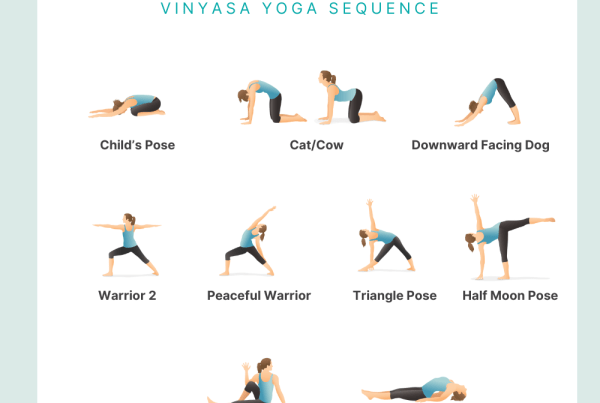
Downward Dog stretches your entire body and relieves tension in your back and shoulders. Start on your hands and knees, then lift your hips toward the ceiling, forming an inverted V shape.
Keep your hands shoulder-width apart and press your heels toward the floor. If your hamstrings feel tight, bend your knees slightly. How does your body respond to this stretch?
Child’s Pose
Child’s Pose is a gentle resting pose that helps you reconnect with your breath. Kneel on the floor, sit back on your heels, and stretch your arms forward while lowering your forehead to the mat.
This pose calms your mind and relieves stress. Use it whenever you feel overwhelmed during your practice. Notice the feeling of relaxation as you breathe deeply.
Cat-cow Stretch
The Cat-Cow Stretch warms up your spine and improves flexibility. Begin on your hands and knees. Inhale as you arch your back, lifting your chest and tailbone (Cow), then exhale as you round your spine, tucking your chin and pelvis (Cat).
This flow connects breath with movement, helping you stay present. How does your spine feel after a few rounds?
Warrior I
Warrior I builds strength and focus. Step one foot forward into a lunge, keeping your back leg straight and hips facing forward. Raise your arms overhead and look up.
Hold the pose and feel your power grow. Can you maintain balance while breathing deeply? This pose challenges both your body and concentration.
Credit: www.yogarenewteachertraining.com
Creating Your Daily Yoga Routine
Creating a daily yoga routine can transform how you feel both physically and mentally. It brings structure to your practice and makes it easier to stay consistent. Crafting this routine thoughtfully ensures you get the most out of each session, whether you have 10 minutes or an hour.
Setting A Time And Space
Choose a time that fits naturally into your day. Early mornings often work well because your mind is clear and your body is rested. But if evenings suit you better, that’s fine too—consistency beats timing.
Pick a quiet spot where you won’t be disturbed. It can be a corner of your living room, a balcony, or even a space outdoors. Having a dedicated space makes it easier to jump into practice without hesitation.
Warm-up Techniques
Warming up prepares your body and mind for yoga. Start with gentle movements like neck rolls, shoulder shrugs, and wrist rotations. These simple actions increase blood flow and reduce the risk of injury.
Spend 5 to 10 minutes on your warm-up. You might add easy stretches like cat-cow or seated twists. These moves wake up your spine and get your muscles ready for deeper poses.
Sequence Planning
Plan your yoga poses in a balanced order. Begin with standing poses to build strength, then move to seated stretches for flexibility. Finish with gentle backbends or inversions if you feel comfortable.
Think about what your body needs most. If your hips feel tight, include poses like pigeon or butterfly. If your shoulders are stiff, add cow face or eagle arms. Tailor your sequence to your unique needs.
Cool-down And Relaxation
End every session with a cool-down to help your body recover. Slow down your movements and include poses like child’s pose or legs-up-the-wall. These help reduce muscle tension and calm your nervous system.
Don’t skip relaxation. Spend at least 5 minutes lying down in savasana, focusing on your breath. This moment allows your body to absorb the benefits of your practice and leaves you refreshed.
Tips For Staying Motivated
Staying motivated is key to keeping a yoga routine alive. Beginners often face challenges like busy schedules or slow progress. Simple strategies can help maintain energy and focus. Motivation grows with clear goals and a supportive environment.
Tracking Progress
Write down your yoga sessions and feelings after each practice. Note small improvements like better balance or deeper stretches. Seeing progress encourages you to continue. Use a journal or an app to keep records. Celebrate even tiny achievements to boost confidence.
Joining A Community
Connect with others who practice yoga. Join online groups or local classes. Sharing experiences creates support and accountability. Ask questions and exchange tips. Feeling part of a group makes the journey less lonely and more fun.
Setting Realistic Goals
Set goals that are clear and possible. Start with short sessions or easy poses. Avoid pushing too hard at the start. Achieving small goals builds a habit. Gradually increase difficulty as you improve. Realistic targets keep frustration away and motivation high.
Credit: www.etsy.com
Using The Yoga Routine Pdf Effectively
Using a Yoga Routine PDF effectively can make your practice smoother and more enjoyable. It’s not just about having the routine but knowing how to interact with it. A well-used PDF becomes your personal guide, helping you stay consistent and motivated.
Navigating The Pdf
Look for a clear table of contents or clickable links in the PDF. These features save you time by letting you jump directly to poses or sections. If the PDF lacks this, create your own bookmarks or notes to mark key parts.
Try to scroll through the entire document once before starting your practice. This gives you an idea of the flow and helps you anticipate upcoming poses. Does the sequence feel balanced for your current fitness and flexibility levels?
Printable Versions
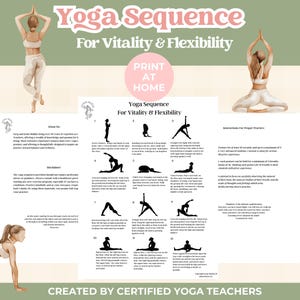
Printing the PDF can be a game-changer, especially if you prefer practicing offline or away from screens. Use a high-quality printout that clearly shows each pose with instructions. Keep it somewhere visible, like your yoga space, to stay reminded of your routine.
Consider printing smaller cheat sheets with just the pose names and key tips. This makes it easier to glance at your routine during practice without flipping pages. Have you tried practicing with a printed routine versus a digital one? What feels more natural for you?
Incorporating Visual Aids
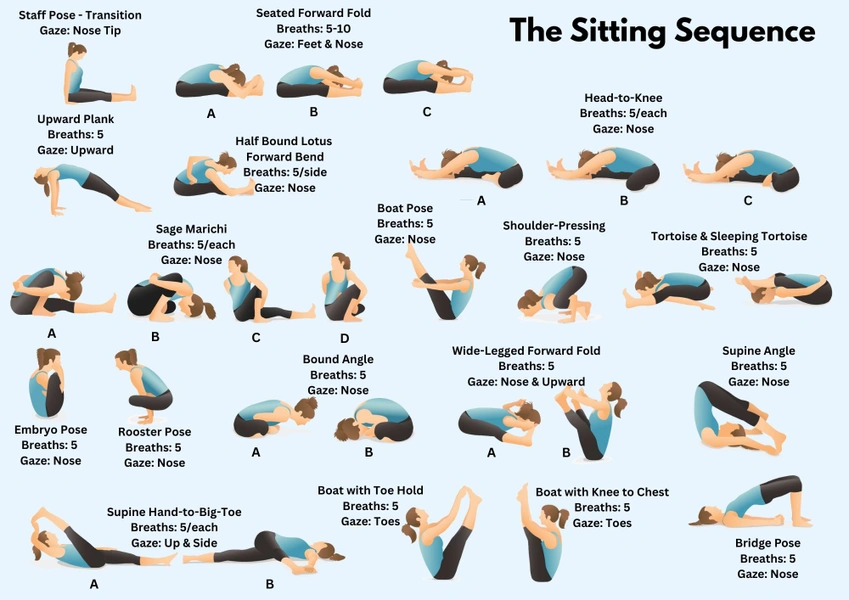
Visual aids in the PDF, like photos or diagrams, help you understand poses better and reduce the risk of injury. If the PDF lacks visuals, supplement it with trusted online videos or apps showing proper alignment. Seeing the pose in motion clarifies tricky positions.
You can also add your own photos or sketches beside the routine notes. This personal touch makes the guide more relatable and easier to follow. What visual details help you nail a pose faster?
Credit: myyogateacher.com
Frequently Asked Questions
What Is Included In A Beginner Yoga Routine Pdf?
A beginner yoga routine PDF usually includes step-by-step poses, sequences, and tips. It guides you safely through basic stretches and breathing techniques. It’s designed to build flexibility and strength gradually. This format is easy to follow at home or anywhere.
How Often Should Beginners Practice Yoga From Pdf?
Beginners should practice yoga 3 to 4 times per week using the PDF. Consistency helps improve flexibility and balance. Short sessions of 20-30 minutes are ideal initially. This routine builds habit without causing strain or injury.
Can I Do Yoga Routine Pdf Without Prior Experience?
Yes, a beginner yoga routine PDF is perfect for no experience. It starts with simple poses and clear instructions. It emphasizes proper alignment and breathing. This approach reduces injury risk and builds confidence.
Is A Pdf Yoga Routine Better Than Video Tutorials?
PDF yoga routines offer flexibility to practice anytime without internet. They provide detailed written instructions and pose images. Videos show movements but might overwhelm beginners with speed. PDFs let you control pace and revisit steps easily.
Conclusion
Starting a yoga routine can bring calm and strength to your life. This beginner’s PDF guide helps you learn basic poses with ease. Practice regularly for better flexibility and focus. Small steps lead to big improvements over time. Stay patient and enjoy each session.
Yoga is for everyone, no matter your age or skill. Keep your routine simple and consistent. Your body and mind will thank you.







