
Are you ready to transform your fitness routine and unlock the secrets to a healthier, more active lifestyle? Discovering the right types of exercise can be a game-changer for your body and mind.
Imagine feeling more energized, stronger, and happier, just by choosing the right workouts for you. Whether you’re a fitness newbie or a seasoned gym-goer, understanding the different types of exercise can help you tailor your routine to meet your unique goals.
Dive into this guide and find out how mixing up your workouts can keep things exciting and supercharge your results. Your journey to a fitter, more vibrant you starts here. Keep reading to explore the world of exercise and discover which types are perfect for you!

Credit: wephysiomfc.wixsite.com
Cardiovascular Exercises
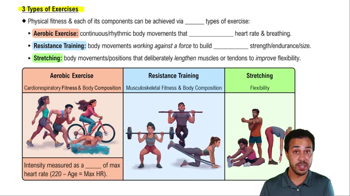
Cardiovascular exercises improve heart and lung health. They boost stamina and burn calories. These workouts increase blood flow and oxygen supply throughout the body. Regular cardio helps lower the risk of heart disease and diabetes. It also supports weight management and mental well-being.
Running And Jogging
Running and jogging are simple ways to get your heart rate up. They require no special equipment except good shoes. Running burns many calories and strengthens leg muscles. Jogging is gentler but still improves endurance. Both can be done outdoors or on a treadmill.
Cycling
Cycling is low-impact and easy on the joints. It works the legs, hips, and glutes effectively. You can cycle outdoors on roads or trails. Stationary bikes offer a good indoor option. Cycling improves cardiovascular fitness and builds muscle strength.
Swimming
Swimming uses almost every muscle in the body. It is gentle on the joints and suitable for all ages. Water resistance helps build strength and endurance. Swimming also improves lung capacity. It is a great full-body cardio workout.
Jump Rope
Jump rope is an intense cardio exercise requiring little space. It boosts coordination, balance, and agility. This workout burns a high number of calories quickly. Jumping rope can be done in short bursts. It is perfect for building cardiovascular endurance fast.
High-intensity Interval Training
High-Intensity Interval Training (HIIT) mixes short bursts of intense exercise with rest. It raises heart rate quickly and burns fat efficiently. HIIT workouts are usually brief but very effective. Exercises can include running, cycling, or bodyweight moves. This style improves fitness in less time.
Strength Training
Strength training builds muscle, improves bone health, and boosts metabolism. It involves exercises that make muscles work against resistance. This type of exercise helps increase strength, endurance, and overall fitness. Strength training can be done in many ways to suit different goals and abilities.
Weightlifting
Weightlifting uses free weights or machines to build muscle strength. Common tools include dumbbells, barbells, and kettlebells. Exercises like squats, deadlifts, and bench presses target major muscle groups. Weightlifting improves muscle tone and supports joint health.
Bodyweight Exercises
Bodyweight exercises use your own weight as resistance. Examples are push-ups, pull-ups, and squats. These exercises require no equipment and can be done anywhere. They build strength and improve balance and flexibility.
Resistance Bands
Resistance bands are elastic bands that create tension for muscle training. They come in different resistance levels to match fitness stages. Bands can target specific muscles and increase workout variety. They are portable and gentle on joints.
Powerlifting
Powerlifting focuses on lifting maximum weight in three key lifts: squat, bench press, and deadlift. It develops raw strength and power. Powerlifters train with heavy weights and low repetitions. This sport also improves muscle coordination and mental toughness.
Circuit Training
Circuit training combines strength exercises with short rest periods. It targets multiple muscle groups in a sequence. Circuits boost strength, endurance, and cardiovascular fitness. This fast-paced style keeps the heart rate up and maximizes calorie burn.
Flexibility Workouts
Flexibility workouts are essential for keeping your muscles limber and joints healthy. They help improve your range of motion, reduce the risk of injury, and make everyday movements easier. If you want to feel less stiff and move more freely, adding flexibility exercises to your routine can make a big difference.
Yoga
Yoga combines stretching with controlled breathing and balance. It targets different muscle groups, helping you stretch deeper and hold poses longer over time. Many people find that practicing yoga not only improves flexibility but also reduces stress and enhances focus.
Have you noticed how a simple yoga session can make your body feel lighter and more open? Even 10 minutes a day can boost your flexibility noticeably.
Pilates
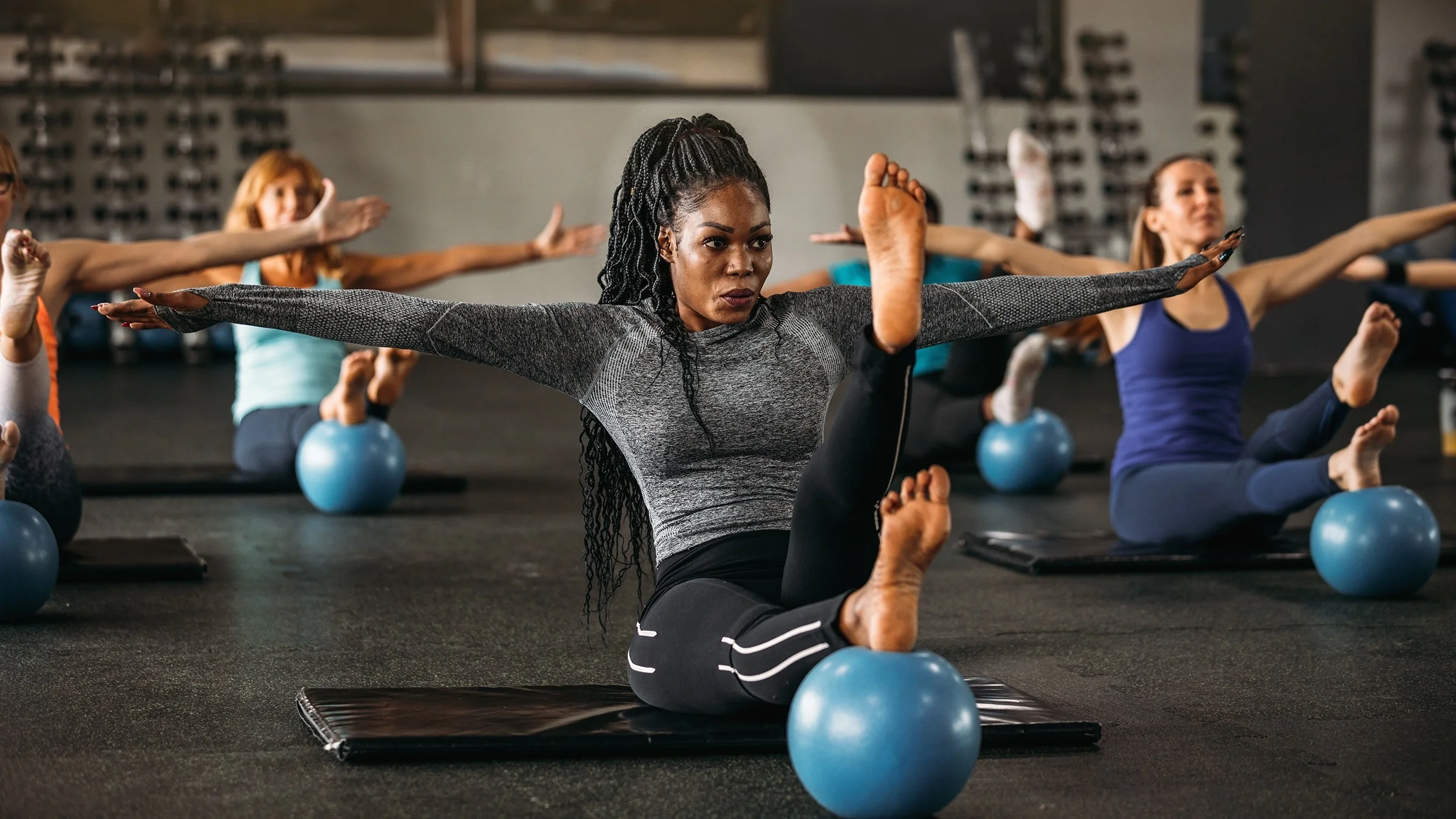
Pilates focuses on core strength but also includes many moves that stretch and lengthen your muscles. Unlike traditional stretching, Pilates emphasizes controlled movements that improve your posture and flexibility simultaneously. It’s great if you want to strengthen your body while increasing your flexibility.
Try adding Pilates to your workouts and see how your body feels more balanced and flexible without feeling strained.
Stretching Routines
Stretching routines are simple yet powerful tools to increase flexibility. You can do static stretches, holding a position for 20-30 seconds, or dynamic stretches that involve movement. Both types prepare your muscles for activity and help release tension after exercise.
Have you ever tried stretching right after waking up? It can set a flexible tone for your whole day.
Mobility Drills
Mobility drills focus on improving joint movement and muscle control. These exercises often involve slow, deliberate motions that target specific joints like hips, shoulders, and ankles. Practicing mobility drills regularly can make daily tasks like bending, reaching, or squatting much easier.
Think about how better joint mobility could reduce stiffness and discomfort in your daily life. What small mobility drill could you try today?
Balance And Stability
Balance and stability exercises help improve control and coordination. They reduce the risk of falls and injuries. These exercises train your muscles to keep your body steady. They also enhance posture and movement efficiency.
Balance Board Exercises
Balance boards challenge your body to stay steady on an unstable surface. They engage core and leg muscles. Simple moves like standing or shifting weight improve balance. These exercises boost coordination and strengthen stabilizer muscles.
Tai Chi
Tai Chi is a slow, gentle martial art focused on balance. It uses smooth, flowing movements to improve body control. Practicing Tai Chi enhances flexibility and muscle strength. It also calms the mind and lowers stress.
Functional Training
Functional training mimics everyday activities to build strength and balance. It uses bodyweight, resistance bands, or light weights. Exercises like squats, lunges, and step-ups improve stability. This training helps with daily tasks and injury prevention.
Sports And Recreational Activities
Sports and recreational activities offer fun ways to stay active. These activities help improve strength, balance, and endurance. They also boost mood and reduce stress. Engaging in sports makes exercise social and exciting.
Team Sports
Team sports involve groups working together to reach goals. Soccer, basketball, and volleyball are popular examples. These sports build communication and cooperation skills. They also encourage friendly competition and physical fitness.
Martial Arts
Martial arts teach self-defense and discipline. Styles include karate, judo, and taekwondo. Practicing martial arts improves flexibility, strength, and focus. It also helps develop respect and self-control.
Dance
Dance combines movement with rhythm and music. Styles range from ballet to hip-hop. Dancing enhances coordination, balance, and cardiovascular health. It offers creative expression while exercising the body.
Outdoor Adventures
Outdoor adventures include hiking, biking, and kayaking. These activities connect you with nature. They build endurance and muscle strength. Outdoor adventures also refresh the mind and body.
Credit: www.pearson.com
Mind-body Exercises
Mind-body exercises focus on creating a strong connection between your mental state and physical movements. These exercises help you gain better control over your body while calming your mind. They are perfect if you want to reduce stress and improve overall well-being alongside physical fitness.
Meditative Movement
Meditative movement combines slow, deliberate motions with a focus on breathing and awareness. Yoga and Tai Chi are popular examples that enhance flexibility, balance, and strength while encouraging mental calmness.
When practicing meditative movement, you learn to listen closely to your body’s signals. This awareness helps prevent injuries and improves your posture. Have you noticed how moving slowly makes you more aware of tension in your muscles?
Breathing Techniques
Breathing techniques are simple yet powerful tools to manage stress and improve exercise performance. Techniques like diaphragmatic breathing or the 4-7-8 method help increase oxygen flow and promote relaxation.
Try focusing on your breath during any workout. It can boost endurance and focus. What changes in your energy levels do you feel when you pay attention to your breathing?
Mindfulness In Fitness
Mindfulness means paying full attention to the present moment without judgment. Applying mindfulness to fitness helps you notice how your body feels during each movement and prevents rushing through exercises.
By staying mindful, you gain better control over your workout intensity and avoid burnout. Next time you exercise, ask yourself: Am I fully aware of each movement or just going through the motions?
Choosing The Right Exercise
Choosing the right exercise is more than just picking something that looks fun or popular. It requires thinking about what you want to achieve, what your body can handle, and how much time and resources you have. Making a smart choice helps you stay motivated and get the best results without risking injury or burnout.
Goals And Preferences
Ask yourself what you want from exercise. Are you aiming to build strength, improve endurance, lose weight, or just feel more energetic? Your goals will guide you toward activities that fit your needs.
Think about what you enjoy doing. If you hate running, forcing yourself to jog daily will feel like a punishment. Instead, try swimming, dancing, or cycling—something that makes you look forward to moving your body.
Physical Limitations
Be honest about your body’s limits. If you have joint pain or a medical condition, high-impact workouts might do more harm than good.
Low-impact options like yoga, walking, or water aerobics can provide excellent benefits without stressing your body. You don’t have to push through pain; smart exercise adapts to your needs.
Time And Resources
Look at your daily schedule and decide how much time you can realistically dedicate to exercise. Even short sessions can make a difference if done consistently.
Also, consider what equipment or facilities you have access to. If you don’t have a gym nearby, bodyweight exercises or home workout videos can be great alternatives.
What small changes can you make today that fit your lifestyle and move you closer to your goals?
Credit: www.goodrx.com
Frequently Asked Questions
What Are The Main Types Of Exercise?
The main types of exercise include aerobic, strength training, flexibility, balance, and high-intensity interval training (HIIT). Each type targets different fitness goals and body functions to improve overall health and well-being.
How Does Aerobic Exercise Benefit Health?
Aerobic exercise improves cardiovascular health, boosts endurance, and helps burn calories. It enhances lung capacity and reduces the risk of chronic diseases like diabetes and heart disease.
What Is The Importance Of Strength Training?
Strength training builds muscle, increases metabolism, and strengthens bones. It improves posture and supports joint health, making daily activities easier and reducing injury risk.
Why Is Flexibility Exercise Necessary?
Flexibility exercises increase the range of motion in joints, prevent injuries, and reduce muscle stiffness. They improve posture and enhance overall movement quality and balance.
Conclusion
Exercise comes in many types, each with unique benefits. Strength training builds muscles and boosts metabolism. Cardio exercises improve heart health and endurance. Flexibility workouts increase movement and reduce injury risk. Balance exercises help prevent falls and improve coordination. Mixing different exercises keeps workouts fun and effective.
Choose what fits your body and goals best. Regular exercise supports a healthier, happier life. Start small, stay consistent, and enjoy the progress. Your body will thank you.







