
Yoga can feel like a mystery when you’re just starting out. You might be wondering where to begin or which poses are best for beginners like you.
Don’t worry, you’re not alone. Many people feel the same way. But here’s the good news: you’re about to discover 12 basic yoga poses that are perfect for beginners. These poses are simple, yet powerful, setting a strong foundation for your yoga practice.
Imagine feeling more relaxed, flexible, and centered after just a few sessions. Sounds appealing, right? Stick with us, and by the end of this article, you’ll feel ready and excited to try these poses for yourself. Let’s dive in and unlock the benefits of yoga together!
Benefits Of Yoga For Beginners
Starting yoga can feel overwhelming, but the benefits you gain as a beginner are immediate and rewarding. Yoga is not just about flexibility; it improves your physical, mental, and emotional well-being. Even a few minutes of daily practice can help you feel more balanced and energized.
Improves Flexibility And Strength
Yoga gently stretches your muscles and builds strength without harsh impact. You don’t need to be flexible at first; yoga will help you gain flexibility over time. I noticed my stiff shoulders loosen after just a week of basic poses, which made everyday tasks easier and less painful.
Reduces Stress And Anxiety
Breathing exercises and mindful movements calm your nervous system. When you focus on your breath during poses, your mind quiets down. Have you ever felt overwhelmed and found that a few deep breaths instantly helped you feel more grounded? Yoga gives you that tool.
Enhances Posture And Balance
Many people sit at desks all day, which leads to poor posture and back pain. Yoga poses teach you to hold your body correctly and strengthen your core. This balance helps prevent injuries and improves your overall presence.
Boosts Energy And Mood
Starting yoga might seem tiring at first, but it actually increases your energy levels. Moving your body and breathing deeply pumps oxygen to your brain, lifting your mood naturally. You might find yourself feeling more awake and positive even on tough days.
Supports Better Sleep
Struggling with restless nights? Yoga can help by relaxing your body and mind before bed. Practicing gentle stretches and breathing exercises in the evening often leads to falling asleep faster and enjoying deeper rest.
Encourages Mindfulness And Self-awareness
Yoga invites you to pay attention to how your body feels and how your mind reacts. This awareness helps you notice stress triggers and make healthier choices. Over time, you may catch yourself reacting calmly in situations where you once felt overwhelmed.
Preparation Before Starting
Starting yoga without proper preparation can make your practice less enjoyable and even lead to discomfort. Taking time to prepare your body and environment sets a solid foundation for your session. It helps you stay focused, comfortable, and open to the benefits of each pose.
Choosing The Right Space
Your surroundings impact your yoga experience more than you might think. Find a quiet spot where you won’t be disturbed, whether that’s a corner of your living room or a peaceful backyard. Make sure the area has enough room to stretch out fully and a flat surface to keep your balance steady.
Think about lighting and temperature too. Natural light can boost your mood, and a comfortable temperature keeps your muscles ready. Have you noticed how your focus improves when distractions are minimized?
Essential Gear And Clothing
Wearing the right clothes helps you move freely and stay comfortable. Choose breathable, stretchy fabrics that won’t restrict your movements or cause overheating. Avoid clothes with zippers or buttons that dig into your skin during poses.
Besides clothing, a good yoga mat is essential. It provides cushioning and prevents slipping, especially during standing or balancing poses. If you’re practicing on a hard floor, adding a towel or blanket underneath can add extra comfort.
Warm-up Tips
Jumping straight into poses without warming up can lead to stiffness or injury. Start with gentle stretches to gradually prepare your muscles and joints. Simple neck rolls, shoulder shrugs, and wrist circles can make a big difference.
Breathing exercises are another great warm-up. Deep, steady breaths calm your mind and increase oxygen flow to your muscles. How do you feel when you take a few moments just to breathe before moving?
Mountain Pose
The Mountain Pose is the foundation of all standing yoga poses. It teaches balance and posture. This pose looks simple but builds strength and focus. Beginners often start here to find stability in their practice.
How To Do Mountain Pose
- Stand with feet together or hip-width apart.
- Distribute weight evenly on both feet.
- Engage thigh muscles and lift kneecaps slightly.
- Tuck the tailbone gently under.
- Lift the chest and roll shoulders back.
- Keep arms relaxed at your sides, palms facing forward.
- Hold your head straight, gaze forward.
- Breathe deeply and steadily.
Benefits Of Mountain Pose
- Improves posture and body alignment.
- Strengthens thighs, knees, and ankles.
- Increases awareness of body balance.
- Calms the mind and reduces stress.
- Prepares the body for other yoga poses.
Common Mistakes To Avoid
- Leaning forward or backward.
- Locking the knees too hard.
- Raising shoulders towards ears.
- Arching the lower back excessively.
- Holding breath instead of breathing naturally.
Downward Dog
The Downward Dog pose is a cornerstone of many yoga practices, especially for beginners. It offers a full-body stretch that wakes up your muscles and calms your mind. If you’ve ever felt stiff after sitting for hours, this pose can be a game-changer.
How To Get Into Downward Dog
Start on your hands and knees with your wrists aligned under your shoulders and knees under your hips.
Spread your fingers wide and press firmly into your palms.
Lift your hips up and back, straightening your legs as much as possible without locking your knees.
Your body should form an inverted “V” shape. Keep your head between your arms and gaze towards your feet or knees.
Benefits You’ll Notice Quickly
- Improves flexibility:It stretches your hamstrings, calves, and shoulders.
- Strengthens muscles:Your arms, shoulders, and legs engage to hold the position.
- Relieves tension:It helps reduce stiffness in your back and neck.
- Boosts circulation:The inversion encourages blood flow to your brain, which can refresh your mind.
Common Mistakes And How To Fix Them
Many beginners round their backs or lock their knees, which reduces the stretch and can cause strain.
To avoid this, focus on pressing your heels toward the floor but don’t worry if they don’t touch yet.
Keep a slight bend in your knees if your hamstrings are tight; this protects your lower back.
Engage your core to maintain a straight spine rather than collapsing into your shoulders.
Tips To Make Downward Dog Easier
- Use a yoga block under your hands to reduce wrist strain.
- Practice wall-assisted Downward Dog by placing your hands on a wall at hip height.
- Take short breaks in Child’s Pose if you feel fatigued.
- Breathe deeply to help your muscles relax and stretch further.
Have you tried holding Downward Dog for longer periods? You might be surprised how your endurance and flexibility improve with just a few breaths. Give it a shot during your next session and notice how your body responds.
Child’s Pose
The Child’s Pose is one of the most comforting and accessible yoga poses for beginners. It invites you to slow down and reconnect with your breath while gently stretching your back and hips. This pose is not only a resting position but also a great way to release tension after more challenging poses.
How To Get Into Child’s Pose
Start by kneeling on the floor with your big toes touching and knees spread apart. Slowly lower your hips toward your heels. Then, stretch your arms forward and rest your forehead on the mat.
Keep your neck relaxed and breathe deeply. If your forehead doesn’t reach the floor comfortably, use a block or a folded blanket for support. This simple adjustment can make a big difference in comfort and relaxation.
Benefits You Can Feel Immediately
- Relieves tension in your lower back and shoulders
- Calms your mind and reduces stress
- Improves flexibility in your hips and thighs
I remember feeling stiff and overwhelmed during my first yoga class. When I tried Child’s Pose, the instant relief surprised me. It gave me a moment to pause and reset, which kept me coming back to yoga regularly.
Common Mistakes To Avoid
- Forcing your hips too far back, causing discomfort
- Holding your breath instead of breathing naturally
- Letting your shoulders tense up instead of relaxing them
Pay attention to your body’s signals. If your knees or hips feel tight, try bringing your knees closer together. Adjusting the pose to your comfort level is key to making it work for you.
When To Use Child’s Pose During Your Practice
Use Child’s Pose as a break between more demanding poses. It’s perfect for regaining focus and calming your breath. You can also start or end your session with it to ground yourself.
Have you noticed how pausing can boost your energy during practice? Taking moments like this can help you stay present and avoid burnout.
Warrior I
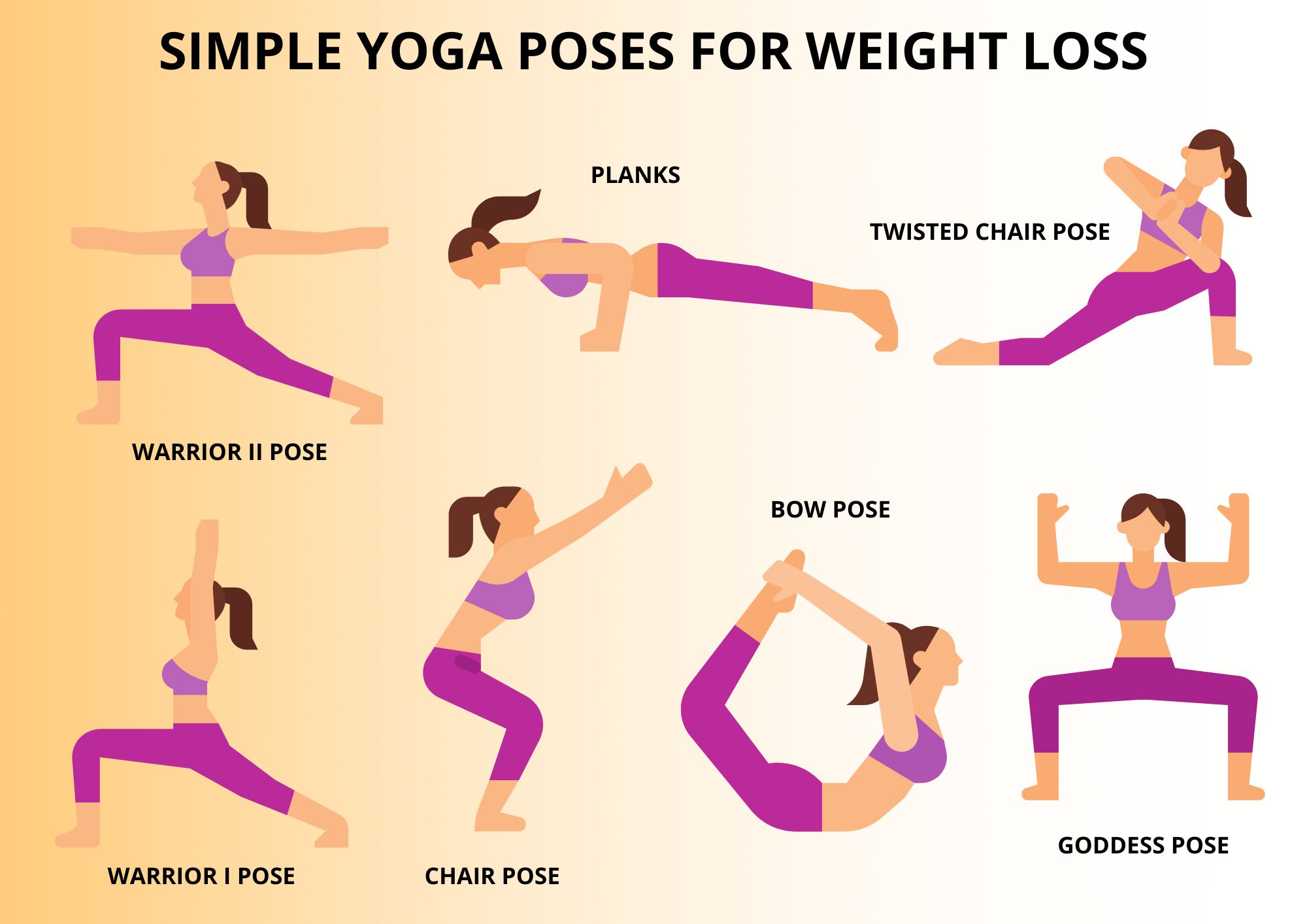
Warrior I is a strong yoga pose that builds focus and power. It stretches the chest and lungs while strengthening the legs. This pose helps improve balance and confidence. Perfect for beginners, it lays a solid foundation for more complex poses.
How To Do Warrior I Pose
- Stand tall with feet hip-width apart.
- Step one foot back about 3-4 feet.
- Turn the back foot slightly outward.
- Bend the front knee directly over the ankle.
- Raise both arms overhead, palms facing each other.
- Square your hips to face forward.
- Keep your chest lifted and gaze forward.
- Hold the position and breathe deeply.
Benefits Of Warrior I
- Strengthens legs, hips, and arms.
- Improves balance and stability.
- Stretches chest, lungs, and shoulders.
- Boosts focus and mental stamina.
- Enhances posture and core strength.
Common Mistakes To Avoid
- Letting the front knee go past the toes.
- Allowing hips to open sideways.
- Dropping the back heel off the ground.
- Arching the lower back too much.
- Not keeping the chest lifted and open.
Warrior Ii
Warrior II is a classic yoga pose that builds strength and focus. It stretches your legs, hips, and chest. This pose also improves balance and stamina. Perfect for beginners, Warrior II helps you connect breath with movement.
How To Do Warrior Ii
- Stand tall with feet wide apart.
- Turn your right foot out 90 degrees.
- Keep the left foot slightly inward.
- Bend your right knee over the right ankle.
- Extend your arms out to the sides, parallel to the floor.
- Look over your right hand.
- Hold the pose and breathe deeply.
Benefits Of Warrior Ii
- Strengthens legs and ankles.
- Opens hips and chest.
- Improves balance and stability.
- Enhances focus and concentration.
- Boosts stamina and endurance.
Common Mistakes To Avoid
- Don’t let the front knee go past the ankle.
- Avoid collapsing the chest forward.
- Keep arms strong, not limp.
- Don’t let the back foot lift off the ground.
- Maintain even weight on both feet.
Tree Pose
The Tree Pose is a simple standing balance pose. It helps improve focus and stability. This pose strengthens your legs and opens your hips. It also calms the mind and builds confidence.
Balancing on one foot teaches body control. Beginners find it a great start for yoga balance. The Tree Pose encourages proper posture and grounding.
How To Do The Tree Pose
- Stand tall with feet together and arms at sides.
- Shift weight to your right foot, grounding it firmly.
- Bend your left knee and place your left foot on your right inner thigh or calf.
- Press your foot and thigh together for stability.
- Bring your hands together at your chest in prayer position.
- Hold for 20 to 30 seconds, then switch sides.
Benefits Of The Tree Pose
- Improves balance and coordination.
- Strengthens leg muscles and ankles.
- Opens the hips and stretches inner thighs.
- Enhances mental focus and concentration.
- Promotes calmness and reduces stress.
Tips For Beginners
- Use a wall for support if needed.
- Keep your gaze fixed on a point ahead.
- Avoid placing the foot directly on the knee.
- Engage your core for better balance.
- Breathe deeply and stay relaxed.
Cat-cow Stretch
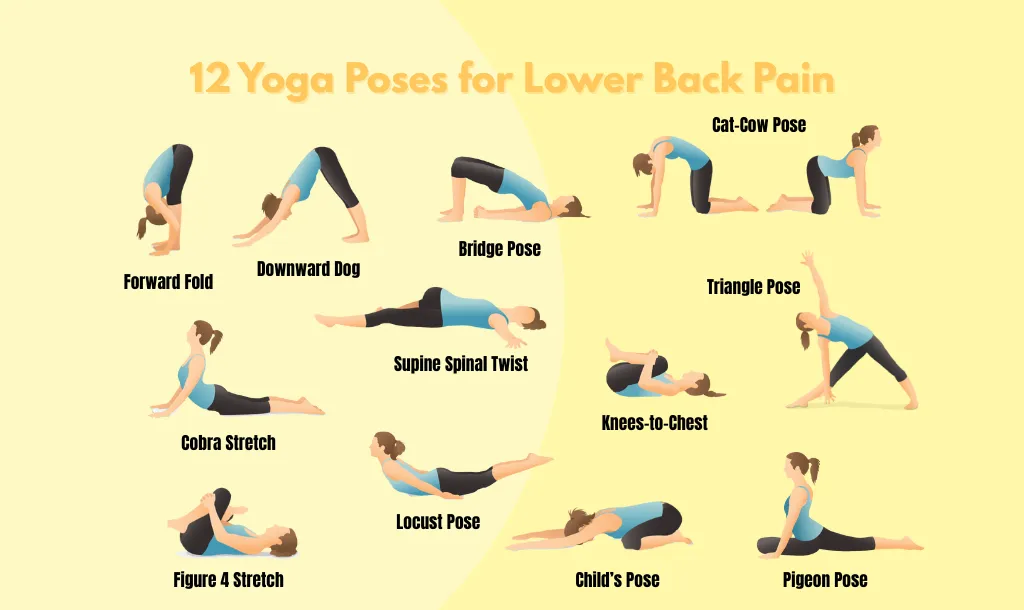
The Cat-Cow Stretch is a gentle flow between two poses that warms up your spine and relieves tension in your back and neck. It’s often one of the first poses beginners learn because it’s simple yet effective. This stretch helps you connect your breath with movement, setting a mindful tone for your yoga practice.
How To Perform The Cat-cow Stretch
Start on your hands and knees, with your wrists aligned under your shoulders and your knees under your hips. As you inhale, drop your belly toward the mat, lift your chest, and gaze slightly upward—this is the Cow pose.
On the exhale, round your spine toward the ceiling, tuck your chin to your chest, and pull your belly button toward your spine—this is the Cat pose.
Move slowly between these positions, matching each movement with your breath. How does your spine feel as you flow through these movements?
Benefits Of The Cat-cow Stretch
- Improves spinal flexibility and posture
- Relieves tension in your back, neck, and shoulders
- Enhances coordination between breath and movement
- Stimulates digestion and circulation
This stretch is especially helpful if you spend long hours sitting. I noticed that after a few days of practicing Cat-Cow, my back pain lessened and my focus improved. Could this simple stretch be the relief you need?
Common Mistakes To Avoid
- Moving too quickly without coordinating breath
- Letting your shoulders collapse or shrug toward your ears
- Not engaging your core to protect your lower back
- Forcing the movement beyond comfortable range
Remember, this stretch is about gentle mobilization, not pushing your body. Pay attention to how your spine feels and adjust accordingly.
Credit: myyogateacher.com
Seated Forward Bend
The Seated Forward Bend is a fundamental yoga pose that offers a powerful stretch for your back and hamstrings. It encourages relaxation and helps calm your mind while improving flexibility. Many beginners find this pose challenging at first, but with gentle practice, it becomes a soothing part of the routine.
How To Perform The Seated Forward Bend
Start by sitting on the floor with your legs extended straight in front of you.
Keep your spine tall and inhale deeply, reaching your arms overhead.
As you exhale, hinge at your hips and slowly lean forward, reaching toward your feet.
Keep your back as straight as possible and avoid forcing your reach. Stop when you feel a comfortable stretch.
Benefits Of The Pose
- Stretches the spine, shoulders, and hamstrings
- Calms the brain and helps relieve stress
- Improves digestion by gently massaging abdominal organs
- Encourages mindfulness and body awareness
Common Mistakes To Avoid
- Rounding the back instead of hinging at the hips
- Forcing the stretch, which can cause injury
- Holding the breath instead of breathing deeply
Modifications And Tips
If your hamstrings feel tight, try bending your knees slightly to avoid strain.
Use a yoga strap or a towel around your feet to help you gently pull yourself forward without rounding your back.
Rest your forehead on your legs or a block if reaching your feet feels out of reach.
How Often Should You Practice?
Try adding the Seated Forward Bend to your routine 3 to 4 times a week.
Even a few minutes per session can improve flexibility and reduce tension.
Ask yourself: How does your body feel after spending time in this pose? Notice any changes in your flexibility or stress levels over time.
Bridge Pose
The Bridge Pose is a gentle backbend that stretches the chest, neck, and spine. It strengthens the muscles of the back, buttocks, and legs. This pose helps improve posture and relieves tension in the shoulders and lower back.
Bridge Pose is easy to practice and perfect for beginners. It also calms the mind and reduces stress. Regular practice can increase flexibility and build core strength.
How To Do Bridge Pose
- Lie on your back with knees bent and feet flat on the floor.
- Keep your feet hip-width apart and arms by your sides.
- Press your feet and arms into the floor.
- Lift your hips toward the ceiling, creating a straight line from knees to shoulders.
- Hold the pose for 20 to 30 seconds, then slowly lower your hips.
Benefits Of Bridge Pose
- Strengthens the back, legs, and glutes.
- Stretches the chest and spine.
- Improves posture and balance.
- Reduces stress and anxiety.
- Stimulates abdominal organs.
Tips For Beginners
- Use a yoga block under your sacrum for support.
- Keep your knees aligned with your hips.
- Don’t overarch your back; lift gently.
- Breathe deeply and evenly throughout the pose.
- Come out of the pose slowly to avoid strain.

Credit: medium.com
Cobra Pose
The Cobra Pose, or Bhujangasana, is a foundational yoga posture that beginners often find both accessible and rewarding. It gently strengthens your spine while opening up your chest, shoulders, and abdomen. This pose can help improve your posture and relieve tension in your back, making it a great addition to your yoga routine.
Cobra Pose Benefits
Practicing the Cobra Pose regularly can enhance your flexibility and reduce stiffness in the lower back. It stimulates blood flow to your spine, which may help ease discomfort from sitting too long. Plus, it opens your chest, encouraging deeper breathing and increasing oxygen intake.
How To Perform Cobra Pose Safely
- Start by lying face down with your hands under your shoulders.
- Keep your elbows close to your body as you slowly lift your chest, using your back muscles more than your arms.
- Press your hips and legs firmly into the floor to avoid straining your lower back.
- Hold the pose for 15 to 30 seconds, then slowly lower down.
Pay close attention to how your body feels. If you experience any sharp pain, especially in your lower back, ease out of the pose immediately.
Common Mistakes To Avoid
- Overarching your lower back by pushing too hard with your hands.
- Lifting your shoulders toward your ears, which creates tension.
- Letting your elbows flare out instead of keeping them close to your sides.
- Not engaging your core, which can strain your back.
Have you noticed how small adjustments change the comfort and effectiveness of the pose? Listening to your body’s signals is key to avoiding injury.
Modifications For Beginners
If you find the full backbend too challenging, try these options:
- Keep your elbows bent and lift only slightly off the ground.
- Place a folded blanket under your pelvis for extra support.
- Focus on lengthening your spine more than lifting high.
These adjustments let you build strength gradually while still enjoying the benefits of Cobra Pose.
Tips For Progressing Safely
Progressing safely in yoga is essential to enjoy its benefits without risking injury. It’s about understanding your limits while gently challenging yourself to improve. The key lies in mindful practice, patience, and using techniques that support your body’s natural rhythm.
Listening To Your Body
Your body gives you signals every time you practice yoga. Pay close attention to sensations like discomfort or pain, which are warnings to ease off or adjust your pose. Remember, pushing through pain rarely leads to progress—it often causes setbacks.
Ask yourself: How does this position feel? Is there tension or strain that feels wrong? Respect those answers by modifying poses or taking breaks as needed.
Consistency Over Intensity
Doing a little yoga regularly beats doing a lot sporadically. Building strength and flexibility takes time, and consistent short sessions create lasting habits. Aim for daily practice, even if it’s just 10-15 minutes, rather than long sessions once in a while.
Notice how your body adapts and improves gradually. Are you feeling more balanced or relaxed after each session? That steady progress is the real goal.
Incorporating Breathing Techniques
Breathing is more than just oxygen—it’s your tool for focus and calm in every pose. Learning to control your breath helps you stay present and prevents strain during challenging poses. Try to coordinate your movements with slow, deep breaths.
Have you tried inhaling as you stretch and exhaling as you deepen a pose? This simple rhythm can make your practice feel smoother and more powerful, helping you stay safe and centered.
Credit: myyogateacher.com
Frequently Asked Questions
What Are The Best Yoga Poses For Beginners?
The best yoga poses for beginners include Downward Dog, Child’s Pose, Cat-Cow, Mountain Pose, and Warrior I. These poses build strength, flexibility, and balance safely. They help beginners develop body awareness and proper alignment for a solid yoga foundation.
How Often Should Beginners Practice Yoga Poses?
Beginners should practice yoga poses 3 to 4 times per week. Consistent practice improves flexibility, strength, and mental focus. Short sessions of 20-30 minutes are effective for building a sustainable yoga routine without risk of injury.
Can Beginners Do Yoga Poses At Home Safely?
Yes, beginners can safely do yoga poses at home with proper guidance. Use online videos or apps to learn correct form. Start slowly, listen to your body, and avoid pushing beyond your limits to prevent injuries.
What Benefits Do Basic Yoga Poses Offer Beginners?
Basic yoga poses improve flexibility, strength, posture, and reduce stress. They enhance breathing and promote relaxation. Regular practice also boosts energy levels and supports overall physical and mental well-being.
Conclusion
Practicing these 12 basic yoga poses helps build strength and calm the mind. Start slow and focus on your breathing with each movement. Yoga improves flexibility and reduces stress over time. You can do these poses at home or outside.
Consistency matters more than perfection. Enjoy the process and notice small progress every day. Yoga offers benefits for both body and mind. Keep practicing and feel the positive changes unfold naturally.







