
Unlock the secret to deeper connection and increased flexibility with 2 person yoga poses for beginners. Imagine this: you and a friend or partner moving in harmony, supporting each other, and sharing laughter as you explore the world of yoga together.
Not only does it enhance your physical strength, but it also strengthens your bond. Curious how simple poses can transform your practice and your relationship? Stick around. You’re about to discover how these beginner-friendly poses can add fun and new dimension to your yoga journey, making it more than just exercise, but an experience you both will cherish.
Ready to dive in? Let’s get started!
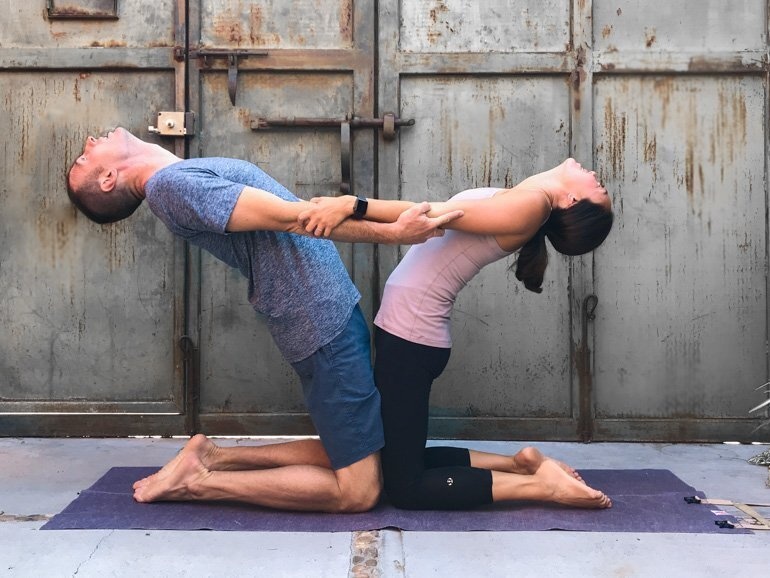
Credit: myyogateacher.com
Benefits Of Partner Yoga
Partner yoga offers more than just physical exercise; it creates a unique space where two people connect deeply while improving their health. Sharing poses with someone else encourages trust and communication, making your yoga practice more meaningful. Have you ever noticed how working together on a pose brings you closer, both physically and emotionally?
Strengthening Connection
Partner yoga requires you to tune into your partner’s movements and breathing. This shared focus builds a stronger bond through mutual support and cooperation.
When you hold a pose together, you learn to listen and respond to each other’s needs. This can improve your communication skills and deepen your relationship beyond the yoga mat.
Enhancing Flexibility
Doing yoga with a partner allows you to gently push your limits in a safe way. Your partner can help you stretch further, opening up muscles that might be tight or stiff.
You get immediate feedback and assistance, making it easier to try new poses and increase your range of motion gradually. Have you ever felt stuck in your flexibility? Partner yoga might be the nudge you need.
Improving Balance
Balancing with a partner challenges your stability in ways solo practice can’t. You must coordinate your movements and trust your partner to maintain the pose together.
This shared effort improves your core strength and body awareness. Plus, it turns balancing into a fun, interactive experience rather than a solo struggle.
Preparing For Partner Yoga
Preparing for partner yoga is more than just rolling out your mats side by side. It’s about creating a shared space where both of you feel safe, comfortable, and connected. Setting the right environment and mindset helps you enjoy the practice fully and reduces the risk of injury.
Choosing The Right Space
Pick a quiet, clutter-free area where you won’t be interrupted. A room with natural light and fresh air can boost your energy and focus. Make sure there’s enough room for you both to move freely without feeling cramped.
Think about the floor surface too—hard floors might need extra padding, while carpet can sometimes be too soft. A peaceful atmosphere sets the tone for cooperation and balance. How does your current space make you feel when you practice solo?
Essential Props
Props can support your poses and make partner yoga more accessible, especially for beginners. Have a few yoga blocks and straps handy to help with balance and stretching. A bolster or firm cushion can provide extra comfort during seated or reclining poses.
Use non-slip mats to prevent slipping during transitions. Don’t forget a towel or blanket to add warmth and support where needed. Props aren’t just tools—they’re your allies in building trust and stability together.
Communication Tips
Clear communication is key in partner yoga. Before starting, discuss any physical limitations or discomforts with each other. Agree on signals or words to use if something feels off during a pose.
Keep your tone positive and encouraging. Check in regularly—ask questions like, “Does this feel okay for you?” or “Would you like to adjust?” This openness creates a safe space where both partners can relax and deepen their practice.
Warm-up Stretches
Warming up with your yoga partner is a great way to connect and prepare your bodies for deeper stretches. These warm-up stretches help ease tension and improve flexibility, making your practice safer and more enjoyable. You’ll feel more balanced and in sync, which sets the tone for the poses that follow.
Seated Side Stretch
Sit back-to-back with your partner and extend your legs comfortably. As you inhale, raise one arm overhead and gently lean to the opposite side, feeling the stretch along your ribs and sides.
Hold for a few breaths, then switch sides. Supporting each other helps maintain good posture and deepens the stretch without strain.
Cat-cow Variations
Face each other on all fours, aligning your hands and knees. Move through the Cat-Cow pose together by arching your backs on the inhale (Cow) and rounding your spines on the exhale (Cat).
Try syncing your movements like a rhythm—this builds awareness of your partner’s breath and flow. It’s a simple way to open your spine and invite relaxation.
Partner Neck Rolls
Sit comfortably side by side and place one hand on your partner’s shoulder for support. Slowly drop your head to one side, then roll it gently forward and to the other side.
Ask your partner to guide the movement lightly, ensuring it feels soothing, not forced. This stretch helps release tension in the neck, a common spot where stress hides.
Credit: myyogateacher.com
Easy Partner Poses
Easy partner yoga poses are perfect for beginners looking to build trust, improve flexibility, and have fun with a friend or loved one. These poses help you connect physically and mentally without pushing your limits too much. You’ll find these poses relaxing and surprisingly effective for relieving tension.
Double Downward Dog
The Double Downward Dog combines balance and strength. One person starts in a classic downward dog pose, with hands and feet on the floor, hips raised. The partner then places their hands a few feet in front and rests their feet on the lower back of the first person, creating a second downward dog.
This pose stretches the shoulders, hamstrings, and calves deeply. It challenges your balance gently and encourages communication with your partner. Can you feel how supporting each other makes holding the pose easier and more fun?
Seated Forward Fold Together
Sitting facing each other with legs extended and feet touching, both partners slowly fold forward, reaching toward their feet or each other’s hands. This pose helps stretch the hamstrings and lower back while fostering a calm, shared breathing rhythm.
Try to relax your back and let your partner’s support help you deepen the stretch. Do you notice how matching your breath with theirs creates a sense of calm and connection?
Back-to-back Twist
Sit back-to-back with your partner, cross your legs comfortably, and inhale to lengthen your spines. On the exhale, each twists to one side, using your partner’s back for support. Hold the twist and breathe deeply.
This pose encourages spinal mobility and opens the chest while requiring trust and coordination. How does leaning on your partner’s back affect your ability to twist deeper?
Balance And Strength Poses
Balance and strength poses in partner yoga create a unique synergy. They challenge your body and mind while building trust with your partner. These poses help you develop core stability and coordination together, making the experience rewarding and fun.
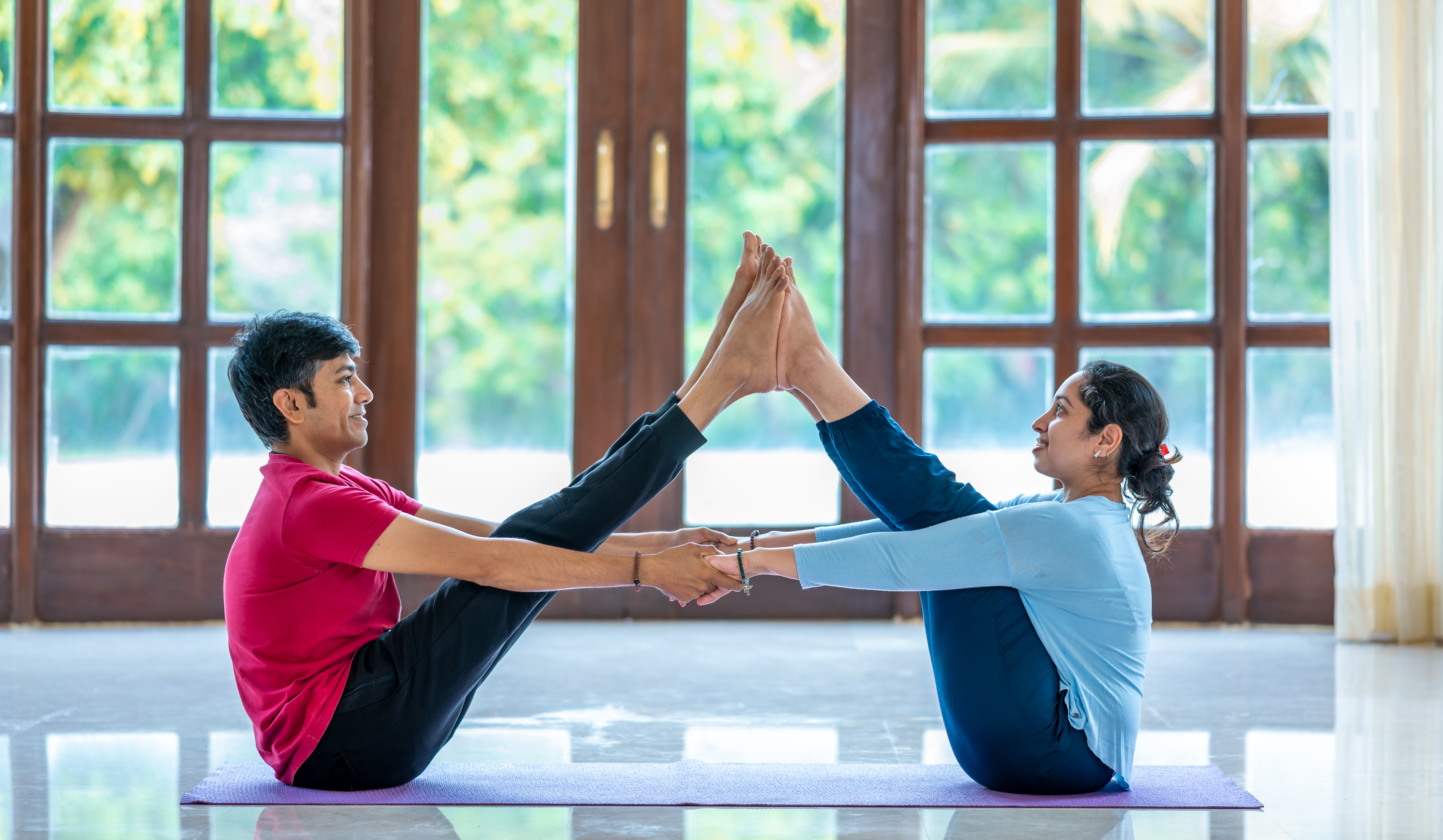
Partner Boat Pose
Partner Boat Pose is excellent for building core strength and improving balance. Sit facing each other, knees bent, and hold each other’s wrists. Slowly lift your legs to touch the soles of your feet together, creating a “V” shape with your bodies.
Holding this pose requires focus and steady breathing. You’ll feel your abdominal muscles engage deeply as you support one another. Can you keep your balance without wobbling? This pose is a great way to connect physically and mentally.
Supported Warrior Ii
Supported Warrior II helps you build lower body strength and stability. Stand side by side, and lean slightly into each other’s arms while holding hands or forearms. This gentle support lets you hold Warrior II longer and with more control.
Feel your legs root into the floor as you keep your gaze steady. The shared support teaches you to balance personal strength with teamwork. Have you noticed how leaning on someone else can improve your own posture?
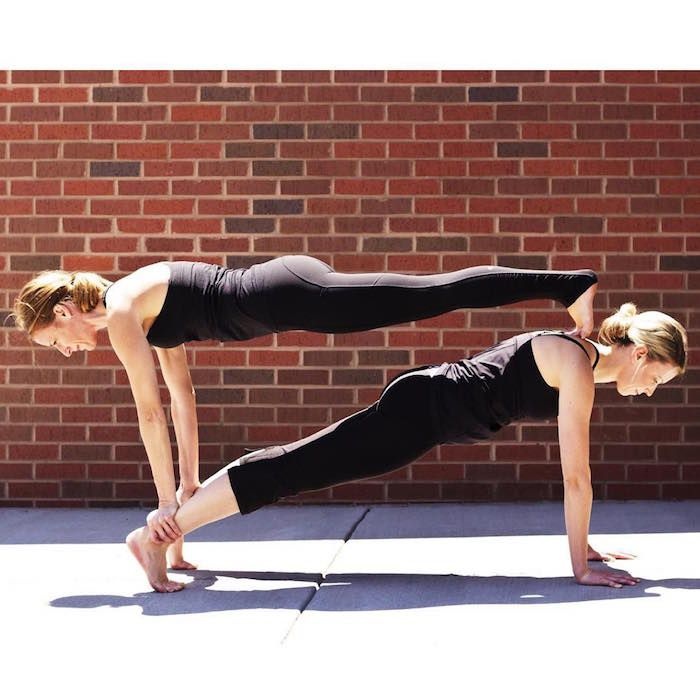
Double Plank
Double Plank is a powerful pose that tests both your upper body strength and balance. One partner assumes a traditional plank position, while the other places their hands on the first partner’s ankles and extends their body out in a plank as well.
This pose requires trust and communication to maintain alignment. You’ll engage your shoulders, arms, and core muscles intensely. How does working together in this challenging pose change your sense of balance and strength?
Relaxing Partner Stretches
Relaxing partner stretches offer a unique chance to connect with someone while easing tension in your body. These gentle poses help you breathe deeply and release stress together. They are perfect for beginners who want to enjoy calm moments in yoga without pushing too hard.
Reclining Bound Angle
This pose lets both partners lie back comfortably with the soles of their feet touching. You can support each other’s legs or hold hands to deepen the connection. It opens your hips and encourages a slow, steady breath that soothes your nervous system.
Try to focus on syncing your breathing with your partner’s. How does matching your breath change the way you feel? This simple adjustment can make the stretch feel more relaxing and grounding.
Partner Child’s Pose
One partner sits back in Child’s Pose while the other gently leans forward or rests their forehead on their partner’s back. This creates a supportive space where both people can feel held and calm. It also stretches the lower back and hips in a gentle way.
You might notice how this pose builds trust without words. Can you feel the difference in your body when someone supports your stretch? It’s a reminder that yoga is not just physical but also emotional.
Supported Savasana
Finish your session by lying down side by side in Supported Savasana with pillows or blankets for comfort. This pose invites total relaxation and lets your body absorb the benefits of the practice. You can hold hands or simply enjoy the quiet presence of each other.
Focus on releasing every last bit of tension. What happens to your mind when your body feels fully supported? This moment of stillness is where real restoration begins.
Safety Tips For Beginners
Practicing 2 person yoga poses can be a rewarding experience, but safety should always come first, especially for beginners. Building trust with your partner and understanding your limits helps prevent injuries and makes the practice more enjoyable. Let’s look at some essential safety tips to keep your sessions safe and fun.
Listening To Your Body
Your body sends signals to let you know what it can handle. Pay close attention to any discomfort or pain during poses and stop immediately if something feels wrong.
It’s easy to get caught up in trying to match your partner’s flexibility or strength, but your body knows best. Asking yourself, “Am I feeling stable and comfortable right now?” helps you stay mindful and avoid pushing too hard.
Avoiding Overstretching
Stretching is good, but overstretching can cause strains or muscle tears. When you feel a sharp or intense stretch, ease back slightly to a point where you feel a gentle pull instead.
Try to focus on slow, controlled movements rather than forcing deeper stretches. For example, if your partner is leaning back in a pose, support them gently rather than pushing them further.
Spotting Each Other
Having a spotter during partner yoga is a great way to stay safe. You and your partner can watch out for each other’s balance and alignment to prevent falls or injuries.
- Communicate clearly before each pose about what support you need.
- Use your hands or arms to gently catch or steady your partner if they wobble.
- Give feedback kindly and listen carefully when your partner shares their limits.
Have you noticed how much easier a pose feels with a supportive partner? Spotting builds trust and confidence, making your yoga practice safer and more fulfilling.
Credit: myyogateacher.com
Frequently Asked Questions
What Are The Best 2 Person Yoga Poses For Beginners?
Beginner-friendly 2 person yoga poses include partner forward fold, double tree pose, and seated twist. These poses enhance balance, flexibility, and trust between partners while being simple to perform.
How Can Beginners Practice 2 Person Yoga Safely?
Start with easy poses and communicate clearly with your partner. Use mats for cushioning and avoid forcing stretches. Warm up properly and maintain steady breathing to prevent injuries.
What Benefits Do 2 Person Yoga Poses Offer Beginners?
Partner yoga improves flexibility, strength, and balance. It also builds trust, communication, and connection between partners. Practicing together motivates beginners to stay consistent and enjoy yoga more.
How Long Should Beginners Hold 2 Person Yoga Poses?
Hold each pose for 15 to 30 seconds initially. Gradually increase hold time as comfort and balance improve. Focus on steady breathing and maintaining good form throughout the pose.
Conclusion
Practicing 2 person yoga poses helps build trust and balance. It makes exercise fun and social. Beginners can try simple poses safely together. Communication and patience improve with each session. Enjoy the process and notice your progress. Yoga with a partner brings calm and strength.
Keep practicing regularly for best results. Share this experience with friends or family. Start slow and feel the benefits grow. Two is better than one in yoga too.







