
Looking to build stronger, more toned legs? You’re in the right place!
Leg exercises are key to achieving not just a sculpted lower body, but also a solid foundation for overall fitness. Whether you’re aiming to enhance your athletic performance or simply want to move with more ease in daily life, knowing the right types of leg exercises can make all the difference.
In this guide, you’ll discover a variety of leg workouts tailored to different fitness levels and goals. Get ready to unlock the potential of your legs and feel more powerful with every step you take. Keep reading to find the perfect exercises that will transform your workout routine and help you achieve your fitness dreams.
Benefits Of Leg Exercises
Leg exercises do more than just tone your muscles—they improve your overall health and daily life. Strong legs support your entire body, making movements easier and reducing the risk of injuries. You might not realize how much your legs affect your balance, posture, and endurance until you start working them out regularly.
Improved Mobility And Balance
Leg exercises help you stay agile and steady on your feet. When your leg muscles are strong, you can walk, climb stairs, and move quickly without feeling tired or wobbly. This is especially important as you age because better balance lowers the chance of falls.
Boosted Metabolism And Fat Burn
Working your leg muscles burns a lot of calories because they are among the largest muscle groups in your body. This means leg exercises can speed up your metabolism and help with weight management. Have you noticed that after a good leg workout, you feel warmer and more energized? That’s your metabolism kicking into gear.
Enhanced Athletic Performance
Stronger legs improve your performance in sports and physical activities. Whether you enjoy running, cycling, or playing basketball, building leg strength increases your speed and power. I found that after focusing on leg workouts, my endurance during hikes improved significantly.
Reduced Risk Of Injuries
Leg exercises strengthen muscles, tendons, and ligaments around your knees and hips. This support helps prevent common injuries like strains or sprains. Think about how much easier daily activities become when your legs are less prone to pain or damage.
Better Posture And Core Stability
Your legs play a key role in maintaining good posture. Strong legs support your spine and pelvis, which keeps your body aligned and reduces back pain. You might be surprised how much leg strength affects your core stability and overall body control.

Credit: www.womenshealthmag.com
Bodyweight Leg Exercises
Bodyweight leg exercises are powerful tools for building strength and endurance without needing any equipment. You can perform them anywhere—at home, in a park, or while traveling. These exercises engage multiple muscle groups, improving your balance and stability along with muscle tone.
Squats Variations
Squats target your quads, hamstrings, and glutes all at once. Try adding different variations to keep your muscles guessing and avoid plateaus. For example, narrow-stance squats focus more on your outer thighs, while sumo squats target your inner thighs and glutes.
Have you experimented with jump squats? They add a cardio boost and power element, making your legs work harder. Remember, maintaining good form is key—keep your chest up and knees tracking over your toes.
Lunges Variations
Lunges challenge your balance and unilateral leg strength. Forward lunges are great for beginners, but stepping back or to the side can hit different muscle fibers. Walking lunges add extra movement and intensity, helping you build endurance.
Try pulse lunges if you want to burn out your muscles in a short time. How often do you switch up your lunge style to keep your workouts fresh?
Step-ups
Step-ups mimic climbing stairs and strengthen your glutes, quads, and calves. You only need a sturdy platform or bench to get started. Increasing the height or adding a pause at the top makes the exercise more challenging.
One trick I use is to focus on pushing through the heel of the stepping foot—it activates your glutes more effectively. What type of platform do you have around that can double as your workout bench?
Glute Bridges
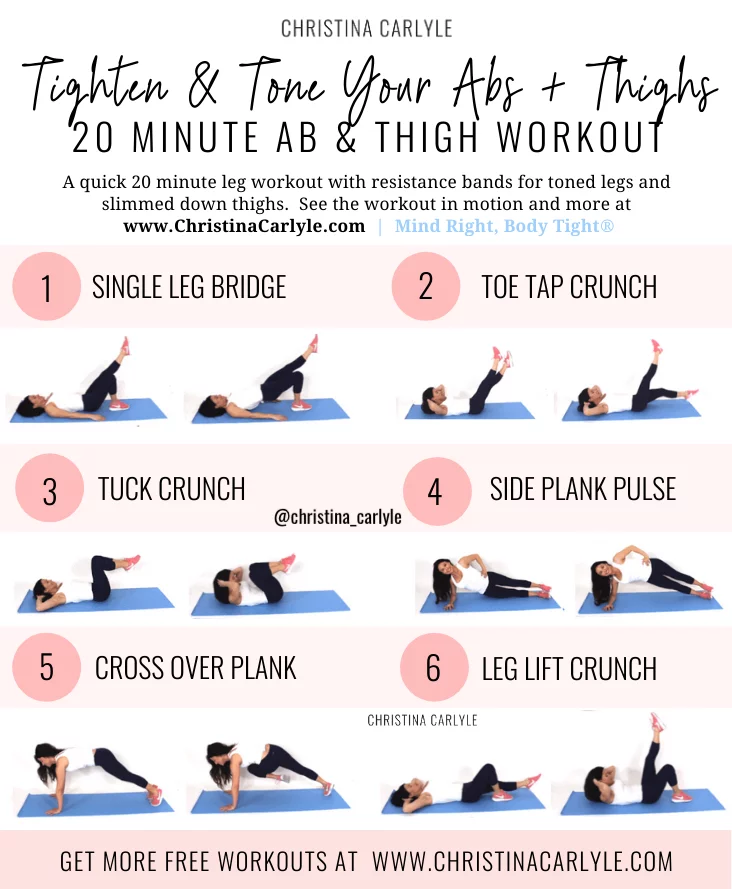
Glute bridges isolate your posterior chain, mainly targeting the glutes and hamstrings. Lie on your back with knees bent, then lift your hips toward the ceiling. Adding a single-leg variation increases the difficulty and engages your core.
Try holding the bridge at the top for a few seconds to maximize muscle activation. Do you feel your glutes firing during this move, or is your lower back taking over?
Weighted Leg Exercises
Weighted leg exercises build strength and muscle faster than bodyweight moves. Adding weights challenges your muscles more. This helps improve power, endurance, and balance.
These exercises target multiple leg muscles at once. They also engage your core and lower back for stability. Using weights can boost your overall fitness and athletic performance.
Barbell Squats
Barbell squats are a top choice for leg strength. Place a barbell on your shoulders behind your neck. Keep your feet shoulder-width apart and squat down. Push through your heels to stand back up. This exercise works your quads, hamstrings, and glutes hard.
Deadlifts
Deadlifts focus on your hamstrings, glutes, and lower back. Hold a barbell in front of you with both hands. Keep your back straight and lift the bar by standing tall. Lower it back down with control. Deadlifts improve posture and build strong legs and hips.
Leg Press
The leg press machine lets you push heavy weights safely. Sit down and place your feet on the platform. Push the platform away by extending your legs. Slowly bend your knees to return. This targets your quads, hamstrings, and glutes effectively.
Weighted Lunges
Weighted lunges challenge your balance and leg muscles. Hold dumbbells in each hand or a barbell on your back. Step forward and bend both knees to lower your body. Push back to the start position and switch legs. Lunges build strong legs and improve coordination.
Plyometric Leg Exercises
Plyometric leg exercises challenge your muscles to generate maximum force in short bursts. They boost power, speed, and agility by combining strength and explosive movement. Adding plyometrics to your routine can make your legs stronger and more responsive.
Jump Squats
Jump squats push your leg muscles to work harder by adding a jump to the traditional squat. You start in a squat position, then explode upward into a jump, landing softly back into the squat. This exercise not only builds strength but also improves your vertical leap and coordination.
Try doing 3 sets of 10 reps and focus on landing quietly to protect your joints. Have you noticed how your legs feel more powerful after just a few sessions?
Box Jumps
Box jumps demand quick, explosive power as you leap onto a sturdy platform. This exercise targets your quads, hamstrings, and calves while enhancing your balance and reaction time. Start with a box height that feels challenging but safe for you.
Step down carefully after each jump to avoid injury. How high can you jump without losing control?
Lateral Hops
Lateral hops develop side-to-side agility and strength by making you jump from one leg to the other over an imaginary line or small obstacle. This movement engages your stabilizer muscles, which are crucial for sports and daily activities that require quick changes in direction.
Try doing 3 sets of 15 hops on each side. Do you feel the difference in your balance and leg endurance after this exercise?
Isolation Leg Exercises
Isolation leg exercises target specific muscles in your legs, allowing you to strengthen or rehabilitate particular areas without engaging multiple muscle groups. These exercises help improve muscle balance and can support better overall performance in compound movements.
If you want to focus on a certain part of your leg, isolation exercises let you do just that. They’re especially useful when recovering from injury or aiming to sculpt a particular muscle.
Leg Extensions
Leg extensions focus on your quadriceps, the muscles at the front of your thigh. Using a leg extension machine, you sit and lift a weighted bar by straightening your knees.
This exercise isolates the quads, helping build strength and definition. Have you noticed your quads lag behind in your leg day routine? Adding leg extensions can fix that imbalance quickly.
Hamstring Curls
Hamstring curls target the muscles at the back of your thighs. You typically perform these lying down or seated, curling your legs against resistance to engage the hamstrings.
Strong hamstrings improve knee stability and reduce injury risk. If you often feel tightness or weakness in your hamstrings, hamstring curls offer a direct way to strengthen those muscles.
Calf Raises
Calf raises isolate the calf muscles, primarily the gastrocnemius and soleus. You lift your heels off the ground, either on flat surfaces or on an elevated platform, to work these muscles.
Calf raises improve lower leg strength and ankle stability. If you want to run faster or jump higher, don’t overlook these simple but effective moves.

Credit: www.hollandandbarrett.com
Tips For Effective Leg Workouts
Mastering leg workouts isn’t just about lifting heavy or doing endless reps. The quality of your workout depends on how you approach each session. Paying attention to key factors like form, progression, and preparation can make your leg exercises more effective and reduce the risk of injury.
Proper Form
Proper form is your foundation. Without it, you risk injury and reduce the benefits of your workout. Focus on controlled movements and avoid rushing through exercises.
For example, when doing squats, keep your chest up, back straight, and knees aligned with your toes. Have you ever felt knee pain after a leg workout? It might be due to poor form rather than the exercise itself.
Progressive Overload
To build strength and muscle, you need to challenge your legs regularly. Progressive overload means gradually increasing the weight, reps, or intensity over time. This keeps your muscles adapting and growing.
If you lift the same weight every session, your progress will stall. Try adding a small amount of weight each week or increasing your reps by one or two. Are you tracking your progress, or just guessing how much to lift?
Warm-up And Stretching
Starting your workout cold can lead to injury and poor performance. A good warm-up raises your heart rate and prepares your muscles for work. Spend 5-10 minutes doing light cardio or dynamic stretches.
After your workout, stretching helps improve flexibility and reduces soreness. Simple stretches like hamstring or quad stretches can make a big difference. When was the last time you made time for a proper warm-up and stretch?
Credit: greensafaris.com
Frequently Asked Questions
What Are The Main Types Of Leg Exercises?
Leg exercises mainly include strength training, endurance workouts, and flexibility routines. Common types are squats, lunges, deadlifts, and calf raises. These target different muscles like quads, hamstrings, glutes, and calves. Combining these types improves overall leg strength, balance, and mobility effectively.
How Do Squats Benefit Leg Muscles?
Squats strengthen quads, hamstrings, glutes, and calves simultaneously. They improve muscle tone, stability, and joint flexibility. Squats also enhance core strength and balance. This makes them a foundational leg exercise for building power and endurance across various fitness levels.
What Leg Exercises Improve Muscle Endurance?
Endurance-focused exercises include walking lunges, step-ups, and cycling. These involve lower weight but higher repetitions. They increase stamina and help muscles resist fatigue longer. Incorporating endurance exercises boosts overall leg performance in sports and daily activities.
Are Bodyweight Leg Exercises Effective?
Yes, bodyweight leg exercises like squats, lunges, and calf raises effectively build strength and tone muscles. They require no equipment and improve balance and coordination. These exercises are ideal for beginners and convenient for home workouts.
Conclusion
Strong legs support your whole body and improve daily movement. Different leg exercises target muscles in unique ways. Mixing exercises keeps workouts fresh and effective. Start with simple moves, then add challenges over time. Consistency helps build strength and endurance safely.
Remember to rest and listen to your body. Enjoy the process of getting stronger step by step. Your legs will thank you with better balance and power. Keep moving forward, one exercise at a time.







