
Are you searching for a convenient way to stay fit without leaving the comfort of your home? Exercise bikes might be just what you need.
These versatile machines offer a fantastic cardiovascular workout, no matter your fitness level. But with so many options out there, how do you choose the right one for you? Imagine finding the perfect bike that fits your lifestyle and workout goals like a glove.
You’ll discover the different types of exercise bikes available, each offering unique benefits. Whether you’re aiming for a high-intensity workout or a leisurely ride, there’s an option tailored just for you. Keep reading, and uncover which exercise bike can best transform your fitness routine!
Types Of Exercise Bikes
Exercise bikes come in different styles to fit your fitness needs. Each type offers unique benefits and workout experiences. Understanding these types helps you choose the right bike for your goals and comfort.
Upright Bikes
Upright bikes look like traditional bicycles. They have a vertical seating position. This design engages your core and upper body muscles. These bikes are great for a solid cardio workout. You can adjust resistance to increase or decrease effort. They fit well in small spaces and are easy to use.
Recumbent Bikes
Recumbent bikes have a laid-back seating position. They provide back support with a large seat and backrest. This makes them ideal for people with lower back pain. The pedals are positioned in front of you. They offer a low-impact workout that is gentle on joints. These bikes are perfect for longer sessions and steady exercise.
Indoor Cycling Bikes
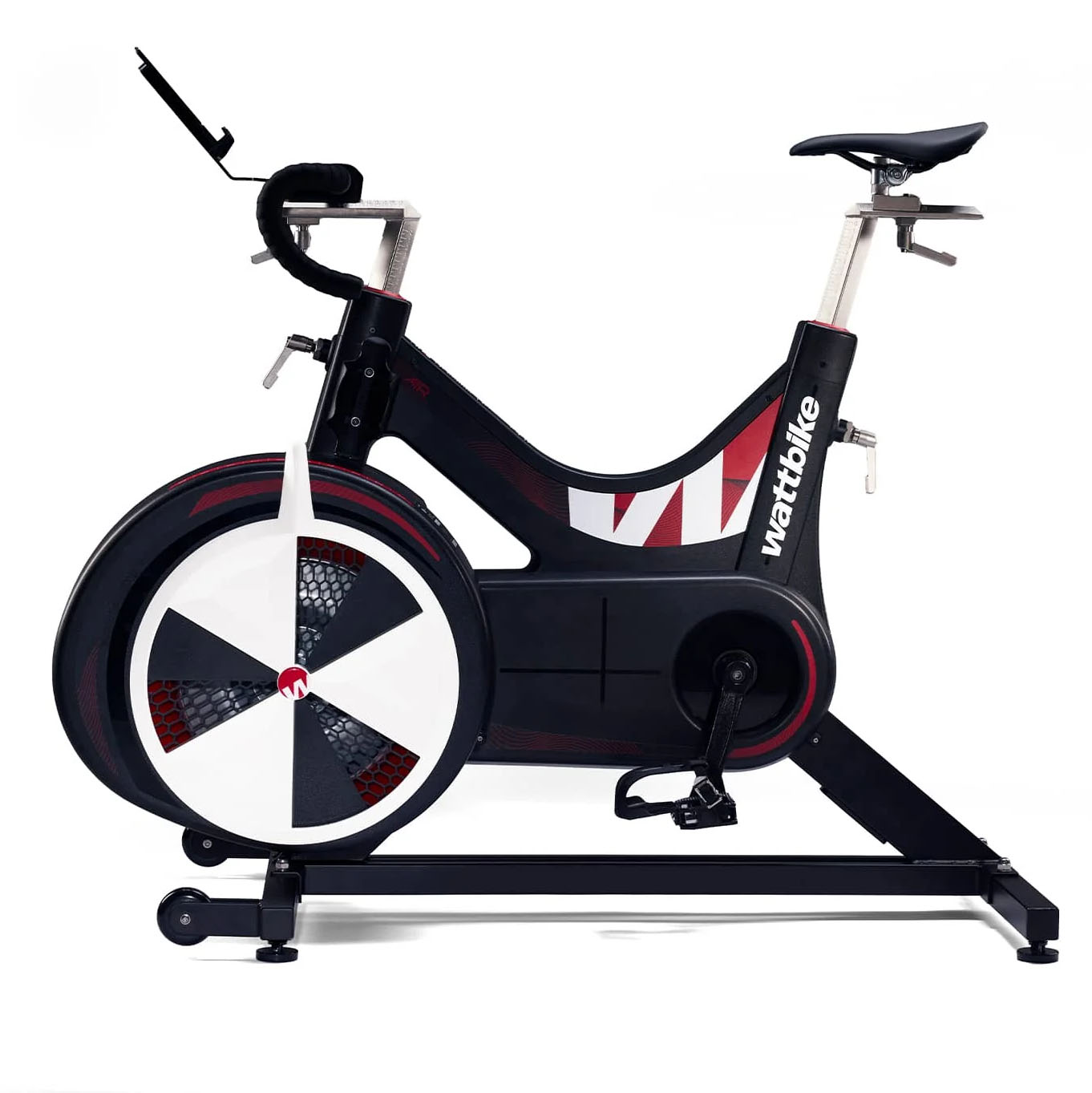
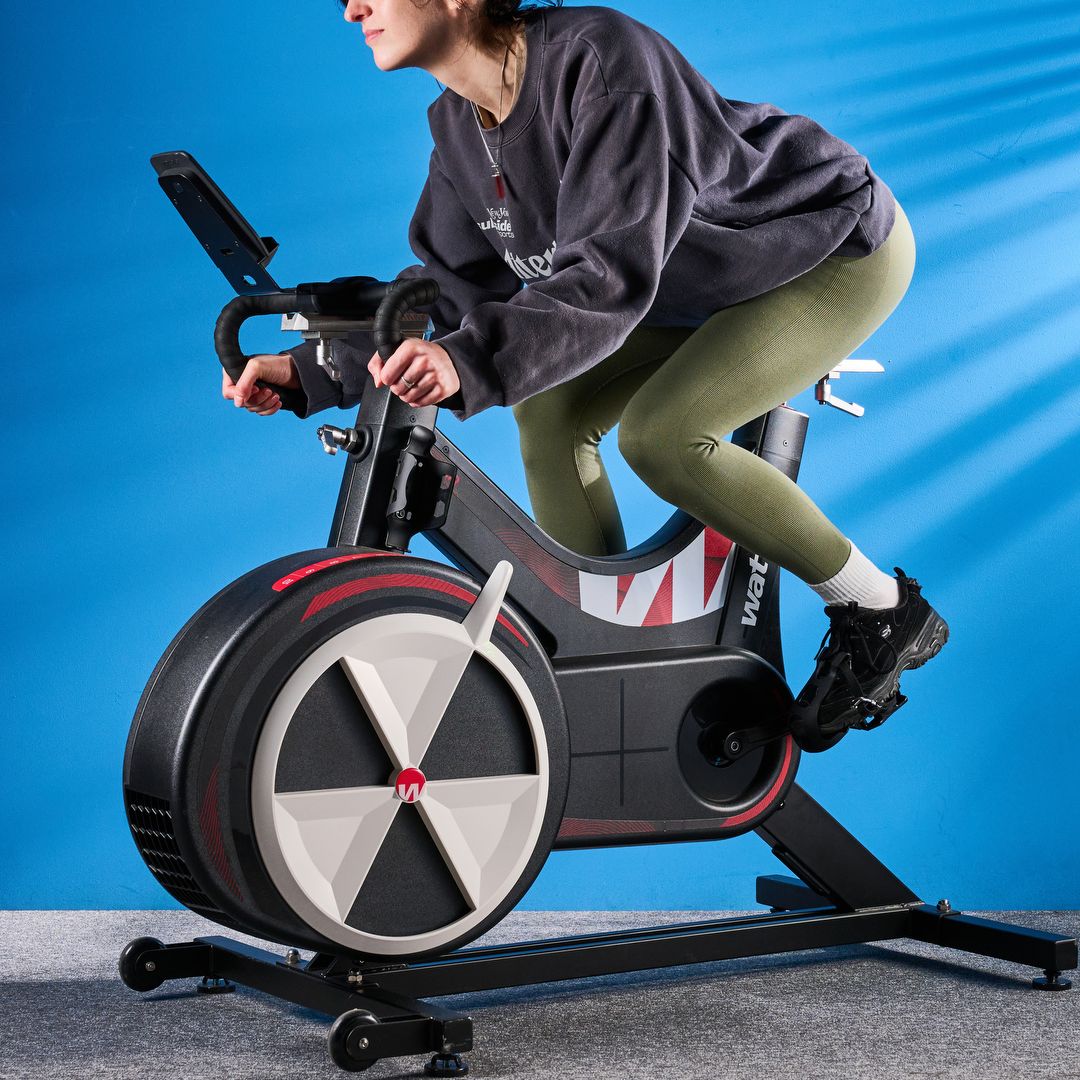
Indoor cycling bikes mimic outdoor road bikes. They have a forward-leaning posture and narrow seats. These bikes allow intense, high-speed workouts. Resistance can be adjusted for hill climbs or sprints. They often come with weighted flywheels for smooth pedaling. Indoor cycling bikes are popular for group classes and serious training.
Dual-action Bikes
Dual-action bikes combine pedaling with moving handlebars. This setup works both your lower and upper body. You get a full-body workout in one session. These bikes help improve strength and cardiovascular health. The arm handles move back and forth as you pedal. They are a good choice for those who want more exercise variety.

Credit: www.cyclingweekly.com
Benefits Of Each Bike Type
Choosing the right exercise bike can transform your workout experience. Each type offers unique benefits that suit different fitness goals. Understanding these benefits helps you pick the bike that fits your lifestyle and keeps you motivated.
Cardio And Endurance
Upright and spin bikes excel at boosting your cardiovascular health. They challenge your heart and lungs, helping you build endurance over time. If you want to improve stamina, these bikes push you to maintain a steady pace or ramp up intensity.
Think about how your energy levels increase after a session on a spin bike. That rush comes from improved blood circulation and lung capacity. Could your current workout be missing this key endurance boost?
Low-impact Workouts
Recumbent bikes provide a gentle workout that protects your joints. Their design offers excellent back support, making them ideal if you have knee or hip issues. You can stay active without discomfort, which is crucial for consistency.
Low-impact doesn’t mean low benefit. Even with less strain, you still burn calories and improve heart health. How often do you put your body under stress when a gentler option might work better?
Muscle Targeting
Spin bikes and upright models engage your lower body muscles intensely. They work your quads, hamstrings, calves, and glutes with every pedal stroke. Some models even allow standing positions to activate your core and upper legs.
Targeted muscle use means you tone while you cycle. Have you noticed how your legs feel stronger after regular rides? That’s muscle conditioning happening right there.
Calorie Burning
High-intensity interval training (HIIT) on spin bikes can torch calories fast. The ability to adjust resistance lets you challenge yourself continuously. More effort means more calories burned in less time.
If weight loss is your goal, a bike that supports intense workouts keeps you on track. Are you ready to push harder and see faster results?
Features To Consider
Choosing the right exercise bike means looking closely at its features. These details can make a big difference in how much you enjoy your workouts and how effective they are. Understanding what to focus on helps you pick a bike that fits your goals and comfort.
Resistance Levels
Resistance levels control how hard you have to pedal. Bikes with a wide range of resistance let you start easy and increase intensity as you get stronger. Some models use magnetic resistance for smooth, quiet rides, while others rely on friction, which can feel more natural but might need regular maintenance.
Think about your fitness plan: Do you want quick, high-intensity bursts or steady, long rides? A bike with adjustable resistance lets you tailor your workout every time.
Adjustability
Adjustability affects how well the bike fits your body. Look for bikes with adjustable seat height, handlebar position, and pedal straps. This customization helps prevent discomfort and injury, especially if multiple people use the bike.
Have you ever felt sore after a workout? Often, it’s because the bike wasn’t set up right. Taking time to adjust your bike can improve your posture and make each session feel better.
Display And Tracking
The display shows important workout data like speed, distance, calories burned, and heart rate. Some bikes offer simple screens, while others connect to apps or fitness trackers. This feedback keeps you motivated and helps you track progress over time.
Ask yourself, do you prefer detailed stats to push harder or just basic info to stay on track? Choosing the right display can keep you engaged and focused on your goals.
Comfort And Seat Design
Comfort affects how long you can ride without pain. Seats vary from narrow racing styles to wide cushioned options. Some bikes come with gel padding or extra support to reduce pressure on sensitive areas.
If you’ve quit exercise because of discomfort, a better seat might change your experience. Don’t overlook the feel of the seat—it’s where your body connects with the bike every minute you ride.
Credit: www.cyclingweekly.com
Choosing Based On Fitness Goals
Choosing the right exercise bike depends on your fitness goals. Different bikes suit different needs. Understanding your goal helps pick the best type for you. This guide breaks down options based on common fitness aims.
Weight Loss
For weight loss, focus on bikes that allow high-intensity workouts. Upright bikes and spin bikes are great choices. They help burn many calories fast. Look for models with adjustable resistance to increase workout intensity. Consistency and duration matter most for shedding pounds.
Rehabilitation
Rehabilitation requires gentle, low-impact exercise. Recumbent bikes work well here. They offer better back support and reduce joint strain. Smooth pedaling motion aids recovery without pain. Adjustable settings let users control workout speed and resistance safely.
Strength Training
Strength training on exercise bikes means building muscle endurance. Spin bikes with heavy flywheels provide strong resistance. This simulates hill climbing and builds leg muscles. Some bikes feature interval training programs to combine strength and cardio.
General Fitness
For general fitness, choose versatile bikes. Upright bikes suit most users and workout styles. They offer a balance of cardio and muscle work. Easy-to-use controls help maintain regular exercise habits. These bikes fit well into daily routines.
Budget And Space Considerations
Choosing the right exercise bike isn’t just about features or brand names. Your budget and the space you have available play a huge role in making the best choice. Understanding these factors can help you find a bike that fits your lifestyle without causing stress over cost or clutter.
Price Ranges
Exercise bikes come in a wide range of prices, from under $100 to over $1,000. Basic models offer essential functions and are perfect if you’re just starting or want something simple. Mid-range bikes add features like adjustable resistance and digital displays, while high-end models include advanced tracking, connectivity, and comfort enhancements.
Think about what features you truly need versus what sounds nice but won’t get used. Have you ever bought something expensive only to realize the extra features didn’t matter? Setting a clear budget helps avoid that mistake.
Compact Models
If you live in an apartment or have limited space, compact exercise bikes are a lifesaver. These models are designed to take up minimal floor space without sacrificing workout quality. Some even fit under desks, allowing you to pedal while working or watching TV.
Do you have a dedicated workout spot, or will your bike share space with daily activities? Knowing your space limitations upfront ensures you pick a model that fits comfortably and encourages regular use.
Storage Options
Storage is often overlooked but crucial, especially if your workout area doubles as a living space. Some bikes fold up or have wheels for easy movement. Others are lightweight enough to be stored in a closet or corner when not in use.
Consider how often you plan to use the bike and where you’ll keep it. Would a folding bike that disappears after your session motivate you to exercise more often? Practical storage solutions can make a big difference in sticking with your fitness goals.
Credit: www.tomsguide.com
Maintenance Tips
Maintaining your exercise bike keeps it working smoothly and lasts longer. Regular care prevents breakdowns and keeps your workouts safe and comfortable. Follow these simple tips to keep your bike in top shape.
Cleaning
Wipe down the bike after each use to remove sweat and dust. Use a soft cloth and mild detergent to clean the frame and seat. Avoid harsh chemicals that can damage the bike’s surface. Clean pedals and handles regularly to keep them dry and free from grime.
Lubrication
Apply lubricant to moving parts like the chain, pedals, and flywheel. Use oil recommended by the manufacturer to avoid damage. Lubricate every few weeks to reduce noise and wear. Avoid over-lubricating, which can attract dirt and cause build-up.
Regular Checks
Inspect bolts, screws, and nuts for tightness weekly. Check the tension and condition of belts or chains. Test the resistance system to ensure smooth operation. Replace worn-out parts promptly to avoid injury or damage. Keep an eye on the seat and handlebar adjustments for comfort and safety.
Frequently Asked Questions
What Are The Main Types Of Exercise Bikes?
The main types include upright, recumbent, and indoor cycling bikes. Each type offers distinct riding positions and workout intensity. Choose based on comfort, space, and fitness goals.
How Do Upright And Recumbent Bikes Differ?
Upright bikes simulate outdoor cycling with a vertical posture. Recumbent bikes have a reclined seat, offering more back support and comfort. Both provide effective cardio workouts but target different muscle groups.
Which Exercise Bike Is Best For Weight Loss?
Indoor cycling bikes are ideal for weight loss. They allow high-intensity interval training, burning more calories quickly. However, consistency and diet also play crucial roles in weight loss success.
Are Exercise Bikes Suitable For Beginners?
Yes, exercise bikes are beginner-friendly. They offer low-impact workouts that reduce joint stress. Users can adjust resistance levels to match their fitness and gradually increase workout intensity.
Conclusion
Exercise bikes come in many types to fit different needs. Each bike offers unique benefits for your health and fitness. Choosing the right one depends on your goals and space. Regular use helps improve strength and endurance. Start slow and increase your effort over time.
Enjoy the ride and feel your body grow stronger. Consistency matters more than speed or intensity. Find a bike that feels comfortable and suits your routine. Keep moving, stay motivated, and make exercise a habit. Your health will thank you for the effort.







