
Imagine a peaceful moment where you can pause, breathe, and stretch—all from the comfort of your chair. Whether you’re at home or in the office, chair yoga offers a simple and effective way to enhance your well-being.
You don’t need fancy equipment or a special location. All you need is a chair and a few minutes of your time. Feeling tense or overwhelmed? Chair yoga can help you find calmness and focus. Ready to discover how something so simple can have a powerful impact on your day?
Keep reading to learn how chair yoga can transform your routine with ease and grace.
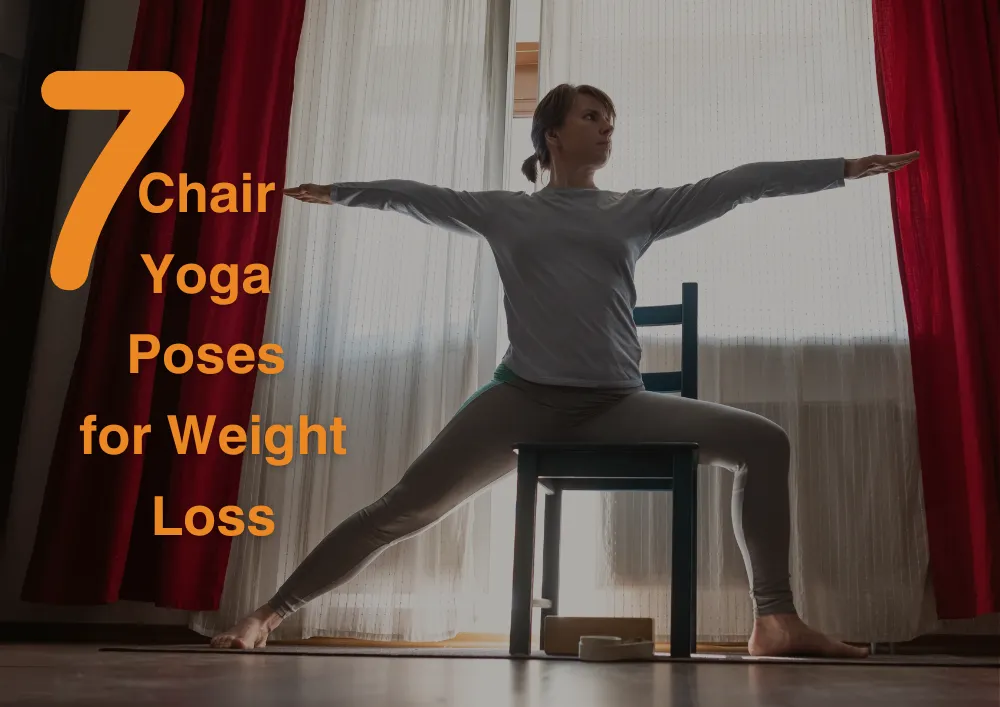
Credit: myyogateacher.com
Benefits Of Chair Yoga
Chair yoga offers gentle movements and stretches done while seated. It suits beginners and those with limited mobility. The practice brings many health benefits that support the body and mind. It helps ease stiffness, improve movement, and calm the mind. Regular practice can lead to better overall well-being.
Improving Flexibility
Chair yoga gently stretches muscles and joints. It helps increase range of motion over time. Simple poses loosen tight areas in the body. This makes everyday tasks easier and less painful. Improved flexibility supports better posture and balance.
Enhancing Mobility
Movements in chair yoga encourage joint health and strength. It allows safe motion without strain or risk of injury. Mobility gains help with walking, standing, and reaching. This practice supports independence and daily activity.
Reducing Stress
Chair yoga includes deep breathing and mindful focus. These techniques calm the nervous system and lower anxiety. The practice creates a peaceful, relaxed state of mind. Reduced stress improves sleep, mood, and energy levels.

Credit: apps.apple.com
Preparing For Chair Yoga
Getting ready for chair yoga is more than just sitting down and stretching. The right preparation can make your practice enjoyable and effective. Taking a moment to set up your space, pick the correct chair, and keep safety in mind helps you feel confident and comfortable as you begin.
Choosing The Right Chair
Not every chair works well for chair yoga. You want a chair that is sturdy and doesn’t have wheels. A straight-backed chair without arms gives you the freedom to move easily and keeps your posture aligned.
Think about the height too. Your feet should rest flat on the floor, and your knees should be at a 90-degree angle. This positioning helps avoid strain and supports balance during poses.
Setting Up A Comfortable Space
Pick a quiet spot where you won’t be disturbed. Make sure there’s enough room around your chair to stretch your arms and legs without hitting anything. Good lighting helps you stay alert and focused.
You might want to add a yoga mat or rug under the chair to prevent slipping. Also, keep a water bottle nearby to stay hydrated. How does your current space feel for movement? Adjust it until it feels inviting and safe.
Safety Tips For Beginners
Start slowly and listen to your body. If a pose feels painful, stop and try a gentler version. Using support like a wall or placing cushions around can prevent falls and make transitions easier.
Check your breathing often. Deep, calm breaths help you relax and improve your focus. Don’t push yourself to hold a pose longer than comfortable—consistency beats intensity.
Basic Chair Yoga Poses
Basic chair yoga poses are an excellent way to get moving without the strain of standing or floor exercises. They help you build strength, improve flexibility, and reduce tension—all while staying comfortably seated. These poses are perfect if you’re new to yoga or need a gentler approach to your practice.
Seated Mountain Pose
Sitting tall with your feet flat on the floor, place your hands on your thighs. Feel your spine lengthen as you roll your shoulders back and down. This simple pose improves posture and centers your mind, setting a calm tone for your session.
Seated Cat-cow Stretch
Place your hands on your knees. As you inhale, arch your back and lift your chest, looking slightly upward. When you exhale, round your spine and tuck your chin toward your chest.
This movement gently massages your spine and relieves tension in your back. Can you feel how your breath connects with your movement here?
Seated Forward Bend
With your feet hip-width apart, slowly bend forward from your hips, reaching your hands toward your feet or the floor. Keep your back straight as much as possible and avoid forcing the stretch.
This pose calms the nervous system and stretches your lower back. Notice any tightness and breathe into it instead of pushing through pain.
Seated Spinal Twist
Sit tall and place your right hand on the back of your chair. Twist your torso gently to the right, using your left hand on your right knee for support. Hold for a few breaths, then switch sides.
Twists help improve spinal mobility and aid digestion. How does your body respond to this gentle rotation?
Seated Side Stretch
Raise your right arm overhead and lean your torso gently to the left. Keep your left hand on the chair for support. Hold the stretch and then switch sides.
This pose opens up the sides of your body and relieves tension around the ribs and shoulders. Do you notice a difference in your breathing after this stretch?
Breathing Techniques
Breathing techniques are the foundation of chair yoga, especially for beginners. They help calm your mind, increase oxygen flow, and prepare your body for gentle movement. Paying attention to your breath can transform a simple practice into a powerful experience.
Deep Belly Breathing
Deep belly breathing means breathing deeply into your abdomen, not just your chest. Sit comfortably in your chair with your back straight and place one hand on your belly. As you breathe in slowly through your nose, feel your belly rise like a balloon filling with air.
Hold the breath for a moment, then exhale slowly through your mouth, feeling your belly fall. This technique can reduce stress and improve focus. Have you noticed how your mind calms down when you breathe deeply? Try it now and see the difference.
Alternate Nostril Breathing
This technique involves breathing through one nostril at a time while blocking the other with your finger. Sit upright and close your right nostril with your thumb. Breathe in slowly through your left nostril, then switch and close the left nostril with your ring finger as you breathe out through the right nostril.
Continue this pattern, alternating nostrils with each breath. It may feel unusual at first, but this practice balances your nervous system and promotes relaxation. Can you feel your body settling into a peaceful rhythm as you try this?
Creating A Chair Yoga Routine
Creating a chair yoga routine helps build strength and flexibility safely. It suits beginners and those with limited mobility. A good routine blends simple poses that flow smoothly. This keeps the body active and the mind calm. Consistency is key to gaining benefits from chair yoga.
Combining Poses For Beginners
Start with gentle warm-up poses to loosen joints. Combine seated twists, forward bends, and side stretches. Include breathing exercises to enhance relaxation and focus. Move slowly between poses to avoid strain. Use a sturdy chair without wheels for safety.
- Neck stretches
- Seated cat-cow
- Seated spinal twist
- Seated forward fold
- Seated side bend
- Breath awareness
Repeat each pose 3 to 5 times. Hold each position for 15 to 30 seconds. Adjust the sequence based on comfort and ability.
Suggested Duration And Frequency
Begin with short sessions lasting 10 to 15 minutes. Gradually increase to 20 or 30 minutes as strength grows. Practice chair yoga at least 3 times weekly for steady progress. Daily practice is ideal but optional. Rest days help muscles recover and prevent fatigue.
Consistency matters more than intensity. Regular practice supports flexibility, balance, and relaxation. Chair yoga fits easily into busy schedules.
Common Mistakes To Avoid
Starting chair yoga is simple but easy to make mistakes that slow progress. Avoiding common errors helps you enjoy benefits safely. Focus on gentle movements and listen to your body.
Overstretching
Stretching too far can cause injury or strain. Move slowly and stop if you feel tightness. Your muscles need time to adjust and grow stronger. Gentle stretching improves flexibility without pain.
Ignoring Pain Signals
Pain is a warning from your body. Do not push through discomfort or sharp pain. Stop immediately and rest. Adjust your position or try a different pose to avoid harm. Respect your limits to stay safe.
Poor Posture
Sitting correctly keeps your spine healthy and muscles balanced. Avoid slouching or leaning too far forward. Keep your back straight and feet flat on the floor. Good posture improves breathing and reduces tension during yoga.
Adapting Chair Yoga For Different Needs
Chair yoga is a versatile practice that can be shaped to fit different bodies and lifestyles. It’s not one-size-fits-all, and adapting the poses can help you feel comfortable and get the most out of each movement. Whether you’re a senior, someone with limited mobility, or an office worker, there are simple tweaks that make chair yoga work for you.
For Seniors
Seniors often benefit from gentle movements that focus on balance and flexibility. Using a sturdy chair with armrests can provide extra support and confidence during poses.
Try slow, deliberate stretches like seated spinal twists and gentle neck rolls. These can improve circulation and reduce stiffness without causing strain.
Have you noticed how small changes in your routine make a big difference in comfort and mobility? Adding deep breathing exercises can also ease tension and boost relaxation.
For People With Limited Mobility
If you have limited mobility, chair yoga offers a safe way to stay active without overexertion.
Focus on seated poses that involve lifting arms, shoulder rolls, and ankle rotations. Use cushions or rolled towels to support joints and enhance comfort.
What if you could increase your range of motion just by adjusting how you sit or hold a pose? Always listen to your body and stop if something feels uncomfortable.
For Office Workers
Sitting at a desk all day can cause tight hips, neck pain, and poor posture. Chair yoga breaks can help reset your body and mind during work hours.
Simple stretches like seated cat-cow, forward bends, and wrist stretches can reduce tension and improve focus.
Have you tried setting reminders to stretch every hour? These small breaks can boost energy and productivity without needing extra space or equipment.

Credit: www.youtube.com
Frequently Asked Questions
What Is Chair Yoga For Beginners?
Chair yoga is a gentle form of yoga practiced while sitting or using a chair for support. It’s ideal for beginners, seniors, or those with limited mobility. It improves flexibility, strength, and relaxation without needing to get on the floor.
How Often Should Beginners Do Chair Yoga?
Beginners should practice chair yoga 3 to 5 times a week. Sessions can last 15 to 30 minutes. Regular practice helps increase flexibility and reduce stress gradually. Consistency is key to seeing benefits over time.
What Are The Benefits Of Chair Yoga?
Chair yoga enhances flexibility, strength, and balance safely. It reduces stress and improves mental focus. It’s accessible for people with limited mobility or joint pain. This practice promotes overall well-being and relaxation.
Do I Need Special Equipment For Chair Yoga?
No special equipment is required for chair yoga. A sturdy chair without wheels works best. Comfortable clothing and a quiet space enhance the experience. Optional props include a yoga strap or blocks for added support.
Conclusion
Chair yoga offers a gentle way to stay active and healthy. It fits easily into daily routines and helps reduce stress. Beginners can enjoy better balance and flexibility with simple moves. No special skills or equipment are needed to start.
Just a chair and a few minutes each day can make a difference. Give chair yoga a try to feel more relaxed and energized. Small steps lead to great results over time. Keep practicing and enjoy the benefits for body and mind.







