
Unlocking the full potential of your fitness routine starts with understanding the power of squats. These simple yet effective exercises are a cornerstone of strength training, targeting multiple muscle groups and boosting your overall performance.
But did you know there are various types of squats, each offering unique benefits? By exploring the different squat variations, you can tailor your workouts to meet your specific fitness goals, whether you’re looking to build muscle, increase flexibility, or improve balance.
Ready to elevate your fitness game? Let’s dive into the world of squats and discover which types will transform your workout routine.
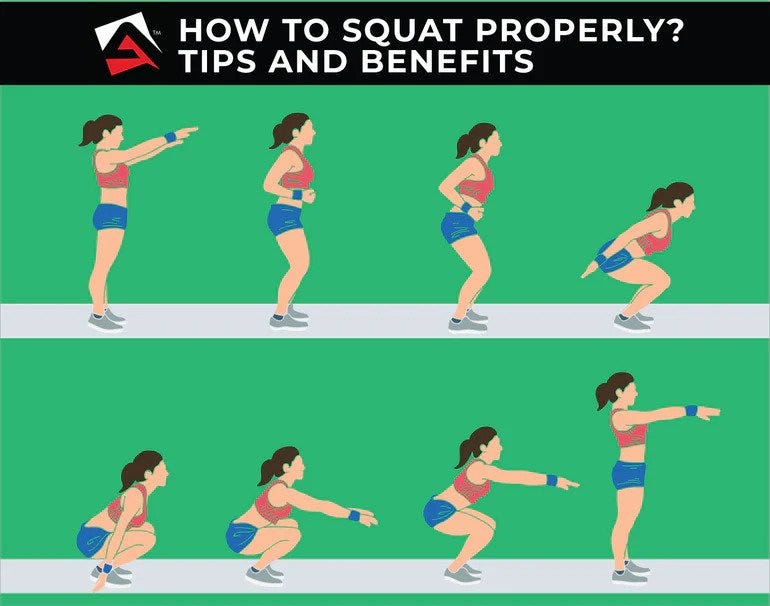
Credit: medium.com
Basic Squat Variations
Mastering basic squat variations is essential for building a strong foundation in your fitness routine. These exercises target multiple muscle groups and improve your overall movement patterns. Starting with simple squat forms helps you develop proper technique and avoid injury.
Bodyweight Squats
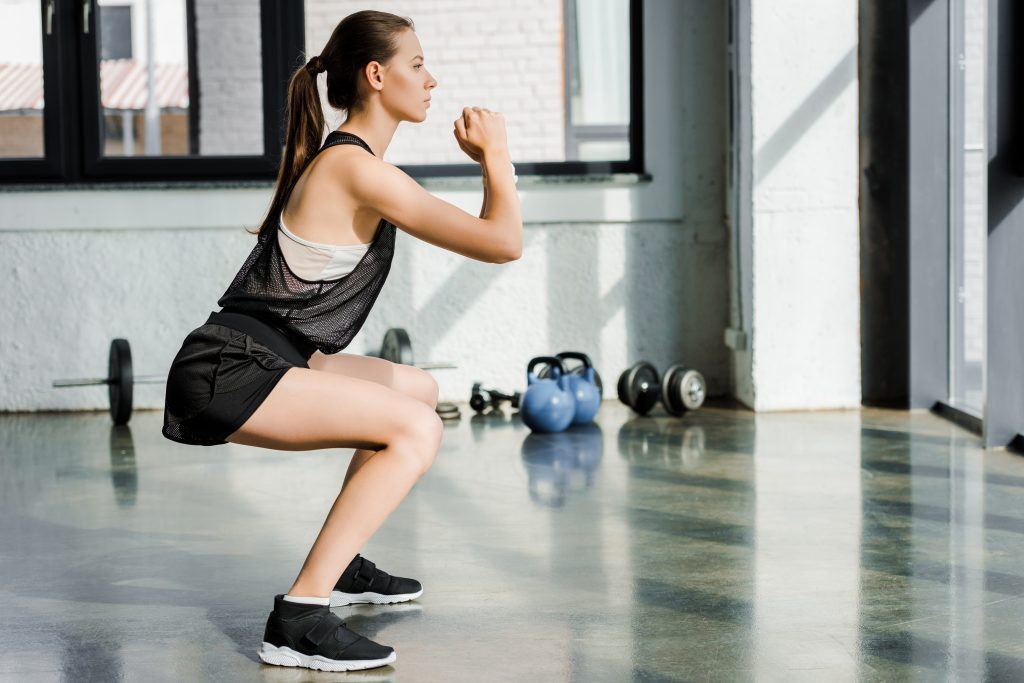
Bodyweight squats are a fantastic way to practice form without adding extra weight. You use only your body’s weight, making it accessible for all fitness levels.
Stand with feet shoulder-width apart, lower your hips back and down, then rise back up. Pay attention to keeping your knees aligned with your toes. How low can you go without losing balance?
Goblet Squats
Goblet squats add a simple weight challenge by holding a dumbbell or kettlebell close to your chest. This helps improve your squat depth and posture.
The weight encourages you to keep your chest up and core tight. Holding the weight this way also engages your arms and shoulders, making it a full-body move.
Air Squats
Air squats are similar to bodyweight squats but often done at a quicker pace or higher reps. They are great for warming up or adding cardio elements to your workout.
Try to maintain good form even as you speed up. Can you keep your squat smooth and controlled while increasing your heart rate?
Weighted Squat Types
Weighted squats add resistance to your workout, making your muscles work harder and grow stronger. They challenge your balance, coordination, and strength in ways bodyweight squats can’t match. Adding weight also helps you break through strength plateaus and boosts overall fitness.
Back Squats
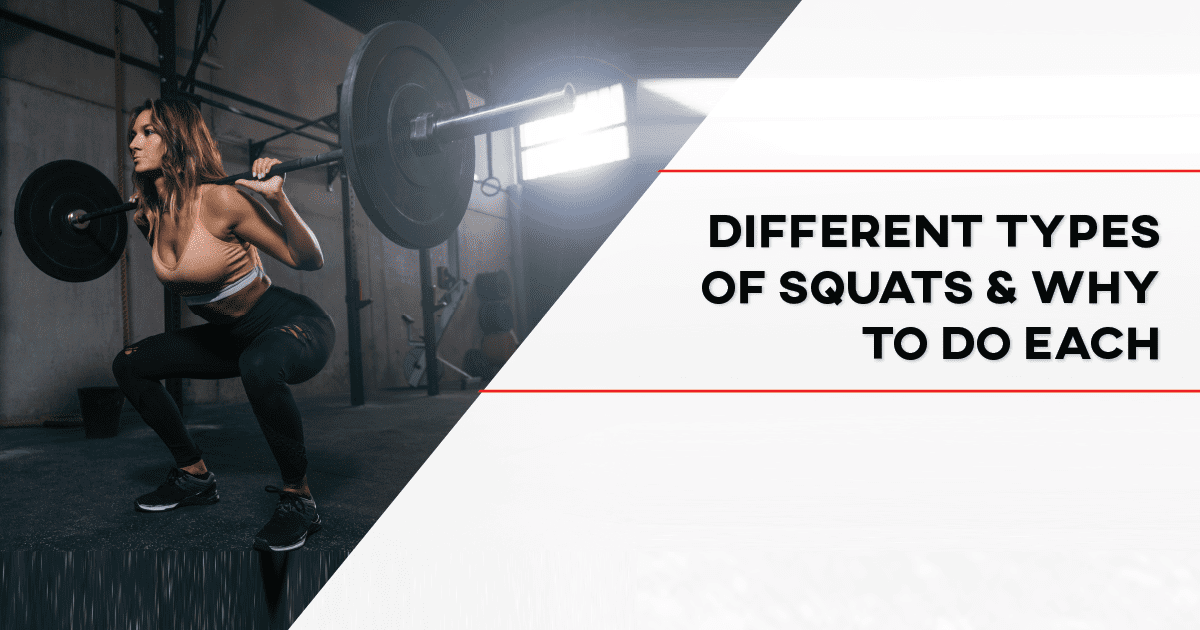
Back squats place the barbell across your upper back, just below the neck. This position allows you to lift heavier weights, targeting your glutes, hamstrings, and quads effectively.
Many lifters find back squats great for building overall lower body strength. However, you need solid core stability and proper form to avoid putting too much pressure on your spine. Have you checked your form in the mirror or with a trainer before adding heavy weight?
Front Squats
Front squats hold the barbell on the front of your shoulders, which shifts the focus more onto your quads and upper back. This position demands more mobility and keeps your torso upright throughout the movement.
If you struggle with lower back pain during back squats, front squats might feel more comfortable. They also improve your posture and core strength by forcing you to stay upright. How often do you challenge your flexibility when squatting?
Overhead Squats
Overhead squats require holding the barbell overhead with fully extended arms while you squat down. This variation tests your shoulder stability, core strength, and flexibility all at once.
This squat type is common in Olympic lifting and functional fitness training. It’s a tough move but can reveal weak points in your body that other squat types might hide. Are you ready to add a full-body challenge to your routine?
Single-leg Squat Options
Single-leg squat exercises challenge your balance, strength, and coordination all at once. They target each leg individually, helping to fix muscle imbalances and improve overall stability. Adding these variations to your routine can boost your leg power and control in ways that regular squats might not.
Pistol Squats
Pistol squats require you to squat down on one leg while the other leg extends straight out in front of you. This move demands strong quads, hamstrings, and core muscles to maintain balance.
Start by holding onto a sturdy surface if you find balance tricky. As you get stronger, try lowering yourself deeper without support. Have you noticed how this move quickly reveals your weaker side?
Bulgarian Split Squats
For Bulgarian split squats, place your back foot on a bench or chair while you squat with the front leg. This setup increases the load on the front leg, enhancing strength and stability.
Keep your chest up and knee tracking over your toes for proper form. You can add dumbbells or a barbell to make it more challenging. This exercise also improves your hip flexibility—something many overlook.
Step-up Squats
Step-up squats combine a stepping motion with a squat, making them functional and versatile. Use a box or sturdy platform to step onto and then squat down on the elevated leg.
This exercise mimics real-life movements like climbing stairs, making it practical for daily activities. Try varying the height of the platform to suit your strength and balance level. How does controlling your movement during the step-up affect your muscles?
Credit: personalsportcoach.ch
Squat Variations For Mobility
Improving your mobility through squats can transform how you move daily and perform other exercises. Different squat variations target flexibility and joint range in unique ways. Choosing the right variation helps you build strength without sacrificing movement quality.
Sissy Squats
Sissy squats focus on strengthening your quads while stretching the ankles and knees. You balance on your toes and lean back, which challenges your control and mobility. This squat variation teaches you to maintain upright posture and improve knee tracking.
Try adding sissy squats to your routine if you notice tightness in your front thighs or limited knee bend. They can feel awkward at first but become easier as your mobility improves. Have you noticed any difference in your knee comfort after including this movement?
Wall Squats
Wall squats help you develop proper squat form and increase hip and ankle mobility. Standing with your back against a wall, you slide down into a squat position while keeping contact with the wall. This setup encourages you to engage your core and maintain alignment.
This variation is excellent for beginners or those recovering from injury. It forces you to control your descent and prevents collapsing forward. What adjustments can you make to your wall squat to reach deeper ranges comfortably?
Box Squats
Box squats teach you to sit back and down, improving hip flexibility and control during the squat. You lower yourself until you gently touch a box or bench, then stand back up. This pause helps you focus on proper depth and balance.
Using a box can reduce strain on your knees by encouraging hip-driven movement. It’s also a great way to build confidence if you struggle with full-depth squats. Which height of box challenges your mobility without causing discomfort?
Common Form Mistakes
Squats are a powerful exercise, but poor form can reduce their benefits and cause injury. Many people make common mistakes during squats. These errors affect knee safety, back health, and overall effectiveness. Learning to avoid these mistakes helps build strength safely and efficiently.
Knee Positioning
Knees should track in line with your toes. Letting knees cave inward puts stress on joints. Avoid pushing knees too far forward past your toes. This reduces stability and increases injury risk. Keep knees steady and aligned for better control.
Back Alignment
Maintain a neutral spine throughout the squat. Rounding or arching your back strains muscles and spine. Engage your core to support your lower back. Keep your chest lifted and shoulders back. This protects your back and improves balance.
Depth Control
Squat depth matters for effectiveness and safety. Going too shallow limits muscle activation. Dropping too low can cause form breakdown. Aim to lower until your thighs are parallel to the floor. Stop if you feel discomfort or lose control.
Credit: theprehabguys.com
Tips To Perfect Your Squat
Perfecting your squat takes more than just bending your knees. Proper technique ensures safety and builds strength effectively. Small changes can improve your form and results.
Focus on key areas like warming up, breathing, and gradually increasing intensity. These tips will help you squat better and avoid injury.
Warm-up Drills
Start with light movements to prepare your muscles. Try leg swings and bodyweight squats to increase blood flow. Warm muscles reduce the risk of strains and improve mobility.
- Perform 5-10 minutes of dynamic stretches.
- Include hip circles and ankle rotations.
- Do 2 sets of 10 bodyweight squats before heavy lifting.
Breathing Techniques
Control your breath to stay stable during squats. Inhale deeply before you lower down. Exhale as you push back up. Proper breathing supports your core and keeps your spine safe.
- Breathe in through your nose on the way down.
- Breathe out through your mouth when standing up.
- Keep your chest lifted and core tight while breathing.
Progressive Overload
Increase squat difficulty slowly to build strength. Add weight or increase reps over time. Avoid jumping to heavy weights too soon.
- Track your progress with a workout journal.
- Add small weight increments weekly or biweekly.
- Focus on good form before lifting heavier loads.
Frequently Asked Questions
What Are The Main Types Of Squat Exercises?
The main squat types include bodyweight, goblet, front, back, sumo, and jump squats. Each targets different muscles and fitness levels.
How Do Different Squats Benefit Muscle Growth?
Different squats emphasize various muscles like quads, glutes, and hamstrings. Varying squat types improves overall strength and muscle balance.
Can Beginners Safely Do All Squat Variations?
Beginners should start with bodyweight and goblet squats. Advanced squats require proper form and strength to avoid injury.
Which Squat Type Improves Athletic Performance Most?
Front and jump squats enhance explosive power and speed. These are ideal for athletes aiming to boost performance.
Conclusion
Squats build strength in your legs and core. Different types target various muscles. Try bodyweight, goblet, or jump squats for variety. Start slow and focus on form. Consistency brings better results over time. Squats improve balance and flexibility too. Choose the type that fits your goals.
Keep your workouts simple and steady. Squats are a great way to stay active and strong.







