
Have you ever wondered if skipping can actually help you build muscle? You might think of skipping as just a fun way to get your heart pumping, but could it do more for your body than you realize?
If you want to know whether this simple exercise can shape your muscles and boost your strength, you’re in the right place. Keep reading to discover the surprising truth about skipping and how it might fit into your muscle-building routine.
How Skipping Affects Muscle Growth
Skipping is often seen as a simple cardio exercise, but it does more than just get your heart pumping. Understanding how skipping affects muscle growth can help you decide if it fits your fitness goals. It combines rhythm, coordination, and muscle engagement in a way that can complement your strength training routine.
Muscle Groups Engaged During Skipping
Skipping works several muscles, especially in your lower body. Your calves take the most load as they push off the ground repeatedly. Your quadriceps and hamstrings also activate to stabilize and control your leg movements.
Don’t forget your glutes—they help with hip extension and balance. Your core muscles stay engaged to maintain posture and coordination. Even your shoulders, forearms, and wrists get a workout from swinging the rope consistently.
Cardio Vs Strength Training Benefits
Skipping is primarily a cardiovascular exercise, boosting your heart and lung health. While it does engage muscles, it doesn’t provide the same resistance that traditional strength training offers for muscle growth.
Strength training focuses on controlled, heavy resistance to cause muscle fibers to grow. Skipping can enhance muscular endurance but won’t significantly increase muscle size by itself. However, adding skipping to your routine can improve your stamina and recovery for weightlifting sessions.
Are you using skipping just for warm-up, or can it become a part of your muscle-building strategy? Balancing cardio and strength workouts might be the key to reaching your fitness goals more effectively.

Credit: www.amazon.ca
Calorie Burn And Muscle Preservation
Skipping rope is often seen as a high-intensity cardio workout, but its effects on calorie burn and muscle preservation deserve a closer look. Understanding these aspects can help you decide how skipping fits into your muscle-building goals. Let’s break down how skipping impacts fat loss and muscle maintenance.
Impact On Fat Loss
Skipping burns a significant number of calories in a short time, making it efficient for fat loss. On average, a 10-minute skipping session can burn around 100-150 calories, depending on your intensity and weight.
This high calorie burn helps reduce body fat, which can make your muscles look more defined. However, too much skipping without proper nutrition might lead to muscle loss if your body starts using muscle tissue for energy.
Are you balancing your skipping routine with enough protein and calories to support muscle growth?
Role In Muscle Maintenance
Skipping primarily engages muscles in your calves, quads, glutes, and shoulders. While it strengthens these areas, it doesn’t provide enough resistance to build large muscle mass.
However, regular skipping can help preserve muscle by promoting blood flow and stimulating muscle fibers. It also enhances endurance and coordination, which can support your overall training.
To maintain muscle while skipping, pair it with strength training and a diet rich in protein. This way, you keep your muscles active without sacrificing growth.
Skipping For Muscle Tone And Endurance
Skipping is more than just a fun childhood activity; it’s a powerful exercise that can shape your muscles and boost endurance. If you’re wondering whether skipping can help you achieve toned muscles and better stamina, the answer lies in how it targets your body. Let’s dive into how skipping specifically enhances muscle tone and builds muscular endurance.
Enhancing Muscle Definition
Skipping activates multiple muscle groups at once, including your calves, quads, hamstrings, and glutes. The constant jumping motion forces these muscles to contract repeatedly, which can improve muscle shape and definition over time.
When you skip regularly, you increase blood flow to your muscles, which helps in muscle recovery and growth. Try mixing up your skipping routine with variations like high knees or double unders to challenge your muscles differently and prevent plateaus.
Have you noticed how your calves feel tighter after a skipping session? That’s muscle tone improving, which often gets overlooked in traditional gym workouts.
Building Muscular Endurance
Muscular endurance is your muscles’ ability to sustain activity without getting tired quickly. Skipping is a fantastic way to build this because it requires continuous, rhythmic movement that pushes your muscles to keep working.
Start with short intervals and gradually increase your skipping time to boost endurance. For example, try skipping for 30 seconds, resting 15 seconds, then repeating. Over weeks, your muscles will adapt to longer periods of activity.
What if you combined skipping with bodyweight exercises like squats or lunges? This combo can further improve your endurance and muscle resilience, making your workouts more effective and engaging.

Credit: www.menshealth.com
Limitations Of Skipping For Muscle Mass
Skipping is a fantastic cardio workout that boosts endurance and burns calories efficiently. However, if your goal is to build significant muscle mass, skipping alone has clear limitations. Understanding these limits can help you plan a more balanced fitness routine that truly supports muscle growth.
Insufficient Resistance For Growth
Muscle growth requires resistance that challenges your muscles beyond their usual capacity. Skipping mainly uses your body weight and relies on repetitive, low-resistance movements. This means your muscles don’t face enough load to create the small tears needed for growth.
Think about lifting weights—you increase the weight progressively to keep your muscles adapting. Skipping lacks that adjustable resistance, so your muscles get used to the motion rather than getting stronger or bigger. Have you noticed your arms or legs getting noticeably bigger just from skipping? Most likely not.
Need For Complementary Strength Workouts
If you want muscle mass, skipping should be just one part of your workout plan. Adding strength exercises like squats, lunges, push-ups, or weightlifting can target muscles more effectively. These exercises provide the overload your muscles need to grow.
Combining skipping with strength training also helps improve your overall fitness and muscle tone. For example, after a skipping session, doing dumbbell curls or resistance band exercises can give your arms a real challenge. Have you tried pairing cardio with weights to see better muscle gains?
Combining Skipping With Strength Training
Combining skipping with strength training can be a game-changer for your muscle-building journey. Skipping adds an intense cardio element that improves endurance and coordination, while strength training focuses on muscle growth and strength. Together, they create a balanced workout that challenges your body in multiple ways.
Effective Workout Routines
Designing a workout routine that blends skipping and strength training requires a strategic approach. Start with a warm-up of 5–10 minutes of skipping to get your heart rate up and muscles ready. Then, move on to strength exercises targeting major muscle groups like squats, deadlifts, and bench presses.
Alternate between skipping intervals and weight sets for a circuit-style workout. For example:
- 2 minutes of skipping
- 10–12 reps of dumbbell squats
- 2 minutes of skipping
- 10–12 reps of push-ups or bench press
- 2 minutes of skipping
- 10–12 reps of deadlifts
This keeps your heart rate elevated while pushing your muscles to grow. Have you tried mixing cardio and weights this way?
Balancing Cardio And Weights
Too much cardio can interfere with muscle gains, but the right balance enhances your results. Skipping helps burn fat and improves muscle definition without eating into your recovery time like long-distance running might.
Try to keep your skipping sessions short and intense—think 10 to 15 minutes max—either before or after your weight training. This approach prevents overtraining and ensures your muscles get the energy and focus they need during strength exercises.
Pay attention to how your body responds. If your muscles feel drained after skipping, consider doing it after your weights or on separate days. What’s your current balance between cardio and lifting?
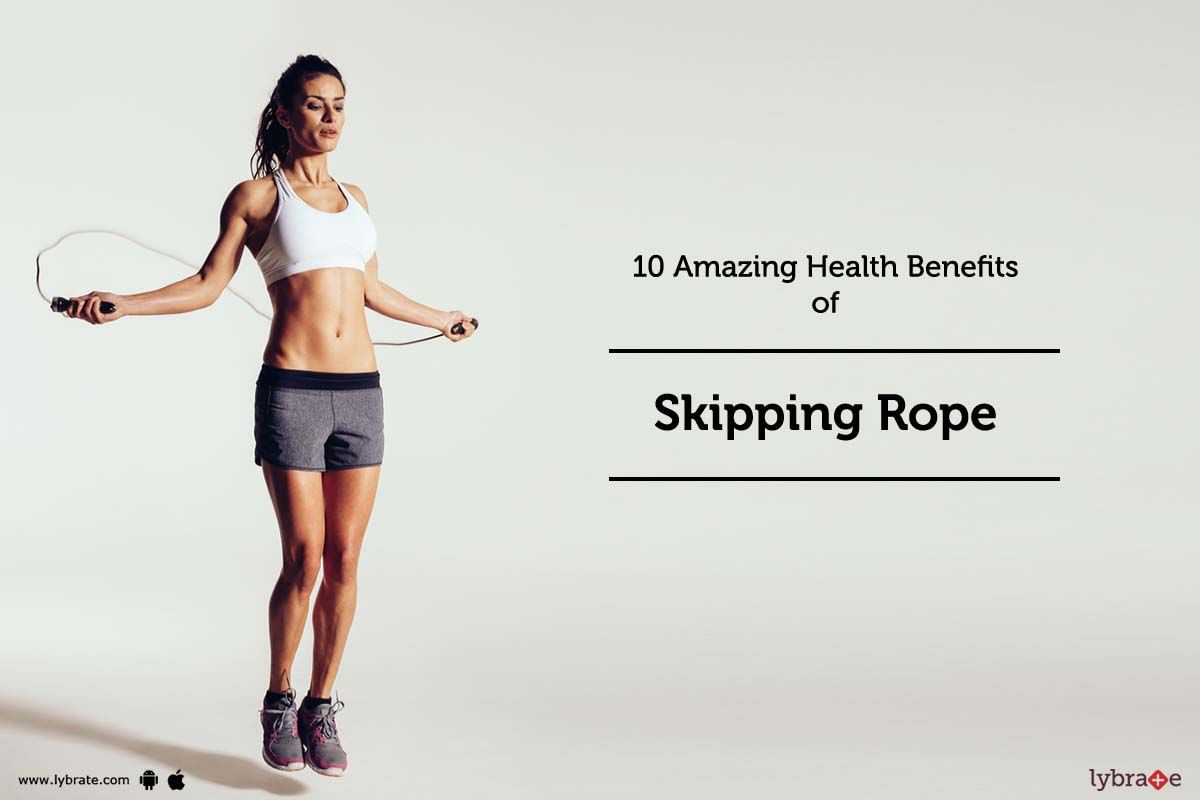
Credit: www.lybrate.com
Tips To Maximize Muscle Gains With Skipping
Skipping can help build muscle if done right. Focus on specific tips to get stronger muscles from skipping. Using correct form and adding variety boosts results. A smart approach turns skipping into a muscle-building tool.
Proper Technique And Intensity
Keep your posture straight and your core tight. Use your wrists to turn the rope, not your arms. Jump just high enough to clear the rope. Land softly on the balls of your feet.
Maintain a steady pace that challenges your muscles. Avoid rushing; control helps muscle engagement. Increase intensity gradually to prevent injury. Consistent effort builds muscle over time.
Incorporating Intervals And Variations
Alternate fast and slow skipping intervals. This improves muscle endurance and strength. Try different jump styles like single-leg jumps or high knees. Variations target various muscle groups.
- Jump rope for 30 seconds, rest for 15 seconds
- Switch between two-foot and one-foot jumps
- Include double unders for power and speed
Mixing intervals and styles keeps muscles adapting and growing. Challenge yourself with new patterns regularly.
Frequently Asked Questions
Can Skipping Increase Muscle Mass?
Skipping primarily boosts cardiovascular fitness but can also enhance muscle tone. It engages various muscle groups, especially in the lower body. While it doesn’t build muscle like weightlifting, it contributes to muscle endurance and definition. For significant muscle growth, incorporate resistance training alongside skipping.
Is Skipping Effective For Muscle Toning?
Yes, skipping effectively tones muscles, particularly in the legs and core. It provides a full-body workout, improving muscle definition. Consistent skipping enhances muscle endurance, strength, and coordination. To maximize toning benefits, combine skipping with strength exercises targeting specific muscle groups.
How Does Skipping Affect Leg Muscles?
Skipping is excellent for strengthening and toning leg muscles. It targets calves, hamstrings, quadriceps, and glutes, enhancing muscle endurance. Regular skipping improves muscle definition and coordination in the legs. For comprehensive leg development, integrate skipping with exercises like squats and lunges.
Does Skipping Replace Strength Training?
Skipping complements but doesn’t replace strength training. It boosts cardiovascular fitness and muscle tone but lacks resistance needed for muscle growth. For effective muscle building, combine skipping with weightlifting or bodyweight exercises. This combination ensures comprehensive fitness and muscle development.
Conclusion
Skipping can help build muscle, but not alone. It works best with strength training and good nutrition. Skipping improves endurance, burns calories, and tones legs. For bigger muscles, add weight exercises like squats or lifts. Consistency matters most in any workout plan.
Stay active, eat well, and rest enough. Your body needs time to grow stronger. Skipping is a great start. Combine it wisely for best muscle gains. Keep moving and enjoy the process.







