
Are you wondering if you should lose weight before building muscle? It’s a common question that can shape how fast and effectively you reach your fitness goals.
The truth is, what you do first can make a big difference in your results. Imagine starting your muscle-building journey with a clear plan that matches your body’s needs. This article will help you decide the best approach for your unique situation, so you don’t waste time or effort.
Keep reading to find out what experts say and how you can get the most out of your workouts.
Benefits Of Losing Weight First
Losing weight before building muscle offers several key benefits. It helps your body prepare better for strength training. Shedding excess fat reveals muscle shape more clearly. It also lowers the strain on your heart and joints. These advantages make muscle building safer and more effective.
Improved Muscle Definition
Fat loss makes muscles more visible. Without excess fat, muscles stand out easily. This boosts motivation and shows progress clearly. Your hard work in the gym becomes noticeable fast. It helps you track muscle growth with ease.
Enhanced Workout Performance
Carrying less weight improves exercise efficiency. Movements become easier and more controlled. You can lift heavier and train longer. This leads to faster muscle gains and strength. Your energy levels stay higher during workouts.
Reduced Health Risks
Lower body fat decreases risk of many diseases. It eases pressure on your heart and lungs. Joints feel less stress, reducing injury chances. Healthier body means better recovery after exercise. You build muscle in a safer, healthier way.
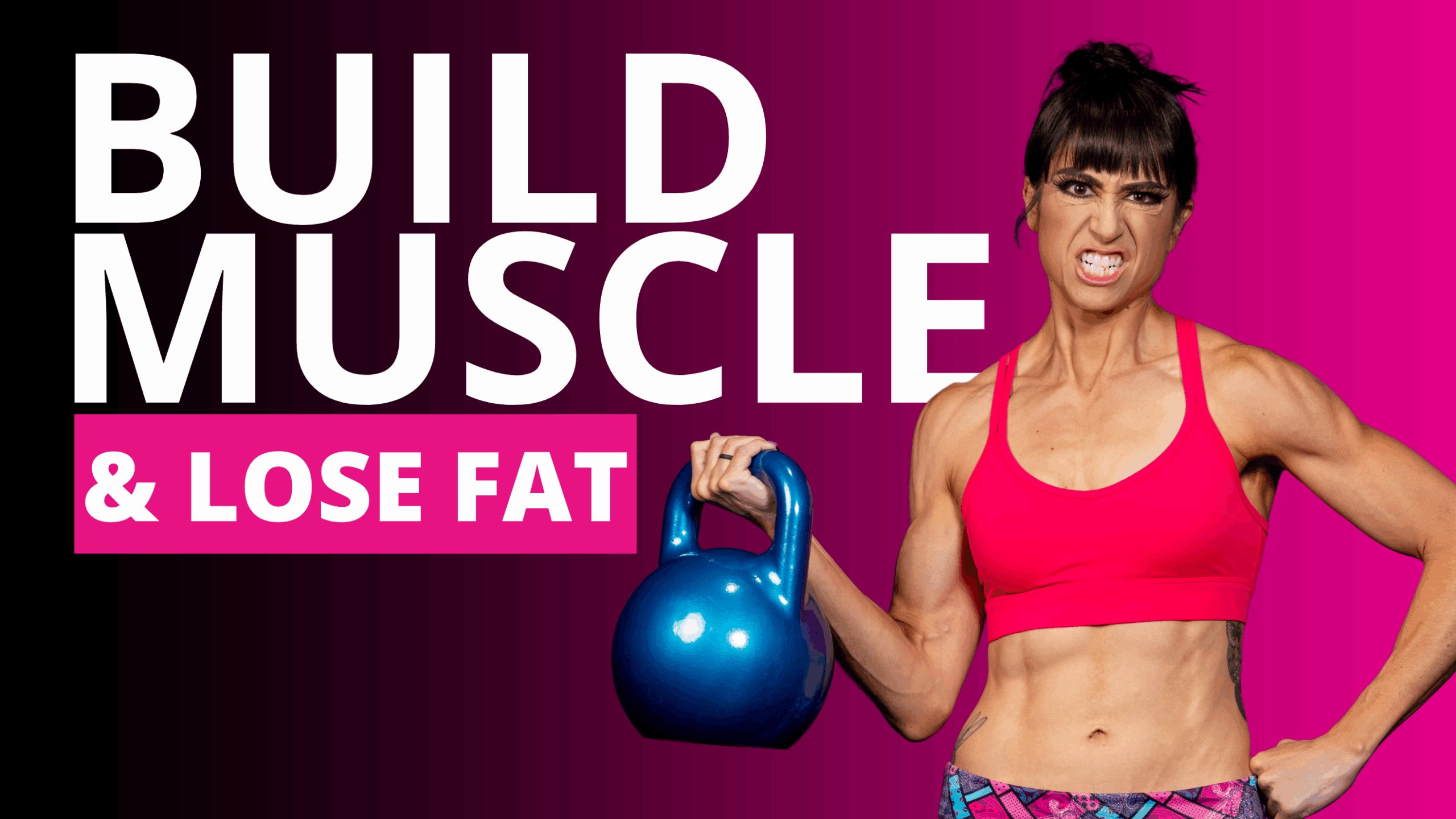
Credit: redefiningstrength.com
Advantages Of Building Muscle First
Choosing to build muscle before losing weight can offer several unique benefits that might surprise you. It changes how your body uses energy and how your progress feels day-to-day. This approach can set a strong foundation for lasting fitness results.
Increased Metabolism
Muscle tissue burns more calories than fat, even when you’re resting. By building muscle first, you raise your metabolic rate naturally. This means your body starts burning more calories throughout the day without extra effort.
Think about this: gaining just a few pounds of muscle can increase your daily calorie burn by hundreds. That makes losing fat later easier and less frustrating. Have you noticed how sometimes diet alone doesn’t speed up your weight loss? Muscle might be the missing piece.
Better Strength Gains
Starting with muscle building helps you develop strength faster because your body isn’t restricted by a calorie deficit. When you eat enough to support muscle growth, your workouts feel more powerful and effective.
This can boost your confidence and motivation. You’ll lift heavier weights and improve your form sooner, which reduces injury risk. Isn’t it more rewarding to see steady progress in strength rather than feeling stuck?
Improved Body Composition
Building muscle changes how your body looks, even if the scale doesn’t move much. Muscle is denser than fat, so your clothes fit better and your shape becomes more defined.
This approach helps you avoid the common pitfall of losing weight but feeling “skinny fat.” Instead, you create a leaner, more toned appearance. Wouldn’t you prefer a body that looks strong and healthy over just a lower number on the scale?
Factors To Consider Before Deciding
Deciding whether to lose weight before building muscle depends on several key factors. Taking time to evaluate your current status and goals helps create a clear plan. Each factor plays a role in determining the best starting point for your fitness journey.
Current Body Fat Percentage
Knowing your body fat percentage gives insight into your health and fitness. Higher body fat may suggest starting with weight loss. Lower body fat might allow you to focus on muscle gain first. Tracking changes over time shows progress and guides adjustments.
Fitness Goals
Your goals shape the approach to weight loss and muscle building. Wanting a leaner look may require losing fat first. Seeking strength and size often means starting with muscle gain. Some goals need a balance of both, requiring a flexible plan.
Lifestyle And Time Commitment
Your daily routine affects how much time you can devote to fitness. Busy schedules might limit intense workouts needed for muscle gain. Consistent effort is crucial for both losing weight and building muscle. Choose a plan that fits your lifestyle to stay motivated and avoid burnout.
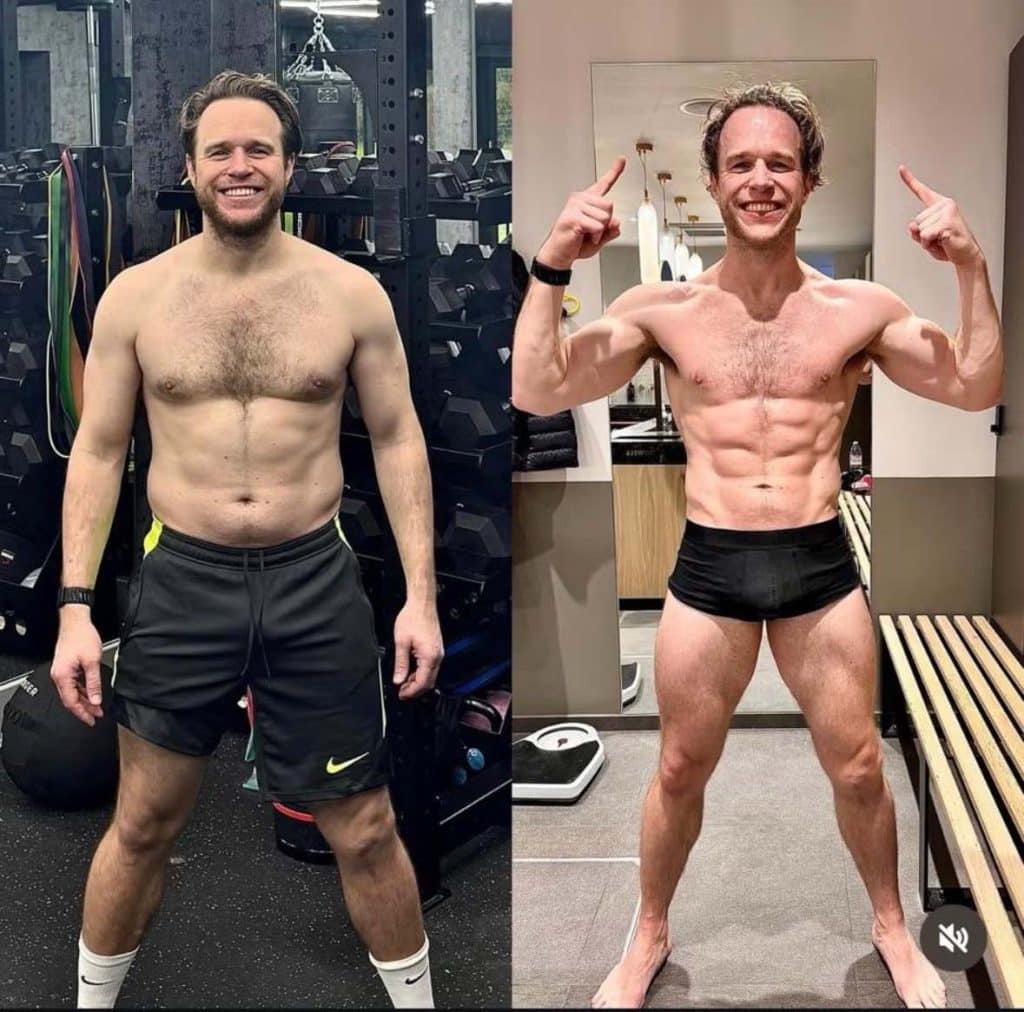
Credit: bonytobeastly.com
Effective Strategies For Losing Weight
Losing weight effectively requires a clear plan that fits your lifestyle and goals. It’s not just about eating less or moving more; it’s about making smart choices that your body can sustain over time. Let’s look at practical strategies that help you shed pounds without losing energy or motivation.
Calorie Deficit Nutrition
Creating a calorie deficit means consuming fewer calories than your body burns. This doesn’t mean starving yourself—it means eating the right amount of food that fuels your day but still puts you in a slight deficit.
Focus on nutrient-dense foods like lean proteins, vegetables, and whole grains. These keep you full longer and help maintain muscle mass while you lose fat. Have you ever tried tracking your meals for a week? You might be surprised how many hidden calories sneak in.
Cardiovascular Exercise Tips
Cardio is a powerful tool to burn calories and improve heart health. But not all cardio is equal—mixing different types can keep your workouts interesting and effective.
- Try high-intensity interval training (HIIT) to burn more fat in less time.
- Steady-state cardio like brisk walking or cycling helps build endurance and burns fat steadily.
- Listen to your body; rest days are just as important to avoid burnout.
Do you notice how your energy changes after different cardio sessions? Use that insight to tailor your routine.
Tracking Progress
Keeping track of your progress helps you stay motivated and make adjustments when needed. Use simple tools like a food diary, fitness apps, or a journal to log meals, workouts, and how you feel each day.
Measure more than just weight—take note of body measurements, how your clothes fit, and your energy levels. Sometimes the scale doesn’t tell the full story.
What small win can you celebrate today that shows you’re moving closer to your goal?
Muscle Building Techniques
Building muscle demands more than just lifting weights. It requires a mix of smart training, proper nutrition, and enough rest. Understanding effective muscle building techniques can help you decide whether you should focus on losing weight first or start building muscle right away.
Strength Training Basics
Strength training is the core of muscle building. Focus on compound movements like squats, deadlifts, and bench presses because they work multiple muscle groups at once. These exercises stimulate more muscle fibers, helping you build strength faster.
Start with weights you can lift for 8-12 reps with good form. If you can easily do more, increase the weight. Progressively challenging your muscles is key to growth.
Protein Intake Guidelines
Protein is your muscle’s best friend. Aim for around 1.6 to 2.2 grams of protein per kilogram of your body weight each day to support muscle repair and growth. This means if you weigh 70 kg, you should consume between 112 and 154 grams of protein daily.
Don’t just rely on shakes—eat whole foods like chicken, eggs, fish, and legumes. Spreading protein intake evenly throughout the day helps your muscles recover better.
Recovery And Rest
Muscles don’t grow while you train—they grow while you rest. Skipping rest days or not getting enough sleep can stall your progress. Aim for 7-9 hours of quality sleep and take at least one full rest day per week.
Active recovery, like light walking or stretching, can also help reduce soreness and improve blood flow. Ask yourself: Are you giving your muscles enough time to rebuild before hitting the gym again?
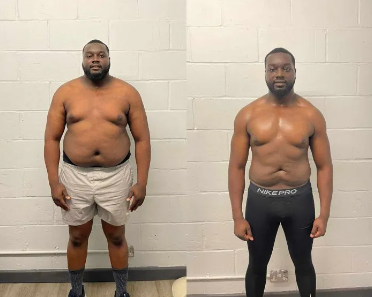
Credit: medium.com
Combining Fat Loss And Muscle Gain
Combining fat loss and muscle gain is a common goal for many fitness enthusiasts. It can be tricky because the body needs different conditions to lose fat and to build muscle. Fat loss requires a calorie deficit, while muscle gain needs extra calories and nutrients. Despite this, the two goals can happen together with the right approach. This process is called body recomposition.
Body Recomposition Approach
Body recomposition means losing fat and building muscle at the same time. It works best for beginners or those returning after a break. The body uses stored fat for energy while building new muscle tissue. This approach needs careful planning of diet and training. Changes are usually slower than focusing on just one goal. Patience and consistency are key.
Balancing Diet And Training
Diet plays a big role in combining fat loss and muscle gain. Eating enough protein helps protect muscles during fat loss. A slight calorie deficit supports fat loss without starving muscles. Strength training is essential to stimulate muscle growth. Combining resistance exercises with some cardio helps burn fat. Regularly adjusting food and workouts keeps progress steady.
Common Challenges
Many face challenges during body recomposition. Progress can be slow, which may cause frustration. Tracking food intake and workouts requires discipline. Muscle soreness and fatigue might increase due to intense training. Plateaus often occur and need strategy changes. Support from coaches or communities can help overcome these hurdles.
Avoiding Common Mistakes
Avoiding common mistakes helps you reach your fitness goals faster. Many people struggle by pushing too hard or missing key steps. Understanding what to watch for can save time and frustration. Focus on balanced effort and smart choices to build muscle safely while losing weight.
Overtraining Risks
Training too much can harm your progress. Muscles need rest to grow and recover. Overtraining causes fatigue, injury, and weaker muscles. Schedule rest days and listen to your body’s signals. Quality beats quantity in workouts.
Neglecting Nutrition
Good nutrition fuels muscle growth and weight loss. Skipping meals or eating poorly slows results. Protein is essential for building muscle. Carbohydrates provide energy for workouts. Balanced meals with vitamins and minerals support recovery.
Unrealistic Expectations
Expecting fast results leads to disappointment. Muscle building and fat loss take time. Set small, clear goals to stay motivated. Celebrate progress, not perfection. Patience and consistency bring lasting change.
Tracking Success And Adjusting Plans
Tracking success is key to knowing if your weight loss or muscle-building plan works. Regular checks help spot progress and challenges early. Adjusting your plan keeps you on track and motivated. Focus on clear, simple ways to measure and change your routine.
Using Measurements And Photos
Take body measurements with a tape measure every few weeks. Measure waist, hips, chest, arms, and legs. Use the same spots each time for accuracy. Photos show visual progress that scales might miss. Take pictures from front, side, and back in good light. Compare over time to see muscle growth or fat loss.
Adjusting Workouts
Change exercises if progress slows or goals shift. Add weights or increase reps to build muscle. Include cardio to help burn fat if losing weight first. Rest days are important for muscle recovery. Listen to your body to avoid injury. Adjust intensity based on energy levels and progress.
Reassessing Goals
Check if your goals still fit your lifestyle and desires. Set new targets if you gain muscle or lose weight faster than planned. Break large goals into smaller, manageable steps. Celebrate small wins to stay motivated. Keep your goals clear and flexible for best results.
Frequently Asked Questions
Should I Lose Weight Before Gaining Muscle?
It depends on your goals and body type. Losing weight first can improve muscle definition. However, some prefer to gain muscle and lose fat simultaneously. Assessing your body composition and consulting a fitness expert can help determine the best approach for you.
Can I Build Muscle And Lose Fat Together?
Yes, it is possible to build muscle and lose fat simultaneously. This process, known as body recomposition, requires a well-balanced diet and strength training. Focus on consuming enough protein and maintaining a calorie deficit. Consistency and patience are key to achieving effective results.
What Diet Helps Lose Fat And Gain Muscle?
A balanced diet with high protein supports muscle gain and fat loss. Prioritize lean proteins, whole grains, fruits, and vegetables. Healthy fats like avocados and nuts are beneficial. Avoid processed foods and sugary drinks. Staying hydrated and consuming enough calories supports your fitness goals.
How Does Strength Training Affect Weight Loss?
Strength training boosts metabolism and burns calories, aiding weight loss. It increases lean muscle mass, enhancing calorie burn even at rest. Incorporating compound exercises maximizes benefits. Consistent strength training, combined with a healthy diet, supports effective weight management and muscle growth.
Conclusion
Deciding whether to lose weight before building muscle depends on your goals. Focus on what feels right for your body. Some people prefer to slim down first for better muscle definition. Others like to build strength and muscle even with extra weight.
Both ways can work well with the right plan. Stay consistent with your workouts and diet. Listen to your body’s needs and progress. Your health and confidence matter most in this journey. Take small steps and enjoy the process. Keep moving forward, no matter your choice.







