
If you want to build muscle, knowing how many carbs to eat each day is key. Carbs are your body’s main fuel, helping you power through workouts and recover faster.
But eat too little, and you may feel weak; eat too much, and you risk gaining unwanted fat. So, what’s the right amount for your muscle-building goals? You’ll discover exactly how to balance your carb intake to maximize muscle growth without slowing down progress.
Keep reading to unlock the carb strategy that works best for you.
Role Of Carbs In Muscle Growth
Carbohydrates play a crucial role in building muscle. They serve as the body’s main source of energy. Without enough carbs, workouts become harder and muscle growth slows. Eating the right amount of carbs supports strength, stamina, and recovery. Understanding how carbs affect muscle growth helps you plan meals better.
Energy Source For Workouts
Carbs provide quick energy for intense workouts. Muscles use glycogen, stored from carbs, as fuel. Low glycogen means less power and early fatigue. Eating carbs before exercise keeps energy high and helps you train harder. This boosts muscle growth by allowing more reps and weight.
Carbs And Protein Interaction
Carbs help protein work better for muscle repair. Insulin, released after eating carbs, carries amino acids into muscles. This process helps build new muscle tissue faster. Without enough carbs, protein cannot fully repair or grow muscles. Combining carbs and protein improves muscle gains.
Impact On Recovery
Carbs speed up recovery after workouts. They refill glycogen stores used during exercise. Faster glycogen replacement reduces muscle soreness and fatigue. Eating carbs post-workout prepares muscles for the next session. Recovery improves when carbs are part of your diet.

Credit: jeffnippard.com
Daily Carb Needs For Muscle Gain
Carbohydrates play a key role in building muscle. They fuel workouts and help muscles recover. Knowing daily carb needs supports muscle growth and energy. This section explains how to find the right carb amount for muscle gain.
Factors Influencing Carb Intake
Several factors change how many carbs you need daily. Body size affects carb needs. Larger bodies burn more energy and need more carbs. Age matters too. Younger people often use more energy during muscle building.
Gender also plays a role. Men generally require more carbs than women. Training intensity impacts carb needs. Harder workouts use more energy, increasing carb demand. Goals matter as well. Muscle gain needs more carbs than fat loss.
Calculating Carb Requirements
Start with body weight to calculate carb intake. A common guideline is 3 to 7 grams of carbs per kilogram of body weight. For example, a 70 kg person may need 210 to 490 grams of carbs daily. Use the lower range for light training days and higher for intense days.
Track your progress and adjust carbs if muscle gain slows. Balancing carbs with proteins and fats is essential for best results.
Adjusting For Activity Levels
Activity level strongly influences daily carb needs. Sedentary days require fewer carbs. Rest days might need only 3 grams per kilogram. Training days demand more carbs for energy and recovery. Intense workouts could require 5 to 7 grams per kilogram.
Listen to your body. Feeling tired or weak may mean increasing carb intake. More carbs help maintain strength and support muscle repair. Adjust carbs based on how active each day is to optimize muscle growth.
Types Of Carbs To Focus On
Choosing the right types of carbohydrates can make a big difference when you’re working on building muscle. Not all carbs are equal, and focusing on the best kinds can help fuel your workouts and speed up recovery. Let’s look at how different carbs affect your muscle growth and how to use them effectively.
Complex Vs Simple Carbs
Complex carbs break down slowly, providing steady energy over time. Think whole grains, beans, and vegetables—they keep your blood sugar stable and help you avoid energy crashes during workouts.
Simple carbs digest quickly and give you a fast energy boost. These include fruits, honey, and sugary snacks. While simple carbs aren’t ideal all the time, they can be useful right after training to replenish glycogen stores quickly.
Best Carb Sources For Muscle Building
- Oats:Packed with fiber and keep you full longer.
- Brown rice:Provides sustained energy and important nutrients.
- Sweet potatoes:Rich in vitamins and antioxidants.
- Quinoa:Offers protein along with carbs, a double win.
- Fruits like bananas and berries:Great for quick energy and recovery.
Choosing whole, minimally processed carbs helps you get more nutrients and better muscle fuel. Have you noticed how your energy lasts longer when you eat whole foods versus processed snacks?
Timing Carb Intake
When you eat carbs can be just as important as what you eat. Consuming complex carbs before your workout can keep your energy levels steady and improve performance.
After training, your muscles are primed to absorb carbs quickly. Simple carbs here can speed up recovery by refilling glycogen stores fast. Pairing them with protein enhances muscle repair.
Try planning your meals so you have carbs spaced throughout the day to keep energy consistent. How do you currently time your carb intake around workouts? Adjusting this might give you a noticeable boost in muscle gains.
Carb Cycling For Gains
Carb cycling is a strategic way to manage carbohydrate intake for muscle growth. It involves changing carb amounts daily to match workout needs and recovery. This method supports muscle gains while controlling body fat.
What Is Carb Cycling?
Carb cycling means alternating high, moderate, and low carb days. High carb days fuel intense training and muscle repair. Low carb days help reduce fat and improve insulin sensitivity. Moderate days maintain energy balance and recovery. This pattern helps the body use carbs efficiently.
Benefits For Muscle Growth
- Enhances muscle glycogen stores for better workouts
- Improves recovery by providing carbs when needed most
- Supports fat loss by limiting carbs on rest days
- Balances hormones like insulin, aiding muscle building
- Prevents plateaus by varying carb intake regularly
Sample Carb Cycling Plan
| Day | Carb Intake | Purpose |
|---|---|---|
| Monday | High (3-4 g per lb body weight) | Heavy training day for muscle energy |
| Tuesday | Moderate (1.5-2 g per lb body weight) | Light training or cardio day |
| Wednesday | Low (0.5-1 g per lb body weight) | Rest day to promote fat burning |
| Thursday | High (3-4 g per lb body weight) | Strength training day |
| Friday | Moderate (1.5-2 g per lb body weight) | Active recovery or light training |
| Saturday | Low (0.5-1 g per lb body weight) | Rest day |
| Sunday | Moderate (1.5-2 g per lb body weight) | Preparation for next week |
Balancing Carbs With Other Nutrients
Balancing carbohydrates with other nutrients is essential for effective muscle building. Carbs provide energy, but proteins and fats play crucial roles too. A good balance helps your body repair muscles and stay fueled. Ignoring other nutrients can slow progress or cause fatigue. Understanding how to combine carbs with proteins, fats, and micronutrients improves muscle growth and overall health.
Protein And Fat Ratios
Proteins are the building blocks of muscle. Eating enough protein supports muscle repair and growth. Fats provide long-lasting energy and help absorb vitamins. A typical ratio for muscle building might be:
- Carbohydrates: 45-55% of daily calories
- Protein: 25-35% of daily calories
- Fats: 15-25% of daily calories
This balance keeps energy levels steady and supports muscle recovery. Adjust ratios based on activity and personal needs.
Micronutrients Role
Vitamins and minerals are vital for muscle function. They support energy production and muscle contraction. Key micronutrients include:
- Magnesium – helps muscle relaxation
- Iron – supports oxygen delivery
- Vitamin D – aids muscle strength
- Calcium – important for muscle movement
Eating a variety of fruits and vegetables ensures you get enough micronutrients. This supports overall muscle health.
Hydration And Carb Metabolism
Water is crucial for breaking down carbohydrates into energy. Proper hydration helps transport nutrients to muscles. Dehydration can reduce muscle strength and delay recovery. Drinking enough water improves carb metabolism and workout performance. Aim to drink water before, during, and after exercise for best results.
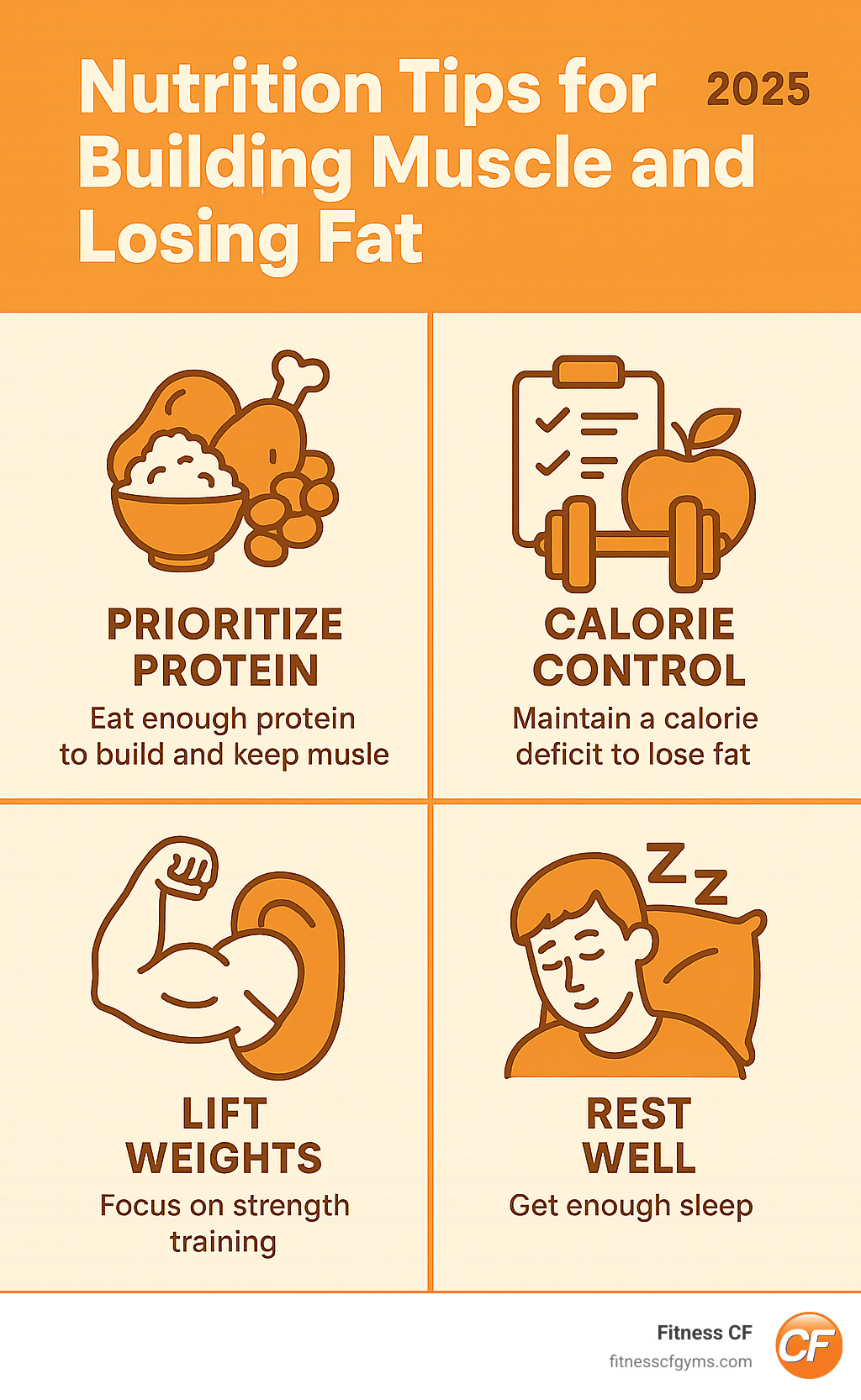
Credit: fitnesscfgyms.com
Common Mistakes And How To Avoid Them
Many people make mistakes with carbs while trying to build muscle. These errors can slow progress or cause unwanted fat gain. Knowing what to avoid helps keep your plan effective.
Overeating Carbs
Eating too many carbs can lead to fat storage, not muscle. Excess carbs turn into fat if your body does not burn them. Track your carb intake to match your activity level. Avoid large carb meals late at night. Balance carbs with protein and fats for steady energy.
Ignoring Quality
Not all carbs are equal. Choose whole grains, fruits, and vegetables over sugary snacks. High-quality carbs provide vitamins, minerals, and fiber. These help muscle recovery and keep you full longer. Avoid refined carbs that cause blood sugar spikes and crashes.
Neglecting Individual Needs
Everyone’s body responds differently to carbs. Factors like age, weight, and workout intensity matter. Adjust carb intake based on how your body feels and performs. Listen to hunger signals and energy levels. Personalize your diet instead of copying others.
Tracking Progress And Adjusting Intake
Tracking your progress and adjusting your carb intake is essential when building muscle. Your body’s needs change as you gain strength and muscle mass. Paying close attention to how your body responds helps you fine-tune your diet for the best results.
Monitoring Muscle Gains
Keep a record of your muscle growth by measuring key areas like your arms, chest, and legs every few weeks. Take progress photos to visually track changes that might not show on the scale. Tracking strength improvements in the gym also gives clues about muscle development.
Don’t rely solely on the scale; muscle weighs more than fat. If your strength is increasing but your weight stays the same, you’re likely gaining muscle and losing fat. This is a good sign your carb intake is supporting muscle growth effectively.
Using Feedback For Changes
Listen to your body’s signals. Feeling constantly tired or lacking energy during workouts might mean your carbs are too low. On the other hand, if you’re gaining fat instead of muscle, your carb intake might be too high.
Track how you feel throughout the day, especially around your workouts. Adjust your carbs based on energy levels and recovery speed. Small tweaks can make a big difference in how your body responds.
When To Increase Or Decrease Carbs
- Increase carbsif your workouts feel sluggish or you’re not gaining muscle despite consistent training.
- Decrease carbsif you notice unwanted fat gain or if your energy is high but your weight is increasing rapidly.
- Adjust carbs gradually, changing intake by about 10-15% at a time to avoid shocking your system.
Have you ever tried adjusting your carb intake and noticed a clear change in your muscle growth or energy? Using your progress data to guide your nutrition can be a game changer for muscle building.

Credit: betterhumans.pub
Frequently Asked Questions
How Many Carbs Do I Need To Build Muscle?
To build muscle, consume 3 to 5 grams of carbs per kilogram of body weight. Carbohydrates provide energy for workouts and aid recovery. Focus on complex carbs like whole grains, fruits, and vegetables. Adjust intake based on your activity level and goals.
Are Low-carb Diets Effective For Muscle Building?
Low-carb diets can hinder muscle building due to reduced energy levels. Carbs are essential for fueling workouts and recovery. While protein is crucial, carbs support performance and muscle growth. Consider a balanced diet with adequate carbs for optimal results.
What Are The Best Carbs For Muscle Growth?
Complex carbs are best for muscle growth, as they provide sustained energy. Include foods like brown rice, oats, sweet potatoes, and quinoa. These carbs support workouts and recovery, aiding muscle development. Avoid simple sugars, which can cause energy spikes and crashes.
Can I Build Muscle Without Eating Carbs?
Building muscle without carbs is challenging due to limited energy availability. Carbs are crucial for workout performance and recovery. While it’s possible, expect slower progress. For optimal muscle growth, include a balanced intake of carbs, protein, and fats.
Conclusion
Carbohydrates fuel your workouts and help muscles grow. Eating the right amount supports energy and recovery. Too few carbs can slow progress and tire you out. Too many can add unwanted fat. Aim for balanced meals with protein and healthy fats too.
Track your intake and adjust as you gain strength. Stay consistent and patient for best results. Your body needs carbs to build muscle well. Keep it simple and listen to your hunger cues.







