
Are you ready to embrace a new way to stay active and improve your well-being? If you’ve been searching for a gentle yet effective way to enhance your physical and mental health, beginners yoga for seniors might just be your perfect match.
Imagine feeling more energized, flexible, and relaxed, all while enjoying a practice designed with your needs in mind. You don’t need to be a fitness expert to start; all you need is a willingness to try something new and the curiosity to explore its benefits.
Dive into this guide to discover how yoga can transform your daily life, offering peace and vitality at every turn. Ready to find out how? Let’s get started!

Credit: www.youtube.com
Benefits Of Yoga For Seniors
Yoga offers many benefits for seniors, supporting both body and mind. It helps maintain strength, balance, and flexibility. The gentle movements suit older adults and improve overall well-being. Yoga also promotes relaxation and reduces stress, which enhances quality of life. Here are some key benefits of yoga for seniors.
Improving Flexibility And Balance
Yoga gently stretches muscles and joints, increasing flexibility. Better flexibility helps seniors move more easily and with less pain. Yoga also enhances balance, reducing the risk of falls. Improved balance supports daily activities and independence.
Enhancing Joint Health
Many yoga poses encourage joint movement without strain. This helps keep joints lubricated and reduces stiffness. Regular yoga can ease arthritis symptoms and improve mobility. Stronger muscles around joints provide better support and stability.
Reducing Stress And Anxiety
Yoga focuses on breathing and mindfulness, calming the mind. This reduces stress, anxiety, and feelings of tension. Relaxation from yoga improves sleep and mood. A peaceful mind supports overall mental health and well-being.

Credit: www.amazon.ca
Preparing For Yoga Practice
Preparing for yoga practice is an essential step, especially for seniors who are new to this gentle form of exercise. Setting yourself up properly can make your experience safer and more enjoyable. Taking time to prepare helps you feel confident and ready to focus on each pose and breath.
Choosing The Right Environment
Your surroundings can greatly affect your yoga practice. Choose a quiet, comfortable space with enough room to stretch without bumping into furniture. Natural light and fresh air can make your practice more refreshing and calming.
Think about the temperature too. A room that’s too cold or too hot can distract you or make poses harder. Soft background music or nature sounds might help you relax, but make sure it doesn’t disturb your concentration.
Essential Props And Equipment
Using the right props can support your body and prevent strain. A good yoga mat with enough cushioning protects your joints and prevents slipping.
- Blocks can help you reach the floor or hold poses comfortably.
- Straps assist with stretching tight muscles safely.
- A sturdy chair offers extra support for balance or seated poses.
These simple tools can make poses accessible even if you have limited flexibility or mobility. Have you tried adding a block or strap to your practice yet?
Safety Tips For Beginners
Safety is key when starting yoga at any age. Always listen to your body and avoid pushing into pain. Move slowly between poses to prevent dizziness or injury.
It’s important to warm up gently and cool down after each session. If you have any health conditions, check with your doctor before beginning yoga. Also, consider joining a beginner’s class or following videos designed specifically for seniors to ensure proper technique.
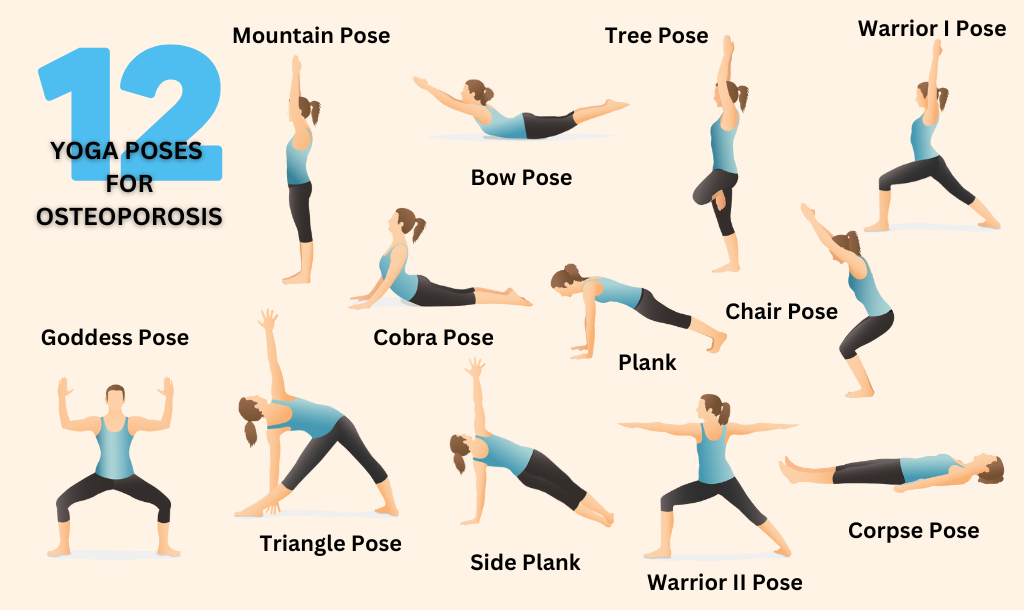
Easy Yoga Poses To Start With
Starting yoga can feel simple and rewarding with gentle poses. These easy yoga poses help seniors build strength, improve balance, and relax muscles. They are safe and suitable for beginners, focusing on comfort and ease.
Try these poses regularly to enjoy better flexibility and calmness. Each pose supports gentle movement and mindful breathing, perfect for easing into yoga practice.
Seated Cat-cow Stretch
This pose improves spine mobility and releases tension. Sit on a chair with feet flat on the floor. Inhale and arch your back, lifting the chest and looking up.
Exhale and round the spine, tucking the chin toward the chest. Repeat slowly, syncing breath with movement. It helps with posture and reduces back stiffness.
Standing Mountain Pose
Stand tall with feet hip-width apart. Spread your toes and feel grounded. Engage your leg muscles and lift your chest gently.
Relax your shoulders down and breathe deeply. This pose builds balance and promotes proper alignment. Hold it steady for a few breaths.
Child’s Pose For Relaxation
Kneel on the floor and sit back on your heels. Extend your arms forward and lower your forehead to the ground. Breathe deeply and feel your back stretch gently.
This pose calms the mind and relieves tension in the back and shoulders. Stay here for as long as comfortable.
Gentle Forward Bend
Stand with feet hip-width apart. Slowly bend forward from the hips, letting your arms hang down. Keep a slight bend in your knees if needed.
Relax your neck and breathe deeply. This stretch helps release tension in the back and hamstrings. Rise slowly to avoid dizziness.
Supported Bridge Pose
Lie on your back with knees bent and feet flat on the floor. Place a cushion or block under your lower back for support. Lift your hips gently toward the ceiling.
Keep your arms by your sides and breathe deeply. This pose strengthens the back and opens the chest. Hold it comfortably and lower slowly.
Credit: myyogateacher.com
Breathing Techniques For Seniors
Breathing techniques are essential for seniors practicing yoga. They help improve lung capacity and calm the mind. Simple breathing exercises make yoga safer and more enjoyable. These techniques support gentle movement and increase focus. Learning to breathe correctly can reduce stress and boost energy levels.
Basic Deep Breathing
Basic deep breathing helps seniors relax and increase oxygen intake. Sit comfortably and breathe in slowly through the nose. Fill your lungs completely. Hold the breath for a moment, then breathe out slowly through the mouth. Repeat this process for several breaths. Deep breathing lowers heart rate and eases tension.
Alternate Nostril Breathing
Alternate nostril breathing balances the body and mind. Use your right thumb to close the right nostril. Inhale slowly through the left nostril. Close the left nostril with your ring finger and release the right nostril. Exhale through the right nostril. Inhale through the right nostril, then switch to exhale through the left. This pattern calms the nervous system and improves focus.
Breath Awareness During Poses
Focus on your breath while holding yoga poses. Breathe smoothly and evenly to stay relaxed. Use your breath to guide gentle movements. Inhale to lengthen the body, exhale to deepen the stretch. Breath awareness helps prevent strain and keeps the mind present. This simple practice supports balance and stability.
Creating A Simple Routine
Creating a simple yoga routine tailored for seniors makes the practice approachable and enjoyable. It helps build confidence while supporting gradual improvement in strength and flexibility. The key is to keep the routine manageable and focused on consistency rather than intensity.
Daily Practice Tips
Start with just 10 to 15 minutes each day to avoid overwhelming your body. Choose a quiet spot where you feel comfortable and free from distractions. Use a yoga mat or a non-slip surface to ensure stability and safety.
Listen to your body carefully and adjust poses as needed. If something feels uncomfortable, modify the movement or take a break. You don’t need to push hard; gentle, steady practice brings lasting benefits.
Combining Poses For Flexibility
Linking simple poses helps improve your range of motion gradually. For example, pair seated forward bends with gentle spinal twists to stretch different muscle groups. Moving smoothly from one pose to another keeps your body engaged without strain.
- Start with easy stretches like neck rolls and shoulder shrugs
- Add standing poses such as tree pose for balance
- Finish with calming poses like child’s pose to relax muscles
Have you noticed how combining just a few poses can make your body feel more open and less stiff? This approach saves time and creates a satisfying flow.
Tracking Progress Safely
Keeping track of your yoga journey helps you stay motivated and spot improvements. Use a simple journal or app to note how you feel before and after practice. Record which poses feel easier and any new challenges.
Focus on small wins, like holding a pose a few seconds longer or breathing more deeply. Avoid comparing yourself to others; your progress is unique. Safety comes first, so always honor your body’s signals and avoid pushing into pain.
Modifications And Alternatives
Yoga offers incredible benefits for seniors, but it’s important to adapt poses to fit your unique needs. Modifications and alternatives help you stay comfortable and safe while enjoying the practice. These adjustments make yoga accessible, even if you face mobility challenges or balance concerns.
Using Chairs And Supports
Chairs and supports can transform your yoga experience. Sitting on a sturdy chair during poses like seated twists or supported stretches helps maintain balance and reduces strain.
Props like yoga blocks, straps, or cushions offer extra stability and comfort. I once helped a senior who couldn’t stand for long; using a chair allowed her to participate fully and feel confident.
Have you tried adding a chair to your routine? It might be the key to practicing safely without giving up poses you love.
Adjusting Poses For Mobility Issues
Not every pose fits all bodies, especially if joints or muscles feel stiff. Modify by reducing the range of motion or skipping poses that cause discomfort.
Simple changes like bending knees more in standing poses or resting hands on hips instead of reaching can ease strain. Focus on slow, gentle movements that honor your body’s limits.
Listen to your body’s signals—pain isn’t progress. Could adjusting a pose help you stay active without discomfort?
When To Seek Professional Guidance
Some conditions need expert advice before you start yoga. If you have severe arthritis, osteoporosis, or recent surgeries, consult a doctor or certified yoga therapist.
A professional can tailor poses to your health needs and prevent injury. They can also teach you safe breathing techniques and alignment cues.
Are you unsure about which poses are right for you? A session with a specialist could make your practice more effective and enjoyable.
Frequently Asked Questions
What Are The Best Yoga Poses For Seniors Beginners?
Gentle poses like Cat-Cow, Mountain Pose, and Seated Forward Bend suit seniors. These improve flexibility and balance safely.
How Often Should Seniors Practice Yoga Weekly?
Seniors should practice yoga 2-3 times a week. Regular sessions boost strength, flexibility, and mental clarity over time.
Is Yoga Safe For Seniors With Arthritis?
Yes, gentle yoga can relieve arthritis pain. It enhances joint mobility and reduces stiffness with proper guidance.
What Equipment Do Seniors Need For Beginner Yoga?
A yoga mat, comfortable clothing, and a sturdy chair help beginners. Props like blocks aid balance and support.
Conclusion
Yoga offers many benefits for seniors. It helps improve balance, strength, and flexibility. Starting with simple poses makes it easy and safe. Regular practice can boost mood and reduce stress. Feel free to go at your own pace. Small steps lead to steady progress.
Enjoy the calm and focus yoga brings. A gentle routine fits well into daily life. Give yourself time to learn and grow. Yoga can be a joyful part of healthy aging.







