
Are you looking to build stronger bones and stay healthy as you age? Choosing the right type of exercise can make all the difference.
Not all workouts help your bones the same way, and some can boost your bone strength much faster than others. Imagine feeling more confident, moving easily, and reducing the risk of fractures just by doing the right activities. You’ll discover which exercises truly build strong bones and how to include them in your routine.
Keep reading to find out how you can protect your bones and improve your overall well-being starting today.
Bone Health And Exercise
Keeping your bones strong is not just about what you eat but also about how you move. Exercise plays a crucial role in maintaining and improving bone health. Understanding how physical activity affects your bones can help you choose the right type of exercise to build strength and prevent issues like osteoporosis.
How Bones Respond To Physical Activity
Your bones are living tissues that adapt to the stress placed on them. When you engage in weight-bearing activities, your bones sense the pressure and respond by becoming denser and stronger.
This process happens because physical activity stimulates bone-forming cells called osteoblasts. They add new bone material, making your skeleton more resilient over time.
Have you noticed how your bones feel sturdier after consistent exercise? That’s your body responding to the demands you place on it.
Key Factors Influencing Bone Strength
Several factors determine how well your bones respond to exercise. These include the type of exercise, intensity, frequency, and your age.
- Type of Exercise:Weight-bearing and resistance exercises like walking, jogging, and lifting weights are most effective.
- Intensity:Bones need enough stress to trigger growth but not so much that it causes injury.
- Frequency:Regular exercise, at least 3-4 times a week, helps maintain bone density.
- Age and Hormones:Younger bones adapt faster, but even older adults can benefit from the right activity.
Think about your current routine—does it challenge your bones enough? Making small changes could have a big impact on your bone health.

Credit: www.liverdoctor.com
Weight-bearing Exercises
Weight-bearing exercises help build strong bones by forcing the body to work against gravity. These exercises stimulate bone growth and improve bone density. They also strengthen muscles and joints, reducing the risk of fractures. Regular weight-bearing activities support overall bone health and mobility.
Walking And Jogging Benefits
Walking and jogging are simple yet effective weight-bearing exercises. They apply moderate pressure to bones, encouraging them to become denser. These activities improve circulation and balance, which helps prevent falls. Walking and jogging also boost cardiovascular health while supporting bone strength.
Impact Of Hiking And Stair Climbing
Hiking and stair climbing offer varied intensity for bone building. Hiking on uneven terrain challenges muscles and bones more than flat surfaces. Stair climbing puts extra stress on leg bones, promoting stronger bones in the lower body. Both activities increase bone density and enhance coordination and endurance.
Resistance Training
Resistance training plays a crucial role in building strong bones. It involves exercises that make your muscles work against a force, which stimulates bone growth and strength. This type of training is not just about building muscle; it directly impacts your skeletal health, helping reduce the risk of fractures and osteoporosis.
Role Of Weight Lifting
Weight lifting is one of the most effective ways to strengthen your bones. When you lift weights, your muscles pull on your bones, encouraging them to become denser and stronger.
Start with manageable weights and focus on proper form to avoid injury. Gradually increase the weight as your strength improves. You don’t need heavy weights every time; consistency matters more.
Think about this: How often do you challenge your bones in your workouts? Adding even short sessions of weight lifting a few times a week can make a significant difference.
Using Resistance Bands Effectively
Resistance bands offer a flexible and low-impact option for bone-strengthening exercises. They provide constant tension on your muscles and bones throughout the movement, which is excellent for bone health.
Choose bands with different resistance levels to match your current strength. You can use them for exercises like squats, rows, and leg lifts, targeting various muscle groups and bones.
Try integrating resistance bands into your routine two to three times per week. They’re easy to use at home or while traveling, making it simple to keep your bones strong no matter where you are.

Credit: kids.frontiersin.org
High-impact Activities
High-impact activities are powerful for building strong bones. These exercises create force that stresses the bones, prompting them to grow denser and stronger. The impact stimulates bone cells to work harder, making the skeleton more resilient.
These activities often involve jumping, running, or quick movements that load the bones with weight. This kind of stress helps maintain bone health and reduces the risk of fractures. They are effective at all ages but especially important during youth and middle age.
Jumping And Plyometrics
Jumping exercises apply strong force to bones. Plyometrics include jumps, hops, and bounds that boost bone strength. These moves improve bone density by increasing impact on the legs and hips.
Simple jumps like skipping or jumping rope work well. More advanced plyometrics involve box jumps or jump squats. These exercises also improve muscle strength and balance, which protects bones.
Sports That Boost Bone Density
Many sports naturally build strong bones. Sports with running, jumping, or quick direction changes help bones grow stronger.
- Basketball
- Tennis
- Soccer
- Volleyball
- Gymnastics
These activities create repeated impacts on the skeleton. The varied movements stimulate bone growth in different areas. Playing sports also improves coordination and muscle support, lowering injury risk.
Low-impact Exercises
Low-impact exercises are often praised for being gentle on the joints while still offering health benefits. But how well do they help in building strong bones? Understanding the effects of these exercises on your skeletal system can guide you to make smarter choices for your bone health.
Swimming And Bone Health
Swimming is a fantastic cardiovascular workout that boosts muscle strength and endurance. However, because it is performed in water, it reduces the load your bones carry. This means swimming offers minimal stress on your bones, which is essential for bone growth and strength.
That said, swimming can improve your balance, coordination, and muscle tone. These factors indirectly support bone health by reducing the risk of falls and fractures. If you prefer swimming, consider adding weight-bearing exercises to your routine to directly stimulate bone growth.
Cycling’s Effect On Bones
Cycling is another popular low-impact exercise that many enjoy for fitness and transportation. Like swimming, cycling does not put much pressure on your bones because your weight is supported by the bike. This can limit its effectiveness in increasing bone density.
Still, cycling strengthens muscles around your bones, which helps protect your skeleton from injury. You might ask yourself: could adding short walks or light jogging after cycling improve your bone strength more effectively? Combining activities might be the key to a balanced approach.
Exercise Frequency And Intensity
Exercise frequency and intensity play a vital role in building strong bones. Bones respond best to regular, weight-bearing activities that challenge them enough to stimulate growth. The right balance between how often and how hard you exercise helps improve bone density and strength. Overdoing it can cause injury, while too little effort might not produce results.
Optimal Workout Duration
Exercise sessions should last long enough to benefit bone health without causing fatigue. Aim for workouts between 20 and 40 minutes. This duration supports bone remodeling and encourages new bone formation. Short bursts of activity done regularly are better than long, infrequent workouts. Consistency over time leads to stronger, healthier bones.
Balancing Intensity For Bone Growth
Exercise intensity needs careful adjustment to promote bone growth effectively. Moderate to high intensity exercises, like jumping or resistance training, create the right stress on bones. This stress signals bone cells to build more bone tissue. Low-intensity activities may help maintain bone health but do not stimulate new growth. Gradually increasing intensity avoids injury and maximizes bone strength gains.
Combining Exercise Types
Combining different types of exercise is key to building strong bones effectively. Each exercise type targets bone health in unique ways, so blending them can give you a more comprehensive benefit. Have you ever noticed how some workouts leave you feeling stronger in different parts of your body? That’s the power of variety.
Creating A Balanced Routine
To create a balanced routine, mix weight-bearing activities like walking or jogging with resistance training such as lifting weights or using resistance bands. These exercises stress your bones in different ways, encouraging growth and strength.
Don’t forget to add some flexibility and balance exercises like yoga or tai chi. These help prevent falls, which is crucial for protecting your bones as you get stronger.
Think about your weekly schedule. You might do resistance training two days a week and weight-bearing cardio on other days. This variety keeps your bones adapting and growing.
Maximizing Bone Strength Gains
To get the most from your workouts, focus on exercises that challenge your bones progressively. Increase weights or intensity gradually to avoid injury while encouraging bone growth.
High-impact moves like jumping or hopping can be great, but only if your joints can handle them. Otherwise, low-impact weight-bearing exercises still provide strong benefits.
How do you track your progress? Keeping a workout journal or using an app can help you see improvements and stay motivated to push your limits safely.
Nutrition’s Role In Bone Building
Nutrition plays a vital role in building strong bones. Eating the right foods helps bones grow dense and healthy. Nutrients work with exercise to keep bones firm and less likely to break. Without proper nutrition, bones can weaken over time. A balanced diet supports bone repair and growth every day.
Calcium And Vitamin D Importance
Calcium is the main mineral in bones. It gives bones their strength and structure. The body needs enough calcium to build and maintain bone mass. Without enough calcium, bones become thin and fragile.
Vitamin D helps the body absorb calcium from food. It also helps bone cells grow and repair. Without enough vitamin D, calcium stays unused and bone health suffers. Sunshine is a natural source of vitamin D. Some foods and supplements can provide it too.
Foods That Support Bone Health
Certain foods supply essential nutrients for strong bones. Include these in your daily meals:
- Dairy products like milk, cheese, and yogurt – rich in calcium
- Fatty fish such as salmon and mackerel – good for vitamin D
- Leafy green vegetables like kale and spinach – contain calcium and magnesium
- Nuts and seeds – provide magnesium and healthy fats
- Fortified foods such as cereals and plant-based milks – often enriched with calcium and vitamin D
Eating a variety of these foods helps supply all needed bone nutrients. Balanced nutrition supports bone strength alongside exercise.
Age And Exercise Adaptations
As you age, your bones naturally lose density and strength, making it crucial to adjust your exercise routine to match these changes. Your body responds differently to physical activity compared to when you were younger. Understanding these adaptations can help you choose exercises that build and maintain strong bones effectively.
Exercise Tips For Older Adults
Not all exercises are created equal when it comes to strengthening bones, especially for older adults. Weight-bearing exercises like walking, dancing, and light jogging help stimulate bone growth by putting pressure on your bones.
Resistance training is also key. Using light weights or resistance bands encourages bone remodeling and muscle strength, which supports your skeletal system.
- Start slow and increase intensity gradually to avoid injury.
- Focus on balance and flexibility to reduce fall risk.
- Include a mix of aerobic and strength exercises for overall bone health.
Have you ever noticed how your balance and coordination change as you get older? Adding specific balance exercises can make a big difference in preventing falls that lead to fractures.
Preventing Bone Loss With Activity
Bone loss accelerates after the age of 50, but staying active can slow this process significantly. Impact activities like jumping or stair climbing stimulate bone cells more than non-impact exercises.
However, high-impact exercises might not be suitable for everyone, especially if you have joint issues. Low-impact alternatives like swimming support cardiovascular health but have less impact on bone density.
Consistency matters more than intensity. Regular, moderate exercise helps maintain bone mass and improves your overall health.
- Try to move daily, even if it’s just a short walk.
- Incorporate exercises targeting different parts of your body to keep bones strong everywhere.
- Pay attention to your body’s signals to avoid overtraining.
What small changes can you make today to keep your bones strong for years to come?
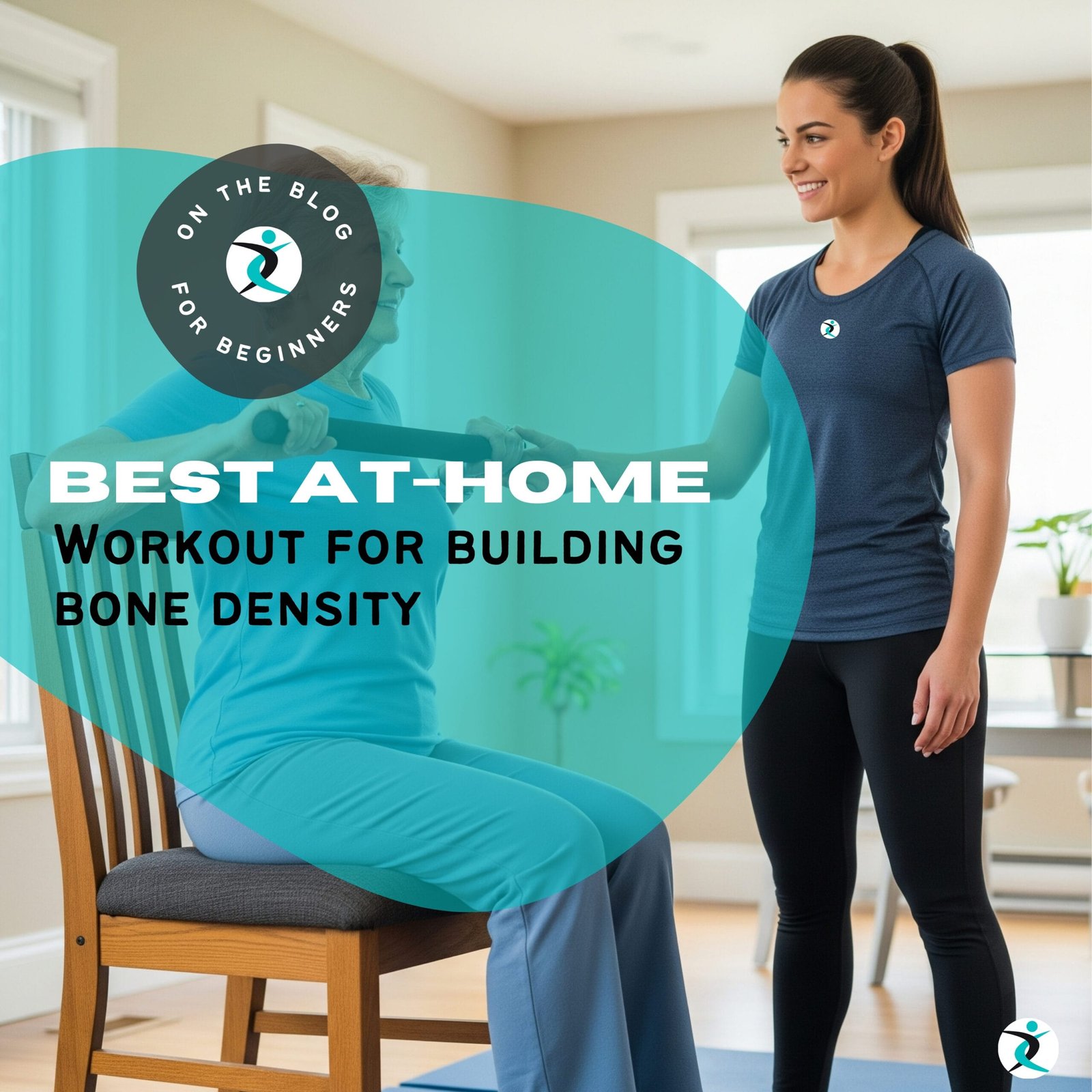
Credit: emberfitness.ca
Frequently Asked Questions
What Type Of Exercise Builds The Strongest Bones?
Weight-bearing exercises like walking, jogging, and dancing build the strongest bones. These activities stimulate bone growth by applying stress. Resistance training also enhances bone density. Combining both types offers the best results for bone strength.
How Does Resistance Training Improve Bone Health?
Resistance training increases muscle strength, which supports and stresses bones. This stress encourages bone remodeling and growth. Regular resistance workouts help prevent bone loss and reduce osteoporosis risk. It’s an effective way to maintain strong bones over time.
Are Weight-bearing Exercises Better Than Swimming For Bones?
Yes, weight-bearing exercises are better for bone strength than swimming. Swimming is low-impact and doesn’t stimulate bones enough. Weight-bearing activities apply direct stress, promoting bone density. For bone health, prioritize walking, running, or strength training over swimming.
How Often Should I Exercise To Strengthen Bones?
Aim for weight-bearing or resistance exercises at least 3-4 times per week. Consistency is key for bone growth and maintenance. Each session should last 30-60 minutes. Regular exercise combined with good nutrition maximizes bone strength benefits.
Conclusion
Building strong bones requires regular exercise. Weight-bearing exercises help most. Activities like walking, jogging, and dancing are effective. They increase bone density over time. Resistance training also plays a crucial role. Lifting weights strengthens bones and muscles. Consistency is key for best results.
Combine different exercises for variety. This keeps workouts engaging and effective. Always consult a health professional before starting new routines. Maintain a healthy diet too. Calcium and vitamin D support bone health. Focus on overall wellness for strong bones. Keep moving, stay healthy.
Your bones will thank you.







