
Are you ready to find peace and strength without breaking a sweat? Yoga might just be the perfect fit for you.
Imagine a practice that calms your mind, strengthens your body, and requires nothing but your willingness to try. Easy yoga for beginners is not about twisting into a pretzel. It’s about simple moves that anyone can do, regardless of age or fitness level.
Whether you’re looking to relieve stress, improve flexibility, or just find a moment of calm in your busy day, this guide is designed with you in mind. Dive in, and discover how easy it is to make yoga a part of your life. Ready to feel more relaxed and energized? Keep reading to find out how.
Benefits Of Yoga For Beginners
Yoga offers many benefits for beginners. It helps improve both body and mind. Starting yoga can be simple and rewarding. Even short sessions bring positive changes. The practice is gentle and suits all fitness levels.
Physical Advantages
Yoga improves posture and balance. It helps reduce body pain, especially in the back. Regular practice boosts energy and stamina. Yoga supports better breathing and heart health. It also aids digestion and circulation.
Mental Health Improvements
Yoga calms the mind and reduces stress. It helps ease anxiety and depression symptoms. Practicing yoga increases focus and concentration. It encourages relaxation and peaceful thoughts. Mindfulness during yoga improves overall mood.
Increased Flexibility And Strength
Yoga gently stretches muscles and joints. It slowly increases flexibility over time. Strength builds as you hold poses longer. Core muscles become stronger and more stable. Flexibility and strength help prevent injuries.
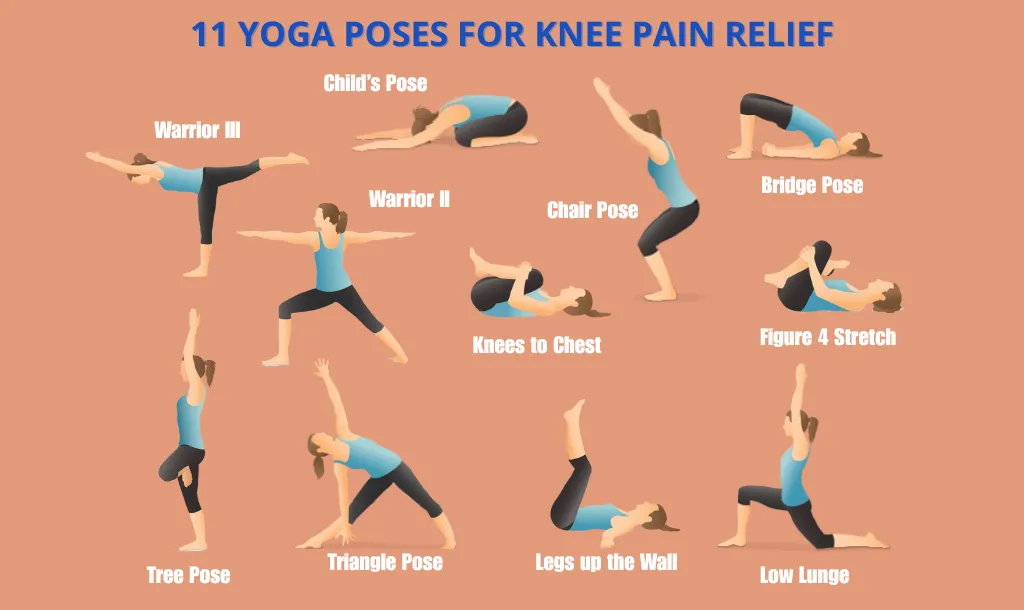
Credit: myyogateacher.com
Preparing For Your First Yoga Session
Starting yoga can feel overwhelming, especially if you’re not sure where to begin. Preparing well for your first session sets a strong foundation for your practice and helps you feel confident. The right environment, equipment, and mindset make a huge difference in how comfortable and motivated you’ll be.
Choosing The Right Space
Your yoga space should feel inviting and free from distractions. Pick a quiet corner in your home where you won’t be interrupted by noise or foot traffic.
Natural light can boost your mood and energy, but if that’s not possible, a softly lit room works just as well. Think about the temperature too; a space that’s too cold or too hot can disrupt your focus.
Have you noticed how clutter affects your concentration? Clearing the area around you can help your mind settle into the practice more easily.
Essential Equipment
You don’t need much to start yoga, but some basics make the experience smoother. A good yoga mat with enough grip prevents slipping and cushions your joints.
Comfortable clothing that allows free movement is key. Avoid anything too tight or restrictive.
Consider having props like blocks or straps handy—they assist with poses and make stretches more accessible. I once struggled with flexibility, and using a block helped me hold poses longer without strain.
Setting Realistic Goals
Be honest with yourself about what you want from yoga. Are you aiming to increase flexibility, reduce stress, or build strength?
Start with small, achievable goals, like practicing three times a week or mastering a single pose. This keeps you motivated and prevents frustration.
Ask yourself: what will success look like after your first month? Clear goals give your practice direction and make progress measurable.
Basic Yoga Poses To Try
Starting yoga is simple with basic poses that build strength and flexibility. These poses help relax your body and mind. Each pose targets different muscles and improves balance. Practicing these regularly sets a strong foundation for your yoga journey.
Mountain Pose
Stand tall with feet together and arms at your sides. Ground your feet firmly into the floor. Keep your spine straight and shoulders relaxed. Breathe deeply and feel your body steady and strong. This pose improves posture and balance.
Downward Dog
Start on your hands and knees. Lift your hips toward the ceiling to form an upside-down V shape. Keep your hands shoulder-width apart and feet hip-width apart. Stretch your spine and legs while pressing your heels down. This pose relieves tension in your back and hamstrings.
Child’s Pose
Kneel on the floor and sit back on your heels. Stretch your arms forward and lower your forehead to the ground. Relax your shoulders and breathe gently. This pose calms the mind and gently stretches the back and hips.
Cat-cow Stretch
Begin on your hands and knees with a flat back. Arch your back upward, tucking your chin to your chest (Cat). Then, dip your back down and lift your head and tailbone (Cow). Move slowly between these two positions. This stretch warms up your spine and eases tension.
Warrior I
Step one foot forward and bend the knee over the ankle. Keep the other leg straight behind you. Raise your arms overhead with palms facing each other. Keep your hips facing forward and chest lifted. This pose builds leg strength and focus.
Breathing Techniques For Beginners
Breathing is the foundation of yoga. It calms the mind and strengthens the body. Beginners can benefit greatly from learning simple breathing techniques. These methods improve focus and help release tension. Breathing exercises prepare you for deeper yoga practices.
Simple Breath Awareness
Start by sitting comfortably. Close your eyes and relax your shoulders. Breathe in slowly through your nose. Feel your belly rise as you inhale. Exhale gently through your nose or mouth. Notice the natural rhythm of your breath. Do not try to change it. Just observe the flow of air. Practice this for five minutes daily. It helps you stay present and reduces stress.
Basic Pranayama Exercises
Pranayama means control of breath. Beginners can try these easy exercises:
- Box breathing:Inhale for four counts, hold for four, exhale for four, hold again for four.
- Alternate nostril breathing:Close right nostril and inhale through left. Switch nostrils for exhale.
- Equal breathing:Breathe in and out for the same count, such as four seconds each.
These exercises balance the nervous system and increase energy. Practice them slowly and gently. Stop if you feel dizzy or uncomfortable. Regular practice brings calm and focus to your yoga journey.
Tips To Stay Consistent
Staying consistent with yoga can be challenging, especially when you’re just starting. The key is to build habits that fit your lifestyle and keep you engaged. Here are some practical tips to help you maintain your yoga practice without feeling overwhelmed.
Creating A Routine
Set a specific time each day for your yoga practice. Consistency thrives on routine, so pick a moment that suits your schedule, whether it’s early morning or before bed.
Start small—commit to 10 or 15 minutes daily instead of an hour-long session. This makes it easier to stick with and reduces the chance of skipping.
Use reminders on your phone or sticky notes in visible places to prompt you. Over time, your body and mind will expect yoga at that time, turning it into a natural part of your day.
Tracking Progress
Keep a simple yoga journal or use an app to log your sessions. Note what poses you practiced, how long you spent, and how you felt afterward.
Seeing your improvements, even small ones like holding a pose longer or feeling less stiff, can boost your confidence and motivation.
Ask yourself: What positive changes have I noticed since I started? This reflection reinforces why you keep going.
Finding Motivation
Connect with a yoga buddy or join an online community. Sharing your journey and challenges can make the experience more enjoyable and keep you accountable.
Mix up your practice by trying new poses or styles to avoid boredom. Sometimes a fresh approach is all you need to reignite your interest.
Remember why you began yoga—whether it’s to reduce stress, improve flexibility, or feel healthier. Keeping your personal goals in mind fuels your motivation on tough days.
Common Mistakes To Avoid
Starting yoga is exciting but can be tricky. Many beginners make simple mistakes that slow progress or cause discomfort. Avoiding these errors helps you enjoy yoga safely and comfortably. Here are common mistakes to watch out for.
Overstretching
Stretching too far can hurt muscles and joints. Yoga is about gentle movements, not force. Push only to a comfortable limit. Overstretching can cause strains and delays healing. Listen to your body’s flexibility and respect its boundaries.
Ignoring Body Signals
Body signals like pain or tightness are important. Ignoring these signs risks injury. Stop if you feel sharp pain or dizziness. Yoga should feel good, not painful. Adjust poses or take breaks to stay safe and healthy.
Skipping Warm-ups
Warm-ups prepare your muscles and joints for yoga. Skipping them increases injury risk. Simple movements like neck rolls or gentle stretches help. Warm-ups improve flexibility and focus. Spend five to ten minutes warming up before your yoga session.
Resources For Continued Practice
Continuing yoga practice helps build strength, flexibility, and calmness. Finding the right resources keeps beginners motivated and focused. Many options exist for ongoing learning and practice. These resources suit different schedules, budgets, and learning styles.
Online Classes And Apps
Online yoga classes offer convenience and variety. Many platforms provide beginner-friendly sessions with clear instructions. Apps help track progress and remind you to practice daily. Videos allow you to pause and repeat poses easily. Some popular apps include guided breathing and meditation exercises. This option fits well for those who prefer practicing at home.
Local Yoga Studios
Local studios create a community atmosphere for learning yoga. In-person classes provide immediate feedback from instructors. Studios often host beginner workshops to build a strong foundation. Group classes encourage social connections and motivation. Some studios offer gentle or restorative yoga suited for beginners. Visiting a studio helps maintain a steady routine.
Books And Tutorials
Books and tutorials provide detailed explanations and pose sequences. Many beginner books include pictures and step-by-step guides. They allow self-paced learning without time constraints. Tutorials on DVD or USB can be used offline anytime. This method suits those who enjoy reading and structured learning. Books often combine yoga philosophy with physical practice.

Credit: www.freepik.com

Credit: www.youtube.com
Frequently Asked Questions
What Are The Best Yoga Poses For Beginners?
Begin with simple poses like Mountain, Downward Dog, and Child’s Pose. These build strength, flexibility, and balance safely. They help beginners learn proper alignment and breathing techniques, creating a strong foundation for more advanced yoga practices.
How Often Should Beginners Practice Yoga?
Start with 2-3 sessions per week, each lasting 20-30 minutes. Consistency is key to progress and injury prevention. Gradually increase frequency as flexibility and strength improve, ensuring your body adapts comfortably to the practice.
Do I Need Special Equipment For Beginner Yoga?
No special equipment is necessary. A yoga mat provides comfort and grip. Optional props like blocks or straps can assist with flexibility and balance. Comfortable clothing that allows movement is ideal for a better yoga experience.
Can Yoga Help Reduce Stress For Beginners?
Yes, yoga combines physical movement with breath control, reducing stress hormones. Regular practice promotes relaxation and mental clarity. Even simple beginner poses can calm the mind and improve overall emotional well-being.
Conclusion
Starting yoga is simple and brings many benefits. It helps your body stay strong and your mind calm. Just a few minutes each day can make a big difference. You don’t need special skills or tools to begin. Stay patient and enjoy each small step.
Yoga is for everyone, no matter your age or fitness. Keep practicing, and you will feel better every day. Give yourself time to grow and learn. This easy yoga guide will help you start a healthy habit. Keep moving, breathing, and relaxing.
Your journey to wellness begins now.







