
Are you looking for a way to keep your body and mind active as you age? Yoga could be the perfect solution for you.
Whether you’re in your golden years or just beginning to notice the effects of aging, yoga offers a gentle yet powerful way to enhance your well-being. Imagine feeling more flexible, balanced, and relaxed each day. With yoga, you can achieve this and more.
Don’t worry if you’ve never tried yoga before—this guide is tailored specifically for senior beginners like you. Discover how yoga can transform your life, one pose at a time. Ready to feel more energetic and peaceful? Let’s dive in and explore the benefits of yoga for senior beginners!

Credit: www.youtube.com
Benefits Of Yoga For Seniors
Yoga offers many benefits for seniors. It supports both body and mind. Regular yoga practice helps seniors stay active and healthy. It gently improves strength and flexibility. It also brings calmness and reduces stress. Yoga suits all fitness levels and can be adapted easily.
Improved Flexibility And Balance
Yoga stretches muscles and loosens joints. This helps seniors move more freely. Better flexibility lowers the risk of injuries. Yoga also trains balance through simple poses. Improved balance reduces the chance of falls. This builds confidence in daily activities.
Enhanced Mental Well-being
Yoga calms the mind and reduces anxiety. Breathing exercises help focus and relax. Many seniors find better sleep after yoga. It promotes a positive mood and less stress. Yoga encourages mindfulness and being present. This supports overall mental health and happiness.
Pain Relief And Mobility
Yoga eases stiffness and joint pain. Gentle movements increase blood flow and reduce inflammation. It helps manage conditions like arthritis and back pain. Yoga improves overall mobility and body awareness. Seniors feel more comfortable moving during the day.
Preparing For Yoga Practice
Preparing for yoga practice helps create a calm and safe environment. It makes your experience more enjoyable and effective. Setting up the right space, gathering essential equipment, and following safety tips all play a big role. These steps help beginners feel confident and comfortable as they start their yoga journey.
Choosing The Right Space
Pick a quiet place with enough room to move freely. Natural light is best but soft lighting works too. Keep the area clean and free of clutter. A peaceful corner of a room works well. Avoid places with loud noise or distractions. A comfortable temperature helps you relax and focus.
Essential Equipment And Props
Use a non-slip yoga mat for stability and comfort. Wear loose, stretchy clothes that allow easy movement. Have a sturdy chair nearby for balance support. Yoga blocks help modify poses and improve alignment. A blanket or cushion can make sitting poses more comfortable. Keep water handy to stay hydrated.
Safety Tips For Beginners
- Start with simple poses and move slowly.
- Listen to your body and stop if you feel pain.
- Use props to support your body and avoid strain.
- Practice breathing deeply and evenly.
- Consult a doctor if you have health concerns.
- Rest between poses to avoid overexertion.
- Stay consistent but do not rush progress.
Gentle Yoga Poses For Beginners
Gentle yoga poses help seniors begin their practice safely. These poses build strength, flexibility, and balance. Each pose supports body awareness and calm breathing. Practicing regularly can improve daily movement and reduce stiffness. These simple exercises fit well into any routine.
Mountain Pose For Stability
The Mountain Pose stands tall and steady. Feet are hip-width apart, weight balanced evenly. Shoulders relax down, arms rest by sides. This pose improves posture and grounding. It helps seniors feel stable and confident.
Seated Forward Bend For Stretching
Sitting with legs straight, reach forward gently. Keep the spine long and avoid strain. This pose stretches the back and hamstrings softly. It soothes tight muscles and increases flexibility. Perfect for calming the mind and body.
Cat-cow Pose For Spine Mobility
On hands and knees, alternate arching and rounding the back. Inhale to drop the belly, lift head and tailbone. Exhale to round the spine and tuck chin. This gentle movement improves spine flexibility. It relieves tension and promotes fluid motion.
Child’s Pose For Relaxation
Kneel and sit back on the heels, stretch arms forward. Rest forehead on the floor or a cushion. This pose calms the nervous system deeply. It releases back and neck tension quickly. A perfect rest between other poses.
Bridge Pose For Strengthening
Lie on the back, bend knees, feet flat on the floor. Press feet and arms down, lift hips toward the ceiling. This strengthens the lower back and legs gently. It also opens the chest and improves circulation. Hold briefly and lower slowly for safety.

Credit: www.youtube.com
Breathing Techniques To Complement Yoga
Breathing techniques play a vital role in enhancing your yoga practice. They help calm the mind and increase oxygen flow to the body. For senior beginners, simple breathing exercises improve relaxation and focus. These techniques also support gentle movements and reduce stress. Practicing breathing alongside yoga builds a stronger mind-body connection.
Deep Belly Breathing
Deep belly breathing is easy and effective for seniors. It helps relax muscles and lowers blood pressure. Sit or lie comfortably. Place one hand on your belly and the other on your chest. Breathe in slowly through your nose, feeling your belly rise. Exhale gently through your mouth, noticing your belly fall.
- Inhale deeply for 4 seconds
- Hold your breath for 2 seconds
- Exhale slowly for 6 seconds
- Repeat 5 to 10 times
This technique increases oxygen flow and reduces tension. It also prepares the body for yoga poses.
Alternate Nostril Breathing
Alternate nostril breathing balances energy and calms the mind. It clears nasal passages and improves focus. Sit comfortably with your spine straight. Use your right thumb to close your right nostril. Inhale deeply through your left nostril. Then close your left nostril with your ring finger and release the right nostril. Exhale slowly through the right nostril.
- Inhale through the right nostril
- Close right nostril and exhale through the left
- Repeat for 5 cycles
This technique brings a sense of peace and steadiness. It supports gentle yoga practice for seniors.
Creating A Consistent Yoga Routine
Creating a consistent yoga routine helps build strength and flexibility over time. It supports mental calmness and improves overall well-being. For senior beginners, a steady routine prevents injury and encourages progress.
Starting with small, achievable steps makes yoga enjoyable. Consistency, not intensity, is the key to long-term benefits. A well-planned routine fits easily into daily life and grows with your abilities.
Setting Realistic Goals
Choose simple, clear goals that fit your current fitness level. Avoid pushing too hard at the start. Goals like practicing yoga three times a week or holding poses for a few breaths work well. Small goals keep motivation high and reduce frustration.
Write down your goals and review them often. Adjust as you improve or face challenges. Celebrate little wins to stay encouraged on your yoga journey.
Incorporating Rest Days
Rest days are vital for muscle recovery and injury prevention. Plan at least one or two days without yoga each week. Use this time for gentle walking, stretching, or relaxation. Rest helps the body heal and prepares you for the next session.
Listen to your body’s signals. If you feel tired or sore, take extra rest. Balance between activity and rest creates a sustainable routine.
Tracking Progress
Keep a simple journal or use an app to note your sessions. Record the poses practiced, duration, and how you felt. Tracking progress shows improvement over time and highlights areas needing focus.
Review your notes weekly to stay motivated. Seeing growth builds confidence and encourages regular practice. Tracking also helps identify patterns that affect your yoga experience.
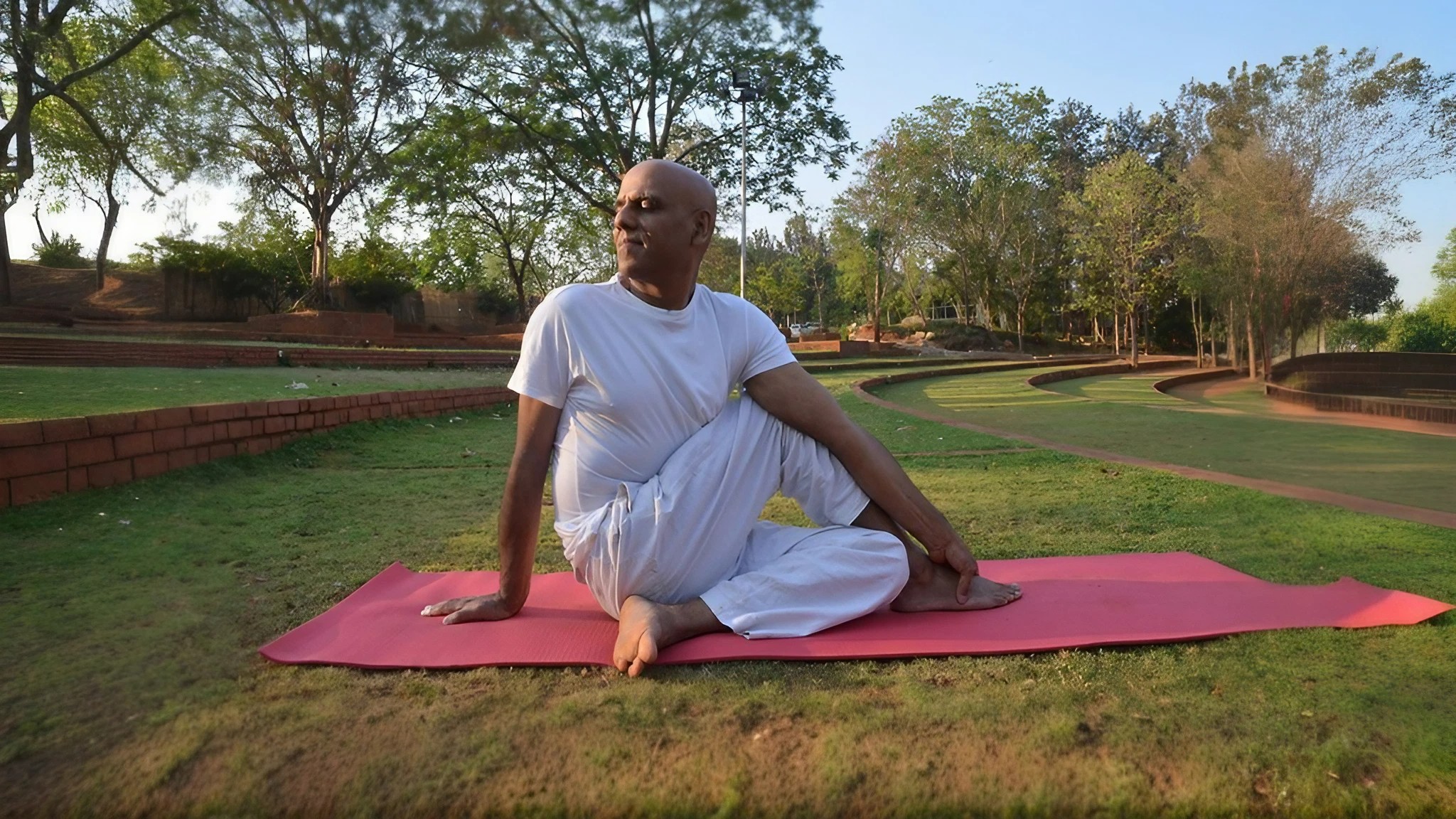
Credit: www.artofliving.org
Modifications And Adaptations
Yoga is for everyone, especially seniors who want to stay active and healthy. But your body might need a little help to make some poses comfortable and safe. Modifications and adaptations let you enjoy yoga without pushing your limits or risking injury.
Using Chairs And Supports
Chairs and other supports can be game changers in your yoga practice. They help you balance and hold poses longer without strain. For example, sitting on a chair during seated twists or using a wall for standing poses can reduce pressure on your knees and hips.
Imagine trying a gentle forward bend while sitting on a chair. You get the stretch but without worrying about losing balance. You can also use yoga blocks or cushions to bring the floor closer if reaching down feels tough.
Have you ever felt uneasy standing on one leg? A sturdy chair nearby can be your safety net. Using supports encourages you to try new poses with confidence, making your practice more enjoyable and less intimidating.
Adjusting Poses For Joint Issues
If your joints feel stiff or painful, adjusting poses is essential. You don’t need to touch your toes to gain benefits; even partial movements help improve flexibility and strength. For example, bending knees slightly in standing poses can ease pressure on your hips and knees.
Listen to your body and avoid any sharp pain. Swap deep lunges for gentler ones or try seated versions of standing poses. Small tweaks like these keep your joints safe while still improving mobility.
Have you noticed certain poses make your joints ache? Try breaking the pose into smaller steps or hold it for less time. Your yoga should feel like a healing practice, not a painful challenge.
Frequently Asked Questions
What Are The Best Yoga Poses For Senior Beginners?
Gentle poses like Cat-Cow, Child’s Pose, and Mountain Pose suit senior beginners well. These improve flexibility and balance safely.
How Often Should Seniors Practice Yoga Weekly?
Seniors should aim for 2 to 3 yoga sessions per week. This frequency helps build strength without causing strain or injury.
Can Yoga Improve Seniors’ Joint Health?
Yes, yoga increases joint mobility and reduces stiffness. Regular practice supports healthy cartilage and eases arthritis symptoms effectively.
Is Yoga Safe For Seniors With Health Issues?
Yoga is generally safe if adapted for individual needs. Seniors with health issues should consult a doctor before starting.
Conclusion
Yoga can bring calm and strength to seniors starting out. Small steps lead to big benefits for body and mind. Gentle stretches improve balance and ease daily movements. Regular practice helps reduce stress and boosts mood. Choose simple poses and listen to your body’s needs.
Enjoy each session without rushing or pressure. Yoga opens a path to better health and peace. Begin today, and feel the positive changes grow.







