
Are your fingers ready to glide effortlessly across the keyboard? If typing feels more like a chore and less like second nature, you might be missing out on the magic of typing warm-up exercises.
Whether you’re a writer, a student, or someone who spends countless hours at a computer, these simple exercises can transform your typing experience. Imagine typing faster, making fewer errors, and feeling more confident with every keystroke. Sounds enticing, right? By incorporating these exercises into your routine, you can unlock a new level of efficiency and comfort.
Let’s delve into how these warm-ups can revolutionize your typing skills and make your daily tasks smoother and more enjoyable. Are you ready to give your fingers the boost they deserve?

Credit: medium.com
Benefits Of Typing Warm Ups
Typing warm ups prepare your fingers and brain for typing tasks. They help improve your overall typing performance. Warming up is a simple way to enhance your typing skills and protect your hands.
Improving Speed
Warm ups help your fingers move faster and more smoothly. They train your muscles to react quickly. Regular practice increases your typing speed over time. Starting with warm ups sets a fast pace for your work.
Enhancing Accuracy
Typing warm ups sharpen your focus and precision. They reduce mistakes by training your muscle memory. Your fingers learn the right keys and paths. This practice lowers the chance of errors during typing.
Reducing Fatigue
Warm ups loosen stiff fingers and wrists. They increase blood flow and reduce tension. This helps your hands stay fresh longer. Less fatigue means you can type comfortably for more time.
Preventing Injuries
Typing warm ups stretch and strengthen your hands. They lower the risk of strain and pain. Warming up protects against common injuries like carpal tunnel. Healthy hands mean better typing and fewer breaks.
Credit: keymasterkeyboarding.com
Best Warm Up Exercises
Warming up your fingers before diving into typing can boost your speed and accuracy significantly. It helps reduce tension and prepares your muscles for the repetitive movements typing demands. You might be surprised how just a few simple exercises can make your typing sessions smoother and less tiring.
Finger Stretching
Start by gently stretching each finger to loosen them up. Hold each finger and pull it back slowly for about 10 seconds. This simple stretch increases blood flow and prevents stiffness, especially if you type for long periods.
Try to stretch both hands equally. It’s easy to ignore one hand, but balanced warming up avoids uneven fatigue. Have you noticed if one hand feels stiffer than the other before you start typing?
Home Row Drills
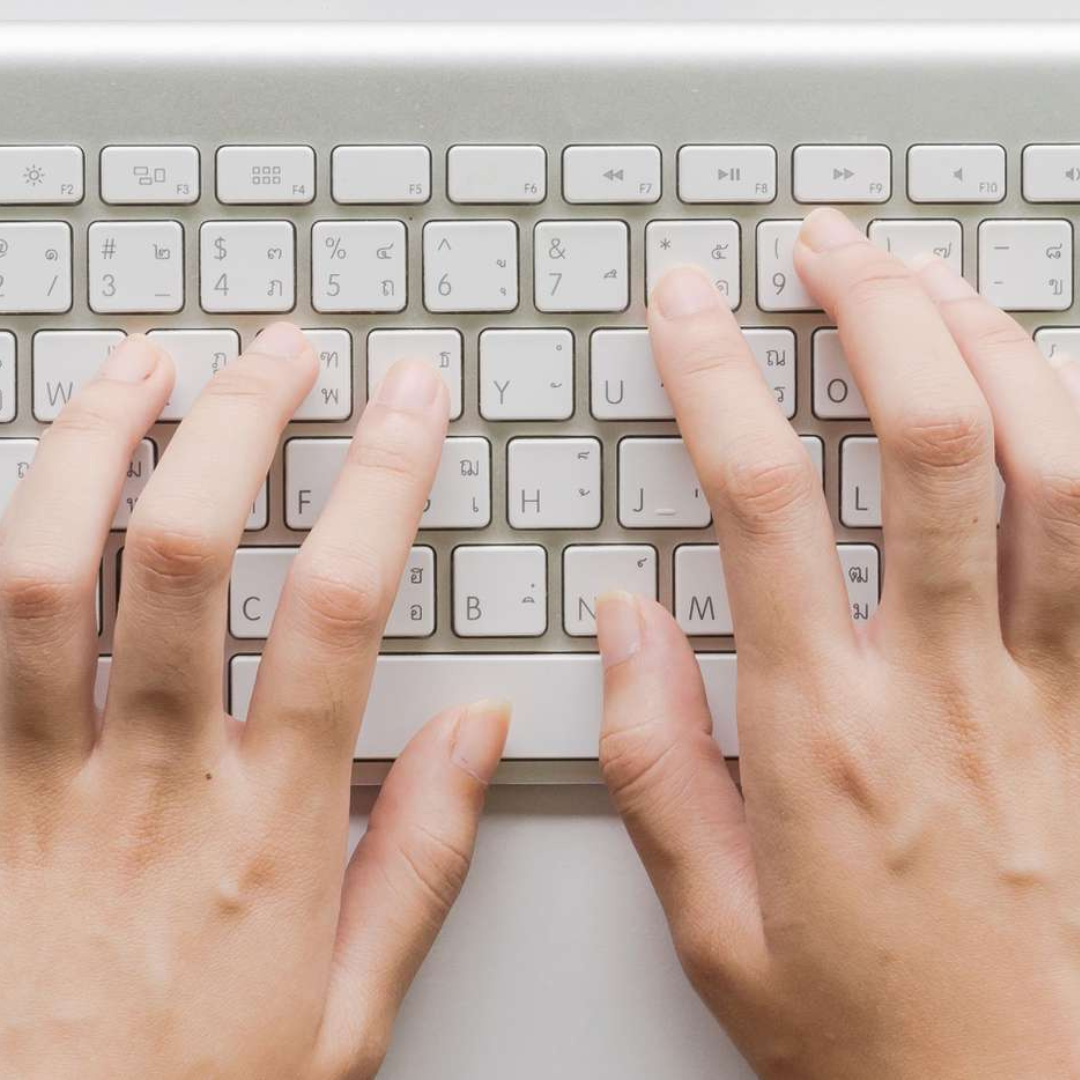
Focus on the home row keys—A, S, D, F, J, K, L, and ;—to build muscle memory. Slowly tap each key with the correct finger, then gradually increase speed. This drill reinforces finger placement and reduces errors.
You can even time yourself to see how quickly you hit the keys without looking. This small challenge keeps the exercise engaging and tracks your progress.
Scissor Finger Movements
Place your hands on a flat surface and mimic a scissor motion by opening and closing your fingers rapidly. This exercise strengthens finger agility and coordination. It’s especially useful if you feel your fingers get tired quickly.
Try doing this for 30 seconds and notice how your fingers feel afterward. Does it feel easier to move them over the keyboard?
Typing Simple Words
Warm up by typing easy, familiar words like “cat,” “dog,” or “sun.” This lets your fingers practice natural movement patterns without overwhelming your brain. Gradually increase to longer words as your fingers loosen up.
Pay attention to any finger that hesitates or feels awkward while typing these words. Target those fingers with extra stretching or drills to improve your overall flow.
Advanced Warm Up Techniques
Advanced warm up techniques prepare your fingers for faster and more accurate typing. These exercises challenge your skills and improve muscle memory. They help you maintain focus and reduce mistakes during long typing sessions.
Try different methods to target various finger movements. This variety strengthens your hand coordination and increases typing speed.
Timed Typing Drills
Set a timer for short bursts, like one or two minutes. Type as many words or sentences as possible without stopping. This trains your fingers to move quickly under pressure. It also builds endurance for long typing tasks.
- Choose challenging texts with varied vocabulary
- Focus on accuracy before increasing speed
- Repeat daily to track improvement
Mixed Key Patterns
Practice sequences combining letters from different keyboard areas. This improves finger agility and hand coordination. Use patterns like alternating left and right hand keys or jumping between rows.
- Try sequences like “asdf jkl;” or “qaz wsx edc”
- Include numbers and symbols for variety
- Increase speed gradually while keeping accuracy
Using Online Typing Games
Typing games make warm ups fun and engaging. They offer instant feedback and track progress. Games often include different difficulty levels and challenges to test your skills.
- Choose games that focus on accuracy and speed
- Play regularly to build consistency
- Use games with mixed word types for well-rounded practice
Credit: www.education.com
Creating A Warm Up Routine
Creating a warm up routine for typing is essential to prepare your fingers and mind for efficient and accurate typing. A well-structured routine helps prevent strain and improves your overall typing performance. It also sets the tone for focused practice, making every session more productive.
Setting Time Limits
Start by deciding how long your warm up should last. Too short, and your fingers won’t get ready; too long, and you risk losing focus before the main practice.
Try setting a timer for 5 to 10 minutes to keep your warm up effective yet brief. You can adjust this as you learn what feels right for your body and schedule.
Have you noticed how your fingers feel after just a few minutes of repetitive typing? That sensation is your cue that the warm up is working.
Balancing Speed And Accuracy
Focus on typing smoothly rather than quickly at first. Speed comes naturally when your accuracy is solid.
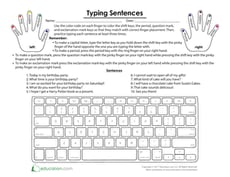
Use exercises that encourage you to hit the right keys without rushing. For example, typing simple sentences or common words slowly helps build muscle memory.
Ask yourself: Are you making more mistakes as you speed up? If yes, slow down and focus on hitting the correct keys to avoid bad habits.
Tracking Progress
Keep a simple log of your warm up sessions to see how your speed and accuracy improve over time. Record your words per minute (WPM) and error rate after each session.
Seeing small improvements can boost your motivation and help you adjust your routine. Maybe you notice certain exercises work better or that your fingers get tired after a specific duration.
What patterns do you spot in your progress? Use these insights to tweak your warm up and make it even more effective for your typing goals.
Common Mistakes To Avoid
Before you jump into typing warm up exercises, it’s important to watch out for common mistakes that can slow your progress or even cause discomfort. These errors often seem small but can make a big difference in how effective and safe your practice sessions are. Let’s look at some pitfalls you should avoid to get the most out of your typing warm ups.
Skipping Warm Ups
Skipping warm ups might feel like saving time, but it usually wastes more in the long run. Without warming up, your fingers and wrists don’t get prepared for the repetitive motions ahead, increasing the risk of strain or injury.
Have you ever noticed your hands feeling stiff or sore after typing non-stop? This often happens because you didn’t take a few minutes to loosen up first. Starting with warm ups helps your muscles get ready and improves your overall typing speed and accuracy.
Rushing Exercises
Speed is tempting when practicing, but rushing through your warm up exercises defeats their purpose. The goal is to build muscle memory and precision, which happens best when you focus on control rather than speed.
Try slowing down your keystrokes. Feel each finger movement and notice how your accuracy improves. This approach also reduces errors and frustration, making your practice more productive.
Ignoring Posture
Posture is often overlooked during warm ups, but it plays a critical role in preventing discomfort and injuries. Slouching or poor wrist positioning can lead to pain and long-term issues like carpal tunnel syndrome.
Check your seating and hand placement before you start. Your back should be straight, feet flat on the floor, and wrists slightly elevated, not resting on the keyboard or desk. How you sit can change everything about how typing feels and how effective your warm ups are.
Frequently Asked Questions
What Are The Best Typing Warm Up Exercises?
Effective typing warm ups include finger stretches, slow key tapping, and hand rotations. These exercises improve finger flexibility and reduce strain. Starting with simple drills enhances typing speed and accuracy. Regular warm ups prepare your hands for longer typing sessions and prevent fatigue.
How Long Should A Typing Warm Up Last?
A typing warm up should last about 5 to 10 minutes. This duration is enough to increase blood flow and improve finger agility. Short, consistent warm ups before typing help maintain focus and reduce the risk of repetitive strain injuries.
Can Typing Warm Ups Improve Typing Speed?
Yes, typing warm ups can improve speed by enhancing finger flexibility and coordination. Warm muscles respond faster, reducing typing errors. Consistent practice of warm up exercises gradually boosts your overall typing efficiency and accuracy.
Are Typing Warm Ups Necessary For Beginners?
Absolutely, beginners benefit greatly from typing warm ups. They help build muscle memory and finger strength. Warm ups reduce frustration by making typing more comfortable and less error-prone. Starting with warm ups encourages good typing habits early on.
Conclusion
Practicing typing warm-up exercises helps improve speed and accuracy. These exercises prepare your fingers and reduce strain. Start with simple drills and increase difficulty over time. Consistent practice builds muscle memory and confidence. Take short breaks to keep hands fresh and avoid injury.
Remember, small daily efforts lead to better typing skills. Stay patient and enjoy the progress. Typing becomes easier and more comfortable with regular warm-ups. Give your fingers the care they need before each session.







