
Are you feeling overwhelmed by the idea of starting yoga because of your weight? You’re not alone.
Many people feel the same way, but the truth is, yoga is for everyone, regardless of size or fitness level. Imagine finding a form of exercise that not only helps you shed pounds but also brings peace to your mind and body.
Yoga can be that transformative tool, waiting to make a difference in your life. You might be wondering if it’s really possible for you. The answer is yes. This guide will show you how to start yoga safely and comfortably, no matter your current size. Keep reading, and discover how yoga can be the empowering practice you’ve been searching for.
Credit: www.artofliving.org
Benefits Of Yoga For Obesity
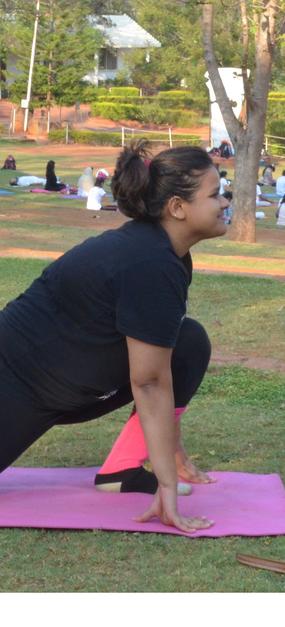
Yoga offers a unique approach to managing obesity by addressing both the body and mind. It’s gentle yet effective, making it perfect for beginners who might feel overwhelmed by traditional workouts. You might find that yoga not only improves your physical health but also brings a surprising boost to your mental well-being and supports your weight management efforts.
Physical Improvements
Yoga helps increase flexibility, strength, and balance, which are often challenging areas for people struggling with obesity. Simple poses like Cat-Cow or Child’s Pose can ease joint pain and improve mobility. You don’t need to bend like a pretzel to feel the benefits; even gentle stretches can build your stamina over time.
Think about how your body feels after a few weeks of consistent practice. Are you moving more comfortably? Has your energy improved? These small physical gains can motivate you to keep going.
Mental Health Boost
Yoga calms the mind and reduces stress, which often triggers overeating or unhealthy habits. Through breathing exercises and mindfulness, you gain better control over emotional eating. Many beginners report feeling less anxious and more centered after yoga sessions.
Have you noticed how stress affects your eating patterns? Yoga gives you tools to manage those moments, helping you avoid reaching for snacks out of frustration or boredom.
Weight Management Support
Yoga isn’t just about burning calories; it teaches you to listen to your body’s hunger and fullness signals. This awareness can prevent overeating and help you make healthier food choices. Additionally, the increased muscle tone from yoga supports a higher metabolism, aiding gradual weight loss.
Imagine combining gentle movement with mindful eating habits. How different would your weight management journey feel if you approached it with patience and self-awareness instead of pressure?
Preparing For Yoga Practice
Preparing for yoga practice is an important step, especially if you are starting your journey as an obese beginner. Setting up the right environment and mindset can make your practice more enjoyable and effective. It’s about creating a space where you feel comfortable, supported, and motivated to keep going.
Choosing The Right Space
Your practice space should feel safe and inviting. Pick a quiet corner of your home where you won’t be interrupted. Good lighting and fresh air can help you stay focused and calm.
Consider the floor surface too. A carpeted area or a yoga mat on a smooth floor works best to provide support and prevent slipping. Have you noticed how your mood changes when your surroundings feel cluttered or chaotic? Clearing the area can help your mind settle.
Essential Gear And Props
You don’t need fancy equipment, but some basic gear makes a big difference. Start with a thick, non-slip yoga mat for comfort and stability. Blocks, straps, and bolsters can help you modify poses and reduce strain.
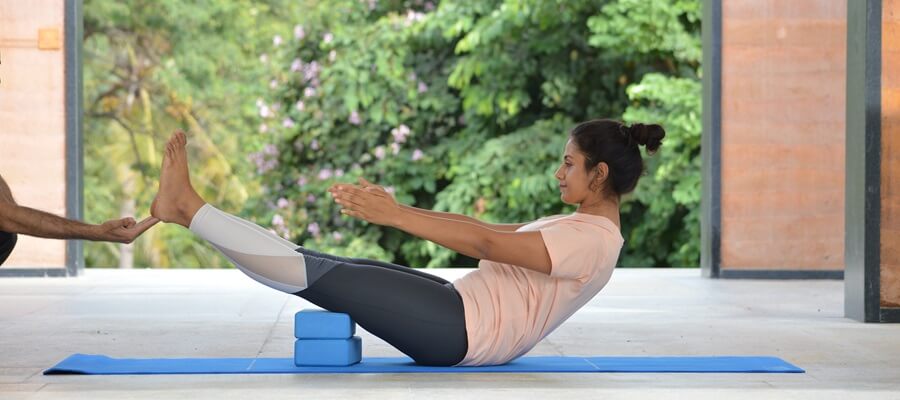
For example, a yoga block can support your hands in standing poses if you can’t reach the floor easily. Straps assist in stretching when flexibility is limited. These props allow you to adapt the practice to your body’s needs rather than forcing it to fit the pose.
Setting Realistic Goals
It’s easy to feel overwhelmed by what you see in yoga classes or videos. Instead of aiming for perfection, focus on progress that suits your body and energy levels. Set small, achievable goals like practicing for 10 minutes three times a week.
Ask yourself: What does success look like for you in yoga? Is it feeling more relaxed, improving flexibility, or simply showing up regularly? Defining clear, realistic goals keeps you motivated and reduces frustration.
Easy Yoga Poses To Begin With
Starting yoga can feel overwhelming, especially if you’re new to exercise or managing obesity. Choosing easy poses helps you build confidence and strength without pushing your body too hard. These gentle poses focus on balance, flexibility, and breath control, making them perfect for your first steps in yoga.
Mountain Pose
This pose is a great way to improve your posture and find your balance. Stand with your feet hip-width apart, arms relaxed by your sides, and breathe deeply. Feeling grounded in Mountain Pose helps you connect with your body’s alignment—have you noticed how small adjustments can change your whole stance?
Chair Pose
Chair Pose strengthens your legs and core while stretching your back. Imagine sitting in an invisible chair, bending your knees, and raising your arms overhead. It might feel challenging at first, but even holding it for a few seconds builds endurance and focus.
Cat-cow Stretch
This gentle flow between arching and rounding your spine eases tension and improves flexibility. Move slowly with your breath—inhale as you arch your back, exhale as you round it. It’s a simple way to tune into your body’s rhythm and release stiffness.
Child’s Pose
Child’s Pose offers rest and relaxation while gently stretching your hips and back. Kneel down and sit back on your heels, stretching your arms forward or alongside your body. Whenever you feel overwhelmed, this pose invites you to pause and breathe deeply.
Bridge Pose
Bridge Pose opens your chest and strengthens your lower back and legs. Lie on your back with knees bent and feet flat, then lift your hips toward the ceiling. Notice how this pose can energize you and improve circulation—how long can you comfortably hold it?
Credit: www.artofliving.org
Modifications For Comfort And Safety
Yoga practice must be comfortable and safe, especially for obese beginners. Modifications help reduce strain and avoid injury. They allow gradual progress while respecting the body’s limits. Adapting poses and techniques makes yoga accessible and enjoyable.
Using Props For Support
Props provide extra stability and balance. Common props include blocks, straps, and bolsters. They help maintain proper alignment and reduce muscle strain. Using a chair or wall can assist with standing poses. Props make poses easier and more comfortable.
Adjusting Poses For Flexibility
Flexibility varies, so modify poses to fit your body. Avoid forcing stretches or deep bends. Bend knees or widen stance for better balance. Use a smaller range of motion to prevent pain. Gentle movements improve flexibility over time without pressure.
Breathing Techniques
Breathing supports relaxation and focus during yoga. Practice slow, deep breaths to calm the mind. Use belly breathing to increase oxygen flow. Avoid holding the breath during poses. Proper breathing improves endurance and reduces stress.
Creating A Consistent Routine
Creating a consistent yoga routine is vital for obese beginners. Regular practice builds strength, flexibility, and confidence. It also helps develop healthy habits that support weight management and overall wellness.
Consistency keeps the body and mind engaged. Small, steady steps lead to lasting progress. Setting up a clear routine makes yoga feel achievable and rewarding.
Scheduling Practice Sessions
Choose specific days and times for yoga practice. Treat these sessions like important appointments. Short, frequent sessions work better than long, rare ones. Start with 10 to 15 minutes per day. Gradually increase time as comfort grows. Find a quiet, comfortable place to practice. Consistent timing helps build a habit. Use reminders or alarms to stay on track.
Tracking Progress
Keep a simple journal or use an app to note your sessions. Write down how long you practiced and what poses you did. Record any changes in flexibility, strength, or mood. Seeing progress motivates continued effort. Celebrate small improvements to stay encouraged. Tracking helps identify what works and what needs change.
Staying Motivated
Set clear, realistic goals to guide your practice. Focus on how yoga makes you feel, not just weight loss. Join a beginner-friendly yoga group or online community. Sharing experiences reduces isolation and builds support. Reward yourself for sticking to your routine. Remember, every session counts toward better health and well-being.

Credit: www.youtube.com
Combining Yoga With Other Healthy Habits
Yoga is a fantastic way to start your journey toward better health, especially if you’re new to exercise and managing obesity. But yoga alone is just one piece of the puzzle. To see real progress and feel your best, you need to pair it with other healthy habits that support your body and mind.
Balanced Nutrition Tips
Eating well fuels your yoga practice and helps your body heal and grow stronger. Focus on whole foods like fruits, vegetables, lean proteins, and whole grains. Avoid crash diets—they can leave you feeling tired and weak, making yoga harder.
Try simple swaps like choosing water over sugary drinks or adding a serving of veggies to every meal. Keep a food journal for a week to see where you can improve without cutting out everything you enjoy. Have you noticed how your energy changes after different meals?
Incorporating Light Cardio
Adding light cardio exercises can boost your stamina and help your heart stay healthy. Walking, swimming, or cycling at a comfortable pace complements yoga by increasing your endurance. Start with just 10-15 minutes a day and gradually build up.
Think about how a short walk after yoga makes you feel. Does your mood lift? Does your body feel more awake? These gentle moves prepare your body for deeper yoga sessions and can make everyday activities easier.
Importance Of Hydration
Drinking enough water is often overlooked but is crucial for your yoga practice and overall health. Hydration helps your muscles recover and prevents cramps during stretches. Aim to drink at least 8 cups of water daily, more if you sweat a lot.
Carry a water bottle with you and sip regularly. Notice if you feel more focused and less fatigued when you stay hydrated. What small changes can you make today to drink more water?
Common Challenges And Solutions
Starting yoga as an obese beginner comes with unique challenges. Recognizing these hurdles and knowing how to tackle them can keep you motivated and safe. Below, you’ll find common difficulties and practical solutions to help you stay on track with your yoga journey.
Overcoming Physical Limitations
Your body may not move exactly as you want at first, and that’s okay. Many poses can be modified using props like blocks, straps, or even a sturdy chair. These tools help you hold poses comfortably and safely while building strength and flexibility.
Listen closely to your body. If a pose causes pain or sharp discomfort, adjust it or skip it. Yoga isn’t about forcing your body but gently encouraging it to grow stronger over time.
Dealing With Frustration
Feeling frustrated is normal when progress seems slow. You might struggle with balance or flexibility, which can be disheartening. Remember, every small improvement is a win worth celebrating.
Try setting small, achievable goals like holding a pose for a few seconds longer each time. Celebrate these wins to keep your motivation alive. How would your mindset change if you focused on what you can do instead of what you can’t?
Finding Support Networks
Yoga can feel isolating if you’re practicing alone, especially when facing unique challenges. Joining a class or online group with other beginners or people with similar experiences can boost your confidence.
Support networks offer encouragement, share tips, and help you feel understood. Look for local community centers or social media groups tailored to yoga for obese beginners. Who could you invite to join you and make this journey less lonely?
Frequently Asked Questions
What Are The Best Yoga Poses For Obese Beginners?
Gentle poses like Cat-Cow, Warrior II, and Bridge are ideal for obese beginners. These poses improve flexibility, strength, and balance safely.
How Often Should Obese Beginners Practice Yoga?
Start with 3 sessions per week, each lasting 20-30 minutes. Consistency helps build strength and endurance gradually without strain.
Can Yoga Help With Weight Loss For Obese People?
Yes, yoga boosts metabolism, reduces stress, and improves mindfulness. Combined with a healthy diet, it supports sustainable weight loss.
Is Yoga Safe For Obese Individuals With Joint Pain?
Yes, yoga is low-impact and gentle on joints. Modified poses and props help avoid strain and improve joint mobility safely.
Conclusion
Yoga offers gentle, effective ways to start moving and feeling better. Beginners with obesity can find poses that suit their bodies and needs. Regular practice helps improve flexibility, strength, and mood. Small steps lead to big changes over time. Patience matters more than speed or perfection.
Enjoy the journey and celebrate each progress. Yoga can support a healthier, happier life for everyone.







