
Are you looking to spice up your fitness routine and target multiple muscle groups at once? Squat exercises might just be your golden ticket.
Whether you’re a gym newbie or a seasoned athlete, incorporating different types of squat exercises into your workout can transform your fitness game. These versatile movements not only sculpt your legs but also engage your core, improve balance, and boost overall strength.
Curious about which squat variations will best suit your goals? Stick around, because we’re about to uncover a world of squats that will keep your workouts fresh, challenging, and incredibly rewarding. Get ready to discover the squat exercises your fitness routine has been missing!
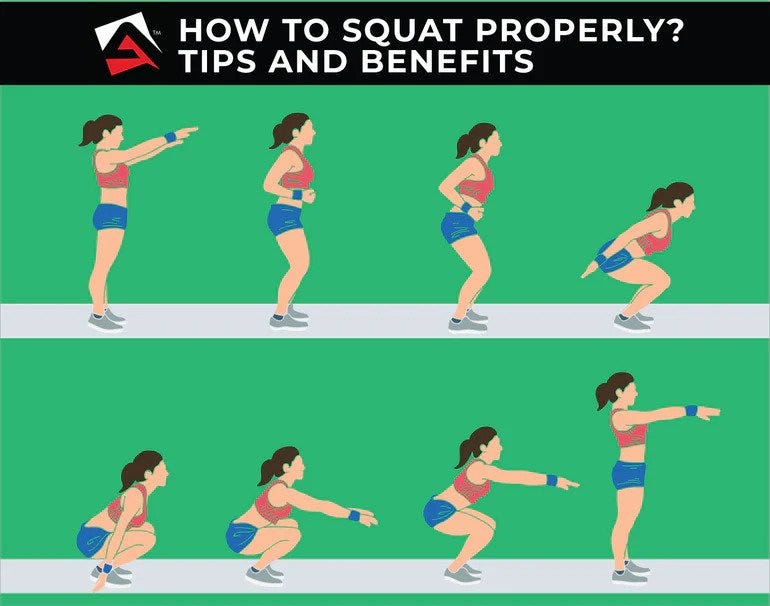
Credit: medium.com
Bodyweight Squats
Bodyweight squats are one of the simplest yet most effective exercises you can do anywhere, anytime. They use your own body weight as resistance, making them perfect for all fitness levels. Whether you’re just starting out or need a quick workout without equipment, bodyweight squats offer a solid foundation.
Basic Technique
Stand with your feet shoulder-width apart, toes slightly pointed out. Keep your chest up and your back straight as you bend your knees and push your hips back, lowering yourself as if sitting in a chair.
Go down until your thighs are parallel to the floor or as far as your mobility allows. Then, press through your heels to return to the starting position. Make sure your knees track over your toes and don’t cave inward.
Benefits For Beginners
Bodyweight squats build strength in your legs, hips, and core without needing any equipment. They improve your balance and flexibility, which helps prevent injuries in daily life and other workouts.
Starting with bodyweight squats lets you focus on perfecting your form before adding weights. This approach helps you avoid bad habits that can cause pain or limit progress later.
Common Mistakes
- Letting your knees cave inward:This puts strain on your joints and reduces the effectiveness of the exercise.
- Rounding your back:Losing a straight spine can lead to lower back pain and injury.
- Not going low enough:Partial squats limit muscle activation and reduce overall benefits.
- Heels lifting off the ground:This shifts weight forward and destabilizes your position.
Have you noticed any of these mistakes in your own squat? Paying close attention to these details can make your workouts safer and more productive.
Goblet Squats
Goblet squats are a fantastic entry point for anyone looking to build strength and improve their squat technique. Holding a weight close to your chest, this exercise helps you maintain an upright posture while engaging multiple muscle groups. Many find goblet squats easier to master than barbell squats, making them perfect for beginners and those focusing on form.
Proper Form
Start by holding a dumbbell or kettlebell close to your chest with both hands, gripping it by the sides. Keep your feet shoulder-width apart, toes slightly pointed out. As you squat down, push your hips back and bend your knees, lowering yourself until your thighs are parallel to the floor.
Make sure your chest stays up and your back remains straight throughout the movement. Avoid letting your knees cave inward—keep them aligned with your toes. Exhale as you push back up to the starting position, driving through your heels.
Muscle Activation
Goblet squats primarily target your quadriceps, glutes, and hamstrings. Holding the weight in front also engages your core muscles to stabilize your upper body. This position encourages better posture, which means your lower back and upper back muscles get involved more effectively than in some other squat variations.
Have you noticed how your grip strength improves as you hold the weight steady? That’s an added benefit often overlooked. This exercise offers a well-rounded muscle workout with a strong focus on form and control.
Progression Tips
Once you feel comfortable with your form, increase the weight gradually to challenge your muscles further. You can also slow down the movement to increase time under tension, making each rep more demanding. Adding a pause at the bottom of the squat will test your control and strength even more.
Try combining goblet squats with other exercises like lunges or step-ups to build a balanced leg routine. What small change can you make today to push your squat further? Focus on consistency and gradual improvement rather than rushing to lift heavier weights.
Barbell Back Squats
The barbell back squat is a cornerstone exercise for building lower body strength and muscle. This move targets your quads, hamstrings, glutes, and core, making it incredibly effective for overall power development. If you want to add serious weight to your routine, mastering the barbell back squat is essential.
Setup And Stance
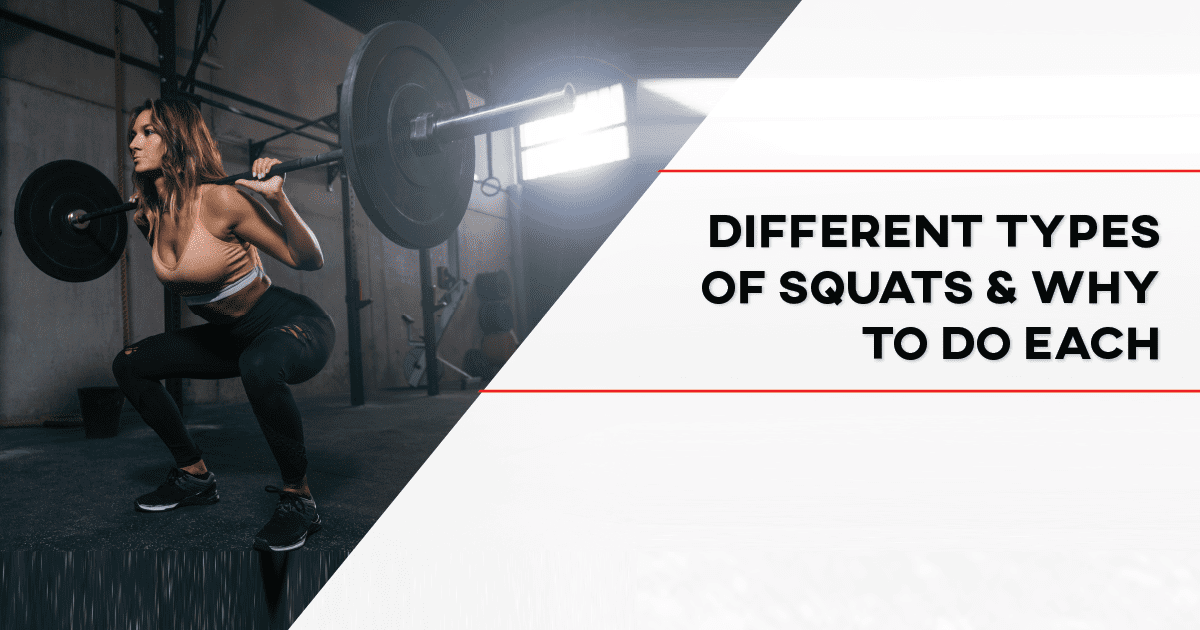
Start by placing the barbell securely on your upper traps, not your neck. Your hands should grip the bar just outside your shoulders, keeping your elbows pointed downward to create a stable shelf.
Your feet should be shoulder-width apart or slightly wider, with toes angled out around 15-30 degrees. This stance helps you maintain balance and engage the right muscles.
Before you squat, take a deep breath and brace your core as if preparing for a punch. This tightness protects your spine and gives you more control during the movement.
Safety Measures
Never sacrifice form for heavier weights—this is a common mistake that leads to injury. Keep your chest up and back straight throughout the squat to avoid rounding your spine.
Use a spotter or safety bars if you’re lifting near your maximum weight. These precautions can save you from potential accidents when fatigue sets in.
Wearing a weightlifting belt can also help stabilize your core, especially during heavy sets. But remember, a belt isn’t a substitute for proper technique.
Strength Gains
The barbell back squat challenges multiple muscle groups, which means you’ll see improvements not just in your legs but also in your overall strength. Adding weight gradually forces your muscles to adapt and grow.
Tracking your progress with a training log can help you push your limits safely. Have you noticed how consistent squatting can boost your performance in other lifts like deadlifts or bench presses?
Don’t overlook recovery; your strength gains depend on how well you rest and fuel your body after intense squat sessions. How are you supporting your muscles between workouts?

Credit: www.prevention.com
Front Squats
Front squats are a powerful variation of the traditional squat that shifts the focus to different muscle groups and demands a unique technique. This exercise places the barbell on the front of your shoulders, which changes your body’s mechanics and balance. Mastering front squats can improve your posture, core strength, and quad development.
Positioning The Bar
Placing the bar correctly is crucial for a successful front squat. Rest the barbell on your front deltoids, just above your collarbone, with your elbows pointing straight ahead. This position helps keep your chest up and prevents you from leaning forward.
Many beginners find it tricky to hold the bar without wrist pain. You can either cross your arms over the bar or use a clean grip, where your fingers support the bar and your elbows stay high. Which grip feels more natural to you?
Core Engagement
Your core works harder in a front squat than in many other squat variations. Because the bar is in front, you need to brace your abs tightly to keep your spine upright and avoid tipping forward. Think of your core as a solid wall that holds your torso steady throughout the movement.
I noticed a big difference in my posture and lower back comfort after focusing on core engagement during front squats. Try tightening your stomach muscles before you descend—it can help protect your back and improve your balance.
Differences From Back Squats
Front squats and back squats may look similar, but they challenge your body in very different ways. Front squats emphasize your quads and core more, while back squats target your glutes and hamstrings to a greater extent.
Another key difference is your torso angle. Front squats keep your upper body more upright, which reduces stress on your lower back. If you struggle with back pain during squats, front squats might be a safer choice for you.
Split Squats And Bulgarian Variations
Split squats and Bulgarian variations are powerful exercises that challenge your legs and balance in unique ways. These movements put one leg in front while the other supports your body from behind, creating an intense workout for your lower body. If you want to strengthen your thighs, glutes, and improve stability, these exercises deserve a spot in your routine.
Step-by-step Guide
- Stand with your feet about hip-width apart.
- Step one foot back and place it on a bench or elevated surface for Bulgarian split squats, or keep it behind on the ground for regular split squats.
- Keep your chest up and core tight as you bend your front knee, lowering your hips straight down.
- Make sure your front knee stays aligned over your ankle and doesn’t push past your toes.
- Lower until your front thigh is parallel to the floor, then push through your front heel to rise back up.
- Repeat for your desired reps, then switch legs.
Starting these movements felt tricky for me, especially balancing on one leg. But focusing on slow, controlled motions made a huge difference. Have you noticed how slowing down helps you master form better?
Balance And Stability
These exercises force your body to engage stabilizer muscles you don’t usually activate with regular squats. Your core, hips, and smaller leg muscles work overtime to keep you steady.
Try doing split squats near a wall or chair if you struggle with balance. Over time, your stability will improve, making these movements feel smoother and more controlled.
Are you ready to challenge your balance and build a stronger foundation for other workouts?
Targeted Muscles
| Muscle Group | Primary Focus | Role in Exercise |
|---|---|---|
| Quadriceps | Front of the thigh | Power the upward movement |
| Gluteus Maximus | Buttocks | Extend the hip during the squat |
| Hamstrings | Back of the thigh | Assist with hip extension and control descent |
| Core Muscles | Abdominals and lower back | Provide balance and torso stability |
Feeling soreness in these muscles after your workout? That’s a good sign your split squats are hitting the right spots. What muscles do you feel activating most during your sets?
Credit: theprehabguys.com
Sumo Squats
Sumo squats are a variation of the traditional squat exercise. They use a wider stance with toes pointed outward. This position targets different muscles than standard squats. Sumo squats help build strength in the hips, inner thighs, and glutes. They also improve balance and flexibility.
Wide Stance Benefits
A wide stance increases stability during the squat. It reduces stress on the knees by distributing weight evenly. This stance allows for a deeper squat, which engages more muscles. It also helps improve hip mobility over time. Sumo squats are ideal for those with tight hips or knee issues.
Hip And Inner Thigh Focus
Sumo squats target the hip adductors and inner thigh muscles. These muscles are less active in regular squats. Strengthening them improves overall leg power and shape. The wide stance stretches and activates the hips more effectively. This focus helps reduce hip tightness and discomfort.
Form Tips
- Stand with feet wider than shoulder-width apart.
- Point your toes outward at about a 45-degree angle.
- Keep your chest up and back straight.
- Lower your body by bending your knees and hips.
- Push through your heels to return to standing.
- Keep your knees aligned with your toes throughout.
- Avoid leaning forward or rounding your back.
Jump Squats
Jump squats add a dynamic twist to the traditional squat by combining strength and cardio. They challenge your muscles and your heart simultaneously, making them a favorite for athletes and fitness enthusiasts alike. If you want to boost your lower-body power and overall athleticism, jump squats might be your new go-to move.
Explosive Power Development
Jump squats train your muscles to generate force quickly. This explosive power is essential for sports like basketball, soccer, and sprinting. You’re not just building strength; you’re teaching your body to react faster and jump higher.
Think about how a sprinter pushes off the blocks. That quick burst of energy comes from explosive power, which jump squats help develop. Adding these to your routine can improve your vertical leap and sprint speed over time.
Landing Mechanics
How you land after a jump squat is just as important as the jump itself. Proper landing reduces the risk of injury by absorbing impact safely through your joints. Focus on bending your knees and hips as you land softly, keeping your core engaged.
Poor landing technique can lead to knee pain or other injuries. Practicing controlled landings builds better body awareness and strengthens stabilizing muscles. Have you noticed how athletes always land quietly? That’s the technique you should aim for.
Incorporating Into Workouts
You can add jump squats to almost any workout for an extra challenge. Try including them in circuits, pairing them with push-ups or lunges for a full-body burn. Start with 2-3 sets of 10-15 reps and increase as your power improves.
Jump squats also work great as a warm-up to activate your muscles before heavier lifts. Just remember, they’re high-impact, so give yourself time to recover between sets. What’s your current favorite way to add intensity to leg day?
Overhead Squats
The overhead squat is a powerful exercise that challenges strength and stability. It requires holding a weight above the head while performing a deep squat. This move tests balance, coordination, and flexibility. Athletes and fitness lovers use it to build full-body strength and improve posture. The overhead squat activates muscles from the legs to the core and shoulders.
Mobility Requirements
Good shoulder and thoracic spine mobility is essential. Your wrists, hips, and ankles must also move well. Tight muscles or joints limit the squat depth. This reduces exercise benefits and can cause injury. Stretching and mobility drills help prepare the body. Regular practice improves range of motion for overhead squats.
Full-body Engagement
The overhead squat activates multiple muscle groups. The legs power the squat movement. The core stabilizes the spine and maintains balance. The shoulders and upper back hold the weight steady. This exercise improves strength, stability, and coordination. It builds muscle endurance and joint control across the entire body.
Common Challenges
- Maintaining balance with the weight overhead
- Keeping the chest up and spine neutral
- Preventing knees from caving inward
- Achieving enough ankle and hip mobility
- Holding the bar steady without shaking
Many beginners struggle with these points. Gradual strength and mobility training helps overcome them. Lighter weights and proper form build confidence and ability over time.
Squat Variations For Beginners
Starting your squat journey with the right variations can set you up for success. Squat variations designed for beginners help you master the basics while building strength and confidence. These exercises focus on form and control, which are key to progressing safely.
Building A Foundation
Before adding weight or speed, focus on learning the proper squat form. Bodyweight squats are a great place to start because they teach you how to move your hips, knees, and ankles together. Pay attention to keeping your chest up and your knees tracking over your toes.
Try wall squats or box squats to help control your depth and improve balance. These variations limit your range, making it easier to understand the movement. Have you noticed how small adjustments in foot placement change how your legs feel during the squat?
Progressive Overload
Once your form feels solid, gradually add challenges to your routine to build strength. This could mean adding light dumbbells, resistance bands, or increasing squat repetitions. Small, consistent increases prevent burnout and help your muscles adapt.
Tracking your progress with a journal or app can motivate you to push a little further. What’s one small change you can make today to challenge your squat routine?
Avoiding Injury
Preventing injury starts with listening to your body during each squat session. Warm up properly to get your muscles ready and avoid sudden jumps in intensity. If you feel sharp pain or discomfort, pause and reassess your form or rest.
Using a mirror or recording your squats can help catch mistakes early. Have you ever noticed a wobble or imbalance that you didn’t feel while squatting? Correcting these early stops minor issues from becoming major setbacks.
Advanced Squat Techniques
Advanced squat techniques push your strength and control to new levels. These variations challenge your muscles differently and help break through plateaus. Trying these moves can reveal weaknesses you didn’t know you had and improve your overall squat form.
Pause Squats
Pause squats require you to stop and hold the bottom position for a few seconds before standing back up. This eliminates momentum and forces your muscles to engage harder during the hardest part of the lift.
When I added pause squats to my routine, my power out of the hole improved noticeably. You’ll also build better stability and control, which can prevent injuries. Try holding the pause for 2-3 seconds and feel how it changes your squat depth and strength.
Tempo Squats
Tempo squats slow down your movement, especially on the descent. For example, lowering yourself for 4 seconds, pausing briefly, then rising quickly. This controlled pace increases time under tension, which promotes muscle growth and endurance.
Slowing down helped me focus on keeping my knees aligned and my core tight. You can use a tempo like 4-1-1 (4 seconds down, 1 second pause, 1 second up) to improve your squat technique and muscle activation. How slow can you go without losing form?
Plyometric Squats
Plyometric squats add explosive power by turning your squat into a jump. Squat down and explode upward, landing softly to absorb impact. This trains your fast-twitch muscle fibers and boosts athletic performance.
Adding plyometric squats made my legs feel more powerful and responsive during sprinting and jumping. If you want to improve your speed or vertical leap, these are a must-try. Start with bodyweight to master the landing before adding resistance.
Frequently Asked Questions
What Are The Main Types Of Squat Exercises?
The main types include bodyweight squats, goblet squats, back squats, front squats, and sumo squats. Each targets different muscle groups and suits various fitness levels.
How Do Different Squats Target Muscles Differently?
Back squats focus on glutes and hamstrings, front squats engage quads more, while sumo squats target inner thighs. Variations help balance muscle development.
Are Squats Effective For Building Leg Strength?
Yes, squats are highly effective for leg strength. They engage multiple leg muscles, improving power, endurance, and overall lower body strength.
Can Beginners Safely Perform All Squat Types?
Beginners should start with bodyweight or goblet squats. These are easier to master and build proper form before progressing to weighted squats.
Conclusion
Squat exercises build strength and improve balance. Different types target various muscles in your legs and core. You can choose the best squat to match your fitness level. Regular practice helps increase flexibility and endurance. Always focus on good form to avoid injuries.
Try mixing squat types to keep workouts fresh and effective. Squats fit well into any exercise routine, whether at home or gym. Keep moving and enjoy the benefits of strong legs and a healthy body.







