
Are you curious about yoga but unsure if it’s right for you at this stage in life? You’re not alone, and you’re in the right place.
Yoga for elderly beginners is more than just a trend—it’s a rejuvenating practice that can bring a wealth of benefits to your daily routine. Imagine waking up with more energy, less stress, and a body that feels flexible and strong.
The best part? You don’t need to have any prior experience to start. We will explore how yoga can be a gentle yet powerful tool to enhance your well-being, improve your balance, and boost your confidence. Ready to discover a new path to health and tranquility? Keep reading to find out how yoga can transform your life, one pose at a time.
Benefits Of Yoga For Seniors
Yoga offers many benefits for seniors. It helps improve physical strength and mental well-being. Practicing yoga regularly can make daily activities easier and more enjoyable. It also supports a healthy lifestyle and reduces health risks. Seniors who practice yoga often feel more energetic and balanced.
Improving Flexibility
Yoga gently stretches muscles and joints. This increases the range of motion and reduces stiffness. Improved flexibility helps seniors move more freely. It also lowers the chance of injuries during daily tasks. Simple yoga poses can make a big difference over time.
Enhancing Balance And Stability
Yoga includes poses that focus on balance. Better balance reduces the risk of falls, a common concern for seniors. Stability exercises strengthen core muscles and improve posture. This support helps maintain confidence while walking or standing. Practicing balance regularly builds body awareness.
Boosting Mental Health
Yoga encourages deep breathing and relaxation. These reduce stress and anxiety levels. It also helps improve focus and memory. Many seniors report feeling calmer and happier after yoga sessions. The social aspect of group yoga can reduce feelings of loneliness.
Supporting Joint Health
Yoga promotes gentle movement of joints. This can ease pain from arthritis and stiffness. It increases blood flow to joint tissues for better healing. Regular practice helps maintain joint function and reduces inflammation. Yoga offers a safe way to keep joints healthy and active.

Credit: www.youtube.com
Getting Started With Yoga
Starting yoga as an elderly beginner can be rewarding and gentle on the body. It helps improve flexibility, balance, and mental calmness. Choosing the right approach creates a positive experience and builds confidence. Small steps and careful planning make yoga enjoyable and safe.
Choosing The Right Yoga Style
Some yoga styles suit elderly beginners better than others. Look for gentle and slow-paced classes. Hatha yoga offers basic poses with focus on breathing. Restorative yoga uses props to support the body during poses. Chair yoga lets you practice seated, reducing strain on joints. These styles build strength and relaxation without pushing too hard.
Essential Equipment For Beginners
Simple equipment makes yoga more comfortable and accessible. A non-slip yoga mat provides cushioning and stability. Comfortable, stretchy clothes allow free movement. Yoga blocks help support poses and improve balance. A sturdy chair aids seated exercises or standing balance. Keep water nearby to stay hydrated during practice.
Safety Tips For Elderly Practitioners
- Consult a doctor before starting any new exercise.
- Start with short sessions and slowly increase time.
- Listen to your body and avoid pain or discomfort.
- Practice in a quiet, clutter-free space to prevent falls.
- Use props and supports to maintain proper posture.
- Focus on slow, deep breathing to enhance relaxation.
- Stop immediately if you feel dizzy or unwell.
Easy Yoga Poses For Beginners
Starting yoga can feel gentle and calming for elderly beginners. Simple poses help improve flexibility, balance, and strength. These easy yoga poses need no special skills or equipment. They can be done at home using a chair or a wall for support. Each pose focuses on slow movements and mindful breathing. This approach keeps the body safe and relaxed.
Seated Cat-cow Stretch
Sit tall on a chair with feet flat on the floor. Place your hands on your knees. Inhale and arch your back, lifting your chest and chin. Exhale and round your spine, tucking your chin toward your chest. Repeat this gentle movement to warm up your spine and ease tension.
Chair Warrior Pose
Sit sideways on a chair with your legs wide apart. Place your hands on your hips. Turn your upper body toward the chair back. Lift your arms to shoulder height. Hold this pose to strengthen your legs and improve posture.
Standing Mountain Pose
Stand with feet hip-width apart and arms by your sides. Spread your toes and balance your weight evenly. Reach your arms overhead with palms facing each other. Keep your shoulders relaxed and look straight ahead. This pose helps with balance and body awareness.
Gentle Tree Pose
Stand near a wall or chair for support. Place one foot on the opposite ankle or calf. Avoid the knee. Bring your hands to prayer position in front of your chest. Hold steady while breathing deeply. This pose improves balance and concentration.
Supported Bridge Pose
Lie on your back with knees bent and feet flat on the floor. Keep your arms by your sides. Press your feet and lift your hips gently. Place a pillow or block under your lower back for support. Relax in this pose to stretch your chest and strengthen your legs.
Breathing Techniques To Complement Yoga
Breathing techniques greatly enhance yoga practice for elderly beginners. They help calm the mind and improve focus. These simple breaths support gentle movements and promote relaxation. Learning easy breathing methods can boost energy and reduce stress.
Deep Belly Breathing
Deep belly breathing fills the lungs fully with air. Place one hand on the belly and the other on the chest. Inhale slowly through the nose, letting the belly rise. Exhale gently through the mouth, feeling the belly fall. This breath increases oxygen flow and soothes the nervous system.
Alternate Nostril Breathing
Alternate nostril breathing balances the left and right sides of the body. Use your thumb to close one nostril. Inhale deeply through the open nostril. Close it with your ring finger and release the thumb. Exhale through the other nostril. Repeat this pattern slowly to calm the mind and improve focus.
Relaxation Breaths
Relaxation breaths slow the breathing and ease tension. Inhale deeply through the nose for a count of four. Hold the breath gently for a count of four. Exhale slowly through the mouth for a count of six. Repeat this cycle to relax muscles and lower heart rate.
Creating A Consistent Practice
Creating a consistent yoga practice helps elderly beginners enjoy steady progress and better health. Regular practice builds strength, balance, and flexibility over time. Consistency also improves mental focus and reduces stress. Establishing good habits early makes yoga a natural part of daily life.
Setting Realistic Goals
Start with small, clear goals. Aim for short sessions, like 10 to 15 minutes daily. Choose poses that feel comfortable and safe. Avoid pushing too hard to prevent injury. Celebrate each achievement, no matter how small. Realistic goals keep motivation high and reduce frustration.
Building A Routine
Pick a regular time for yoga practice. Morning or evening works well for many. Find a quiet, comfortable space at home. Use a yoga mat or soft surface for support. Prepare simple props like a chair or blocks if needed. A routine turns yoga into a habit that lasts.
Tracking Progress And Adjusting
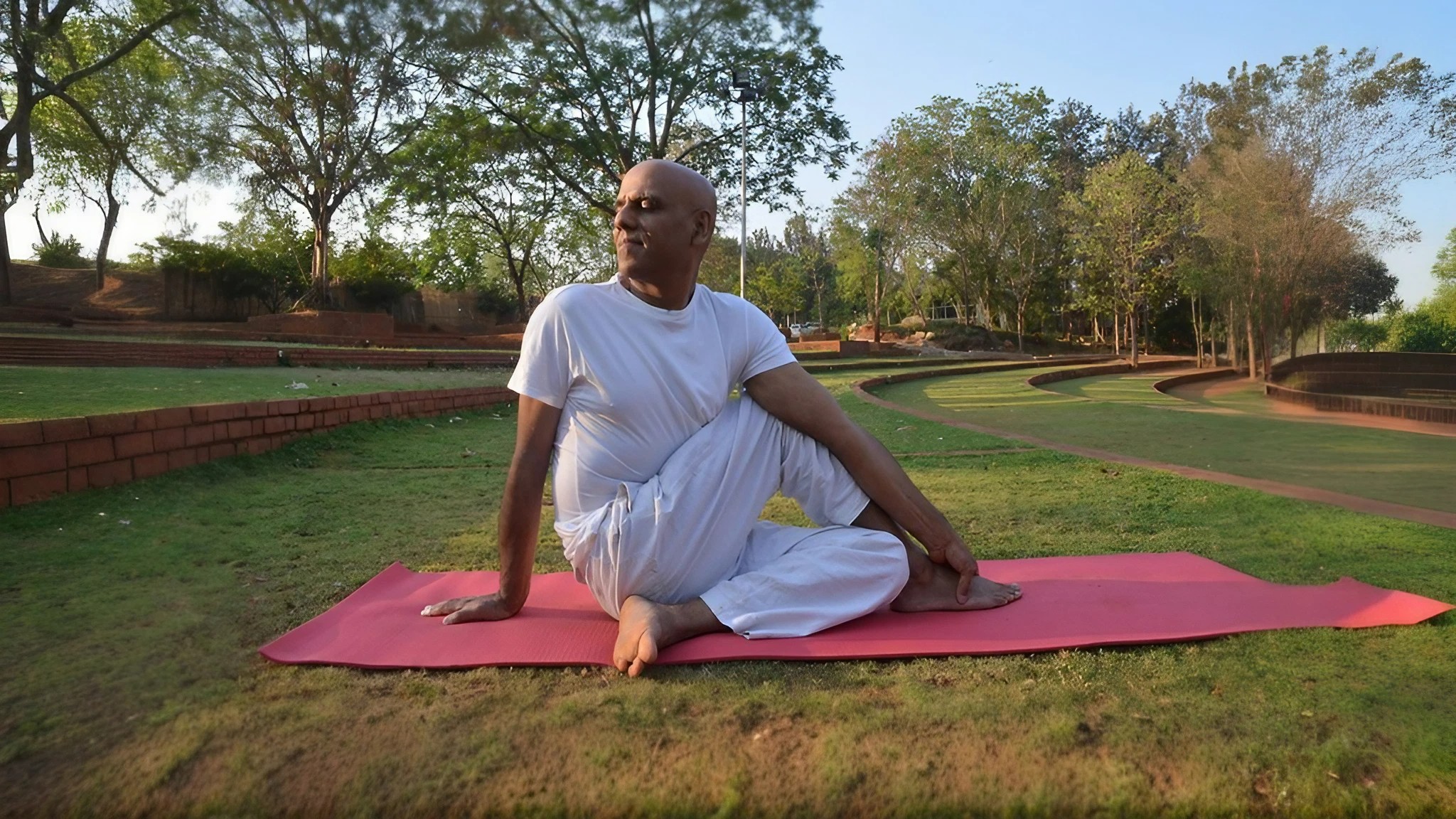
Keep a journal or use an app to note progress. Record which poses feel easier or harder each day. Notice improvements in balance, strength, or breathing. Change the routine if poses feel too easy or too tough. Adjustments help keep practice safe and effective.
Credit: www.artofliving.org
Modifications And Props For Comfort
Starting yoga as an elderly beginner can feel challenging, especially when dealing with aches or limited flexibility. Using modifications and props can transform your practice into a comfortable and enjoyable experience. These simple adjustments help you stay safe while still gaining the benefits of yoga.
Using Chairs And Blocks
Chairs and blocks are excellent tools to support your balance and reduce strain. Sitting on a sturdy chair allows you to perform poses like seated twists or gentle stretches without worrying about falling.
Blocks can raise the floor closer to you during standing poses, making it easier to reach your hands down without bending too far. Imagine how much more relaxed your muscles feel when you don’t have to stretch to the point of discomfort.
Have you tried using a chair for your yoga practice yet? It might just be the key to feeling steady and confident.
Adjusting Poses For Limited Mobility
Not every pose needs to be done exactly as shown in pictures or videos. You can change the depth or angle of a pose to suit your body’s needs.
If a forward bend feels too intense, try bending your knees slightly or reducing how far you reach. This keeps your spine safe and prevents strain.
Remember, the goal is to feel a gentle stretch, not pain. What small changes can you make to a pose today to make it more accessible?
Incorporating Gentle Stretches
Gentle stretches prepare your body for more movement and reduce stiffness. Simple neck rolls, shoulder shrugs, and ankle circles can make a big difference.
Starting with these easy moves helps increase blood flow and warms up muscles gradually. You might notice improved flexibility and less discomfort as your practice grows.
Could adding just five minutes of gentle stretching to your routine improve how you feel throughout the day?

Credit: www.amazon.com
Frequently Asked Questions
What Are The Best Yoga Poses For Elderly Beginners?
Gentle poses like Cat-Cow, Child’s Pose, and Chair Pose are ideal. These improve flexibility and balance without strain. Starting slowly helps build strength and confidence safely.
How Often Should Elderly Beginners Practice Yoga?
Practicing yoga 3 to 4 times a week is beneficial. Consistency aids flexibility, balance, and relaxation. Short sessions of 20-30 minutes suit beginners well.
Is Yoga Safe For Seniors With Health Issues?
Yes, with proper guidance and modifications. Always consult a doctor before starting. A certified instructor can tailor poses to individual needs and limitations.
Can Yoga Improve Balance And Prevent Falls In Elderly?
Absolutely. Yoga enhances muscle strength and body awareness. Improved balance reduces fall risk, promoting safer daily movements for seniors.
Conclusion
Yoga offers gentle ways to stay active and healthy for elderly beginners. It helps improve balance, flexibility, and strength. Small steps each day make a big difference. Enjoy the calm and peace yoga brings to your mind. Choose poses that feel good and safe for you.
Remember, consistency matters more than intensity. Start slow and listen to your body. Yoga can bring joy and better health in later years. Give yourself time and be patient. Your body will thank you.







