
Are you curious about yoga but unsure where to start? You’re not alone.
Yoga is more than just exercise; it’s a path to both physical and mental well-being. Imagine feeling more relaxed, flexible, and energetic each day. As a beginner, you might feel overwhelmed by all the poses and terms. But here’s the good news: you don’t need to be an expert to reap the benefits of yoga.
Whether you’re looking to reduce stress, gain strength, or simply find some peace in your busy life, this guide is your first step. Let’s explore how you can make yoga an enjoyable and fulfilling part of your daily routine. Dive in, and discover how yoga can transform your life, one pose at a time.
Choosing The Right Yoga Style
Choosing the right yoga style is key for beginners. It shapes your experience and keeps you motivated. Yoga styles vary a lot. Some focus on slow movements, others on flow and strength. Picking a style that fits your body and mind helps build a strong habit.
Hatha Vs Vinyasa
Hatha yoga moves slowly with clear poses. It suits beginners well. You learn basic postures and breathing. Vinyasa yoga flows faster. It links breath and movement smoothly. This style builds stamina and flexibility. Beginners may find Vinyasa more challenging but rewarding.
Restorative And Gentle Options
Restorative yoga uses props to support the body. It relaxes muscles and calms the mind. Gentle yoga includes simple poses and soft stretches. These styles suit those with injuries or stress. They create a peaceful yoga experience without strain.
Finding Your Fit
Try different classes or videos. Notice how your body feels during each session. Consider your goals: relaxation, strength, or flexibility. Choose a style that matches your energy and comfort level. Enjoy the journey of discovering yoga that fits you best.
Credit: myyogateacher.com
Setting Up Your Practice Space
Setting up your own space for yoga practice helps build focus and comfort. A dedicated area encourages regular practice and peace of mind. The right environment supports your body and mind during each session.
Selecting A Quiet Spot
Choose a place away from noise and distractions. A corner in your room or a small area in the living room works well. Natural light adds calmness but avoid direct sun that may cause discomfort. Make sure the floor is flat and clean for stability and safety.
Essential Equipment
Basic items help improve your comfort and posture during yoga. A good yoga mat is a must for cushioning and grip. Comfortable clothes that allow movement are important. You may also want a yoga block or strap to assist with difficult poses. Keep a water bottle nearby to stay hydrated.
Creating A Calm Atmosphere
Set a peaceful mood to help your mind relax. Use soft lighting or candles for a warm glow. Play gentle instrumental music or nature sounds if it helps you focus. Keep the space tidy and free of clutter to avoid distractions. Adding plants can bring freshness and a sense of calm.
Basic Poses To Begin With
Starting yoga can feel overwhelming without a clear path. Basic poses build strength and flexibility. They prepare your body and mind for deeper practice. These poses focus on balance, breath, and gentle movement. Practicing them regularly helps avoid injury and improves posture.
Mountain Pose
Stand tall with feet together. Spread your toes and ground through your feet. Keep your spine straight and shoulders relaxed. Breathe deeply and feel your body steady. This pose improves posture and balance.
Downward Dog
Start on your hands and knees. Lift your hips up and back. Straighten your legs but keep a slight bend in knees. Press your heels toward the floor. This pose stretches the back and legs.
Child’s Pose
Kneel on the floor and sit back on your heels. Extend your arms forward and lower your chest to the ground. Rest your forehead on the mat. Breathe deeply to relax your body. This pose calms the mind and stretches the back.
Warrior Series
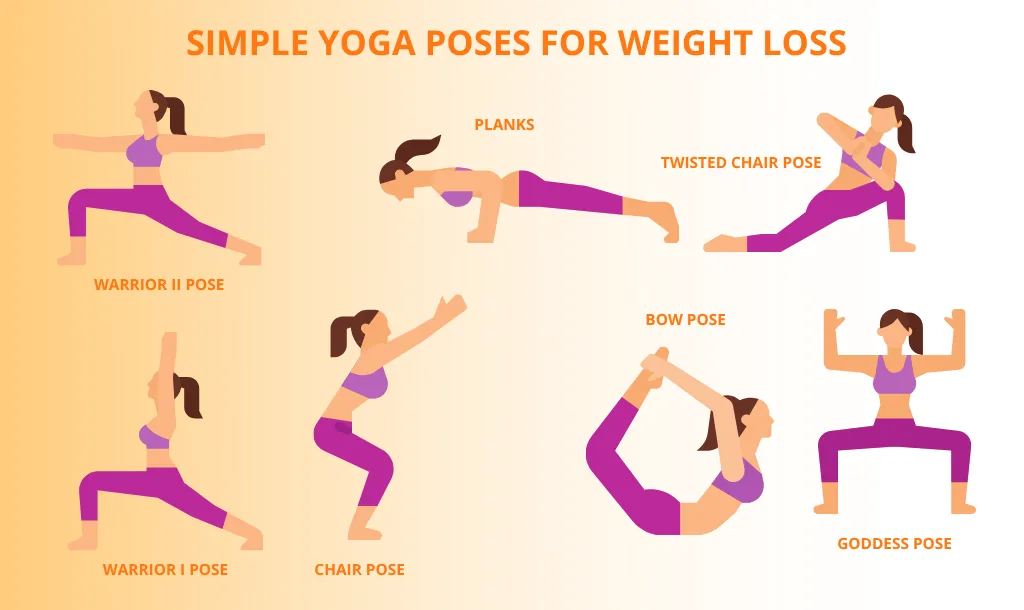
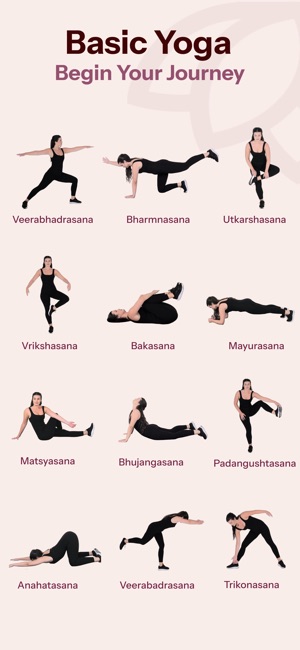
- Warrior I:Step one foot forward and bend the knee. Keep the other leg straight behind. Raise your arms overhead and look forward.
- Warrior II:From Warrior I, open your hips and arms to the sides. Gaze over your front hand.
- Warrior III:Shift weight onto the front foot. Lift the back leg and stretch your arms forward. Keep your body in a straight line.
The Warrior series builds strength and balance. These poses activate your legs and core.
Credit: apps.apple.com
Breathing Techniques For Beginners
Breathing is a key part of yoga practice. It helps calm the mind and body. Beginners should focus on simple breathing techniques. These methods improve relaxation and concentration. Practicing breath control can enhance your yoga experience and support your physical movements.
Diaphragmatic Breathing
Diaphragmatic breathing uses the diaphragm muscle to breathe deeply. Breathe in slowly through your nose. Feel your belly rise as you fill your lungs. Exhale gently through your mouth or nose. This technique increases oxygen intake and lowers stress. It prepares your body for yoga poses.
Ujjayi Breath
Ujjayi breath is also called “victorious breath.” Inhale deeply through your nose. Slightly contract your throat to make a soft sound. Exhale through the nose with the same sound. This breath helps you focus and stay calm. It keeps your energy steady during yoga practice.
Breath Awareness
Breath awareness means paying close attention to your breathing. Sit quietly and notice how you breathe. Do not try to change it. Observe the rhythm and depth of each breath. This practice improves mindfulness and reduces tension. It connects your mind and body for better yoga flow.
Building A Consistent Routine
Building a consistent yoga routine is key to experiencing its full benefits. Without regular practice, progress can stall, and motivation may fade quickly. Creating a steady habit helps you stay connected to your body and mind, turning yoga into a rewarding part of your daily life.
Setting Realistic Goals
Start by asking yourself what you want from yoga. Are you looking to increase flexibility, reduce stress, or build strength? Setting clear, achievable goals keeps your practice focused and prevents frustration.
Begin with small targets, like practicing for 10 minutes three times a week. This is easier to maintain than aiming for an hour every day. As you feel more comfortable, you can gradually increase your goals without overwhelming yourself.
Time Management Tips
Finding time for yoga can feel tough if your schedule is busy. Look for short pockets during the day—early morning, lunch breaks, or right before bed can work well.
Try adding yoga to activities you already do, like stretching while watching TV or doing breathing exercises during a commute. Planning sessions ahead and setting reminders on your phone also help keep you on track.
Tracking Progress
Keeping track of your practice helps you see how far you’ve come. Use a simple journal or an app to note your sessions and any improvements in flexibility or mood.
Reflecting on your progress boosts motivation, especially on days when you feel like skipping. Have you noticed how consistent effort changes your energy or focus after just a few weeks?

Credit: www.freepik.com
Common Challenges And Solutions
Starting yoga can bring many benefits, but it also comes with some common challenges. Beginners often face soreness, motivation dips, and injury risks. Understanding these issues helps to enjoy yoga safely and steadily.
Dealing With Soreness
Soreness is normal after new yoga sessions. It shows muscles are working and stretching. To ease soreness:
- Rest and hydrate well.
- Use gentle stretches to relax muscles.
- Apply warm compresses to soothe tight areas.
- Try light walking to keep blood flowing.
Listen to your body. Avoid pushing too hard during early practices.
Staying Motivated
Yoga requires regular practice for good results. Motivation can drop over time. Keep it strong by:
- Setting small, clear goals.
- Practicing at the same time each day.
- Tracking progress with a journal or app.
- Joining group classes for support.
- Celebrating small achievements.
Enjoy the process, not just the results. This mindset helps maintain interest.
Avoiding Injuries
Injuries happen mostly from poor form or pushing too far. Prevent injuries by:
- Learning basic poses from a qualified teacher.
- Using props like blocks or straps for support.
- Warming up before practice.
- Stopping if you feel sharp pain.
- Practicing slowly and with control.
Safety first. Correct technique protects your body and ensures steady progress.
Incorporating Mindfulness And Meditation
Adding mindfulness and meditation to your yoga practice transforms it into a deeply personal experience. It helps you stay present, calm, and aware. This approach not only enhances your physical poses but also nourishes your mind and spirit.
Simple Meditation Practices
You don’t need to sit for hours to meditate. Start with just five minutes of quiet sitting. Focus your attention on your breath or a gentle word, like “peace.”
If your mind wanders, gently bring it back without judgment. Try guided meditations available on apps or online if you prefer some direction. Consistency matters more than duration—small daily sessions build a strong habit.
Connecting Breath And Movement
Your breath acts as a bridge between your body and mind during yoga. Pay attention to how you inhale and exhale as you move through poses. This link slows you down and keeps you grounded.
Try syncing your breath to your movements—inhale as you stretch, exhale as you fold. This simple focus can improve your balance and deepen your stretches. Have you noticed how breathing deeply changes your energy?
Benefits For Mental Health
Mindfulness and meditation reduce stress and anxiety by calming your nervous system. Yoga combined with these practices helps clear mental clutter, improving focus and emotional balance.
Many people find better sleep and a more positive outlook after regular practice. How might a few minutes of daily mindfulness shift your mood or productivity?
Resources For Continued Learning
Continuing your yoga journey requires good resources that fit your lifestyle. Resources can guide your practice safely and keep you motivated. They help build knowledge step by step.
Choose tools that match your learning style. Some prefer apps or videos, others like books or in-person classes. Here are useful options to explore.
Recommended Apps And Videos
Apps offer flexibility and structure. They provide guided sessions and track progress. Videos show correct poses and breathing techniques.
- Yoga with Adriene:Easy to follow videos for beginners.
- Down Dog:Customizable yoga app with various levels.
- Daily Yoga:Offers classes and community support.
- Gaia:Features in-depth yoga and meditation videos.
Finding Local Classes
Local classes provide hands-on guidance and social connection. Teachers correct your form and offer personal tips. Group classes create motivation and routine.
- Check community centers or gyms nearby.
- Search for yoga studios with beginner-friendly classes.
- Ask friends or family for recommendations.
- Look for outdoor yoga events in parks.
Books For Beginners
Books build a strong foundation in yoga philosophy and practice. They explain poses, breathing, and mindfulness in detail. Good for self-paced learning.
- “Yoga for Beginners”by Susan Neal – Clear instructions and photos.
- “The Heart of Yoga”by T.K.V. Desikachar – Explores yoga philosophy and practice.
- “Light on Yoga”by B.K.S. Iyengar – Classic guide with detailed poses.
- “Yoga Anatomy”by Leslie Kaminoff – Understand body movements in yoga.
Frequently Asked Questions
What Are The Best Yoga Poses For Beginners?
Starting with basic poses like Downward Dog, Child’s Pose, and Mountain Pose helps build strength and flexibility safely. These poses improve balance and body awareness, making them ideal for beginners.
How Often Should Beginners Practice Yoga?
Beginners should aim for 3 to 4 sessions per week, each lasting 20 to 30 minutes. Consistency helps develop flexibility, strength, and mindfulness gradually without strain.
What Equipment Do Beginners Need For Yoga?
A yoga mat is essential for comfort and grip. Optional items include yoga blocks and straps to assist with flexibility and proper alignment.
Can Beginners Do Yoga At Home Safely?
Yes, beginners can practice at home using online videos or apps. Ensure a quiet space, follow instructions carefully, and avoid pushing beyond comfort.
Conclusion
Starting yoga brings many benefits to your body and mind. It helps reduce stress and makes you feel calm. Practicing regularly improves your strength and balance. Take small steps and listen to your body. Enjoy each moment and be patient with yourself.
Yoga is a journey, not a race. Keep practicing and you will see positive changes soon.







