
Are you thinking about starting yoga but feeling overwhelmed by all the fancy poses and intense classes? You’re not alone.
Yoga can seem intimidating at first, but here’s the good news: you can start right from the comfort of your home. Imagine rolling out your mat, taking a deep breath, and finding your own pace without any pressure. This isn’t just about stretching and bending; it’s about finding a moment of peace in your day.
You’ll discover how a simple yoga routine can transform your body and mind, helping you feel more relaxed and energized. Ready to learn how to make yoga a part of your daily life? Let’s dive in and explore how you can start practicing yoga for beginners at home today.

Credit: apps.apple.com
Getting Started With Yoga
Starting yoga at home can be simple and calming. It needs a little planning and the right mindset. A quiet, comfortable place helps you focus better. Having the right gear makes poses easier and safer. Setting small, clear goals keeps your practice steady. These steps make your yoga journey smooth and enjoyable.
Choosing The Right Space
Pick a spot with enough room to stretch out. Clean and clutter-free areas create peace of mind. Natural light can boost mood and energy. A quiet corner reduces distractions and helps you concentrate. Use a soft rug or yoga mat to avoid slipping. Keep your space ready to invite regular practice.
Essential Yoga Gear
Start with a good yoga mat to cushion your body. Comfortable clothes that stretch freely support movement. Blocks or straps can assist with flexibility and balance. A towel and water bottle keep you refreshed. These simple items improve comfort and safety during sessions.
Setting Realistic Goals
Set small, clear goals to stay motivated. Begin with short sessions, around 10 to 15 minutes. Focus on learning basic poses and breathing techniques. Track your progress without pressure or rush. Celebrate each step forward to build confidence.

Credit: www.freepik.com
Basic Yoga Poses For Beginners
Starting yoga at home can feel overwhelming, but focusing on a few basic poses helps you build confidence and strength. These foundational poses support your body and mind, making your practice enjoyable and safe. You’ll find that mastering these simple postures sets the tone for deeper stretches and better balance as you progress.
Mountain Pose
Mountain Pose is the base for many yoga poses and helps improve your posture. Stand tall with your feet hip-width apart, arms relaxed by your sides, and shoulders back. Feel your weight evenly spread across both feet and imagine a string gently pulling you upward.
Try holding this pose for 30 seconds while focusing on your breath. Have you noticed how standing tall can instantly boost your confidence?
Downward Dog
Downward Dog stretches your hamstrings, calves, and spine while strengthening your arms and shoulders. Start on your hands and knees, then lift your hips towards the ceiling, straightening your legs as much as comfortable. Keep your hands shoulder-width apart and feet hip-width apart.
It’s normal for your heels not to touch the ground at first. With practice, you’ll notice improved flexibility and relief from tension in your back and legs.
Child’s Pose
Child’s Pose is a restful position that gently stretches your back and hips. Kneel on the floor, sit back on your heels, and extend your arms forward on the mat. Lower your forehead to the floor and breathe deeply.
This pose offers a moment to reset during your practice. Have you tried using it to calm your mind after a busy day?
Cat-cow Stretch
This stretch warms up your spine and improves flexibility. Begin on your hands and knees with a neutral spine. Inhale as you arch your back (Cow), lifting your head and tailbone, then exhale as you round your spine (Cat), tucking your chin to your chest.
Moving slowly between these positions helps release tension and encourages mindful breathing. How does your body feel after just a few rounds?
Warrior I
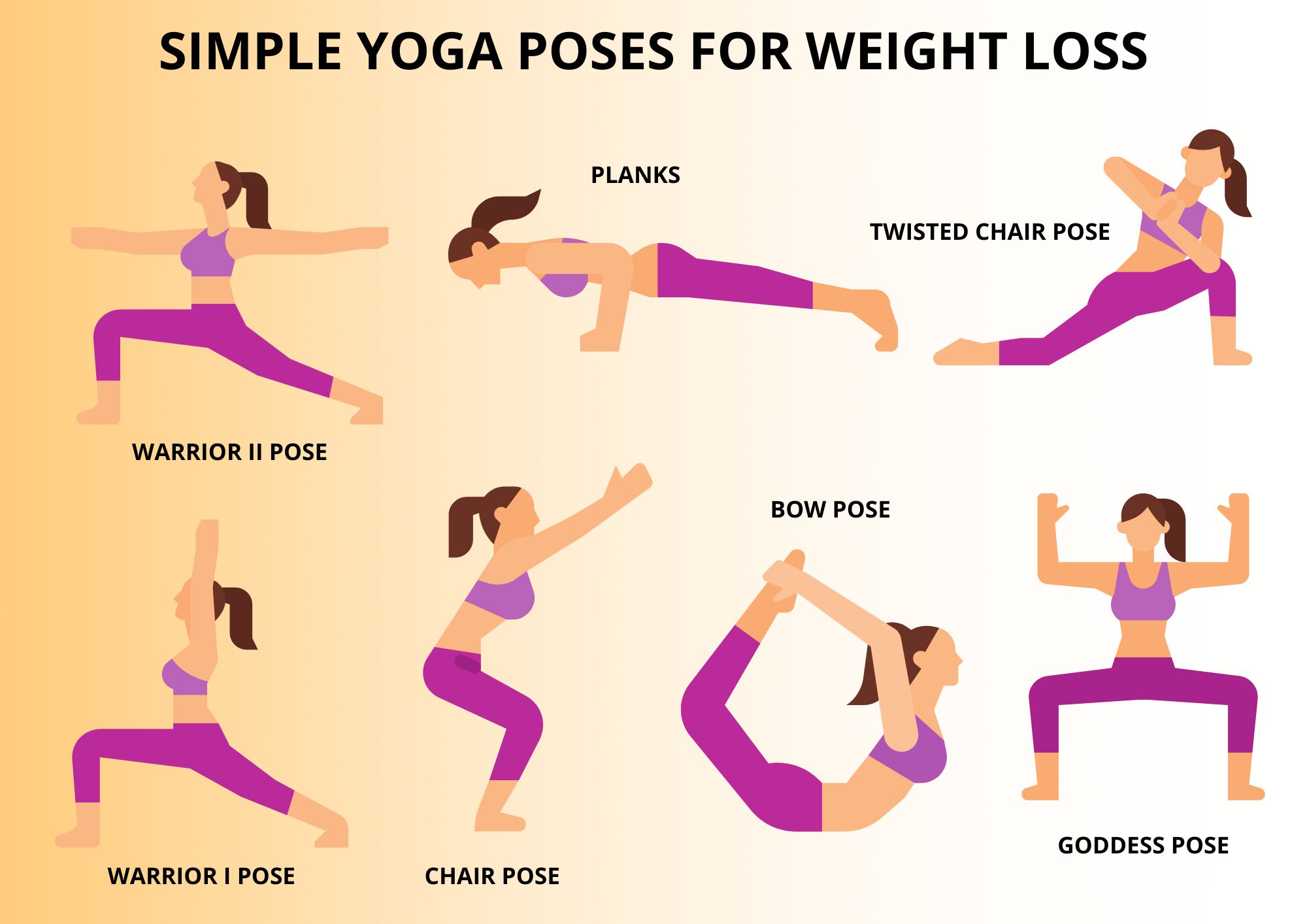
Warrior I builds strength and stability in your legs and core. Step one foot forward into a lunge, keeping the back foot angled slightly out. Raise your arms overhead and square your hips toward the front.
Hold this pose for several breaths to boost your focus and balance. Can you feel the power and energy flowing through your body?
Creating A Simple Yoga Routine
Creating a simple yoga routine at home can make your practice feel manageable and enjoyable. It helps you build consistency without feeling overwhelmed. Think of it as crafting a small daily habit that fits your lifestyle and energy levels.
Warm-up Exercises
Starting with gentle warm-up exercises prepares your body for yoga poses. Simple stretches like neck rolls, shoulder shrugs, and wrist circles help loosen tight areas. I once skipped warming up and noticed my muscles felt stiff during practice—it slowed me down.
Try these easy moves to get started:
- Cat-Cow stretches to awaken your spine
- Seated side bends to open your ribs
- Gentle hip circles to increase mobility
Combining Poses
Linking a few basic poses creates a flow that feels natural and keeps your body engaged. You don’t need complicated sequences; a few poses done in order can be enough. For example, moving from Downward Dog to Child’s Pose and then to Cobra can stretch and strengthen key areas.
Ask yourself: What feels good for your body today? Adjust the poses and hold times based on your energy and comfort.
Cool-down Techniques
Ending your routine with cool-down techniques helps your body relax and prevents soreness. Simple breathing exercises and gentle stretches calm your mind and muscles. I find that spending just five minutes in Savasana or deep breathing clears my head and resets my mood after practice.
- Deep belly breathing to slow your heart rate
- Seated forward fold for hamstring release
- Legs-up-the-wall pose for relaxation
Tips For Staying Consistent
Staying consistent with your yoga practice at home can be challenging, but it’s the key to seeing real progress. Small changes in how you approach your routine can make a big difference. Let’s look at some practical tips that help keep your practice steady and rewarding.
Scheduling Your Practice
Set a specific time for yoga each day, just like any important appointment. Choose a time when you feel most alert and least likely to be interrupted—morning or evening often works well.
Try to stick to this schedule even on busy days. Treat these moments as a priority, not an option. Consistency builds habit, and habit builds progress.
Tracking Progress
Keep a simple journal or use an app to record your yoga sessions. Note what poses you did, how you felt before and after, and any improvements or challenges.
Seeing your progress over weeks can be surprisingly motivating. It also helps you identify what works best for your body and mind, so you can adjust your practice accordingly.
Staying Motivated
Find ways to make your practice enjoyable. Play music you love, try new poses, or join an online yoga community to share experiences and tips.
Ask yourself why you started yoga in the first place. What do you hope to achieve? Keeping your goals in mind can push you to keep going, even when motivation dips.
Have you noticed how small wins can spark bigger breakthroughs in your routine? Celebrate those moments to fuel your dedication.
Benefits Of Home Yoga Practice
Practicing yoga at home offers many benefits that improve your life. It creates a peaceful space for your body and mind. You can grow stronger, calmer, and more flexible without leaving your house. Home yoga fits your schedule and comfort level. It helps build healthy habits that last.
Physical Health Improvements
Yoga helps improve your heart health and circulation. It lowers blood pressure and reduces pain in joints. Regular practice boosts your energy and endurance. It also supports better breathing and digestion. Home yoga allows consistent practice, leading to steady health gains.
Mental Wellbeing
Yoga calms your mind and reduces stress. It encourages focus and mindfulness in daily life. The breathing exercises help control anxiety and promote relaxation. Practicing at home creates a safe, quiet space for mental peace. This routine can improve sleep quality and mood.
Flexibility And Strength Gains
Yoga stretches your muscles and joints gently. It increases your range of motion and reduces stiffness. Strength builds as you hold poses and balance. Over time, your body feels more stable and less prone to injury. Home practice lets you progress at your own pace.
Common Mistakes To Avoid
Starting yoga at home is exciting but can lead to common mistakes. These errors may cause discomfort or slow progress. Avoiding them helps make yoga safe and enjoyable. Focus on proper practice to build a strong foundation.
Overstretching
Beginners often try to push their bodies too far. Stretching beyond comfort can cause muscle strain or injury. Yoga is about gradual improvement, not forcing poses. Listen to your body’s limits and ease into each stretch.
Ignoring Breath Control
Breath is key to yoga’s benefits. Many beginners hold their breath or breathe shallowly. This reduces relaxation and focus. Practice slow, deep breathing to improve oxygen flow and calm the mind. Match breath with movement for better results.
Skipping Warm-ups
Warm-ups prepare muscles and joints for yoga poses. Skipping them can lead to stiffness or injury. Spend a few minutes on gentle movements before starting your session. This helps your body adapt and reduces the risk of strain.
Credit: myyogateacher.com
Frequently Asked Questions
What Are The Best Yoga Poses For Beginners At Home?
Start with simple poses like Child’s Pose, Downward Dog, and Cat-Cow. These builds flexibility and strength safely. They are easy to follow and require minimal space or equipment.
How Often Should Beginners Practice Yoga At Home?
Aim for 3 to 5 sessions per week. Each session can last 20 to 30 minutes. Consistency improves flexibility, strength, and relaxation over time.
Do I Need Special Equipment For Home Yoga?
No special equipment is needed. A yoga mat provides comfort and grip. Optional items include blocks or straps to assist with poses.
Can Yoga At Home Reduce Stress Effectively?
Yes, yoga helps lower stress by promoting relaxation and mindfulness. Breathing exercises combined with gentle movement calm the mind and body.
Conclusion
Starting yoga at home brings calm and strength each day. Small steps lead to big changes in body and mind. Consistency matters more than perfect poses or long sessions. Enjoy the quiet moments and breathe deeply. Your space, your pace, your journey.
Keep trying, stay patient, and feel the benefits grow. Yoga can fit any schedule and any skill level. Begin today, and watch how simple practice improves your life.







