
Imagine starting your day with a sense of calm and clarity. Picture yourself feeling more flexible and balanced, both physically and mentally.
Hatha Yoga could be your key to unlocking these benefits. As a beginner, the world of yoga might seem vast and a bit intimidating, but Hatha Yoga welcomes you with open arms. It’s gentle yet effective, and designed to align your body and mind.
You don’t need to be a fitness expert to start; all you need is an open mind and a willingness to try something new. Dive into this guide to discover how Hatha Yoga can transform your life, one pose at a time. Your journey to a healthier, more centered you begins here. Curious to know more? Keep reading to find out how you can incorporate this ancient practice into your modern lifestyle and why it might just be the perfect fit for you.
What Is Hatha Yoga
Hatha yoga is a popular style of yoga that focuses on physical postures and breathing techniques. It helps beginners build strength, flexibility, and calm the mind. This form of yoga offers a gentle introduction to the practice, making it ideal for new learners.
Hatha means “force” in Sanskrit. It combines two energies: “ha” (sun) and “tha” (moon). These represent balance and harmony in the body and mind.
Origins Of Hatha Yoga
Hatha yoga dates back hundreds of years. It developed in India as a way to prepare the body for meditation. The practice grew from ancient texts and traditions.
Core Elements Of Hatha Yoga
- Physical postures called asanas
- Breathing exercises known as pranayama
- Relaxation and meditation techniques
Benefits Of Practicing Hatha Yoga
- Improves flexibility and strength
- Reduces stress and anxiety
- Enhances focus and concentration
- Balances energy within the body
Hatha Yoga For Beginners
Classes move at a slow, steady pace. This allows beginners to learn poses carefully. Instructors guide students through each movement and breathing technique.
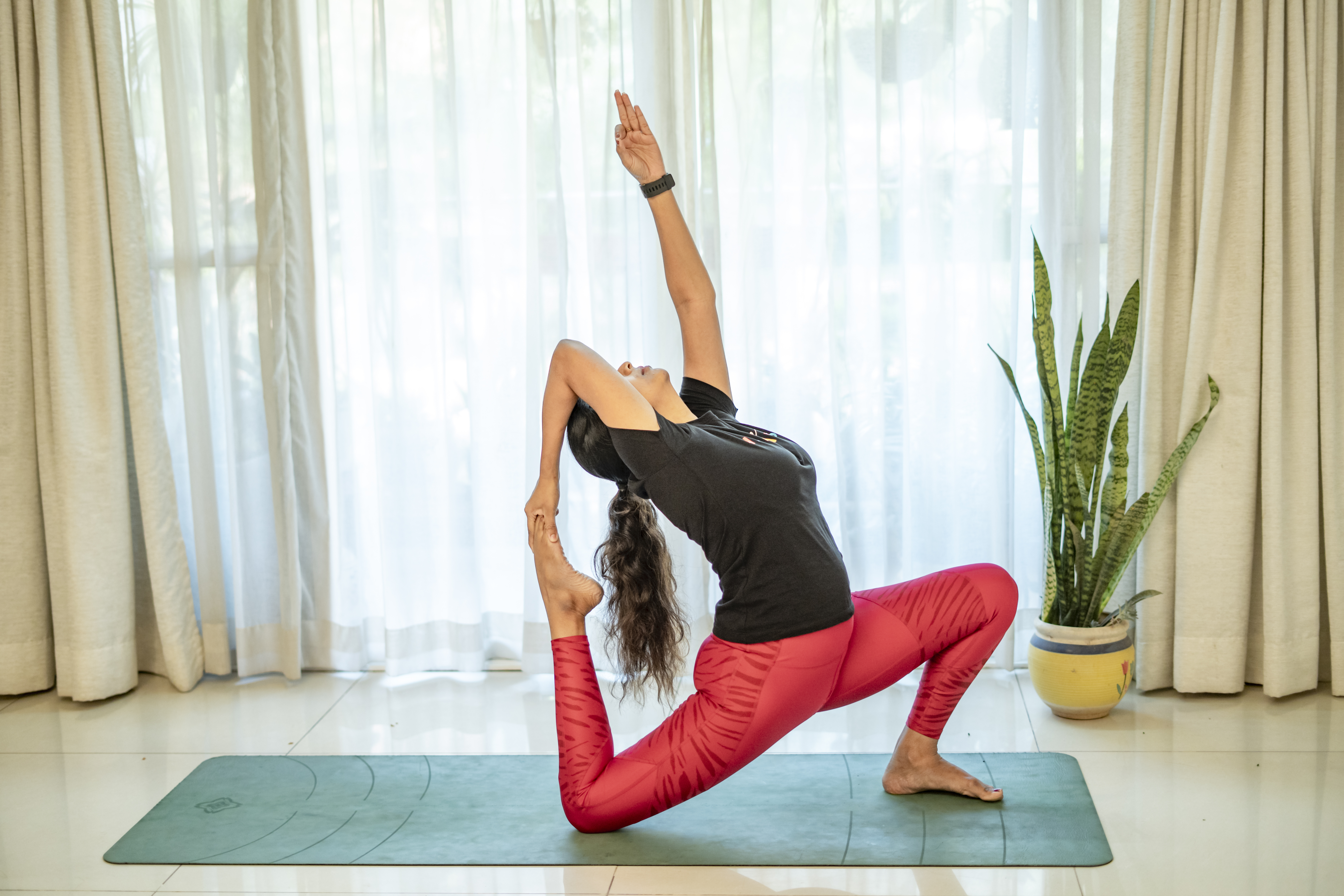
Credit: myyogateacher.com
Benefits For Beginners
Starting Hatha Yoga can feel like stepping into a new world. Yet, the benefits for beginners are both immediate and lasting. This gentle practice helps you build a solid foundation for both body and mind, making it easier to stay motivated and enjoy your journey.
Improved Flexibility And Balance
Hatha Yoga offers a gradual way to stretch your muscles and improve your balance. You don’t need to touch your toes on day one; even small movements make a difference.
As you practice, you’ll notice daily activities like bending or reaching become easier. Have you ever realized how much better your body feels after a simple stretch?
Stress Reduction And Mental Clarity
The slow, mindful breathing in Hatha Yoga helps calm your nervous system. This can reduce anxiety and clear your mind, even if you only practice for 10 minutes a day.
Many beginners find that the focused breathing exercises help them handle stress more effectively. How often do you pause to simply breathe and reset during your busy day?
Better Posture And Body Awareness
Hatha Yoga encourages you to pay attention to how you hold your body. This awareness helps correct poor posture, which can reduce aches and pains.
By noticing your alignment, you’ll catch habits like slouching before they become a problem. Could improving your posture change how you feel throughout the day?
Builds Strength Gently
Unlike intense workouts, Hatha Yoga builds strength slowly but surely. Holding poses strengthens muscles without putting stress on your joints.
This makes it a great choice if you want to get stronger without risking injury. Have you tried a workout that felt tough but left you feeling energized instead of exhausted?
Creates A Consistent Routine
Hatha Yoga’s simplicity allows you to practice regularly without feeling overwhelmed. Even 15 minutes daily can become a habit that supports your well-being.
Consistency is key to seeing benefits, and Hatha Yoga fits easily into busy schedules. What small change could you make today to add a moment of calm to your routine?
Basic Poses To Try
Starting Hatha Yoga means learning some simple poses. These poses build strength and calm your mind. They prepare your body for more challenging postures. Practicing these basics helps improve balance and flexibility.
Here are some easy poses to try. Each one supports your body in a gentle way. Focus on your breathing and move slowly. Enjoy the feeling of stretching and relaxing.
Mountain Pose
Stand tall with feet together and arms at your sides. Spread your toes and feel grounded. Keep your spine straight and shoulders relaxed. Breathe deeply and balance your weight evenly. This pose improves posture and stability.
Downward Dog
Start on hands and knees, then lift your hips up. Create an inverted V shape with your body. Keep your hands shoulder-width apart and feet hip-width. Press your heels toward the floor gently. This pose stretches your back, legs, and arms.
Child’s Pose
Kneel on the floor and sit back on your heels. Stretch your arms forward and lower your forehead to the ground. Relax your whole body and breathe deeply. This pose calms the mind and eases tension in the back.
Cat-cow Stretch
Begin on hands and knees with a flat back. Inhale and arch your back, lifting your head and tailbone. Exhale and round your spine, tucking your chin to your chest. Move slowly between these two positions. This stretch warms the spine and improves flexibility.
Breathing Techniques
Breathing techniques form the heart of Hatha Yoga practice. They help calm the mind and prepare the body for poses. Learning to breathe with control improves focus and brings more energy. These simple practices support relaxation and reduce stress in everyday life.
Ujjayi Breath
Ujjayi breath is also called the “victorious breath.” It involves breathing deeply through the nose. Slightly constrict your throat to make a soft sound. This sound is like ocean waves gently rolling in.
Practice steady, even breaths. Inhale and exhale slowly and smoothly. This breath helps to increase oxygen flow and keeps you calm. It also warms the body and supports longer yoga sessions.
Alternate Nostril Breathing
This technique balances the left and right sides of the body. Close your right nostril with your thumb. Breathe in slowly through the left nostril. Then close the left nostril with your ring finger. Breathe out through the right nostril.
Next, breathe in through the right nostril. Close it and breathe out through the left. Repeat this pattern for a few minutes. Alternate nostril breathing clears the mind and reduces anxiety.
Creating A Simple Routine
Creating a simple Hatha yoga routine helps beginners build consistency and confidence. A clear routine sets the pace and guides daily practice. It keeps the mind focused and the body engaged. The routine does not need to be long or complex. Even a short, simple sequence brings many benefits. It helps reduce stress and improves flexibility steadily. The key is to choose basic poses and follow a gentle flow. This section explains how to create a simple routine for Hatha yoga beginners.
Choosing Basic Poses
Start with easy poses that stretch and strengthen the body. Focus on foundational asanas that improve posture and balance. Some good choices include:
- Mountain Pose (Tadasana)
- Downward Dog (Adho Mukha Svanasana)
- Cat-Cow Stretch (Marjaryasana-Bitilasana)
- Child’s Pose (Balasana)
- Bridge Pose (Setu Bandhasana)
These poses help beginners learn breath control and body alignment.
Setting A Time Frame
Decide how long to practice each day. Start with 10 to 15 minutes for consistency. Gradually increase the time as comfort grows. Regular short sessions work better than occasional long ones.
Creating A Flow
Arrange poses in a smooth sequence. Begin with gentle warm-ups to loosen muscles. Follow with standing or seated poses. End with calming stretches and relaxation. This flow helps the body adjust and stay balanced.
Including Breathing Exercises
Integrate simple breathing techniques called pranayama. This enhances focus and calmness. Try deep belly breathing or alternate nostril breathing. Practice breathing for 2 to 5 minutes within the routine.
Using A Quiet Space
Choose a quiet, comfortable area for practice. Remove distractions and keep the space clean. A peaceful environment supports relaxation and concentration.
Tips For Safe Practice
Practicing Hatha Yoga safely is essential, especially if you are just starting out. Paying attention to your body and environment can prevent injury and make your sessions more enjoyable. Here are some practical tips to keep your practice safe and effective.
Listen To Your Body
Your body knows its limits better than anyone else. If a pose feels painful or uncomfortable, ease out or modify it. Pushing too hard can cause injury and slow down your progress.
Remember the time I tried a challenging backbend too soon? It led to a sore back for days. That experience taught me to respect my body’s signals and adapt poses accordingly.
Use Props For Support
Props like blocks, straps, and blankets are great tools to help you hold poses correctly. They provide extra stability and reduce strain on muscles and joints.
For example, using a block in a forward bend can prevent overstretching your hamstrings. Have you tried props in your practice yet?
Warm Up Properly
Starting with gentle movements prepares your muscles and joints for deeper stretches. It also helps prevent stiffness and injury.
- Begin with simple neck rolls and shoulder shrugs.
- Move into gentle twists and cat-cow stretches.
- Gradually increase the intensity before holding poses.
Maintain Proper Alignment
Good alignment ensures you engage the right muscles and avoid unnecessary strain. Focus on positioning your body correctly rather than how far you can stretch.
For instance, in Downward Dog, spreading your fingers wide and pressing evenly through your hands protects your wrists. Can you feel the difference when you adjust your form?
Stay Hydrated And Take Breaks
Yoga can be physically demanding, so keep water nearby and sip regularly. Taking short breaks during your practice helps prevent fatigue and keeps your mind focused.
How often do you pause to check in with your breath and body during your sessions?
Common Mistakes To Avoid
Starting Hatha Yoga can feel exciting but also a bit tricky. Many beginners make simple mistakes that slow their progress or even cause discomfort. Recognizing these common errors helps you enjoy your practice and see real benefits faster.
Ignoring Proper Alignment
One of the biggest mistakes is not paying attention to your body’s alignment. You might rush into poses without checking if your joints and muscles are correctly positioned.
This can lead to strain or injury. Take time to feel how your body is placed and adjust gently. Ask yourself: Are my knees tracking over my ankles? Is my spine straight?
Skipping Warm-ups
You might be eager to jump right into poses, but skipping warm-ups can cause stiffness and reduce flexibility. Warming up prepares your muscles and joints for the practice ahead.
Spend 5-10 minutes on gentle movements like neck rolls or cat-cow stretches. This small step helps your body move safely and smoothly.
Holding Your Breath
Breath is central to Hatha Yoga, yet many beginners forget to breathe deeply and steadily. Holding your breath or breathing shallowly can create tension and reduce energy flow.
Focus on slow, even breaths. Ask yourself: Am I breathing deeply enough to relax and support my movements?
Trying To Do Too Much Too Soon
It’s tempting to push your limits early on, but overdoing it can lead to injury and frustration. Yoga is about gradual growth, not fast results.
Listen to your body and honor its current abilities. Can you modify a pose to feel comfortable rather than painful?
Ignoring Rest And Recovery
Rest is often overlooked in yoga practice. Yet, your muscles need time to recover between sessions to build strength and flexibility.
Make sure you include rest days or lighter practice days. How do you feel the day after your yoga session? If sore, consider slowing down or adding more rest.
Credit: sahayogaharleysville.com
Finding The Right Resources
Finding the right resources is key to starting Hatha Yoga safely and effectively. Good resources provide clear instructions and show correct postures. Beginners need guidance that builds confidence and avoids injury.
Choosing resources that fit your learning style makes practice enjoyable. Some prefer videos, others like books or live classes. Reliable sources make the journey smoother and more rewarding.
Books And Guides For Beginners
Books offer detailed explanations and images for each pose. They allow you to learn at your own pace. Choose beginner-friendly books with simple language and step-by-step instructions.
- Look for books with clear photos or drawings.
- Check for beginner sections or basic routines.
- Find books that cover breathing and relaxation techniques.
Online Videos And Tutorials
Videos show movement and breathing in real time. They help you understand flow and alignment better than text alone. Find channels or websites specializing in beginner Hatha Yoga.
- Choose videos led by certified yoga instructors.
- Start with short sessions to build confidence.
- Use videos that explain each pose carefully.
Local Classes And Workshops
Joining a class offers personal feedback and motivation. Teachers can correct your form and answer questions. Classes also help build a supportive community around your practice.
- Look for beginner or gentle Hatha Yoga classes.
- Try workshops focused on fundamentals and safety.
- Choose studios with experienced and friendly instructors.

Credit: www.mindisthemaster.com
Frequently Asked Questions
What Is Hatha Yoga For Beginners?
Hatha Yoga for beginners focuses on gentle poses and breathing techniques. It builds strength, flexibility, and relaxation. This style suits newcomers seeking a calm introduction to yoga practice.
How Often Should Beginners Practice Hatha Yoga?
Beginners should practice Hatha Yoga 2-3 times weekly. Regular sessions help improve balance, reduce stress, and increase body awareness gradually without strain.
What Are Basic Hatha Yoga Poses For Beginners?
Basic poses include Mountain Pose, Downward Dog, Child’s Pose, and Cobra Pose. These help build a strong foundation and promote body alignment.
Can Hatha Yoga Improve Mental Health For Beginners?
Yes, Hatha Yoga reduces anxiety and stress through mindful breathing and meditation. It enhances focus and emotional balance for beginners.
Conclusion
Hatha yoga offers a gentle way to start your yoga journey. It builds strength and calmness through simple poses. Practicing regularly helps improve balance and flexibility. Breathing exercises support relaxation and reduce stress. Beginners can practice safely at home or in classes.
Small steps lead to steady progress and better health. Enjoy each session and listen to your body. Yoga is about feeling good and being present. Keep practicing, and you will notice positive changes soon.







