
Feeling like your current workout routine isn’t giving you the results you want? You might be surprised to learn that working out twice a day could be the game-changer you’re looking for.
Imagine doubling your progress, boosting your energy, and feeling stronger than ever. It sounds intriguing, right? But before you dive in, you might wonder if it’s safe or even effective. We’ll explore the benefits, the potential pitfalls, and the best ways to incorporate two-a-day workouts into your life.
Stick around to find out how this approach might just unlock your fitness potential and transform your health journey.
Benefits Of Twice-daily Workouts
Working out twice a day offers several benefits that can improve your fitness results. Splitting your exercise into two sessions allows better focus and energy for each workout. This routine can help you build muscle, burn fat, and boost your overall health faster than a single workout.
Increased Muscle Growth
Training twice daily can stimulate more muscle growth. Your muscles get two chances to recover and grow stronger. Shorter workouts allow you to lift heavier weights and target muscles more effectively. This approach helps avoid fatigue, so each session stays intense and productive.
Enhanced Fat Loss
Two workouts a day increase calorie burn significantly. Morning and evening sessions boost fat loss by keeping your body active longer. Exercising more often raises your heart rate and burns more stored fat. This helps improve body composition and reduces unwanted weight faster.
Improved Metabolism
Twice-daily exercise speeds up your metabolism throughout the day. Your body continues to burn calories even after workouts end. This effect, called excess post-exercise oxygen consumption, increases with more frequent activity. A faster metabolism supports better energy use and weight control.
Boosted Energy Levels
Regular twice-daily workouts can increase your energy levels. Shorter sessions avoid exhaustion and keep you feeling fresh. Exercise releases endorphins, which improve mood and reduce tiredness. Splitting workouts helps maintain steady energy for work and daily tasks.

Credit: www.menshealth.com
Types Of Workouts To Split
Splitting workouts into two sessions daily can boost fitness and recovery. Choosing the right types of workouts to divide helps balance effort and rest. This approach suits different goals, from building muscle to improving endurance. Careful selection supports steady progress and keeps energy levels high throughout the day.
Strength Training And Cardio
One effective split pairs strength training with cardio. Perform weight lifting in one session to build muscle and strength. Then, do cardio exercises like running or cycling in the other session. This separation allows focused effort on each type without fatigue. It also promotes better recovery and consistent energy for both workouts.
Morning Mobility And Evening Hiit
Start the day with mobility exercises to improve flexibility and joint health. Gentle stretches and light movements prepare the body for daily activities. In the evening, high-intensity interval training (HIIT) boosts metabolism and burns calories fast. This split balances calm morning routines with intense evening workouts. It helps maintain overall fitness and reduces injury risk.
Skill Practice And Conditioning
Split sessions between skill practice and conditioning work. Use the first session to focus on technique in sports or activities. The second session improves cardiovascular fitness and endurance. This plan suits athletes and hobbyists aiming for better performance. It ensures skills improve without sacrificing physical conditioning.
Scheduling Your Sessions
Working out twice a day can boost your fitness, but how you schedule those sessions makes a huge difference. Your body needs the right timing to recover and perform well. Let’s break down how to plan your workouts so you get the most out of both sessions without burning out.
Optimal Time Gaps
Giving your body enough time between workouts is key. Aim for at least 4 to 6 hours of rest between sessions. This gap helps muscles recover and energy levels restore.
If you train too close together, you risk fatigue and lower performance. On the other hand, waiting too long might make it harder to stay in the workout mindset. Find a balance that fits your daily rhythm.
Balancing Intensity
You don’t want both workouts to be equally intense every day. Try making one session lighter—like a recovery jog or stretching—and the other more challenging. This prevents overtraining and keeps your progress steady.
Think about what your goals are. If your morning is high intensity, use the evening for mobility or skill work. This mix helps your body adapt without overwhelming it.
Adapting To Your Lifestyle
Your schedule, energy, and commitments matter a lot. If you’re not a morning person, forcing an early session might backfire. Instead, pick times when you feel naturally more energetic.
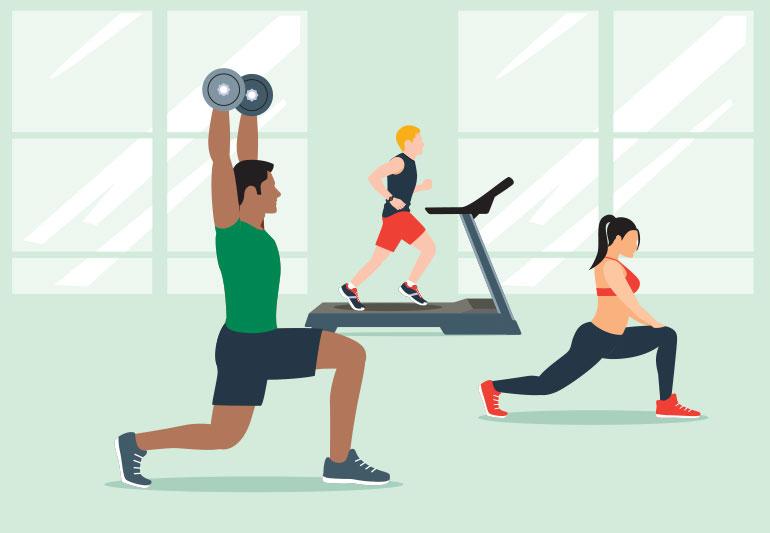
Also, consider work, family, and social life. Consistency beats intensity if it fits your life better. Ask yourself: When can you realistically stick to two workouts without stress?
Credit: health.clevelandclinic.org
Nutrition For Twice-daily Training
Training twice a day demands smart nutrition to keep energy high and muscles strong. Proper eating helps recovery and boosts performance for both sessions. Focus on balanced meals and timing to support your body’s needs.
Pre-workout Fuel
Eat a light meal or snack 30 to 60 minutes before training. Choose foods with easy-to-digest carbs and some protein. This mix provides quick energy and supports muscle function.
- Banana with peanut butter
- Oatmeal with berries
- Greek yogurt with honey
- Whole grain toast with a boiled egg
Post-workout Recovery
After each workout, eat a meal rich in protein and carbs. Protein helps repair muscles. Carbs refill energy stores. Aim to eat within 30 minutes to one hour after training.
- Grilled chicken with sweet potatoes
- Protein smoothie with fruit
- Quinoa salad with vegetables and beans
- Cottage cheese with pineapple
Hydration Strategies
Drink water before, during, and after workouts. Staying hydrated prevents fatigue and supports muscle function. For long or intense sessions, add electrolytes to maintain balance.
- Water: sip regularly throughout the day
- Electrolyte drinks: during sessions over one hour
- Avoid sugary or caffeinated drinks before training
Avoiding Overtraining
Working out twice a day can boost fitness fast. Yet, it can also stress the body too much. Avoiding overtraining is key to stay healthy and strong. Overtraining leads to tired muscles and weak immune systems. It can cause injuries and slow progress. Knowing how to spot signs and adjust your routine helps prevent these problems.
Recognizing Fatigue Signs
Fatigue shows up in many ways. Watch for constant tiredness, sore muscles, and low energy. Sleep problems and mood swings also signal fatigue. Performance may drop despite effort. Pay close attention to your body’s signals. Ignoring them can lead to burnout and injury.
Incorporating Rest Days
Rest days are vital for recovery. They let muscles heal and grow stronger. Plan at least one or two rest days each week. Use rest days for light activities like walking or stretching. Skipping rest increases injury risk and slows gains. Balance exercise with rest for lasting results.
Adjusting Volume And Load
Volume means how much you train in total. Load means the weight or intensity used. Lower these if feeling tired or sore. Cut back on sets, reps, or weights. Change one factor at a time to see what works. This keeps workouts effective without overloading the body.
Sample Twice-daily Workout Plans
Working out twice a day can boost your fitness, but it’s important to have a clear plan that matches your level. Different routines suit beginners, intermediates, and advanced athletes. Below are sample twice-daily workout plans designed to help you balance effort and recovery while making steady progress.
Beginner Routine
If you’re new to exercising twice daily, focus on building consistency without overwhelming your body. Start with shorter sessions that target different muscle groups or fitness components.
- Morning:20-30 minutes of light cardio like brisk walking or cycling.
- Evening:20-30 minutes of bodyweight exercises such as squats, lunges, and push-ups.
- Include stretching after each session to aid recovery and improve flexibility.
Have you noticed how shorter, focused sessions keep you motivated without causing burnout? This routine helps you get used to twice-daily workouts safely.
Intermediate Routine
Once you feel comfortable, extend your sessions and add variety. This routine targets strength and endurance while allowing time for muscle recovery.
| Time | Activity | Duration |
|---|---|---|
| Morning | Cardio (running, rowing, or cycling) | 30-45 minutes |
| Evening | Strength training (weights or resistance bands) | 30-45 minutes |
Mix up exercises to prevent boredom and plateaus. Have you tried pairing cardio with strength training in a single day? It can improve both your stamina and muscle tone.
Advanced Routine
Experienced athletes can push harder with more intense and longer sessions. This plan balances high-intensity workouts with active recovery.
- Morning:High-intensity interval training (HIIT) or sprint workouts for 45-60 minutes.
- Evening:Strength training focusing on heavy lifts or complex movements.
- Add mobility drills or yoga on off-days to maintain flexibility and prevent injury.
Do you listen to your body to avoid overtraining? Advanced routines demand careful attention to rest and nutrition for sustainable progress.
Tracking Progress And Staying Motivated
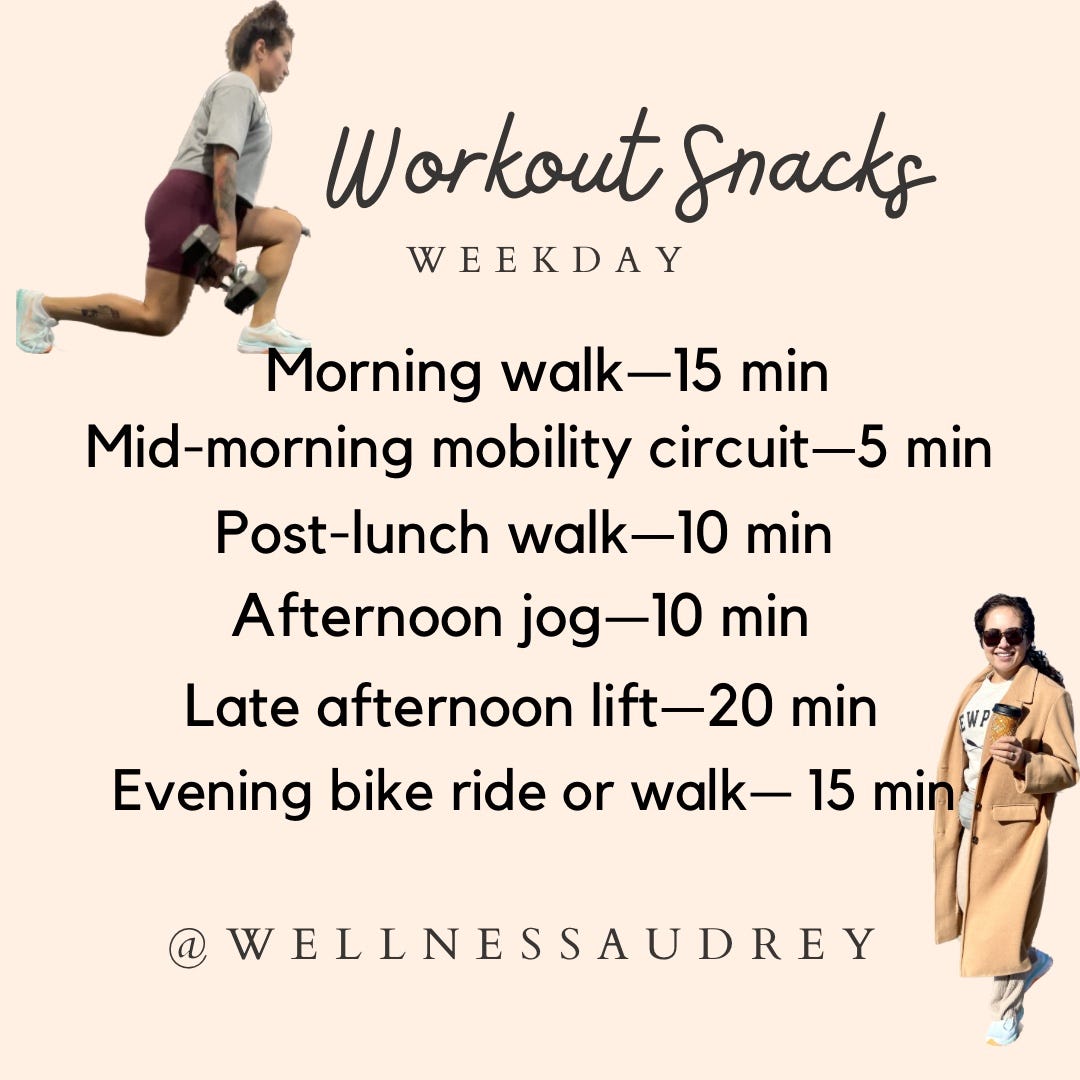
Tracking progress and staying motivated are key to success when working out twice a day. Watching small improvements keeps the energy high. It helps maintain focus and prevents burnout. Measuring results shows what works and what needs change. Motivation grows stronger with clear evidence of effort.
Using Fitness Apps
Fitness apps make tracking progress easy and quick. They record workouts, calories, and heart rate. Many apps offer reminders for your twice-daily sessions. Visual charts show trends over days and weeks. Some apps connect you with friends for extra support. This creates a sense of community and friendly competition.
Setting Realistic Goals
Goals must be clear and reachable to stay motivated. Set targets for each workout session, like time or reps. Break big goals into smaller steps to avoid overwhelm. Adjust goals based on progress and how your body feels. Realistic goals help keep a steady pace without injury.
Celebrating Milestones
Recognize every achievement, no matter how small. Celebrate reaching a new personal best or sticking to your routine. Rewards can be simple, like a rest day or a favorite meal. Sharing milestones with friends boosts encouragement. Positive reinforcement makes it easier to keep going.
Credit: medium.com
Frequently Asked Questions
Is Working Out Twice A Day Safe For Beginners?
Yes, beginners can work out twice daily, but start with light sessions. Gradually increase intensity and duration to avoid injury and burnout. Always listen to your body and allow proper rest between workouts.
What Are The Benefits Of Exercising Two Times A Day?
Exercising twice daily boosts metabolism, improves endurance, and enhances muscle growth. It helps break workout monotony and increases calorie burn. Splitting workouts can improve focus and recovery by targeting different muscle groups.
How To Schedule Workouts When Training Twice Daily?
Plan one intense session and one lighter activity, like cardio or stretching. Schedule workouts at least 6 hours apart for proper recovery. Prioritize nutrition and hydration between sessions to maintain energy levels.
Can Working Out Twice Daily Cause Overtraining?
Yes, overtraining risk increases without proper rest and nutrition. Monitor fatigue, sleep quality, and performance to avoid burnout. Incorporate rest days and listen to your body’s signals to prevent injury.
Conclusion
Working out twice a day can boost your fitness progress. It helps burn more calories and build strength faster. Rest and good food are important to avoid injury. Listen to your body and take breaks when needed. Start slow and increase workouts step by step.
This routine suits those with enough time and energy. Stay consistent, and results will come with patience. Remember, balance is key for long-term success. Keep moving, stay healthy, and enjoy your fitness journey.







