
Are you ready to elevate your fitness game? An athletic workout routine might be just what you need to unleash your full potential.
Imagine feeling stronger, faster, and more agile, no matter your current fitness level. This isn’t just about hitting the gym; it’s about transforming your body and mindset. You’ll discover how a well-structured workout routine can boost your energy, improve your health, and even enhance your everyday life.
Intrigued? Stick around as we dive into the essentials of an athletic workout routine, tailored just for you. Whether you’re a seasoned athlete or a fitness newbie, you’ll find valuable insights to help you succeed. Let’s get started on your path to peak performance!
Key Benefits Of Athletic Workouts
Understanding the key benefits of athletic workouts can change how you approach your fitness routine. These workouts are designed not just to build muscle or endurance but to improve your overall physical and mental performance. Let’s look at some specific advantages that might motivate you to add athletic workouts to your schedule.
Improved Physical Strength And Endurance
Athletic workouts focus on building both strength and stamina simultaneously. This means you’ll notice you can lift heavier weights and sustain activity for longer periods. When I started including plyometric exercises and sprints, my energy levels during daily tasks increased noticeably.
How often do you feel tired after minor physical activities? Athletic workouts can help reduce that fatigue by boosting your muscle efficiency and cardiovascular health.
Enhanced Flexibility And Mobility
Many athletic routines include dynamic stretches and mobility drills. These movements help your joints and muscles move through a full range of motion, reducing injury risk. After adding mobility work to my routine, I found it easier to perform exercises without stiffness.
Do you ever struggle with tight muscles or joint pain? Increasing flexibility can make your workouts smoother and daily movements more comfortable.
Better Mental Focus And Discipline
Engaging in athletic workouts demands concentration and consistency. This builds mental toughness and discipline, which often spills over into other areas of life. For example, setting small goals during training helped me stay focused and motivated throughout the day.
Could your mental resilience use a boost? Athletic workouts challenge your mind as much as your body, sharpening your focus.
Improved Balance And Coordination
Exercises like agility drills and balance training are staples of athletic workouts. They enhance your body’s ability to control movements and react quickly. After practicing balance exercises, I noticed a significant improvement in my posture and movement efficiency.
How well do you think your body reacts to sudden changes in direction? Better coordination can improve your performance and reduce falls or injuries.
Increased Metabolic Rate And Fat Loss
Athletic workouts often involve high-intensity intervals that elevate your heart rate and metabolism. This leads to more calories burned even after the workout ends. Adding sprint intervals helped me shed stubborn fat faster than steady-state cardio ever did.
Are you looking to burn fat but don’t want to spend hours exercising? Athletic training might be a time-efficient way to boost your metabolism and lose weight.
Credit: thefitnessphantom.com
Essential Components Of The Routine
Building an effective athletic workout routine means focusing on key components that shape your overall performance. These elements work together to enhance your strength, speed, and flexibility. You’ll notice improvements not just in your workouts but also in how your body feels during everyday activities.
Strength Training Basics
Strength training forms the foundation of any athletic routine. It helps you build muscle power and endurance, which supports all other physical activities. Think beyond just lifting weights; bodyweight exercises like push-ups and squats can be just as effective.
Try to balance exercises targeting different muscle groups. For example, pair leg presses with upper body moves like rows or presses. This balanced approach prevents injury and promotes better overall strength.
Speed And Agility Drills
Speed and agility drills sharpen your ability to move quickly and change direction with control. These drills train your nervous system to react faster, which is crucial in sports and many physical tasks. Quick ladder drills or cone drills can boost your coordination and foot speed significantly.
Ask yourself: How fast can you change direction without losing balance? Practicing these drills regularly improves your reaction time and makes you more explosive on your feet.
Flexibility And Mobility Work
Flexibility and mobility exercises keep your joints healthy and muscles loose. Stretching after a workout reduces muscle tightness and lowers injury risk. Mobility drills, like hip openers or shoulder circles, improve your range of motion, so you move more efficiently.
Focus on areas where you feel stiffness. Regularly working on flexibility can change how your body responds to physical stress and help you recover faster after intense sessions.
Weekly Workout Schedule
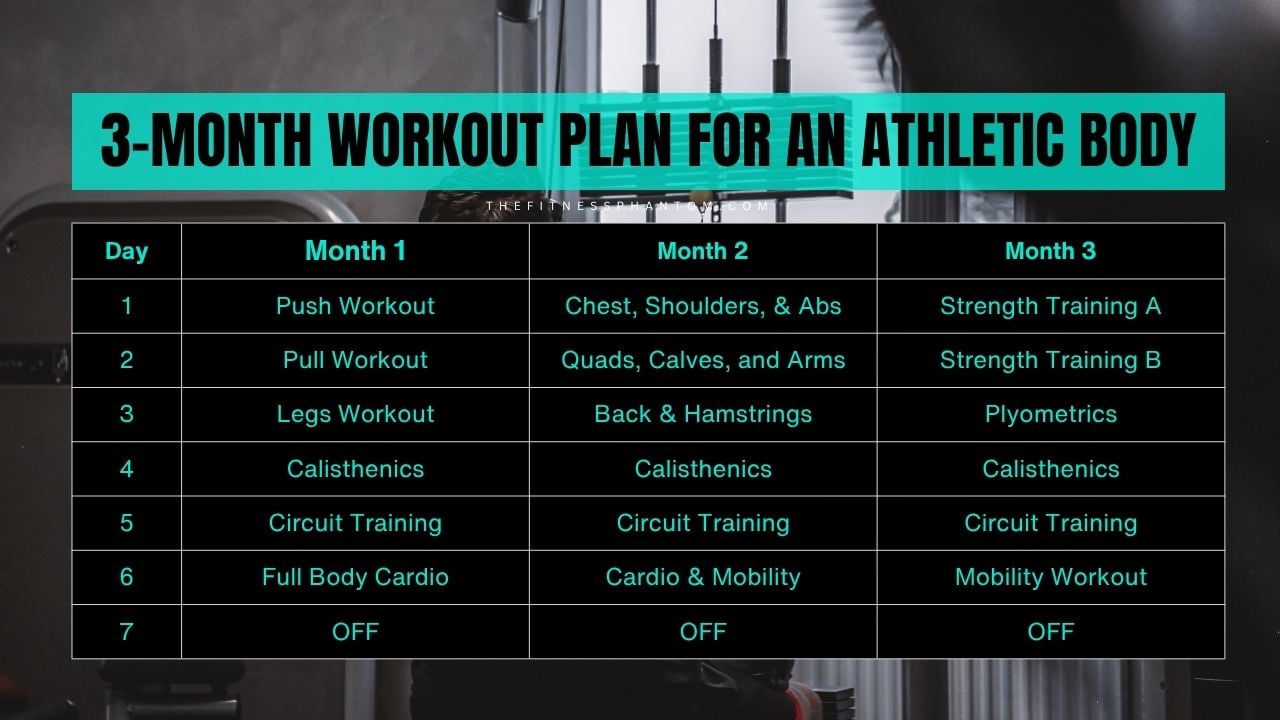
Creating a weekly workout schedule helps keep your training consistent and balanced. A good plan mixes strength, cardio, and rest days. This approach boosts athletic performance and reduces injury risks.
Choosing a schedule depends on your fitness level and goals. Below are two effective workout routines. One is simpler for beginners or busy people. The other is more advanced for serious athletes.
Sample 3-day Plan
- Day 1: Full Body Strength
Squats, push-ups, dumbbell rows, planks - Day 2: Cardio & Core
Running or cycling for 30 minutes, followed by crunches and leg raises - Day 3: Active Recovery
Light stretching, yoga, or walking
This plan allows muscle recovery between sessions. It fits well for those new to athletic training. Keep workouts intense but manageable.
Advanced 5-day Plan
| Day | Focus | Exercises |
|---|---|---|
| Day 1 | Lower Body Strength | Deadlifts, lunges, calf raises, hamstring curls |
| Day 2 | Upper Body Strength | Bench press, pull-ups, shoulder press, bicep curls |
| Day 3 | High-Intensity Cardio | Interval sprints, jump rope, burpees |
| Day 4 | Core & Stability | Planks, Russian twists, medicine ball throws |
| Day 5 | Active Recovery | Light jogging, stretching, foam rolling |
This routine targets specific muscle groups daily. It builds strength and endurance steadily. Rest and recovery are key parts of progress.
Nutrition Tips For Performance
Nutrition plays a crucial role in maximizing your athletic performance. What you eat directly affects your energy, endurance, and recovery. Understanding how to fuel your body can make the difference between hitting a new personal best and feeling drained halfway through your workout.
Macronutrient Breakdown
Your body needs three main macronutrients: carbohydrates, proteins, and fats. Carbohydrates provide quick energy, essential for intense workouts. Protein supports muscle repair and growth, while fats offer long-lasting energy and aid in hormone production.
A practical ratio to start with is:
| Macronutrient | Percentage of Daily Intake | Examples |
|---|---|---|
| Carbohydrates | 45-55% | Oats, rice, sweet potatoes, fruits |
| Protein | 25-30% | Chicken, fish, beans, tofu |
| Fats | 20-30% | Avocado, nuts, olive oil, seeds |
Pre-workout Meals
Your pre-workout meal should fuel your session without weighing you down. Aim to eat 1.5 to 2 hours before exercising. Focus on easily digestible carbs with moderate protein and low fat.
Try a bowl of oatmeal topped with banana and a spoonful of peanut butter. This combo offers quick energy and keeps hunger at bay. Have you noticed how skipping or poorly timing your pre-workout meal affects your stamina?
Post-workout Recovery
What you eat after your workout matters just as much as before. Your muscles need protein to repair and carbs to replenish glycogen stores. Try to eat within 30 to 60 minutes after training.
- Grilled chicken with quinoa and steamed veggies
- Greek yogurt with berries and honey
- A smoothie with whey protein, spinach, and a banana
Drinking water is also key to rehydration. Have you tracked how your recovery improves when you prioritize your post-workout nutrition?
Common Mistakes To Avoid
When you start an athletic workout routine, it’s easy to make mistakes that slow your progress or cause injury. Recognizing common pitfalls can help you stay on track and get the most out of every session. Let’s look at some frequent errors you should avoid to keep your training effective and safe.
Pushing Too Hard Too Soon
Many athletes rush into intense workouts without building a solid foundation. This often leads to burnout or injury, especially if your muscles and joints aren’t prepared for the load. Have you ever felt exhausted or sore for days after a workout? That’s a sign you might be pushing yourself too hard too quickly.
Start with manageable weights and shorter sessions. Gradually increase intensity as your body adapts. Consistency beats intensity when you’re just beginning.
Neglecting Proper Warm-up And Cool-down
Skipping warm-up or cool-down sessions is a common mistake that affects performance and recovery. Warm-ups prepare your muscles and reduce injury risk, while cool-downs help your body recover and reduce soreness.
Spend at least 5-10 minutes warming up with light cardio and dynamic stretches. Follow your workout with static stretches or foam rolling to aid muscle recovery.
Ignoring Technique And Form
Good technique is more important than lifting heavier weights or running faster. Poor form can lead to injuries and prevent you from targeting the right muscles.
Focus on mastering each movement before increasing weight or speed. If you’re unsure, record yourself or ask a trainer to check your form.
Skipping Rest Days
Rest days often feel like wasted time, but they’re essential for muscle repair and growth. Without proper rest, your performance can plateau or decline.
Plan at least one or two rest days each week. Use this time for light activity like walking or stretching to keep your body moving without strain.
Not Tracking Progress
Without tracking, it’s hard to know if your routine is working. You might repeat the same workouts without improvement or miss signs of overtraining.
Keep a workout journal or use an app to log exercises, weights, sets, and reps. Review your progress regularly and adjust your routine to stay challenged.

Credit: www.muscleandfitness.com
Tracking Progress And Adjustments
Tracking your progress and making timely adjustments is key to an effective athletic workout routine. Without clear feedback on how your body responds, you risk plateauing or even injury. Paying close attention to measurable changes helps you stay motivated and ensures your training remains aligned with your goals.
Measuring Strength Gains
Strength gains are best tracked by recording the weights you lift and the number of repetitions completed. Use a workout journal or an app to log these numbers after each session. If you notice that you can lift heavier weights or perform more reps with the same weight, it’s a clear sign of improvement.
Don’t just focus on the big lifts like squats or deadlifts. Track accessory exercises too, such as pull-ups, push-ups, or kettlebell swings. These smaller wins add up and reveal overall strength development.
Ask yourself: Are you pushing yourself just enough without risking injury? If your progress stalls for more than two weeks, it might be time to adjust your load or try different exercises.
Monitoring Speed Improvements
Speed isn’t only about how fast you run; it also includes reaction time and quickness in movements. Use a stopwatch or timing apps to measure sprint times over set distances regularly. Consistent timing helps you see if your training is boosting your explosive power.
Try incorporating drills like shuttle runs or agility ladder exercises and note your performance. Improvement in these drills often translates into better athletic performance on the field or court.
Think about your training: Are you challenging your speed limits frequently enough? If your times aren’t improving, consider varying your workouts or adding rest days to prevent burnout.
Recommended Gear And Equipment
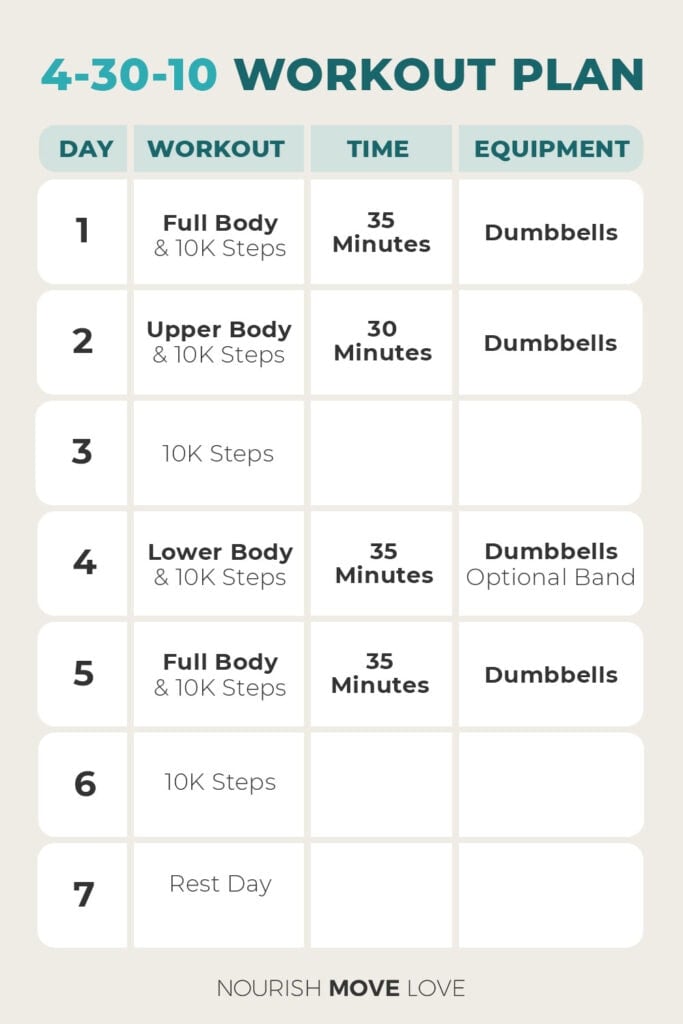
Choosing the right gear and equipment improves your athletic workout routine. Proper tools support your body and boost performance. They also reduce injury risks and increase comfort during training.
Investing in quality gear helps you stay consistent. Lightweight and durable items make workouts easier. Gear designed for specific exercises targets the muscles effectively.
Proper Athletic Footwear
Shoes designed for your sport protect your feet. They offer good grip and cushioning. Proper footwear reduces stress on joints. Replace shoes every 6 to 12 months or when worn out.
Comfortable Workout Clothing
Choose breathable, moisture-wicking fabrics. These keep you dry and cool during exercise. Clothes should fit well but allow movement. Avoid heavy or tight clothes that limit flexibility.
Supportive Accessories
- Wrist wraps and knee sleeves add joint support.
- Compression gear improves blood flow and reduces fatigue.
- Weightlifting belts help stabilize your core during heavy lifts.
Essential Training Equipment
| Equipment | Use |
|---|---|
| Dumbbells | Strength training and muscle building |
| Resistance Bands | Stretching and muscle activation |
| Jump Rope | Cardio and coordination |
| Foam Roller | Muscle recovery and flexibility |
Hydration Gear
Water bottles or hydration packs keep you hydrated. Staying hydrated supports energy and muscle function. Choose easy-to-carry bottles for convenience during workouts.
Credit: www.nourishmovelove.com
Frequently Asked Questions
What Is An Athletic Workout Routine?
An athletic workout routine focuses on building strength, speed, and endurance. It combines cardio, weight training, and flexibility exercises. This routine improves overall performance for sports and physical activities.
How Often Should I Do Athletic Workouts Weekly?
Aim for 3 to 5 sessions per week. This allows enough recovery while improving fitness consistently. Balance intense workouts with rest days for best results.
Which Exercises Are Best For Athletic Training?
Include squats, lunges, sprints, and plyometrics. These exercises enhance power, agility, and speed. Functional movements mimic real sports actions for better performance.
Can Beginners Follow An Athletic Workout Routine?
Yes, beginners can start with modified exercises. Focus on form and gradually increase intensity. Consistency and progression are key to avoid injury and improve fitness.
Conclusion
Sticking to a solid athletic workout routine builds strength and endurance. Regular exercise helps improve your energy and mood every day. Small steps add up to big changes over time. Keep your workouts balanced with rest and good nutrition. Consistency matters more than intensity for lasting results.
Enjoy the process, listen to your body, and stay patient. Progress comes with effort and time, not overnight. This routine supports a healthy, active lifestyle anyone can follow. Your fitness journey is personal—keep moving forward steadily.







