
Have you ever wondered when is the best time to workout after eating? You’re not alone.
It’s a question many fitness enthusiasts and beginners alike ponder. Timing your exercise right can make a world of difference in your performance and results. Imagine feeling energized and getting the most out of every workout session. Sounds appealing, right?
We’ll explore the science and strategies behind finding that perfect post-meal workout window. Stick around to discover how you can optimize your fitness routine and achieve your goals faster than ever before.
Timing Workouts After Meals
Timing workouts after meals plays a key role in exercise comfort and performance. Eating starts a complex digestive process that affects energy and blood flow. Exercising too soon can cause discomfort or reduce workout quality. Finding the right wait time depends on the meal size and type. This section explains how digestion impacts exercise and suggests ideal waiting periods for different meals.
How Digestion Affects Exercise
Digestion directs blood to the stomach and intestines. This reduces blood flow to muscles during exercise. Heavy meals require more energy to digest. This can cause cramps, nausea, or sluggishness when exercising early. Light meals or snacks digest faster, allowing quicker workout start. High-fat and high-protein foods take longer to break down. Carbohydrates digest faster and provide quicker energy. Timing workouts considers digestion to avoid discomfort and boost performance.
Ideal Waiting Periods For Different Meals
| Meal Type | Waiting Time Before Workout | Reason |
|---|---|---|
| Large meal (e.g., full breakfast or dinner) | 2 to 3 hours | More digestion time needed to avoid cramps |
| Medium meal (e.g., sandwich or salad) | 1 to 2 hours | Moderate digestion time, less discomfort risk |
| Light snack (e.g., fruit or yogurt) | 30 minutes to 1 hour | Quick digestion, provides fast energy |
| Small carbohydrate snack (e.g., energy bar) | 15 to 30 minutes | Very fast digestion, boosts workout energy |
Adjust wait times based on personal comfort and workout intensity. Pay attention to how your body reacts after eating. This helps find the best workout timing for you.
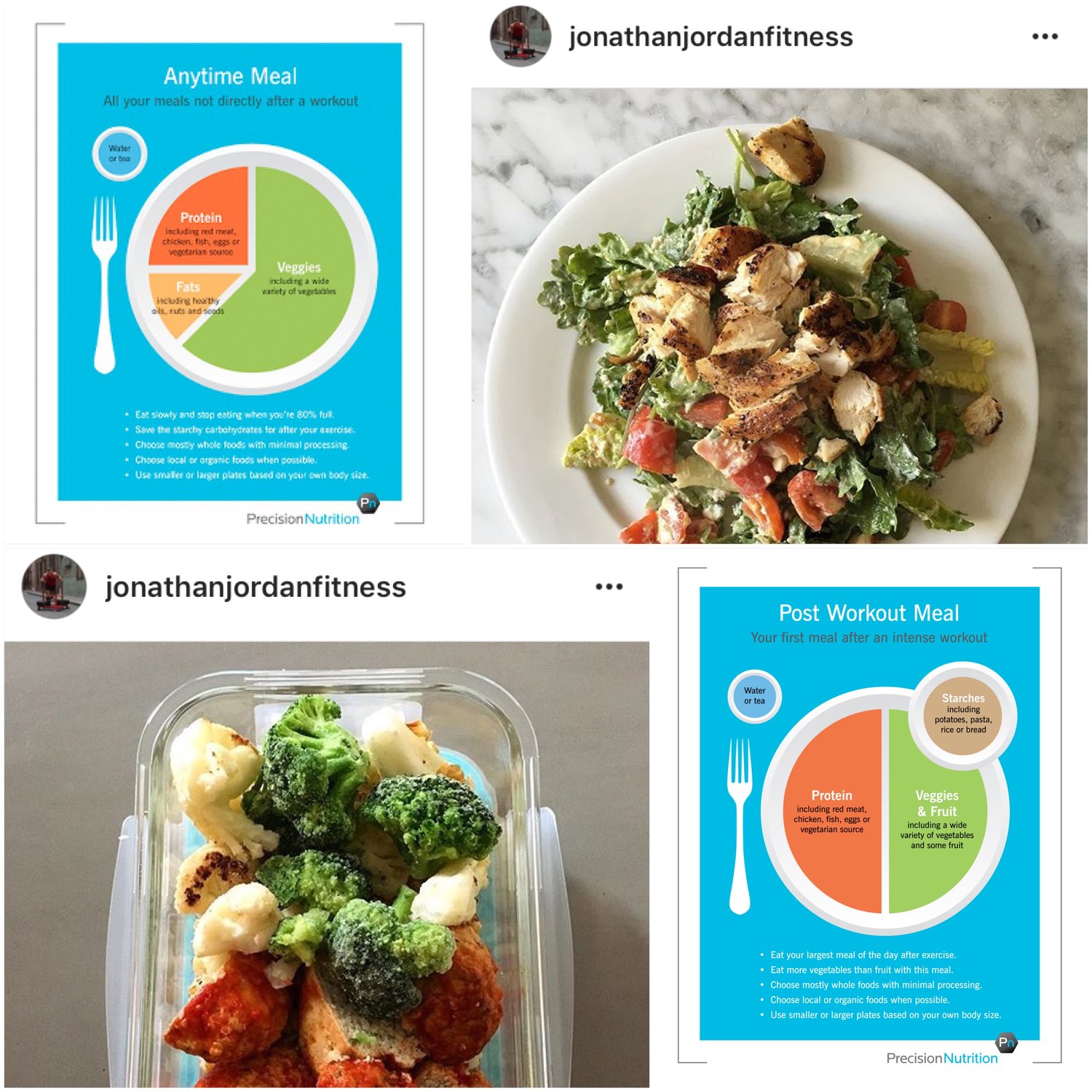
Credit: visapoint.travel
Factors Influencing Workout Timing
Choosing the best time to work out after eating depends on several key factors. These influences affect how comfortable and effective your workout will be. Understanding them helps you plan your exercise to match your body’s needs and your goals.
Meal Size And Composition
The size of your meal plays a big role in deciding when to start exercising. A heavy meal with lots of fats and proteins takes longer to digest, so waiting 2 to 3 hours might be best. Smaller snacks, like a banana or yogurt, usually allow you to exercise within 30 to 60 minutes.
Think about what you eat too. Meals high in simple carbs digest faster, giving you quick energy. Meals rich in fiber or fat slow digestion and may cause discomfort if you exercise too soon after eating.
Personal Metabolism And Fitness Levels
Your metabolism speed changes how fast your body processes food. If you have a fast metabolism, you might feel ready to work out sooner after eating. On the other hand, a slower metabolism means you may need more time before starting exercise.
Fitness experience also matters. Beginners often need longer to feel comfortable after eating, while experienced athletes might train sooner. Listen to your body—do you feel sluggish or energized?
Type And Intensity Of Exercise
The kind of exercise you choose affects the timing after meals. Low-intensity activities like walking or yoga can often be done shortly after eating. High-intensity workouts or heavy lifting usually require more digestion time to avoid cramps or nausea.
If you plan a sprint or intense session, waiting longer after a big meal helps you perform better. Have you noticed your stomach bothering you during tough workouts? Adjusting your meal timing might solve that.
Benefits Of Proper Timing
Timing your workout after eating can significantly impact how you feel and perform during exercise. Knowing the right window to start can help you avoid discomfort and make the most out of your energy. Here’s why getting the timing right matters for your body and workout results.
Enhanced Performance
Working out at the right time after a meal means your muscles have access to fresh nutrients. This can boost your strength and stamina, helping you push through tough sets or longer cardio sessions.
When I started waiting about an hour after eating before running, my pace improved noticeably. Your body isn’t split between digesting and exercising, so it can focus fully on your workout.
Reduced Discomfort And Digestive Issues
Exercising too soon after eating often leads to cramps, bloating, or nausea. Giving your stomach time to settle reduces these unpleasant feelings.
Have you ever felt sluggish or sick during a workout? That’s often because your body is still busy digesting. Waiting helps avoid that discomfort and keeps your sessions enjoyable.
Optimized Energy Use
Your body converts food into usable energy, but this process takes time. Starting exercise too early can leave you feeling drained or weak.
By allowing proper digestion, you tap into the energy stored in your meal more effectively. This means more sustained energy for your workout and better recovery afterwards.
Risks Of Exercising Too Soon After Eating
Exercising right after eating might seem like a good way to burn off calories quickly, but it can actually cause several problems. Your body needs time to digest food properly before you put it through the strain of physical activity. Ignoring this can lead to uncomfortable symptoms and even affect your health over time.
Common Symptoms To Watch For
Have you ever felt bloated or nauseous during a workout? These are common signs that you started exercising too soon after eating.
- Stomach cramps:Your digestive system competes with your muscles for blood flow, causing pain.
- Nausea and vomiting:Moving too soon can upset your stomach, sometimes leading to vomiting.
- Heartburn:Exercise can push acid back up the esophagus, causing discomfort.
- Fatigue:Instead of feeling energized, you might feel tired because digestion is slowed down.
If you’ve experienced any of these, it’s a clear sign to rethink your workout timing.
Long-term Effects On Health
Regularly exercising immediately after meals can do more than just cause short-term discomfort.
Over time, it may lead to chronic digestive issues like acid reflux or gastritis. Your body struggles to keep up with both digestion and exercise demands, which can wear down your digestive system.
Also, pushing through discomfort can increase stress on your heart, especially if you have pre-existing conditions. Have you considered how your workout schedule might impact your long-term well-being?
Expert Tips For Scheduling Workouts
Finding the right time to work out after eating can make a big difference in how you feel and perform. Experts suggest that scheduling your workouts thoughtfully can improve your energy, prevent discomfort, and maximize results. Let’s look at some practical tips to help you plan your exercise sessions around meals effectively.
Pre-workout Snack Choices
Choosing the right snack before a workout is crucial. Opt for something light and easy to digest, like a banana, a small yogurt, or a handful of nuts. These provide quick energy without weighing you down.
Avoid heavy or greasy foods that can cause sluggishness or stomach upset. Also, keep your portion size small—too much food can make you feel bloated and uncomfortable during exercise.
Adjusting Based On Workout Goals
Your workout goals should guide when and what you eat before exercising. If you’re aiming to build muscle, a protein-rich snack an hour before can help fuel recovery.
For endurance workouts, focus on carbs to keep your energy steady. When fat loss is the goal, some prefer working out on an emptier stomach, but listen to your energy levels carefully to avoid burnout.
Listening To Your Body’s Signals
Pay close attention to how your body reacts after eating and during your workout. If you feel sluggish or nauseous, consider pushing your session later or adjusting your meal size.
Everyone’s digestion and energy levels differ, so experiment with timing and food choices. How does your body feel after eating 30 minutes versus 90 minutes before exercising? Use your experience as the best guide.
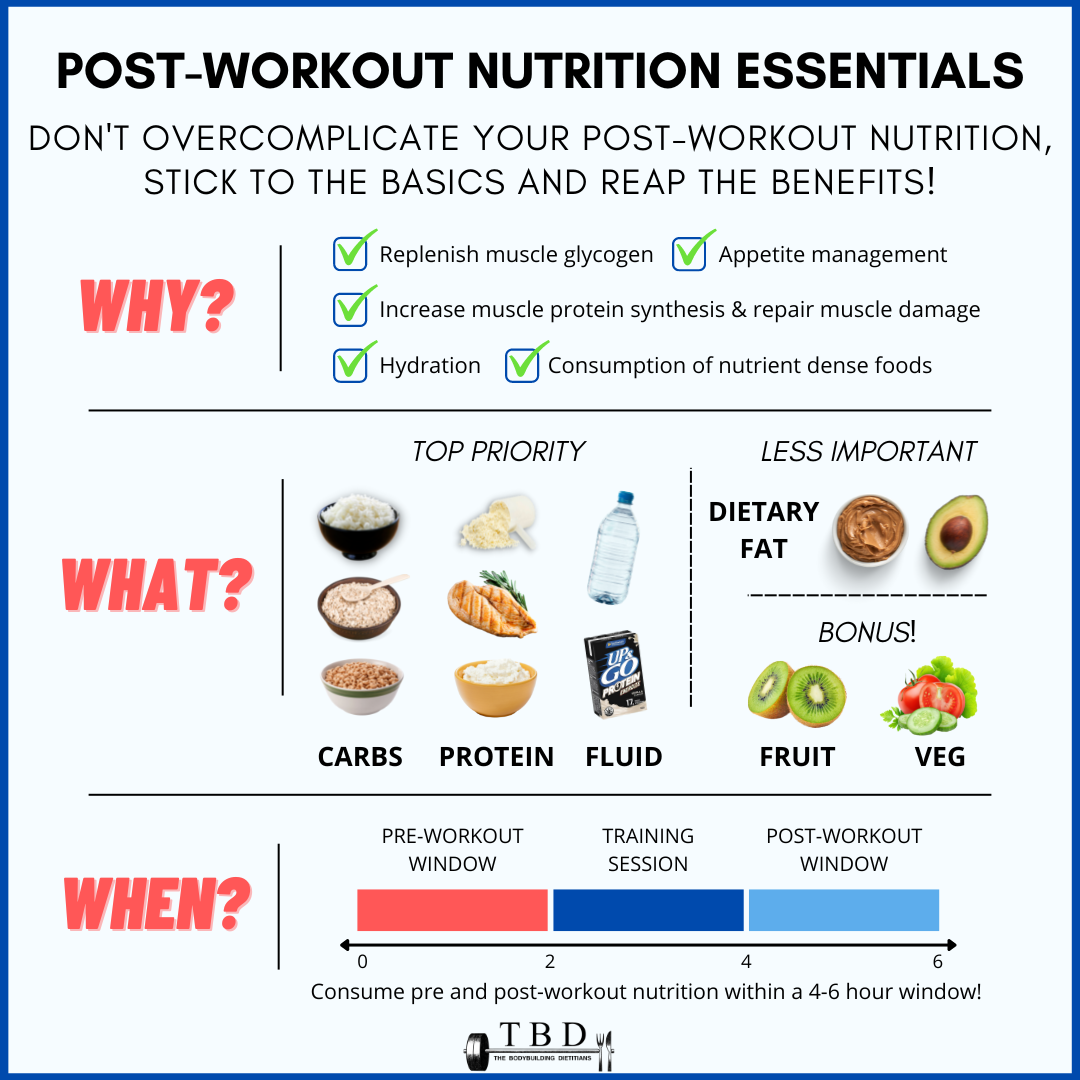
Credit: miradorsanjose.com
Sample Workout Timetables
Finding the best time to work out after eating helps improve your energy and comfort. Different meals require different waiting times before exercising. Sample timetables below show ideal workout times after breakfast, lunch, and dinner. These schedules balance digestion and activity for better results.
Morning Exercise After Breakfast
Wait 30 to 60 minutes after a light breakfast before starting exercise. For heavier meals, wait up to 90 minutes. Choose easy workouts like walking, stretching, or light jogging. This timing helps avoid stomach cramps and boosts morning energy.
Afternoon Sessions Post-lunch
Allow 1 to 2 hours after lunch before exercising. Lunch usually contains more calories and protein, needing longer digestion. Try moderate activities like cycling or strength training. This schedule supports better blood flow and muscle performance.
Evening Workouts Following Dinner
Wait at least 2 hours after dinner before intense workouts. Heavy or fatty dinners take longer to digest. Opt for calm exercises such as yoga or walking if you exercise sooner. Proper timing improves sleep quality and digestion overnight.
Alternative Approaches
Alternative approaches to timing your workouts after eating offer flexibility. Each person’s body reacts differently to food and exercise. Some prefer to train with no food in their stomach. Others choose light activity soon after a meal. Understanding these options can help find what suits your lifestyle and goals best.
Fasted Workouts Explained
Fasted workouts happen before eating or several hours after a meal. The body uses stored fat for fuel during these sessions. Many people find fasted workouts boost fat burning and improve endurance. Others feel low energy or dizziness without food. It is important to listen to your body’s signals. Start with short, low-intensity sessions to test how you respond.
Light Vs. Intense Training After Eating
Light training after eating is easier on digestion. Walking, yoga, or stretching can be comfortable right after a meal. These activities aid digestion and prevent sluggishness. Intense training demands more energy and blood flow to muscles. It is best to wait 1 to 2 hours after eating for hard workouts. This reduces cramps, nausea, and discomfort during exercise.

Credit: visapoint.travel
Frequently Asked Questions
When Should I Wait To Workout After Eating?
Wait at least 30 minutes to 2 hours after eating. Light meals may require less waiting time. Heavy meals need more time for digestion to avoid discomfort during exercise.
How Does Meal Size Affect Workout Timing?
Smaller meals allow quicker digestion, enabling earlier workouts. Larger meals take longer to digest, so wait longer before exercising to prevent cramps or nausea.
Can I Exercise Immediately After A Snack?
Light snacks can be followed by exercise after about 15 to 30 minutes. Avoid intense workouts right after eating to reduce digestive discomfort.
What Foods Delay Workout Readiness After Eating?
High-fat, fried, or heavy protein foods slow digestion. Avoid intense exercise within 2-3 hours of consuming such meals to ensure comfort and energy.
Conclusion
Finding the best time to work out after eating helps your body perform well. Wait at least 30 minutes after a small snack before exercising. For bigger meals, try to wait 1 to 2 hours. This gives your stomach time to digest food and prevents discomfort.
Listen to your body and adjust your routine as needed. Everyone is different, so find what feels right for you. Staying active and eating smart both help you stay healthy and strong. Keep these tips in mind for better workouts and faster recovery.







