
Are you tired of the same old workouts that leave you feeling bored and uninspired? If you’re looking to spice up your fitness routine and achieve real, everyday strength, a functional workout routine might be just what you need.
Imagine exercises that not only tone your body but also improve how you move in daily life. Think of lifting grocery bags with ease, playing with your kids without feeling exhausted, or simply moving more freely. This type of workout focuses on movements that mimic real-life activities, helping you to build a body that’s not just fit, but also functional.
Dive into this guide to discover how you can transform your workouts and unlock a healthier, more active you.
Benefits Of Functional Workouts
Functional workouts focus on movements that mimic daily activities. These exercises train your body to handle real-life tasks better. The benefits go beyond just building muscle. They improve overall body function, making everyday life easier and safer.
Enhancing Everyday Strength
Functional workouts target multiple muscle groups at once. This builds strength used in daily actions like lifting, pushing, and pulling. Stronger muscles reduce the risk of injury during routine tasks. You gain power that helps with chores and carrying groceries.
Improving Mobility And Flexibility
These exercises increase joint range of motion. Better mobility lets you move smoothly without stiffness. Flexibility gains lower muscle tightness and prevent strains. You become more agile, making bending, reaching, and twisting easier.
Boosting Balance And Coordination
Functional workouts challenge your balance by using unstable surfaces or single-leg moves. This trains your body to stay steady in different positions. Improved coordination helps in sports and daily movements. It also reduces falls and keeps you confident on your feet.
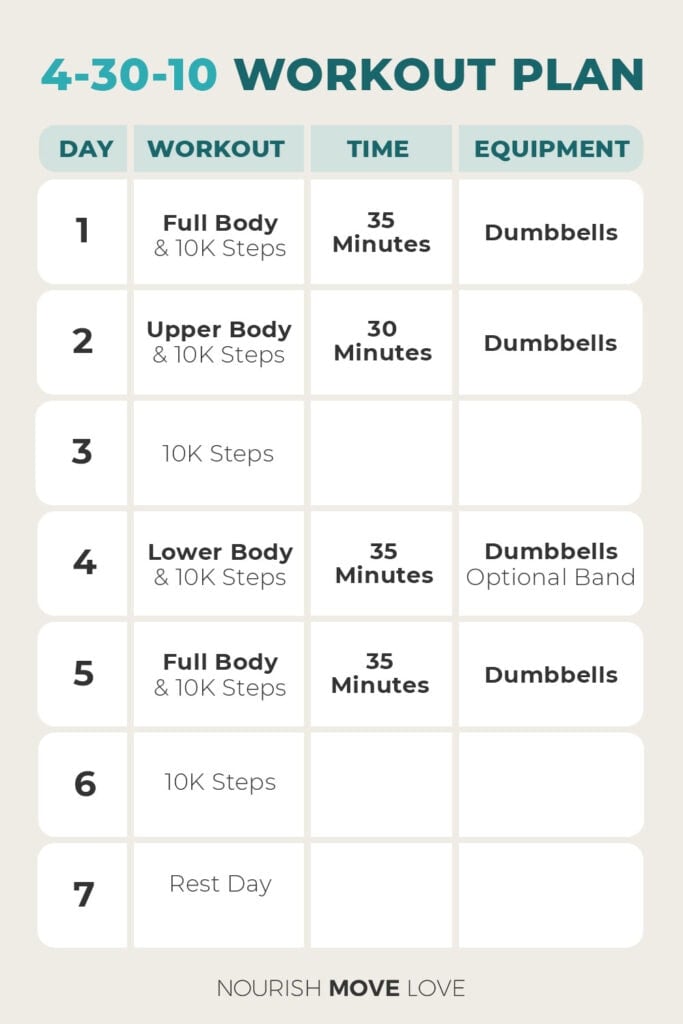
Credit: www.nourishmovelove.com
Key Components Of Functional Training
Functional training is all about preparing your body for real-life movements. To get the most from your workout, focusing on key components is essential. These elements build strength, improve balance, and enhance coordination, making daily tasks easier and safer.
Compound Movements
Compound movements engage multiple muscle groups at once. Think of exercises like squats, deadlifts, and push-ups. These movements mimic actions you perform every day, such as lifting groceries or getting up from a chair.
When I started adding compound exercises to my routine, I noticed my overall strength increased faster. These moves save time and boost efficiency because they work your whole body instead of just one muscle. Could your workout benefit from more full-body moves?
Core Stability
Your core is the foundation for all movement. It’s not just about having visible abs; it’s about stabilizing your spine and pelvis during activities. Exercises like planks, bird dogs, and Russian twists help strengthen this area.
Improving core stability reduces your risk of injury and enhances your balance. I found that focusing on core work made lifting heavy objects feel safer and more controlled. How strong is your core when you reach or twist?
Multi-planar Exercises
Most daily activities don’t happen in just one direction. Multi-planar exercises train your body to move in various planes—forward, sideways, and rotational. Examples include lateral lunges, woodchoppers, and medicine ball throws.
Adding these exercises improved my agility and coordination. It challenged my body to adapt, which made sports and everyday movements easier. Are your workouts preparing you to move freely in all directions?
Designing Your Routine
Designing your functional workout routine requires careful planning. A well-structured routine helps you build strength, improve balance, and increase flexibility. It fits your needs and matches your current fitness level. The routine should challenge you but remain safe and achievable. Start by understanding your body and goals. Then select exercises that work multiple muscle groups. Finally, decide how often and how long you will train.
Assessing Your Fitness Level
Knowing your fitness level guides your workout design. Begin with simple tests like walking, squatting, or basic stretching. Note how much effort each task takes. Check your endurance, strength, and flexibility. Write down any pain or discomfort. This helps avoid injuries and sets a good starting point. Reassess every few weeks to track progress and adjust your routine.
Choosing The Right Exercises
Select exercises that mimic daily movements. Focus on pushing, pulling, bending, and twisting. Include exercises for core strength and balance. Use bodyweight, resistance bands, or light weights. Examples include squats, lunges, planks, and push-ups. Mix low-impact and moderate-intensity moves. Variety keeps workouts interesting and targets different muscles.
Setting Frequency And Duration
Decide how many days you can train each week. Aim for at least three sessions for steady improvement. Start with 20 to 30 minutes per workout. Gradually increase time as your fitness grows. Rest days are crucial for recovery and muscle repair. Balance workout days with rest to avoid burnout or injury.

Credit: www.bicycling.com
Sample Functional Workout Plan
A sample functional workout plan helps improve daily movements and overall fitness. This plan combines strength, balance, and flexibility exercises. It targets multiple muscle groups for better coordination and endurance.
Follow this plan to build a solid foundation in functional fitness. The workout includes a warm-up, a full-body circuit, and a cool-down. Each part prepares your body for exercise and aids recovery.
Warm-up Strategies
- Start with 5 minutes of light cardio, like jogging or jumping jacks.
- Perform dynamic stretches such as leg swings and arm circles.
- Include mobility drills for hips, shoulders, and spine.
- Focus on movements that mimic the workout exercises.
- Warm muscles reduce injury risk and improve performance.
Full-body Functional Circuit
| Exercise | Reps | Description |
|---|---|---|
| Squat to Press | 12 | Squat down, then press weights overhead as you stand. |
| Push-Up with Shoulder Tap | 10 each side | Perform a push-up, then tap each shoulder alternately. |
| Walking Lunges | 12 each leg | Step forward into a lunge, alternating legs as you move. |
| Plank with Arm Reach | 10 each arm | Hold plank, then reach one arm forward, alternating sides. |
| Dead Bug | 15 | Lie on back, extend opposite arm and leg, then switch. |
Complete this circuit 3 times. Rest for 1 minute between rounds.
Cool-down And Stretching
- Slow down with 3-5 minutes of light walking.
- Hold static stretches for major muscle groups, 20-30 seconds each.
- Focus on hamstrings, quads, chest, and back muscles.
- Deep breathing helps relax muscles and lower heart rate.
- Consistent cool-downs reduce soreness and improve flexibility.
Tips For Maximizing Results
Maximizing results from a functional workout routine requires focus and smart strategies. Small changes can make a big difference. Knowing how to train effectively helps you build strength and avoid injury. Follow these tips to get the best from every session.
Maintaining Proper Form
Good form protects your body and improves exercise benefits. Focus on slow, controlled movements. Keep your spine neutral and avoid sudden twists. Use mirrors or record yourself to check your posture. Ask for feedback from a trainer if possible. Proper form ensures muscles work correctly and prevents pain.
Progressive Overload Techniques
Gradually increase workout difficulty to build strength and endurance. Add weight, increase reps, or try harder variations. Track your progress to avoid plateaus. Changing exercises slightly can also challenge your muscles. Small, steady increases help your body adapt safely and grow stronger.
Incorporating Rest And Recovery
Rest is essential for muscle repair and growth. Schedule rest days between intense workouts. Use light activities like walking or stretching on recovery days. Sleep well to support healing and energy levels. Ignoring rest can lead to fatigue and injuries. Balance effort with recovery for long-term success.
Credit: www.firerescue1.com
Common Mistakes To Avoid
Many people jump into functional workouts without realizing the common pitfalls that can slow progress or even cause injury. Avoiding these mistakes can make your routine more effective and safer. Let’s look at some key errors and how to steer clear of them.
Neglecting Warm-ups
Skipping warm-ups might seem like a time-saver, but it can backfire quickly. Warm-ups prepare your muscles and joints for movement, reducing the risk of strains.
Start with light cardio or dynamic stretches targeting the muscles you’ll use. Have you noticed how a proper warm-up helps you lift better and feel more stable during complex moves?
Overtraining Specific Muscle Groups
Focusing too much on certain muscles can create imbalances and lead to injury. Your body works best when muscles support each other evenly.
Mix your routine to include push, pull, and core exercises. Pay attention to how your body feels—persistent soreness in one area is a warning sign to ease up or change your focus.
Ignoring Mobility Work
Mobility is often overlooked but is crucial for functional movement. Tight joints or limited range of motion can reduce your workout’s effectiveness and increase injury risk.
Add mobility drills like hip openers or shoulder circles to your routine. Can you commit a few minutes daily to improve your movement quality and long-term fitness?
Frequently Asked Questions
What Is A Functional Workout Routine?
A functional workout routine focuses on exercises that mimic everyday movements. It improves strength, balance, and flexibility for daily activities. This routine enhances overall fitness by targeting multiple muscle groups simultaneously. It is ideal for all fitness levels and promotes injury prevention.
How Often Should I Do Functional Workouts?
For best results, perform functional workouts 3 to 4 times per week. This frequency allows your muscles to recover while improving strength and endurance. Consistency is key to seeing progress and enhancing daily functional abilities.
What Are Common Exercises In Functional Workouts?
Common exercises include squats, lunges, push-ups, and kettlebell swings. These moves engage multiple muscle groups and improve coordination. Functional exercises often use bodyweight or minimal equipment to simulate real-life movements effectively.
Can Functional Workouts Help With Weight Loss?
Yes, functional workouts can aid weight loss by boosting metabolism and burning calories. They combine strength and cardio elements, increasing overall calorie expenditure. Regular practice improves muscle tone and supports fat loss effectively.
Conclusion
Functional workouts build strength for daily life. They improve balance, flexibility, and endurance. You can do these exercises anywhere, anytime. Consistency helps you stay fit and healthy. Simple movements make your body work better. Start slow and increase intensity over time.
Feel stronger, move easier, and enjoy life more. Functional workouts suit all ages and fitness levels. Try to include them in your routine often. Your body will thank you with better performance. Keep going, and results will follow.







