
Imagine transforming your body using nothing but your own weight. That’s the magic of calisthenics.
Have you ever wondered what makes these exercises so special? Or why they’re gaining popularity among fitness enthusiasts like yourself? These are not just exercises; they’re a path to strength, flexibility, and balance, all without the need for expensive gym equipment.
As you dive deeper, you’ll discover how calisthenics can redefine your workout routine and elevate your fitness journey. So, are you ready to unlock the secrets of this transformative exercise form? Keep reading to explore how calisthenics can revolutionize the way you move and feel.
Basics Of Calisthenics
Calisthenics is a form of exercise that uses the body’s own weight to build strength and flexibility. It requires no special equipment and can be done almost anywhere. This makes it an accessible and effective workout method for many people.
Understanding the basics of calisthenics helps beginners start safely and see results faster. It focuses on natural movements and improving control over the body.
Bodyweight As Resistance
Calisthenics uses your body weight as the main form of resistance. This means your muscles work against the weight of your own body. Exercises like push-ups, squats, and pull-ups are common examples. This method strengthens muscles without needing weights or machines.
Core Principles
- Control: Move with precision and avoid rushing.
- Progression: Start easy and increase difficulty gradually.
- Consistency: Regular practice builds strength and skill.
- Balance: Train all muscle groups evenly.
- Form: Maintain proper posture to prevent injuries.
Benefits Over Equipment-based Training
Calisthenics requires no gym or special tools. You can exercise anytime and anywhere. It improves strength, flexibility, and coordination all at once. It also helps develop body awareness and control. Many find it easier to stick with than equipment-based workouts.

Credit: www.youtube.com
Key Calisthenics Movements
Calisthenics exercises use body weight to build strength and flexibility. These movements target different muscle groups without needing gym machines or heavy weights. They improve muscle control and coordination. Key calisthenics movements focus on pushing, pulling, legs, and core. Each type of exercise helps create a balanced and strong body.
Push Exercises
- Push-ups: Work chest, shoulders, and triceps.
- Dips: Target triceps and chest muscles.
- Handstand push-ups: Strengthen shoulders and upper chest.
Pull Exercises
- Pull-ups: Build back and biceps muscles.
- Chin-ups: Focus more on biceps and upper back.
- Inverted rows: Strengthen mid-back and arms.
Leg Exercises
- Squats: Develop thighs, hips, and glutes.
- Lunges: Improve balance and leg strength.
- Step-ups: Target quads and glutes.
Core Exercises
- Planks: Build endurance in core muscles.
- Leg raises: Strengthen lower abdominal muscles.
- Mountain climbers: Work core and improve cardio.
Progressions And Variations
Calisthenics exercises grow with your strength and skills. Progressions and variations help you train safely and effectively. They let you move from simple to tough moves step by step. Each level builds your power, balance, and control.
Changing the difficulty or style of an exercise keeps workouts fresh and fun. You can target different muscle groups and improve your form. This approach suits all fitness levels. It helps avoid injury and boosts confidence.
Beginner Moves
- Wall push-ups to learn proper form
- Knee-assisted squats for leg strength
- Plank holds to build core stability
- Glute bridges for hip activation
- Assisted lunges for balance
Intermediate Challenges
- Standard push-ups on the floor
- Bodyweight squats with full range
- Side planks for oblique muscles
- Step-ups on a bench or box
- Negative pull-ups to develop pulling power
Advanced Techniques
- One-arm push-ups for upper body strength
- Pistol squats to improve balance and power
- Muscle-ups combining pull-ups and dips
- Handstand holds and walks for core and shoulders
- Front lever progressions for full body tension
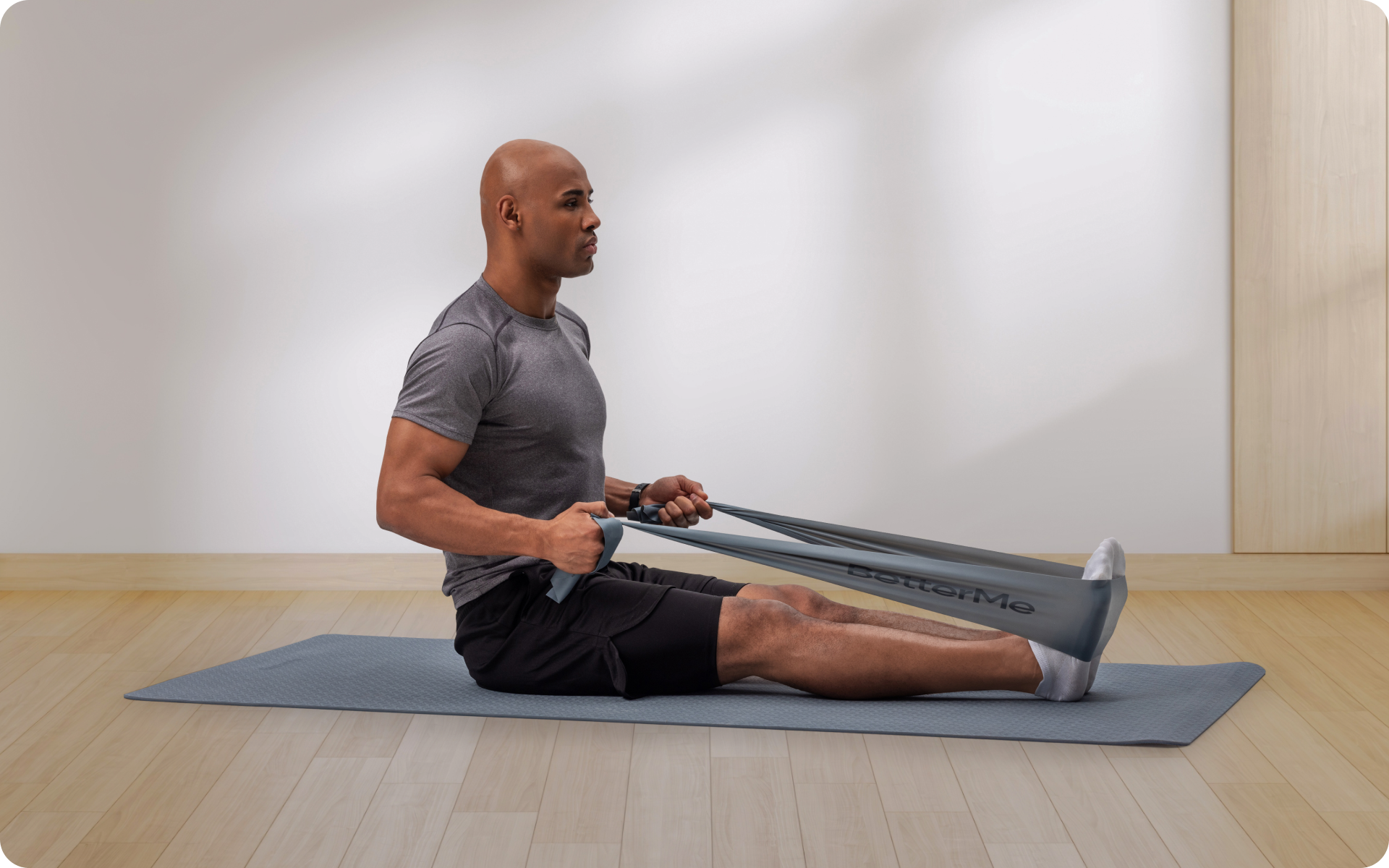
Credit: betterme.world
Building Strength And Flexibility
Building strength and flexibility is a key benefit of calisthenics exercises. These workouts use body weight to improve muscle power and joint movement. You develop a balanced body that moves well and feels strong.
Calisthenics helps muscles work together smoothly. It also improves how joints bend and stretch. Balance and coordination grow naturally through these exercises.
Muscle Engagement
Calisthenics activates many muscles at once. Movements like push-ups and pull-ups target several muscle groups. This builds strength evenly and prevents muscle imbalances. Your core muscles also get a good workout. Strong core improves posture and supports all movements.
Joint Mobility
These exercises encourage smooth joint movement. Dynamic stretches and controlled motions increase flexibility. Joints become less stiff and more agile. This reduces injury risk and improves daily movement. Calisthenics trains joints to move freely in many directions.
Balance And Coordination
Body control is vital in calisthenics routines. Exercises challenge your balance on one leg or arm. This trains the nervous system to improve coordination. Better balance helps in sports and everyday tasks. Coordination develops as muscles learn to work together.
Incorporating Calisthenics Into Workouts
Incorporating calisthenics into workouts offers a flexible way to build strength and improve fitness. These exercises use body weight to engage muscles naturally. You can perform them anywhere without special equipment. This makes calisthenics ideal for all fitness levels and goals.
Full-body Routines
Calisthenics routines often involve multiple muscle groups at once. This creates balanced strength and coordination. Common full-body exercises include:
- Push-ups
- Pull-ups
- Squats
- Planks
- Burpees
These moves activate the arms, legs, core, and back muscles together. They help improve endurance and flexibility. A full-body calisthenics session can last 20 to 40 minutes.
Targeted Muscle Groups
Calisthenics can also focus on specific muscles for growth or rehab. Examples include:
- Tricep dips for arm strength
- Leg raises to strengthen the lower abs
- Chin-ups to work the biceps
- Wall sits targeting the thighs
Targeted exercises allow you to improve weak areas. They add variety and prevent workout boredom. You can mix full-body and targeted moves in one session.
Combining With Other Training Styles
Calisthenics pairs well with different workout types. It complements weight training by improving mobility and control. It also works with cardio for better endurance. Some popular combinations include:
- Calisthenics plus running or cycling
- Bodyweight exercises before weight lifting
- Calisthenics as active rest between heavy sets
Mixing styles helps build a well-rounded fitness routine. It keeps workouts fresh and challenging. This approach supports long-term progress and injury prevention.
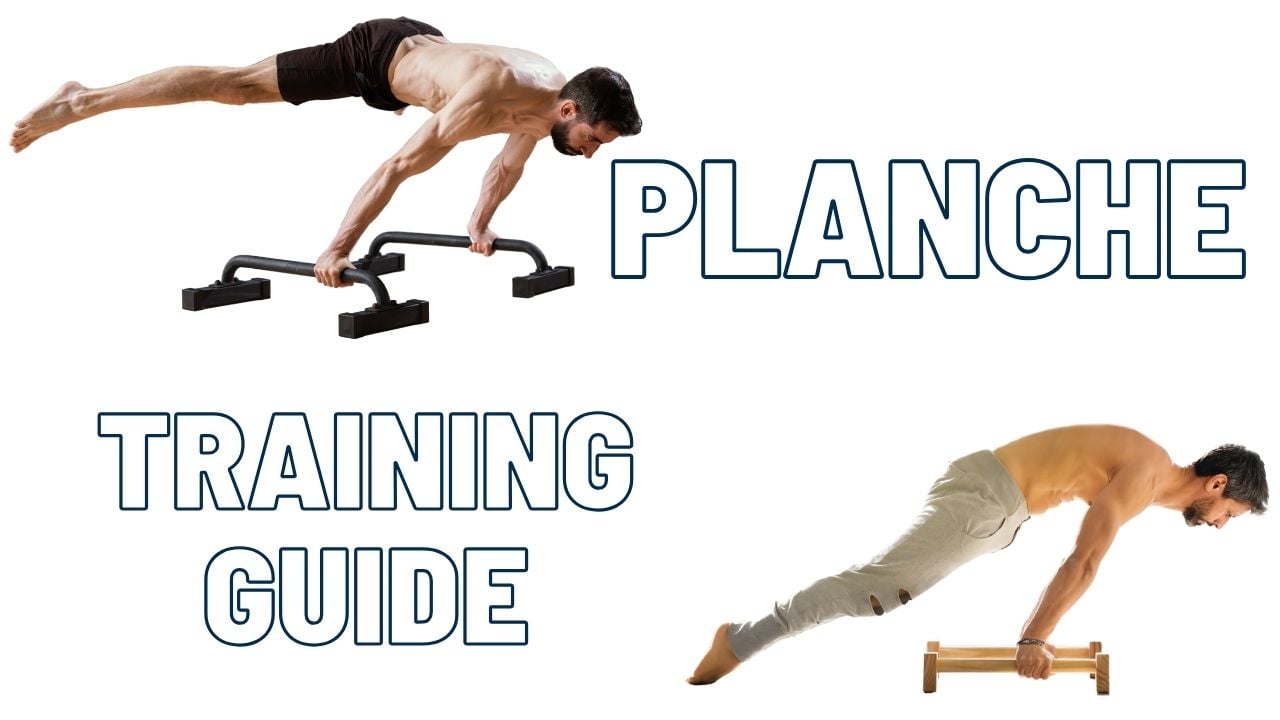
Credit: calisthenics.com
Common Mistakes To Avoid
Calisthenics offers a great way to build strength using your body weight. Many beginners make simple mistakes that slow progress or cause injury. Avoiding these common errors helps you train safely and effectively. Focus on proper technique and smart habits to get the best results.
Poor Form
Using incorrect form can lead to injuries and weak results. Each move has a correct position for hands, feet, and body alignment. Rushing through exercises often causes poor posture. Take time to learn proper form. Use mirrors or record yourself to check your technique. Proper form helps muscles work correctly and reduces strain on joints.
Overtraining
Training too hard without rest can cause fatigue and injury. Your muscles need time to recover and grow stronger. Doing calisthenics every day without breaks may lead to burnout. Schedule rest days and listen to your body’s signals. Quality matters more than quantity in workouts. Balance exercise with recovery for steady progress.
Ignoring Warm-ups
Skipping warm-ups increases the chance of muscle strains and injuries. Warm-up exercises prepare your body for physical activity. Start with light movements like jumping jacks or arm circles. Gradually raise your heart rate and loosen muscles. Warm-ups improve flexibility and blood flow. Never skip this crucial step before your workout.
Tracking Progress And Setting Goals
Tracking progress and setting goals are vital in calisthenics. They help you stay motivated and see real improvement. Clear goals give direction and focus to your workouts.
Regular tracking shows what works and what needs change. It helps avoid plateaus and keeps training effective. Setting small, achievable targets boosts confidence and builds habits.
Measuring Strength Gains
Strength in calisthenics grows through consistent practice. Track strength by noting reps, sets, and exercise difficulty. For example, count how many push-ups or pull-ups you do.
Increase reps gradually or try harder moves like archer push-ups. Use a journal or app to record numbers. Watch for improvements over weeks to stay motivated.
Improving Endurance
Endurance means how long muscles can work without tiring. Track time you hold positions like planks or how long you can do exercises continuously. Try to increase duration step-by-step.
Note rest time between sets. Shorter breaks mean better endurance. Tracking these details helps plan workouts that boost stamina steadily.
Skill Development
Calisthenics includes skills like handstands or muscle-ups. Break skills into small parts and practice regularly. Record progress on each part to see growth.
Use videos or photos to compare form over time. Set milestones like holding a handstand for 10 seconds. Skill tracking keeps you focused on mastering techniques.
Frequently Asked Questions
What Exercises Are Included In Calisthenics?
Calisthenics includes bodyweight exercises like push-ups, pull-ups, squats, lunges, and planks. These exercises improve strength, flexibility, and endurance. They require no equipment and use natural body movements.
How Does Calisthenics Improve Physical Fitness?
Calisthenics enhances muscle strength, coordination, and cardiovascular health. It promotes functional fitness by training multiple muscle groups simultaneously. Regular practice boosts balance, flexibility, and overall body control.
Can Beginners Start With Calisthenics Exercises?
Yes, beginners can start with basic moves like wall push-ups and assisted squats. Gradually increasing difficulty helps build strength safely. Calisthenics is adaptable for all fitness levels.
Are Calisthenics Exercises Good For Weight Loss?
Yes, calisthenics helps burn calories by increasing muscle mass and boosting metabolism. Combining exercises with high intensity can accelerate fat loss effectively. It also supports long-term weight management.
Conclusion
Calisthenics exercises use your body weight to build strength and flexibility. They include movements like push-ups, pull-ups, and squats. These exercises need little or no equipment, making them easy to start. You can do calisthenics almost anywhere. They help improve muscle tone, balance, and endurance.
Regular practice makes your body stronger and more agile. Perfect for all fitness levels. Try adding calisthenics to your routine for simple, effective workouts. Feel the difference in your energy and strength over time.







