
Are you ready to unlock the secrets to a healthier, more vibrant you? You might be surprised to learn that not all exercises are created equal.
Whether you’re looking to boost your energy, shed a few pounds, or simply feel better in your own skin, understanding the different types of exercise is key. In this blog post, you’ll discover the four essential types of exercise that can transform your fitness routine and enhance your overall well-being.
Each type offers unique benefits and can make a significant impact on your life. So, if you’re eager to maximize your workout results and feel your best every day, keep reading. This could be the game-changer you’ve been searching for.
Credit: kamat.com
Cardiovascular Exercise
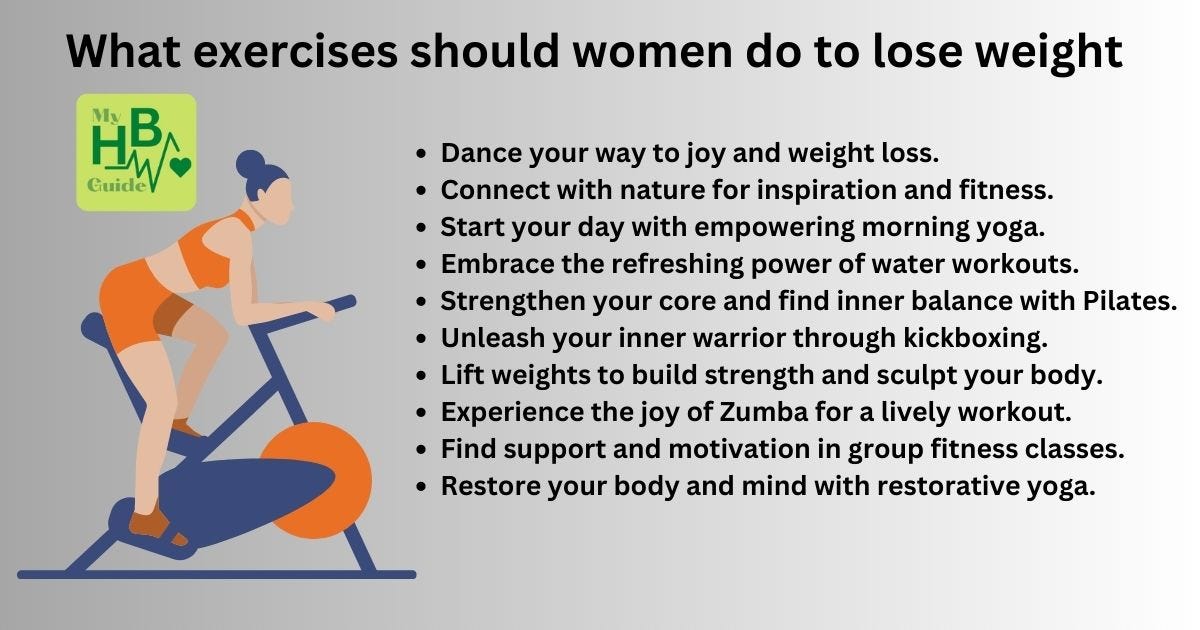
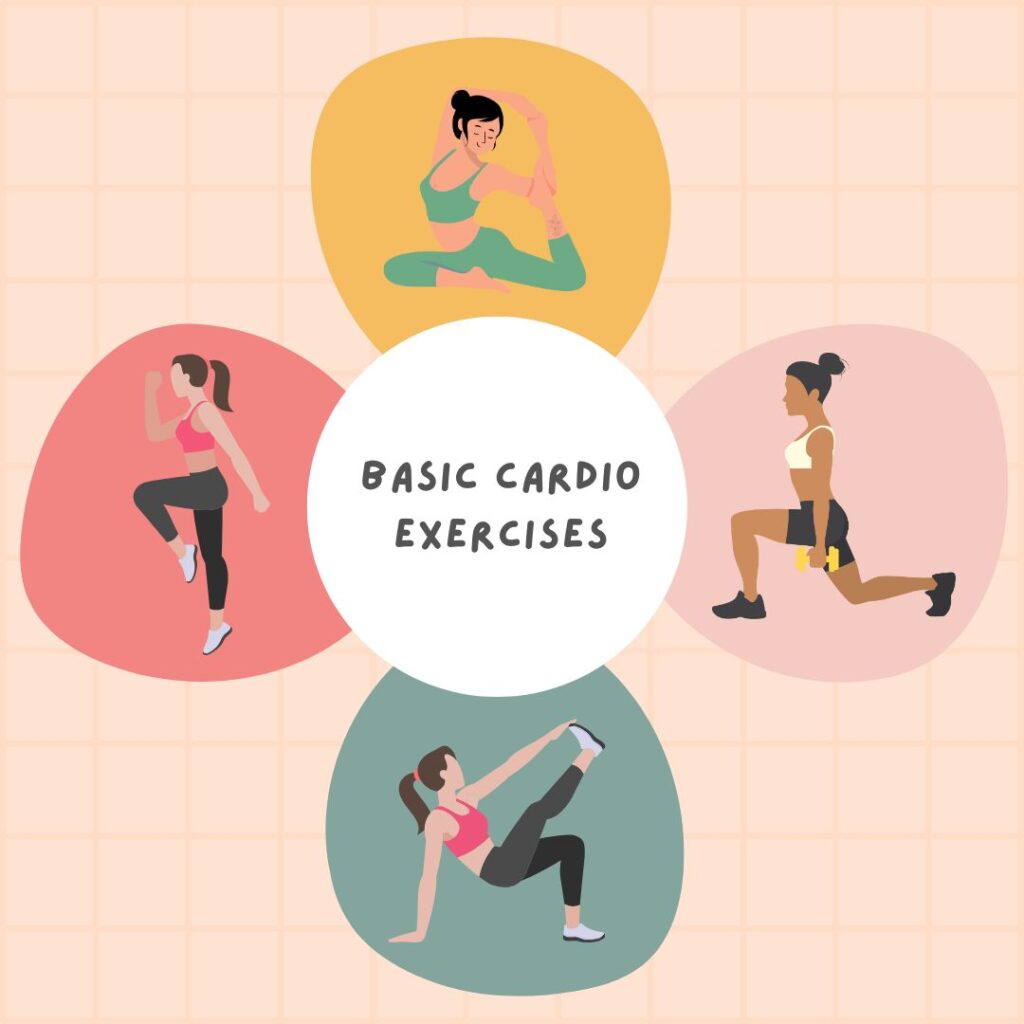
Cardiovascular exercise, often called cardio, raises your heart rate and breathing. It improves how well your heart, lungs, and blood vessels work. Cardio helps the body use oxygen better and boosts energy. This type of exercise is key to staying healthy and fit.
Benefits For Heart Health
Cardio strengthens the heart muscle. It helps blood flow more easily through arteries. This lowers the risk of heart disease and stroke. Regular cardio also reduces bad cholesterol and raises good cholesterol. It helps control blood pressure and blood sugar levels. These effects protect the heart and improve overall health.
Popular Cardio Activities
- Walking briskly
- Running or jogging
- Cycling outdoors or on a stationary bike
- Swimming laps
- Jump rope
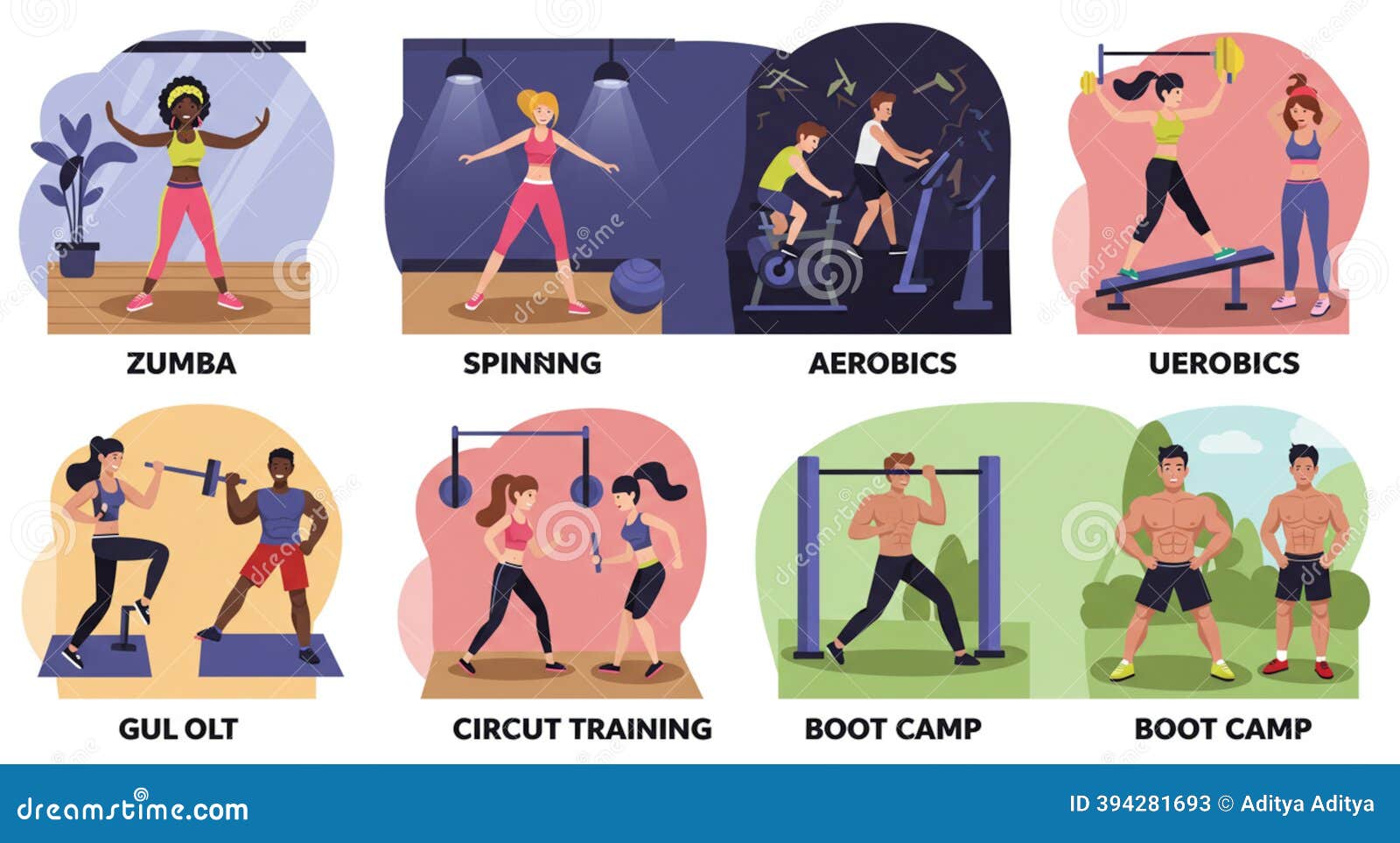
- Group fitness classes like aerobics or Zumba
Tips For Effective Cardio Workouts
- Start with a warm-up to prepare your body
- Keep a steady pace that raises your heart rate
- Use interval training to boost calorie burn
- Cool down with gentle movements and stretching
- Exercise at least 150 minutes per week for best results
- Wear comfortable shoes and stay hydrated
Strength Training
Strength training builds muscle and improves body tone. It helps increase power and supports bone health. Regular strength exercises boost metabolism and improve daily function. Anyone can start with light weights or body weight moves.
Muscle Building And Toning
Strength training makes muscles stronger and shapes them. It works by causing small muscle tears. The body repairs these tears, making muscles bigger and firmer. Toning means muscles look defined without much bulk. Both goals improve body shape and confidence.
Common Strength Exercises
- Push-ups: Use your body weight to work chest and arms.
- Squats: Strengthen legs and glutes while improving balance.
- Deadlifts: Target back, legs, and core with a weight bar.
- Planks: Build core strength and stabilize muscles.
- Dumbbell curls: Focus on arm muscles using light weights.
Safety And Proper Form
Proper form prevents injury and makes exercises effective. Start with light weights or no weights to learn the moves. Keep your back straight and core tight during exercises. Avoid jerky or fast movements; move slow and steady. Rest between sets to avoid muscle strain. If unsure, ask a trainer for guidance.
Flexibility Exercises
Flexibility exercises help improve how your body moves. They make muscles and joints less stiff. This can reduce pain and prevent injuries. These exercises are key for better balance and posture. Adding flexibility work to your routine helps daily movements feel easier.
Improving Range Of Motion
Range of motion means how far a joint can move. Flexibility exercises gently stretch muscles around joints. This lets the joints move more freely. Regular practice helps muscles stay soft and long. Over time, you will notice better movement in arms, legs, and back.
Stretching Techniques
Stretching is the main way to improve flexibility. Here are some common techniques:
- Static stretching: Hold a stretch for 20-30 seconds.
- Dynamic stretching: Move parts of your body through a full range.
- PNF stretching: Contract and relax muscles while stretching.
Start slowly and avoid bouncing. Stretch both sides of your body equally.
Incorporating Flexibility Daily
Make flexibility a daily habit. Try these tips:
- Stretch after waking up to loosen muscles.
- Take short stretch breaks during work or study.
- Add stretching to your warm-up and cool-down routines.
Consistency is key. Small daily efforts lead to big improvements.
Balance Training
Balance training is a crucial part of any exercise routine, yet many people overlook its importance. It focuses on improving your body’s ability to stay upright and steady during various movements. This type of training sharpens your coordination and strengthens the muscles that help you maintain control in everyday activities.
Enhancing Stability
Improving your stability starts with simple exercises that challenge your body’s ability to keep balance. Standing on one leg or using a balance board are effective ways to engage your core and lower body muscles. These exercises force your body to adjust continuously, which builds stronger connections between your brain and muscles.
Have you noticed how your stability improves after just a few sessions? Small daily efforts can lead to noticeable gains in your ability to stay steady, even on uneven surfaces.
Balance Exercises For All Ages
Balance training isn’t just for athletes or the elderly; it benefits everyone. Children can improve their motor skills and coordination, while adults can maintain agility and prevent future problems. Simple activities like heel-to-toe walking, yoga poses, or tai chi offer excellent balance practice.
Try adding these exercises to your routine, no matter your age. What’s one balance activity you enjoy that keeps you feeling steady?
Preventing Falls And Injuries
Falls are a leading cause of injury, especially as we get older. Balance training strengthens the muscles and reflexes needed to catch yourself or avoid a trip. Regular practice reduces your risk by improving your reaction time and awareness of your body’s position.
Think about how much safer you feel when you can move confidently without fear of falling. How could better balance training change your daily life or the life of someone you care about?
Combining Exercise Types
Combining different types of exercise creates a well-rounded fitness plan. Mixing cardio, strength, flexibility, and balance exercises helps the body in many ways. This approach reduces boredom and keeps motivation high. It also lowers the risk of injury by working various muscle groups and energy systems.
Creating A Balanced Routine
A balanced routine includes exercises from all four types. Cardio improves heart health and stamina. Strength training builds muscle and bone density. Flexibility exercises increase range of motion. Balance work helps prevent falls and improves coordination.
Plan workouts to cover these areas across the week. For example, do cardio three times, strength twice, and flexibility or balance daily. Rest days are important too for recovery.
Maximizing Fitness Results
Combining exercises boosts overall fitness faster. Cardio burns calories and strengthens the heart. Strength training shapes muscles and increases metabolism. Flexibility reduces tightness and supports movement. Balance training improves body control and posture.
This mix helps avoid plateaus by challenging the body in new ways. It also supports better performance in daily activities and sports.
Adjusting For Personal Goals
Exercise choices depend on individual goals. For weight loss, increase cardio and strength workouts. To build muscle, focus more on strength training. Improve flexibility and balance for injury prevention or older adults.
Listen to the body and adjust intensity or duration. Personal preferences and lifestyle also shape the best routine. Variety keeps exercise fun and sustainable.
Credit: himalayandreamtreks.in
Credit: www.dreamstime.com
Frequently Asked Questions
What Are The Four Main Types Of Exercise?
The four main types of exercise are aerobic, strength training, flexibility, and balance exercises. Each type targets different fitness goals. Aerobic improves cardiovascular health. Strength training builds muscle. Flexibility increases range of motion. Balance enhances stability and coordination.
How Does Aerobic Exercise Benefit The Body?
Aerobic exercise boosts heart and lung function. It increases stamina and burns calories. Regular aerobic workouts reduce the risk of chronic diseases. Examples include running, cycling, and swimming. It also improves mood by releasing endorphins.
Why Is Strength Training Important For Fitness?
Strength training helps build and maintain muscle mass. It improves bone density and metabolism. This exercise type enhances overall body strength and endurance. It supports weight management and injury prevention. Common methods include lifting weights and resistance bands.
How Can Flexibility Exercises Improve Health?
Flexibility exercises increase joint range of motion. They reduce muscle stiffness and prevent injuries. Stretching routines enhance posture and relieve muscle tension. Regular practice improves overall movement efficiency and reduces soreness after workouts.
Conclusion
Exercise shapes a healthy life in many ways. Strength training builds muscle and supports bones. Cardio improves heart health and stamina. Flexibility exercises help joints move smoothly. Balance training lowers the risk of falls. Mixing these four types creates a strong, fit body.
Choose activities you enjoy for lasting habits. Small, steady steps bring big health gains. Keep moving, stay active, and feel better every day.







