
Are you looking to shake up your fitness routine or perhaps start a new one? Understanding the different types of exercising can transform your workout experience and elevate your overall health.
Imagine discovering the perfect exercise that not only matches your lifestyle but also keeps you motivated and eager to move. Whether you’re aiming to build strength, improve flexibility, or boost your endurance, there’s an exercise type just for you. Dive into this article to explore a variety of exercises that will not only meet your fitness goals but also make working out something you genuinely look forward to.
Curious to find out which exercise type is your perfect match? Keep reading to uncover the possibilities that await you.
Cardio Workouts
Cardio workouts are essential for boosting your heart health and increasing stamina. They help burn calories efficiently and improve your overall energy levels. Whether you prefer steady or intense sessions, cardio can fit into your routine in many enjoyable ways.
Running And Jogging
Running and jogging are some of the most straightforward cardio exercises you can start right away. You don’t need fancy equipment—just a good pair of shoes and a safe route. I once began jogging around my neighborhood, and within weeks, I noticed better mood and endurance during daily tasks.
Try mixing your pace between slow jogging and faster sprints to keep your body guessing. Ask yourself: How does changing speed affect your breathing and energy? This simple adjustment can help you progress faster without extra time spent.
Cycling Benefits
Cycling is gentle on your joints but powerful for heart health. You can ride outdoors for fresh air or use a stationary bike indoors when weather isn’t favorable. I found that cycling to work not only improved my fitness but also saved money and reduced stress.
Besides cardio, cycling tones your legs and builds core strength. If you want to challenge yourself, try hill climbs or interval rides. What’s your favorite cycling route or time of day to ride?
Swimming For Endurance
Swimming combines cardio with full-body muscle engagement. It’s perfect if you need a low-impact option due to joint issues or injuries. I remember feeling energized and refreshed after just 20 minutes in the pool, which made me want to swim regularly.
Focus on steady, controlled strokes to build endurance. You can also alternate between different strokes like freestyle and breaststroke to keep workouts interesting. How long can you swim continuously before needing a break?
High-intensity Interval Training
High-Intensity Interval Training (HIIT) packs bursts of intense effort followed by short rest periods. This style of cardio can be done with running, cycling, or bodyweight exercises like jumping jacks and burpees. I noticed HIIT sessions took less time but left me feeling accomplished and energized.
Try starting with 20 seconds of hard work and 40 seconds of rest, then adjust as you improve. What happens if you push yourself a little harder during those intense intervals?

Credit: www.freepik.com
Strength Training
Strength training builds muscle by working against resistance. It improves power, endurance, and overall health. Anyone can start strength training with simple tools and exercises. It helps shape the body and supports daily activities.
Weightlifting Basics
Weightlifting uses free weights or machines to challenge muscles. Start with light weights to learn proper form. Focus on key lifts like squats, deadlifts, and bench presses. Keep movements slow and controlled to avoid injury. Rest between sets to allow muscles to recover.
Bodyweight Exercises
Bodyweight exercises use your own weight for resistance. Examples include push-ups, squats, and planks. These exercises improve strength and balance. They require no equipment and can be done anywhere. Adjust difficulty by changing speed or adding repetitions.
Resistance Bands
Resistance bands offer a flexible way to build muscle. They come in different strengths and sizes. Use bands for rows, presses, and leg lifts. They create tension throughout the movement. Bands are easy to carry and great for home workouts.
Benefits Of Muscle Building
- Increases metabolism, helping to burn more calories
- Improves bone density and reduces injury risk
- Boosts strength for daily tasks and sports
- Enhances posture and reduces back pain
- Supports mental health by reducing stress
Flexibility And Mobility
Flexibility and mobility are key parts of any exercise routine. They help the body move freely and reduce the risk of injury. Improving these areas supports better posture and eases daily activities. Both beginners and athletes benefit from regular flexibility and mobility work.
These exercises target muscles, joints, and connective tissues. They increase range of motion and help muscles relax. The result is less stiffness and more fluid movement. Consistent practice leads to lasting improvements in how the body feels and functions.
Stretching Techniques
Stretching helps lengthen muscles and improve flexibility. Common techniques include static, dynamic, and ballistic stretching.
- Static stretching:Holding a stretch for 20-30 seconds.
- Dynamic stretching:Moving parts of your body gently through a full range.
- Ballistic stretching:Using quick, bouncing movements to push muscles further.
Static stretching is best after workouts. Dynamic stretching prepares the body before exercise.
Yoga Poses For Flexibility
Yoga combines gentle movements and breathing to improve flexibility. Poses like Downward Dog and Cobra stretch many muscle groups.
- Downward Dog:Stretches the hamstrings, calves, and shoulders.
- Cobra Pose:Opens the chest and strengthens the spine.
- Child’s Pose:Relaxes the back and hips.
Yoga also improves balance and calmness. Regular practice enhances overall flexibility and body awareness.
Pilates For Core Strength
Pilates focuses on the core muscles around the abdomen and back. Strong core muscles support better posture and mobility.
- Controlled movements improve muscle tone and flexibility.
- Breathing techniques enhance body control and stability.
- Exercises target deep muscles that stabilize the spine.
Pilates increases body awareness and helps prevent injuries. It complements flexibility routines well.
Improving Joint Mobility
Joint mobility means the ability to move joints through their full range. Good mobility reduces stiffness and discomfort.
- Gentle circular movements loosen joints.
- Weight-bearing exercises strengthen joint support.
- Consistent practice keeps joints healthy and flexible.
Simple daily movements can improve joint health. Focus on hips, shoulders, and ankles for better overall mobility.

Credit: www.goodhousekeeping.com
Balance And Stability
Balance and stability are key components of any effective exercise routine. They help you stay steady, avoid injuries, and improve your overall coordination. Strengthening these skills can make everyday activities easier and boost your confidence, especially as you age.
Balance Exercises
Simple balance exercises can make a big difference in your stability. Try standing on one foot for 30 seconds, then switch. You can increase the challenge by closing your eyes or standing on a soft surface.
Adding movements like leg lifts or gentle twists while balancing engages more muscles. Have you noticed how balance improves with just a few minutes of practice each day?
Using Stability Balls
Stability balls add a fun challenge to your workouts. Sitting or lying on one forces your core to work harder to keep you balanced. This strengthens your abdominal and back muscles without heavy lifting.
Try simple moves like ball squats or bridges. The unstable surface trains your body to react quickly, improving your reflexes. Do you feel the difference in your core after just one session?
Tai Chi For Coordination
Tai Chi is a gentle martial art focused on slow, controlled movements. It improves your balance and coordination by training your mind and body to work together smoothly.
Many people find Tai Chi reduces stress while enhancing their stability. Could practicing these flowing movements help you stay grounded in both body and mind?
Preventing Falls
Falls can cause serious injuries, especially as you get older. Improving your balance and stability lowers this risk significantly. Simple balance exercises and strength training can make your movements safer and more confident.
Using handrails, wearing proper shoes, and keeping your home clutter-free also play a part. What small changes can you make today to protect yourself from a fall tomorrow?
Sports And Recreational Activities
Sports and recreational activities offer a dynamic way to stay active while having fun. They break the monotony of traditional workouts and keep your motivation high. Whether you enjoy the camaraderie of a team or the solitude of individual challenges, there’s something here that fits your style and goals.
Team Sports Benefits
Playing team sports like soccer, basketball, or volleyball can boost your fitness and social life simultaneously. The teamwork involved helps build communication skills and trust among players.
Regular participation improves your coordination and cardiovascular health. Have you noticed how games push you harder than solo workouts? That competitive edge often leads to better endurance and strength.
Individual Sports Options
If you prefer working out on your own, sports like tennis, swimming, or running might be perfect. These activities allow you to set personal goals and track your progress precisely.
Individual sports offer flexibility in scheduling and intensity. You control the pace, which can reduce stress and make exercise more enjoyable. Have you tried mixing different individual sports to keep your routine fresh?
Outdoor Adventures
Outdoor activities such as hiking, kayaking, or rock climbing combine exercise with nature’s beauty. They challenge your body in diverse ways, improving strength, balance, and endurance.
Spending time outside also boosts your mood and mental clarity. Think about the last time you felt truly energized after a hike or bike ride—could this be the key to your fitness routine?
Making Fitness Fun
Enjoyment is essential to sticking with any exercise. Sports and recreational activities naturally make fitness feel less like a chore and more like a hobby.
Try joining a local sports club or group to add a social element. When you look forward to your workouts because they’re fun, you’ll find it easier to stay consistent and reach your goals.
Exercise Tips For Faster Results
Want to see faster results from your exercise routine? It’s not just about working harder; it’s about working smarter. Small changes in how you approach your workouts can make a big difference in how quickly you meet your fitness goals.
Setting Realistic Goals
Start by setting goals that challenge you but stay achievable. Unrealistic targets often lead to frustration and burnout. Break down your main goal into smaller milestones to keep your motivation high.
Ask yourself what you can realistically commit to each week without sacrificing quality. Tracking your progress regularly helps you adjust your goals and stay focused.
Combining Different Types
Mixing various forms of exercise boosts your overall performance and prevents boredom. For example, pairing strength training with cardio improves both muscle tone and endurance.
Try alternating activities like swimming, cycling, and weightlifting during the week. This approach not only speeds up results but also reduces the risk of injury.
Proper Nutrition
Your body needs the right fuel to perform and recover. Eating a balanced diet rich in protein, healthy fats, and complex carbs supports muscle growth and energy levels.
Hydration is equally important; drink water before, during, and after workouts. Have you tried adjusting your meals around your exercise times to see how it affects your energy?
Rest And Recovery
Rest days are just as important as workout days. Your muscles need time to repair and grow stronger after exercise. Without enough recovery, you risk injury and burnout.
Incorporate activities like stretching or light yoga on rest days to aid recovery. How often do you listen to your body and allow it to rest?
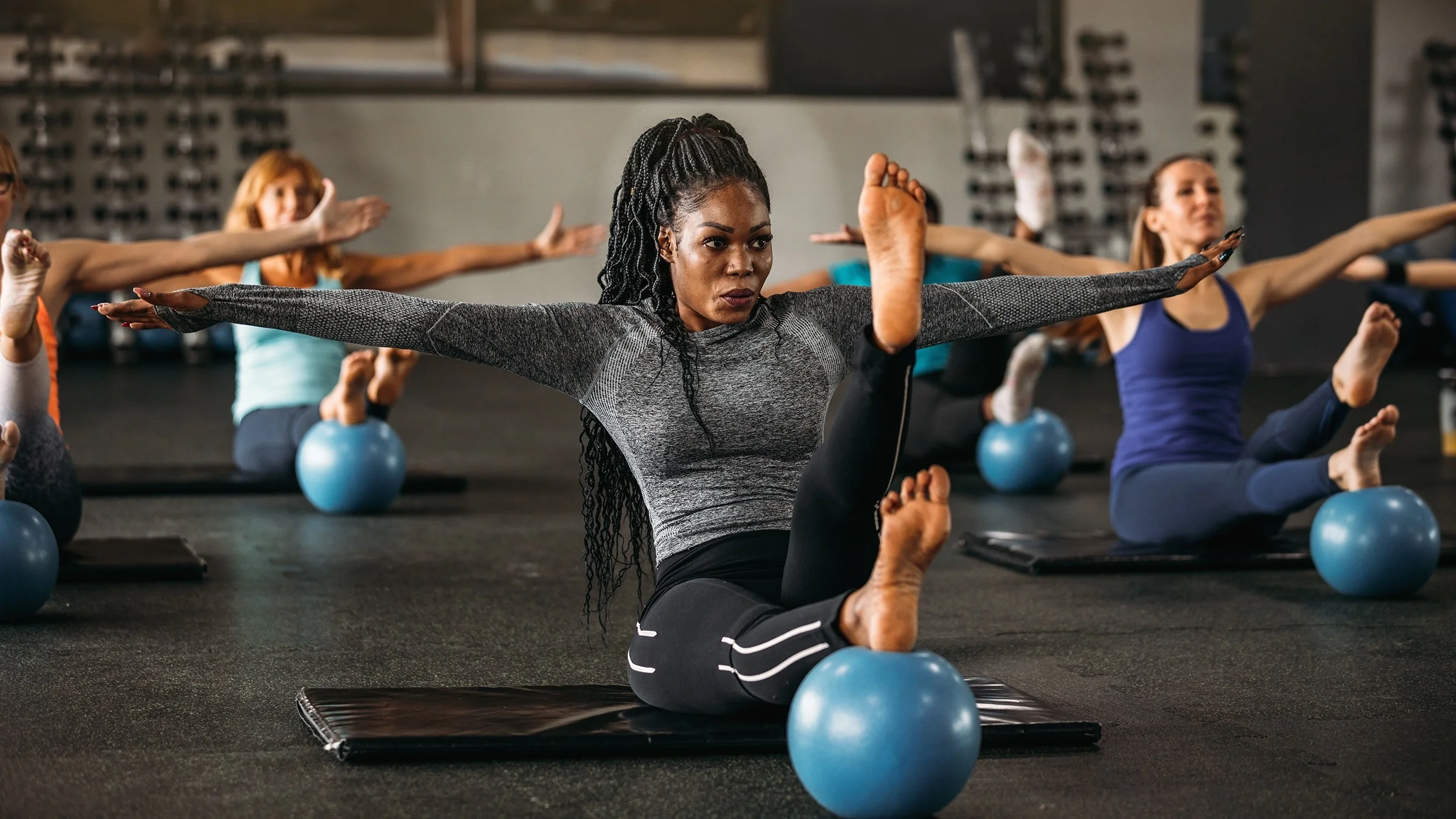
Credit: www.goodrx.com
Frequently Asked Questions
What Are The Main Types Of Exercising?
The main types are aerobic, strength training, flexibility, balance, and HIIT. Each targets different fitness goals and body benefits.
How Does Aerobic Exercise Benefit Your Health?
Aerobic exercise improves heart health, boosts endurance, and burns calories. It also reduces stress and enhances lung capacity.
What Is The Best Strength Training Method?
Using weights, resistance bands, or bodyweight exercises builds muscle. Consistency and proper form ensure effective strength gains.
Why Is Flexibility Exercise Important?
Flexibility exercises prevent injuries, improve posture, and increase range of motion. They enhance overall movement and reduce muscle stiffness.
Conclusion
Exercising has many types to choose from. Each type helps your body in different ways. Some improve strength, others boost endurance or flexibility. You can pick exercises that suit your needs and goals. Staying active keeps you healthy and happy.
Try mixing different exercises for best results. Enjoy the process and keep moving every day. Your body will thank you for it.







