
Are you navigating the rollercoaster of menopause and finding it tricky to manage your weight? You’re not alone.
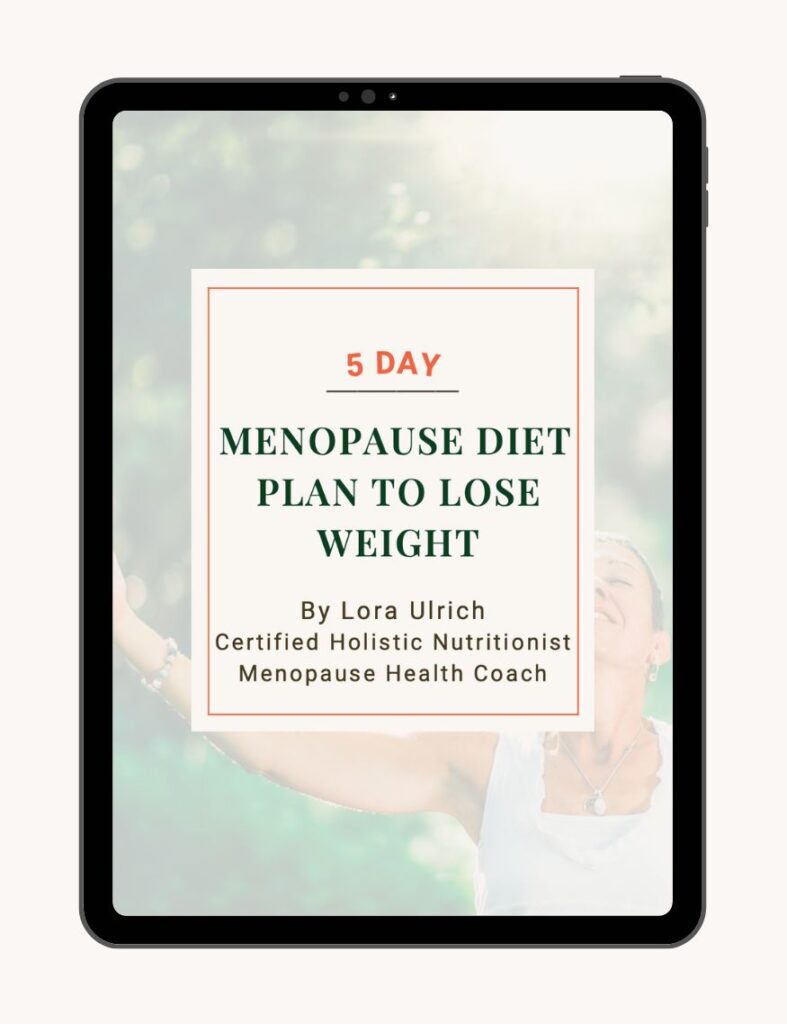
Many women experience weight gain during this phase, but there’s hope. Imagine a simple, effective plan that not only helps you shed those stubborn pounds but also boosts your energy and enhances your overall well-being. Introducing the Menopause Diet 5-Day Plan to Lose Weight.
This isn’t just another fad diet; it’s a carefully crafted strategy designed with your unique needs in mind. Ready to discover how you can transform your relationship with food and feel your best? Let’s dive into this transformative plan that promises real results in just five days.

Credit: www.amazon.com
Menopause And Weight Gain
Weight gain during menopause is a common concern for many women. Changes in the body make it easier to gain fat, especially around the belly. This can affect confidence and health. Understanding the causes helps manage weight better.
Hormonal Changes Impacting Weight
Menopause causes estrogen levels to drop. Estrogen helps control body weight and fat storage. Lower estrogen slows metabolism, so the body burns fewer calories. This leads to fat buildup, especially in the abdomen.
Other hormones, like progesterone and testosterone, also decline. These changes reduce muscle mass and increase fat. Muscle burns more calories than fat, so less muscle means fewer calories burned daily.
Common Challenges During Menopause
Many women face difficulties controlling weight during menopause. Common challenges include:
- Slower metabolism making calorie burn less efficient
- Increased appetite and cravings for sugary or fatty foods
- Reduced physical activity due to joint pain or fatigue
- Stress and poor sleep affecting hunger hormones
- Changes in how the body stores fat, favoring the belly area
These issues can make weight loss harder. A focused diet plan can help overcome these challenges.
Key Principles Of The Menopause Diet
The Menopause Diet focuses on nutrition that supports hormone balance and weight loss. It helps ease menopause symptoms and boosts energy. Following key principles improves overall health and controls weight gain during this phase. These principles guide your daily food choices for the best results.
Balanced Macronutrients
Eating the right mix of macronutrients is crucial. Protein supports muscle health and keeps you full. Healthy fats help hormone production and brain function. Carbohydrates provide energy but choose whole grains for steady blood sugar. Balance these nutrients at every meal to avoid cravings and maintain energy.
Foods To Emphasize
- Lean proteins like chicken, fish, and legumes
- Healthy fats from nuts, seeds, and olive oil
- High-fiber vegetables and fruits
- Whole grains such as quinoa, brown rice, and oats
- Dairy or fortified plant-based options for calcium
These foods help reduce inflammation and support metabolism. They also provide vitamins and minerals important for bone and heart health.
Foods To Limit
- Processed and sugary snacks
- Refined grains like white bread and pastries
- Excessive caffeine and alcohol
- High-sodium processed foods
- Red and processed meats in large amounts
Limiting these foods helps control weight and reduces menopause symptoms like hot flashes and mood swings.
5-day Meal Plan Breakdown
The 5-Day Meal Plan Breakdown offers a clear path for weight loss during menopause. It balances nutrients that support energy, metabolism, and hormone health. Each day focuses on specific food groups to help the body adjust and thrive. Simple meals make it easy to follow and stick with the plan.
Day 1: Energizing Start
Begin with foods that boost energy and reduce fatigue. Focus on whole grains, fresh fruits, and lean proteins. These choices help maintain steady blood sugar and keep you active.
- Breakfast: Oatmeal with berries and almonds
- Lunch: Grilled chicken salad with mixed greens
- Dinner: Baked salmon with quinoa and steamed broccoli
Day 2: Nutrient-rich Choices
Fill your plate with vitamins and minerals to support overall health. Colorful vegetables and fruits are key. Add healthy fats to aid absorption of nutrients.
- Breakfast: Greek yogurt with flaxseeds and kiwi
- Lunch: Lentil soup with carrots and spinach
- Dinner: Stir-fried tofu with bell peppers and brown rice
Day 3: Metabolism Boosting Meals
Choose foods that help increase calorie burn. Include spicy ingredients and protein-rich options. These meals promote fat loss and muscle maintenance.
- Breakfast: Scrambled eggs with chili flakes and avocado
- Lunch: Turkey wrap with lettuce and tomato
- Dinner: Grilled shrimp with asparagus and sweet potatoes
Day 4: Hormone-friendly Foods
Focus on foods that balance hormones naturally. Include sources of omega-3 fatty acids and fiber. These help reduce menopause symptoms and support mood.
- Breakfast: Chia pudding with walnuts and raspberries
- Lunch: Spinach and chickpea salad with olive oil
- Dinner: Roasted chicken with Brussels sprouts and wild rice
Day 5: Sustainable Eating Habits
Develop habits to maintain weight loss and health. Eat balanced meals with portion control. Drink water and avoid processed snacks.
- Breakfast: Smoothie with banana, spinach, and protein powder
- Lunch: Quinoa bowl with mixed veggies and grilled tofu
- Dinner: Baked cod with green beans and cauliflower mash

Credit: evebiology.com
Easy Cooking Tips And Recipes
Eating well during menopause supports weight loss and overall health. Simple cooking tips make meal prep easier and more enjoyable. Using fresh ingredients and easy recipes saves time and stress. Balanced meals help manage hunger and boost energy. Focus on whole foods and avoid processed items for best results.
Simple Breakfast Ideas
- Oatmeal with berries and a spoon of flaxseed for fiber
- Greek yogurt mixed with nuts and a drizzle of honey
- Whole-grain toast topped with avocado and a boiled egg
- Smoothie with spinach, banana, and almond milk
- Cottage cheese with sliced cucumber and cherry tomatoes
Quick Lunch Options
- Mixed salad with grilled chicken, olive oil, and lemon juice
- Whole wheat wrap filled with turkey, spinach, and hummus
- Quinoa bowl with roasted veggies and a splash of balsamic
- Vegetable soup with a side of whole-grain crackers
- Lentil salad with diced peppers, onions, and fresh herbs
Healthy Dinner Recipes
| Recipe | Main Ingredients | Preparation Tips |
|---|---|---|
| Baked Salmon with Asparagus | Salmon, asparagus, olive oil, lemon | Season and bake at 375°F for 15-20 minutes |
| Stir-Fried Tofu and Veggies | Tofu, broccoli, bell peppers, soy sauce | Use minimal oil, cook until veggies are crisp-tender |
| Chicken and Sweet Potato Bake | Chicken breast, sweet potatoes, rosemary | Roast in the oven with light seasoning |
| Vegetable Chili | Beans, tomatoes, corn, chili powder | Simmer for 30 minutes, serve with a small portion of rice |
Snack Suggestions
- Handful of almonds or walnuts
- Carrot sticks with hummus dip
- Apple slices with peanut butter
- Hard-boiled eggs
- Low-fat cheese cubes
Lifestyle Tips To Support Weight Loss
Lifestyle choices play a key role in supporting weight loss during menopause. Small changes in daily habits can help balance hormones and boost metabolism. Consistent routines improve energy and mood, making weight loss easier to manage.
Focus on habits that encourage physical activity, reduce stress, and promote good sleep. These elements work together to support a healthy weight and overall well-being.
Exercise Recommendations
Exercise helps burn calories and maintain muscle mass. Aim for a mix of cardio and strength training. Cardio exercises like walking, swimming, or cycling improve heart health. Strength training builds muscles, which boosts metabolism.
- Try 30 minutes of moderate exercise most days.
- Include resistance exercises at least two times a week.
- Stretch regularly to keep joints flexible.
Stress Management Techniques
Stress raises cortisol levels, which can increase fat storage. Managing stress is crucial for weight control. Practice deep breathing or meditation daily. These methods calm the mind and reduce cortisol.
- Take short breaks during the day to relax.
- Try yoga or gentle stretching to ease tension.
- Spend time outdoors to refresh your mind.
Sleep And Hydration
Poor sleep disrupts hormones that control hunger and fullness. Aim for 7 to 8 hours of quality sleep nightly. Good hydration supports metabolism and reduces hunger.
- Drink water consistently throughout the day.
- Avoid caffeine and heavy meals before bedtime.
- Create a bedtime routine to improve sleep quality.
Tracking Progress And Staying Motivated
Tracking your progress during the Menopause Diet 5-Day Plan can make a big difference in how motivated you feel. Keeping an eye on your achievements, no matter how small, helps you stay connected to your goals and reminds you why you started. It’s not just about losing weight—it’s about feeling stronger and more in control of your health.
Setting Realistic Goals
Setting clear, achievable goals is key to staying on track. Instead of aiming for drastic weight loss, focus on small changes like eating one extra serving of vegetables daily or walking 10 minutes more than yesterday.
Ask yourself: Are your goals specific enough to measure? For example, “I will drink 8 glasses of water every day” is easier to follow than “I will drink more water.”
Realistic goals keep you from feeling overwhelmed and help you build steady momentum. Adjust your goals based on how your body responds during the plan.
Using Journals And Apps
Writing down what you eat and how you feel each day can reveal patterns you might miss otherwise. A simple journal or an app can help you stay honest with yourself and spot areas for improvement.
Many apps also let you track your weight, energy levels, and even sleep quality, which are crucial during menopause. Choose one that feels easy to use and fits your lifestyle.
If you notice certain meals make you feel sluggish or energized, journaling these details will help you adjust your diet effectively. This feedback loop is your personal guide to success.
Celebrating Small Wins
Every positive change deserves recognition. Did you resist a sugary snack or complete your daily exercise? Celebrate it!
Small wins build confidence and encourage you to keep going. They remind you that progress isn’t always about the scale.
Consider rewarding yourself with non-food treats like a relaxing bath, a new book, or extra time for a hobby. How will you celebrate your next small victory?
Credit: loraulrich.com
Frequently Asked Questions
What Foods Are Best For Menopause Weight Loss?
Focus on whole foods like vegetables, lean proteins, and healthy fats. Avoid processed and sugary foods. These choices help balance hormones and reduce weight gain during menopause.
How Does The Menopause Diet Aid Weight Loss?
It balances hormones, boosts metabolism, and reduces inflammation. The diet includes nutrient-rich foods that support fat burning and energy levels, making weight loss easier during menopause.
Can A 5-day Plan Jumpstart Menopause Weight Loss?
Yes, a focused 5-day plan helps reset eating habits. It encourages nutrient-dense meals that reduce bloating and promote fat loss, providing a strong foundation for long-term success.
What Snacks Support Weight Loss In Menopause?
Choose snacks like nuts, seeds, Greek yogurt, and fresh fruits. These provide protein and fiber, keeping you full and stabilizing blood sugar to prevent cravings.
Conclusion
This 5-day menopause diet plan supports weight loss and better health. Eating balanced meals helps control hunger and boosts energy. Small changes in food choices make a big difference. Stay consistent and listen to your body’s needs. Remember, slow progress leads to lasting results.
Keep moving and enjoy the journey to feeling healthier. Your body will thank you for the care and attention.







