
If you’ve ever watched your cat curl up in a sunny spot or chase a feather toy with endless enthusiasm, you know how much joy they bring to your life. Naturally, you want to ensure they stay healthy and happy for as long as possible.
But what happens when you discover your feline friend is facing kidney issues? It can be an overwhelming moment, filled with questions and concerns. The good news is, you have the power to make a positive impact on their health through their diet.
A feline kidney diet isn’t just a meal plan; it’s a lifeline. It can help manage symptoms and improve your cat’s quality of life. As you read on, you’ll uncover how specific nutrients and food choices can support your cat’s kidneys. You’ll gain insights into what to feed and what to avoid, ensuring you’re making informed decisions. This information can empower you to provide the best care for your feline friend, offering them comfort and vitality even in the face of health challenges. Keep reading to unlock the secrets of a kidney-friendly diet, and discover how you can make a real difference in your cat’s life.
Signs Of Kidney Issues In Cats
Recognizing the signs of kidney issues in your cat early can make a huge difference in managing their health. Kidney problems often develop slowly, and cats are experts at hiding discomfort. Paying close attention to subtle changes in behavior and habits helps you act before the condition worsens.
Early Symptoms To Watch
Watch for changes in your cat’s drinking and urination patterns. Increased thirst and frequent urination can signal kidney trouble.
Loss of appetite and sudden weight loss are also common signs. You might notice your cat eating less or becoming picky about food.
Look out for vomiting, lethargy, and dull coat quality. These symptoms often appear as the kidneys struggle to filter waste.
Is your cat hiding more than usual or acting unusually irritable? Behavioral shifts can hint at discomfort caused by kidney issues.
When To Visit The Vet
If you spot any of the early symptoms, don’t wait to schedule a vet appointment. Early testing can detect kidney problems before they become severe.
Your vet will likely recommend blood and urine tests to check kidney function. These tests provide clear insights into your cat’s health status.
Prompt veterinary care allows for dietary adjustments and treatments that can slow disease progression. Waiting too long can limit your options.
Consider this: Would you delay care if your cat showed signs of pain? Kidney health deserves the same urgency to protect your furry friend.
Credit: www.perfectcompanion.com
Key Nutrients For Kidney Health
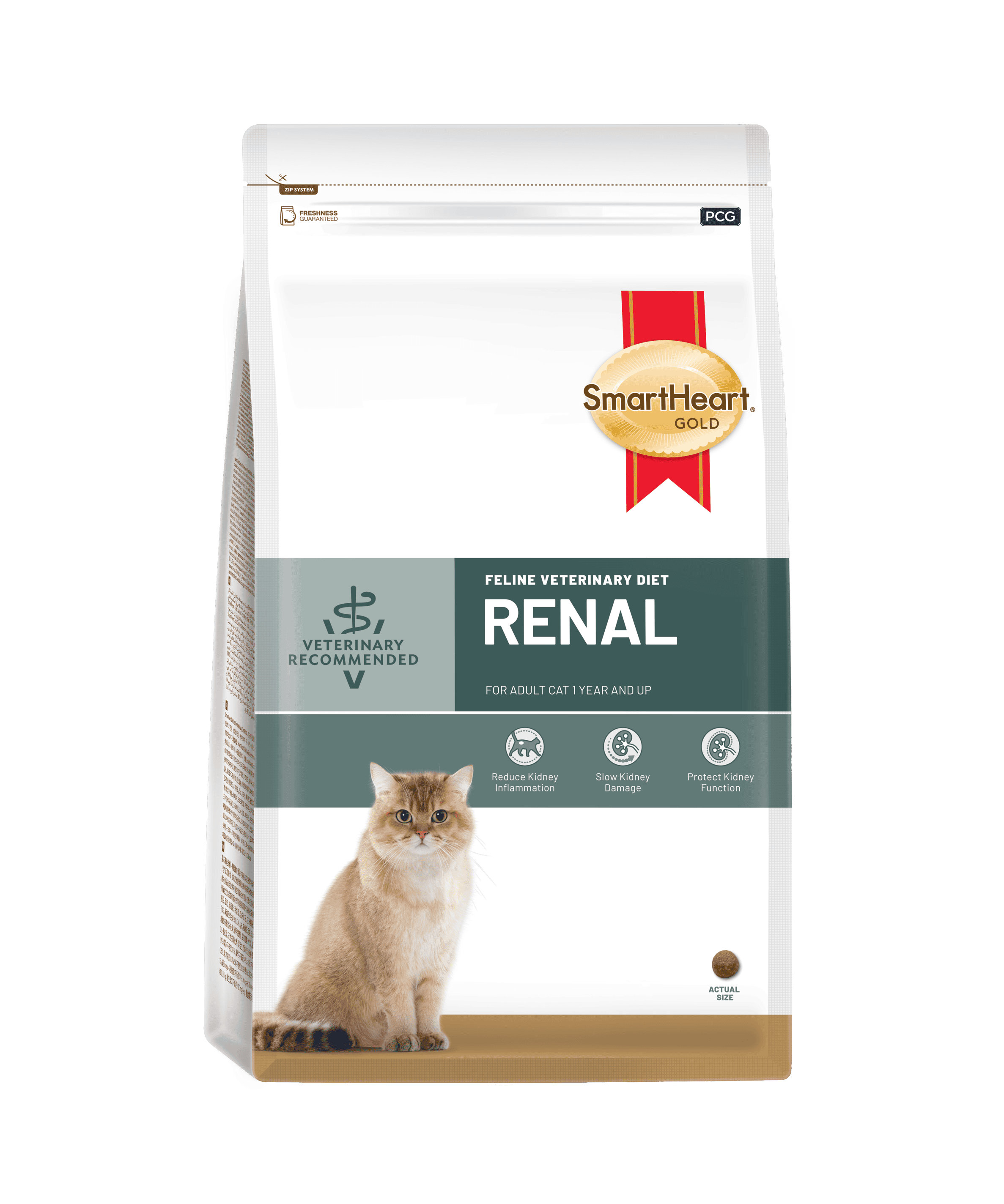
Feline kidney diet focuses on nutrients that support kidney function. Cats with kidney problems need special food to help their kidneys work better. Proper nutrition can slow kidney damage and improve your cat’s quality of life.
Protein Management
Protein is essential but needs careful control in kidney diets. Too much protein makes kidneys work harder. Low to moderate protein helps reduce waste buildup. Quality protein sources provide necessary amino acids without extra strain.
Controlling Phosphorus
Phosphorus can harm kidneys if levels get too high. Kidney diets limit phosphorus to protect kidney cells. Foods with low phosphorus prevent further kidney damage. This control helps keep your cat healthier longer.
Importance Of Hydration
Water supports kidney function by flushing toxins from the body. Cats with kidney issues often drink less. Increasing water intake aids kidneys in filtering waste. Wet food and fresh water encourage proper hydration.
Choosing The Right Kidney Diet
Choosing the right kidney diet for your cat is a crucial step in managing their kidney health. It’s not just about picking any food labeled “kidney-friendly.” You need to consider factors like food type, ingredients, and your cat’s preferences to ensure they get proper nutrition without worsening their condition.
Wet Vs Dry Food Options
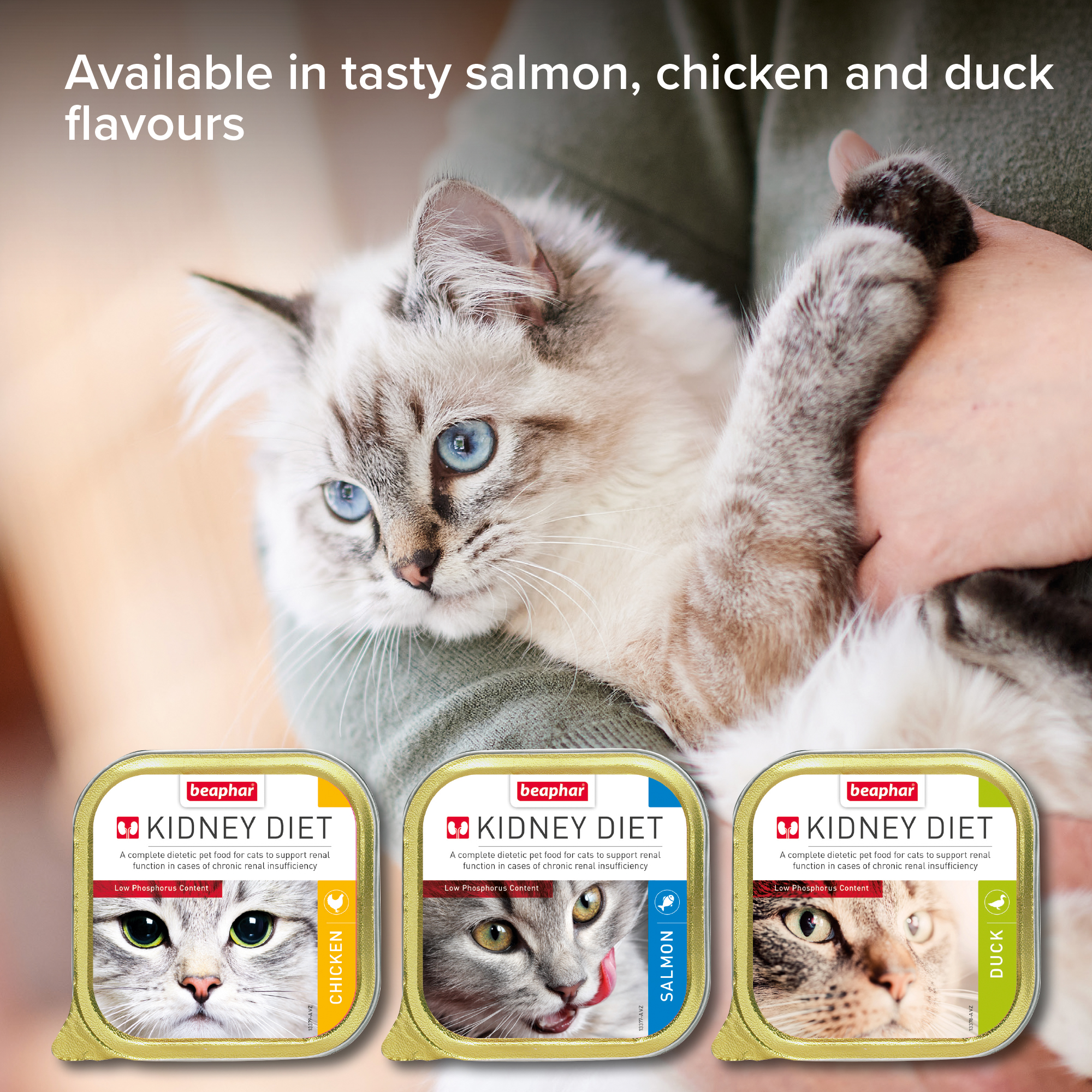
Wet food is often better for cats with kidney issues because it contains more moisture. This extra hydration supports kidney function and helps prevent dehydration, a common problem in cats with kidney disease.
Dry food, on the other hand, is convenient and can help keep your cat’s teeth clean. But it usually has less water content, so you’ll need to encourage your cat to drink more water if you choose dry food. Have you noticed your cat prefers one over the other? That preference can affect how well they stick to their diet.
Prescription Diets Explained
Prescription kidney diets are specially formulated to reduce the workload on your cat’s kidneys. They usually contain lower protein, phosphorus, and sodium levels while including essential vitamins and fatty acids to support kidney health.
These diets require a vet’s approval and are often the most reliable option. But not all cats take to them easily. If your cat refuses the prescription diet, it’s worth discussing alternatives with your vet rather than forcing the issue.
Homemade Diet Considerations
Some cat owners prefer homemade diets to control exactly what their cat eats. This approach allows you to avoid additives and tailor meals to your cat’s taste and needs.
However, creating a balanced homemade kidney diet can be tricky. You must work closely with a veterinary nutritionist to ensure the food provides the right nutrients without overloading the kidneys. Are you prepared for the time and effort this option demands?
Credit: www.beaphar.co.uk
Feeding Tips For Cats With Kidney Disease
Feeding a cat with kidney disease requires careful attention and adjustments to their diet. The right feeding strategy can improve their comfort and slow the progression of the illness. Let’s look at some practical tips that can help you manage your cat’s meals effectively.
Meal Frequency And Portions
Smaller, more frequent meals often work better for cats with kidney problems. Instead of two large meals, try offering 3 to 4 smaller ones throughout the day. This approach helps reduce the strain on their kidneys and can improve nutrient absorption.
Portion control is crucial. Overfeeding can put extra stress on the kidneys, while underfeeding might lead to weight loss and weakness. Use a kitchen scale or measuring cup to keep portions consistent and suitable for your cat’s condition.
Encouraging Appetite
Kidney disease often causes a decreased appetite, which can be frustrating. Warming food slightly can make it smell more appealing and entice your cat to eat. Adding a bit of low-sodium broth or a small amount of tuna juice might also boost their interest.
Try changing the texture or flavor of food if your cat seems bored or uninterested. Sometimes, mixing wet food with a bit of dry kibble or switching protein sources can make a big difference. Have you noticed your cat prefers one type of food over another?
Monitoring Weight And Condition
Regularly tracking your cat’s weight helps catch changes early. Weigh your cat at least once a week and keep a log to notice trends. Losing weight too quickly can signal that the diet or feeding routine needs adjustment.
Observe your cat’s body condition too. Are they losing muscle mass or looking more tired than usual? These signs are important to discuss with your vet, as they may require changes in diet or treatment. How often do you check your cat’s weight and overall condition?
Supplements And Treatments
Managing your cat’s kidney health involves more than just diet changes. Supplements and treatments play a crucial role in supporting kidney function and improving your feline’s quality of life. Understanding what options are available can help you make informed choices for your pet’s care.
Common Kidney Support Supplements
Supplements can provide essential nutrients that support kidney health. Omega-3 fatty acids, found in fish oil, help reduce inflammation and protect kidney cells. Antioxidants like vitamin E and vitamin C fight free radicals, which can damage kidney tissue over time.
Phosphorus binders are another important supplement. They help reduce phosphorus levels in your cat’s blood, slowing kidney damage. Adding B-complex vitamins can also boost energy and support overall health during kidney disease.
Medications That Help
Your veterinarian may prescribe medications to manage symptoms and slow kidney disease progression. Drugs to control blood pressure are common since high blood pressure stresses the kidneys. Medications to reduce protein loss in urine can also protect kidney function.
Sometimes, your cat might need drugs to manage nausea or stimulate appetite if kidney disease causes digestive issues. Don’t hesitate to ask your vet about the best medication plan tailored to your cat’s condition and lifestyle.
Role Of Regular Vet Checkups
Regular vet visits are vital to track your cat’s kidney health. Kidney disease can worsen silently, so periodic blood tests and urine analysis catch problems early. Your vet can adjust supplements and medications based on these results.
How often you visit depends on your cat’s stage of kidney disease. Frequent checkups help you notice subtle changes before they become serious. Are you keeping up with your cat’s vet appointments to give them the best care possible?
Lifestyle Changes For Kidney Health
Supporting your cat’s kidney health means more than just changing their diet. Adjusting their lifestyle plays a big role too. Simple habits can ease the strain on their kidneys and improve their quality of life.
Hydration Strategies
Keeping your cat well-hydrated helps kidneys flush out toxins more efficiently. Cats often don’t drink enough water on their own, especially if they eat mostly dry food.
Try adding water to their food or offering wet food varieties. You can also place multiple water bowls around the house to encourage sipping. Some cats prefer running water, so a pet water fountain might make a difference.
Stress Reduction Techniques
Stress can worsen kidney problems by affecting your cat’s overall health. Creating a calm environment helps your cat feel safe and relaxed.
- Provide quiet resting places away from noise and activity.
- Keep a consistent routine for feeding and playtime.
- Use pheromone diffusers designed to reduce feline anxiety.
Have you noticed how your cat behaves when visitors come over or when there’s loud noise? Minimizing these stress triggers can protect their kidneys.
Exercise And Activity Levels
Regular activity supports blood flow and helps maintain a healthy weight, which eases kidney workload. But don’t push your cat too hard; gentle play sessions are best.
Try short, interactive playtimes with toys your cat enjoys. Puzzle feeders that require some movement can also keep them active without overstressing.
How often do you engage your cat in play? Even a few minutes daily can make a difference in their kidney health and happiness.

Credit: ziggyfamily.com
Frequently Asked Questions
What Is A Feline Kidney Diet?
A feline kidney diet is specially formulated food for cats with kidney disease. It supports kidney function and reduces strain. These diets are low in protein, phosphorus, and sodium to help manage symptoms and slow disease progression.
Why Is Low Phosphorus Important In Kidney Diets?
Low phosphorus helps reduce kidney workload and damage. High phosphorus levels worsen kidney disease in cats. Managing phosphorus intake is crucial to maintaining kidney health and improving quality of life.
Can A Kidney Diet Improve My Cat’s Lifespan?
Yes, a kidney diet can extend your cat’s life. Proper nutrition slows kidney disease progression and improves overall health. Early dietary intervention is key for better outcomes and comfort.
How Do I Transition My Cat To A Kidney Diet?
Transition gradually over 7-10 days by mixing new food with old. Increase kidney diet proportion daily to avoid digestive upset. Monitor your cat’s acceptance and consult your vet if issues arise.
Conclusion
Feeding your cat a kidney-friendly diet supports their health daily. It helps reduce kidney strain and keeps your pet comfortable. Choose foods low in protein and phosphorus for best results. Always check with your vet before changing your cat’s diet.
Small changes can make a big difference over time. Caring for your cat’s kidneys shows your love and attention. Healthy eating leads to a happier, longer life for your feline friend. Keep learning and stay patient—it’s a journey worth taking.







