
Are you ready to change the way you think about your body and strength? Building muscle isn’t just for men—it’s a powerful way for you to feel stronger, boost your confidence, and improve your overall health.
Imagine having more energy, better posture, and a body that works exactly the way you want it to. This guide will show you simple, effective steps to start building muscle and transforming your life. Keep reading, and discover how easy and rewarding muscle building can be for you.
Credit: levelsprotein.com
Benefits Of Muscle Building
Building muscle offers more than just a toned appearance. It transforms your body and mind in ways that impact everyday life. Understanding these benefits can motivate you to stick with your fitness journey and enjoy the rewards beyond the gym.
Physical Health Improvements
Muscle building strengthens your bones and joints, reducing the risk of injuries. It helps regulate blood sugar levels, which can protect against diabetes. You’ll also notice better posture and less back pain as your core and supporting muscles grow stronger.
Have you experienced how lifting even light weights can make daily tasks feel easier? Carrying groceries or climbing stairs becomes less tiring when your muscles are more resilient.
Boosting Mental Confidence
Seeing your strength improve can boost your self-esteem dramatically. It’s empowering to realize what your body can achieve through consistent effort. This confidence often spills into other areas of life, making challenges feel more manageable.
Think about how you feel after completing a tough workout. That sense of accomplishment isn’t just physical—it rewires your brain to embrace challenges rather than avoid them.
Enhancing Daily Performance
Muscle building sharpens your endurance and energy levels throughout the day. You’ll likely find yourself less fatigued and more focused, whether at work or home. Even simple movements become smoother and more controlled.
Imagine waking up feeling ready to tackle your to-do list without the usual sluggishness. That’s the kind of practical benefit muscle building delivers, improving how you perform every day.

Credit: mostlyamelie.com
Common Myths For Women
Many women hesitate to build muscle because of common myths that create unnecessary fear and confusion. These myths often stop you from reaching your true potential. Let’s clear up the misunderstandings and give you confidence to take control of your fitness journey.
Bulking Up Misconception
Many women worry that lifting weights will make them look bulky or overly muscular. The truth is, women have lower testosterone levels, making it much harder to gain large muscle mass compared to men.
Muscle building for women typically results in a leaner, toned appearance rather than bulk. Think about athletes like gymnasts or runners—they’re strong but not bulky.
Have you ever felt afraid to pick up heavier weights because of this myth? Try focusing on strength and endurance first, and watch your body transform in a way you’ll love.
Strength Training And Feminine Appearance
Some believe strength training will make women lose their feminine shape. However, building muscle can actually enhance your curves by firming and shaping your body.
Strength training improves posture, boosts metabolism, and increases confidence—all qualities that highlight your natural beauty. Plus, it helps prevent injuries and promotes long-term health.
What if you approached your workouts as a way to empower yourself rather than change who you are? You might find strength training is the best tool to express your femininity.
Cardio Vs. Weightlifting
Cardio often gets praised as the best way to stay fit, but relying on it alone can limit your results. Weightlifting builds muscle, which burns more calories even when you’re resting.
Combining cardio with weightlifting creates a balanced workout that improves endurance and sculpts your body. You don’t have to choose one over the other—using both can speed up your progress.
- Cardio improves heart health and stamina
- Weightlifting increases muscle tone and strength
- Together, they boost metabolism and energy levels
Are you ready to challenge the idea that cardio is the only way to get fit? Adding weights might be the game-changer your routine needs.
Effective Workout Strategies
Building muscle as a woman involves more than just lifting weights. It requires smart workout strategies that fit your unique body and goals. Understanding how to structure your workouts can make a big difference in your progress and motivation.
Choosing The Right Exercises
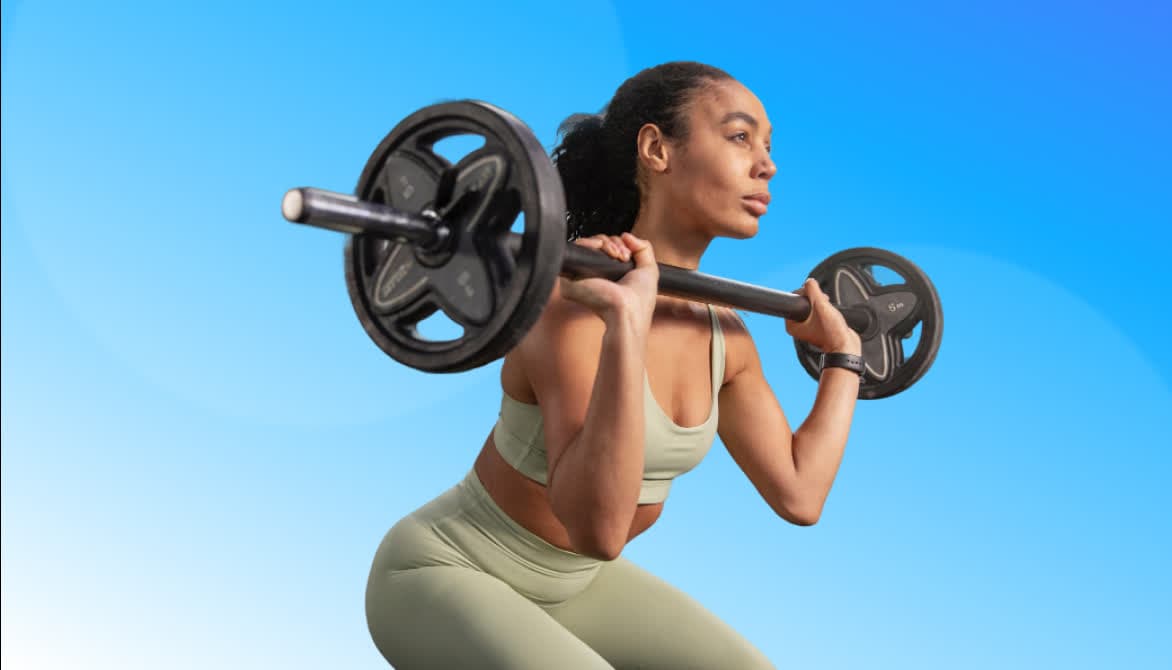
Focus on compound movements that work several muscle groups at once. Exercises like squats, deadlifts, and push-ups are great because they target multiple areas efficiently.
Don’t shy away from using free weights. They help improve balance and engage more stabilizing muscles compared to machines.
Have you tried mixing bodyweight exercises with weight training? This combination can boost strength and keep your routine interesting.
Balancing Strength And Cardio
Cardio is important, but too much can interfere with muscle growth. Aim for moderate cardio sessions a few times a week to maintain heart health without sacrificing strength gains.
Short, high-intensity interval training (HIIT) sessions can help you burn fat while preserving muscle. It’s a time-efficient way to stay lean and strong.
Think about your workout schedule: Are you allowing enough recovery between strength and cardio days? Recovery is where muscles actually grow.
Progressive Overload Techniques
To build muscle, you need to challenge your muscles regularly. Increasing weight, reps, or sets over time pushes your muscles to adapt and grow stronger.
Keep a workout journal to track your progress. Seeing your improvements on paper can motivate you to push a little harder each session.
Ever felt stuck in a plateau? Changing your workout tempo or trying different grips can provide a new challenge without adding weight.
Credit: www.jefit.com
Nutrition For Muscle Growth
Nutrition plays a huge role in building muscle, especially for women who often juggle multiple responsibilities daily. Eating the right foods fuels your workouts and repairs your muscles afterward. Getting your nutrition right can make the difference between slow progress and steady gains.
Macronutrient Breakdown
Your muscles need three main types of nutrients: protein, carbohydrates, and fats. Protein is crucial because it provides the building blocks for muscle repair and growth. Aim for about 1.6 to 2.2 grams of protein per kilogram of your body weight each day.
Carbohydrates give you the energy to push through tough workouts. They also help your body absorb protein better. Focus on complex carbs like sweet potatoes, oats, and brown rice rather than simple sugars.
Don’t neglect healthy fats—they support hormone production and overall health. Sources like avocados, nuts, and olive oil are great. Striking the right balance among these macronutrients helps you build muscle without gaining unnecessary fat.
Meal Timing And Frequency
How often you eat can impact muscle growth. Eating every 3-4 hours keeps your body fueled and helps maintain muscle protein synthesis throughout the day. That means your muscles are constantly repairing and growing.
Try to include protein in every meal and snack. After workouts, a meal with both protein and carbs within 30-60 minutes can speed up recovery. Have you noticed how skipping meals leaves you feeling weaker during training? That’s your body missing the fuel it needs to grow.
Supplements To Consider
Supplements can support your nutrition but won’t replace real food. Whey protein is a convenient way to hit your daily protein goals, especially when you’re busy. Creatine is another well-researched supplement that can improve strength and muscle size.
Don’t overlook vitamin D and omega-3s—they support overall health and recovery. Before adding supplements, assess your diet first. Are you consistently meeting your protein and calorie needs? If not, supplements might help fill the gap.
Recovery And Rest
Recovery and rest are just as important as your workouts when building muscle. Without proper downtime, your muscles can’t repair and grow stronger. Ignoring recovery can lead to frustration, stalled progress, or even injury.
Importance Of Sleep
Sleep is your body’s natural repair time. During deep sleep, your body releases growth hormones that help muscle fibers rebuild. Skipping sleep or getting poor-quality rest can slow your gains and affect energy levels.
If you struggle with sleep, try winding down without screens an hour before bed. Creating a regular sleep schedule can make a big difference. Have you noticed a change in your strength or energy when you don’t get enough sleep?
Active Recovery Methods
Rest doesn’t mean complete inactivity. Active recovery can include light activities like walking, yoga, or gentle stretching. These help increase blood flow to sore muscles and reduce stiffness.
Using foam rollers or getting a massage can also speed up recovery by easing muscle tightness. Adding these simple habits can keep your body moving without overloading it. What easy active recovery habit could you try today?
Avoiding Overtraining
Pushing too hard without breaks can lead to overtraining, which hurts your progress and increases injury risk. Watch for signs like persistent fatigue, decreased performance, or mood changes.
Balance intense workout days with rest or lighter sessions. Listen to your body—sometimes less is more. How do you currently know when your body needs a break?
Tracking Progress
Tracking progress is key in muscle building for women. It helps to stay motivated and see real changes. Without tracking, efforts can feel wasted or unclear. Clear records show what works and what needs change.
Setting Realistic Goals
Set goals that fit your current fitness level. Avoid aiming too high too fast. Small, steady improvements bring long-term success. Write down goals like gaining strength or fitting into clothes better. Goals should be specific and achievable.
Using Measurements And Photos
Measurements give facts beyond the scale. Measure waist, hips, arms, and legs every few weeks. Take photos from front, side, and back. Use the same lighting and clothes each time. Visuals and numbers together show real body changes.
Adjusting Plans Based On Results
Review your progress regularly. If gains stall, change your workout or diet. Add more weight or reps to exercises. Try different foods for energy and recovery. Adjustments keep muscles challenged and growing.
Building Confidence Through Training
Building confidence through training transforms more than just your body. It shapes your mindset and how you see yourself. Strength training helps women feel powerful and proud of their progress. Confidence grows with every workout completed and every goal met. The process is as important as the results.
Mindset Shifts
Confidence starts with changing how you think. Stop comparing yourself to others. Focus on your own progress. Embrace challenges as chances to learn. Training teaches patience and self-respect. These mindset shifts create lasting self-belief.
Celebrating Small Wins
Every small step counts on your muscle-building journey. Celebrate lifting a bit more weight or improving form. These wins build motivation and joy. Tracking your progress highlights achievements you might miss. Positive reinforcement keeps you moving forward.
Community And Support Networks
Training with others creates encouragement and friendship. Support networks offer advice and cheer you on. Sharing struggles and successes makes the journey easier. Join groups or find a workout buddy. Together, confidence grows faster and feels stronger.
Frequently Asked Questions
What Are The Benefits Of Muscle Building For Women?
Muscle building boosts metabolism, enhances strength, and supports bone health. It helps in reducing body fat and improves posture. Additionally, it can increase endurance, boost confidence, and enhance overall physical appearance. Women can also experience better mental health and stress relief through regular strength training exercises.
How Often Should Women Train For Muscle Building?
Women should aim for strength training 2-3 times a week. This frequency allows muscles to recover and grow efficiently. It’s crucial to include rest days to prevent overtraining. Consistency is key to achieving desired results. Combining strength training with proper nutrition maximizes muscle-building benefits.
Can Women Build Muscle Without Gaining Bulk?
Yes, women can build lean muscle without gaining bulk. Focusing on higher repetitions with moderate weights helps achieve a toned physique. Proper nutrition, including adequate protein intake, supports muscle growth. Hormonal differences mean women typically won’t gain bulky muscles like men.
Customized workout plans can further tailor results to individual goals.
What Is The Best Diet For Muscle Building In Women?
A balanced diet rich in protein, healthy fats, and complex carbohydrates supports muscle growth. Lean meats, fish, legumes, and dairy provide essential proteins. Whole grains, fruits, and vegetables supply necessary nutrients and energy. Staying hydrated and consuming post-workout meals aids recovery.
Consulting a nutritionist can personalize dietary plans.
Conclusion
Building muscle helps women feel stronger and healthier every day. It takes time and patience to see real progress. Focus on good exercises, balanced nutrition, and enough rest. Stay consistent, and results will follow. Remember, strength is for everyone, no matter your age or background.
Keep moving, keep growing. You can do this!







