
Have you ever wondered if sprints can actually help you build muscle? You might think sprinting is just for speed or burning fat, but there’s more to it than that.
What if I told you that those short bursts of intense running could change the way your muscles grow? You’ll discover how sprinting affects your body and whether it can be a powerful tool to build muscle. Keep reading—your next workout might just get a whole lot more effective.
How Sprints Affect Muscle Growth
Sprinting is often seen as a pure cardio exercise, but it also has a significant impact on muscle growth. Understanding how sprints affect your muscles can help you decide if adding them to your workout routine is right for your goals. Let’s break down the science behind muscle activation, hormonal changes, and how sprinting stacks up against traditional strength training.
Muscle Fiber Activation During Sprints
Sprints primarily engage fast-twitch muscle fibers, which are responsible for explosive power and strength. These fibers have a high potential for growth because they generate more force and fatigue quickly. When you sprint, your body recruits these fibers more than during slow, steady exercises.
This activation signals your muscles to adapt and grow stronger. Have you noticed how after a few sprint sessions, your legs feel more powerful? That’s your fast-twitch fibers responding and rebuilding bigger and stronger.
Hormonal Responses To Sprinting
Sprinting triggers a spike in key hormones like testosterone and growth hormone, both crucial for muscle growth. These hormones help repair and build muscle tissue after intense effort. The short bursts of all-out effort during sprints create a hormonal environment similar to weightlifting.
Interestingly, these hormonal surges also boost your metabolism and fat burning. So not only do sprints help build muscle, but they also improve your overall body composition. Have you ever felt that post-sprint rush? That’s your body flooding with muscle-building hormones.
Comparing Sprints To Traditional Strength Training
While sprints activate muscles differently than lifting weights, they complement strength training well. Weightlifting typically targets slow-twitch and mixed muscle fibers with controlled, heavy loads. Sprints emphasize speed, power, and fast-twitch fiber recruitment.
You won’t build as much muscle mass from sprints alone compared to dedicated lifting sessions. However, sprints improve muscle endurance, explosive strength, and can accelerate muscle growth when combined with resistance training. Why not add sprints to your routine and see how your muscles respond to this dynamic duo?

Credit: medium.com
Benefits Of Sprinting For Muscle Development
Sprinting isn’t just about running fast—it can seriously boost your muscle growth. Adding sprints to your workout routine can help you develop stronger, more powerful muscles while improving your overall fitness. Let’s break down how sprinting impacts your muscle development in practical ways.
Increased Muscle Power And Strength
Sprinting forces your muscles to contract quickly and with great force. This rapid, explosive movement targets fast-twitch muscle fibers, which are responsible for strength and power. Over time, your muscles adapt by growing stronger and more capable of generating force.
Think about the feeling after a few sprints—you’ll notice your legs feel more energized and powerful. This is your body responding to the demand for strength. Could adding short, intense sprints to your workouts help you lift heavier or jump higher?
Improved Muscle Endurance
Sprints don’t just build raw power; they also enhance your muscles’ ability to keep working under fatigue. By pushing your muscles to work hard in short bursts, you train them to recover faster and sustain effort longer. This improvement helps in activities that need repeated muscle use without getting tired quickly.
You might find that after including sprints, your regular workouts feel easier and you can push through more reps. Have you ever noticed how short bursts of effort can boost your stamina in unexpected ways?
Fat Loss And Muscle Definition
Sprinting is a high-intensity exercise that burns calories quickly and revs up your metabolism even after the workout ends. This helps reduce body fat, revealing the muscle tone underneath. When you lose fat, your muscles look more defined and impressive.
Many people overlook sprinting as a fat-burning tool, but its impact on muscle visibility is significant. What if sprinting could be your secret weapon for achieving that lean, sculpted look?
Designing Sprint Workouts For Muscle Gain
Designing sprint workouts for muscle gain requires a thoughtful approach. Sprinting is intense and demands power from your muscles. Structuring workouts correctly can help build strength and size effectively. Focus on sprint duration, intensity, rest, and adding resistance to maximize muscle growth.
Optimal Sprint Duration And Intensity
Short sprints between 10 to 30 seconds activate fast-twitch muscle fibers. These fibers grow larger and stronger with effort. Sprint at maximum or near-maximum speed to challenge your muscles. Avoid longer sprints that focus more on endurance than muscle gain.
Rest Periods And Recovery
Rest between sprints is crucial for muscle recovery. Take 1 to 3 minutes of rest for full muscle recovery. This allows you to maintain high intensity in each sprint. Proper rest prevents fatigue and reduces injury risk. Muscle grows during rest, not during sprinting.
Incorporating Resistance And Hill Sprints
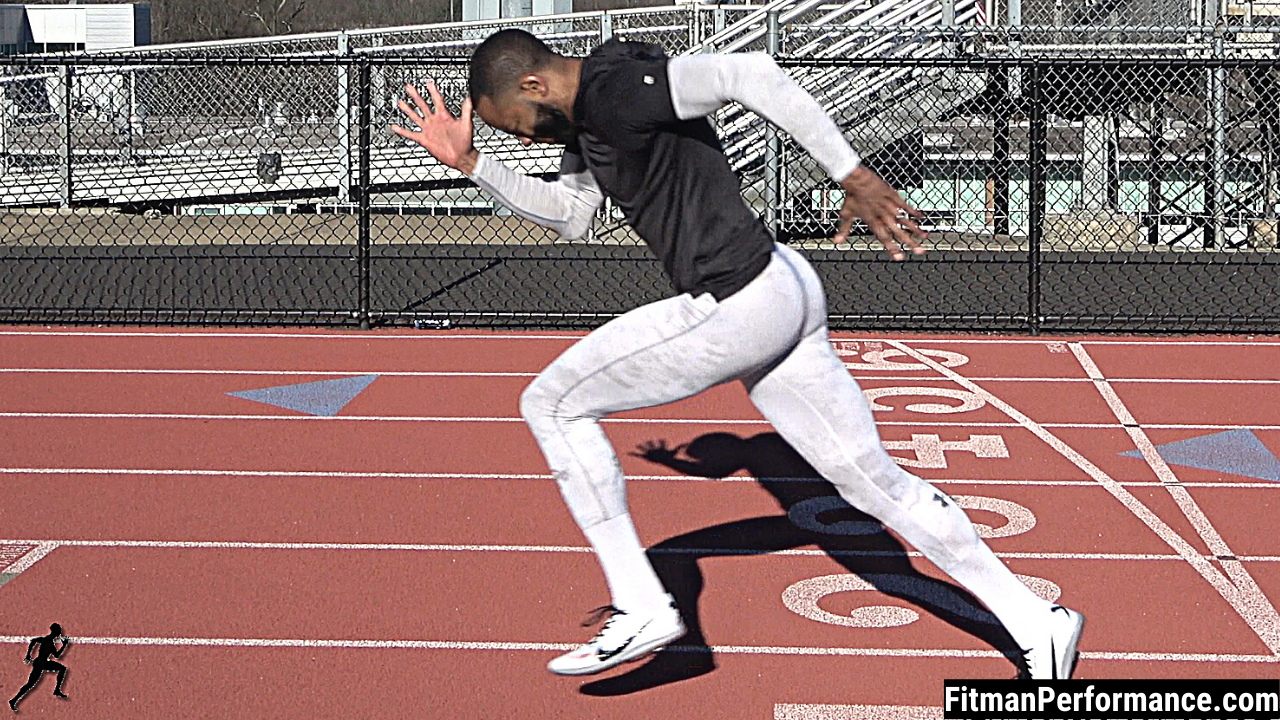
Add resistance to increase muscle workload. Use weighted vests or sleds for extra challenge. Hill sprints naturally add resistance by forcing muscles to work harder. Both methods boost muscle activation and growth. Start with light resistance to avoid strain.
Credit: fitmanxfademan.medium.com
Combining Sprints With Other Training Methods
Combining sprints with other training methods can significantly enhance your muscle-building journey. Sprints alone boost power and endurance, but when paired with the right exercises and nutrition, they become a powerful tool for muscle growth. Finding the right balance helps you avoid overtraining and maximize gains.
Pairing Sprints With Weightlifting
Sprinting activates fast-twitch muscle fibers, which are crucial for explosive strength. Weightlifting targets these same fibers through resistance, helping you build size and strength effectively. Try scheduling sprint sessions on different days or before weight training with lighter loads to avoid fatigue during lifts.
For example, after a sprint workout, your legs might feel tired, impacting your squat performance. To prevent this, separate sprints and heavy leg days or use sprints as a warm-up to increase muscle activation without draining energy. This approach keeps your muscles fresh and ready for intense lifting.
Role Of Nutrition In Muscle Growth
Your muscles need fuel to repair and grow, especially after high-intensity sprints and weight sessions. Prioritize protein intake, aiming for at least 1.6 grams per kilogram of body weight daily to support muscle synthesis. Don’t forget carbohydrates—they replenish glycogen stores and provide energy for your next workout.
Hydration also plays a big role in recovery. Drinking enough water helps reduce muscle soreness and improves performance. Have you tracked your meals to see if your nutrition supports your training goals?
Balancing Sprinting And Recovery Days
Recovery is where muscle growth actually happens. Sprinting is intense and can strain your muscles and nervous system if done too often. Schedule rest or low-intensity days between sprint sessions to allow your body to heal and adapt.
Active recovery, like light jogging or stretching, can keep blood flowing and reduce stiffness. Listen to your body—if you feel unusually sore or fatigued, it might be time to back off. How often do you give yourself a true rest day?
Common Mistakes To Avoid During Sprint Training
Sprint training can be a powerful way to build muscle and boost fitness. Avoiding common mistakes helps you get the best results and stay injury-free. Many beginners push too hard or skip important steps. These errors can slow progress or cause pain. Understanding key pitfalls keeps your training safe and effective.
Overtraining And Injury Risks
Too much sprinting stresses muscles and joints. It causes fatigue, soreness, and increases injury chances. Rest days are vital for muscle repair and growth. Ignoring signs of pain or extreme tiredness leads to strains or tears. Balance hard sessions with recovery for steady progress.
Neglecting Proper Warm-up And Cool-down
Starting sprints without warming up raises injury risk. Cold muscles are less flexible and prone to pulls. A simple warm-up improves blood flow and prepares muscles. Cooling down helps remove waste products and reduces stiffness. Both steps protect your body and improve performance.
Ignoring Muscle Imbalance Issues
Uneven muscle strength causes poor sprint form and injury. Weak muscles may overcompensate, leading to pain or damage. Focus on balanced strength training for all key muscle groups. Regularly check your technique and fix imbalances early. This approach supports better muscle growth and sprinting efficiency.
Credit: medium.com
Frequently Asked Questions
Do Sprints Help In Muscle Building?
Yes, sprints can help build muscle, especially in your lower body. The explosive nature of sprinting activates fast-twitch muscle fibers. This results in muscle growth, particularly in the quads, hamstrings, and calves. Consistent sprinting, combined with proper nutrition, can enhance muscle definition and strength.
How Often Should You Sprint For Muscle Gain?
To gain muscle, sprint 2 to 3 times weekly. Each session should last 15 to 30 minutes. Ensure proper warm-up and recovery time between sessions. This routine helps in muscle growth and prevents injury. Always listen to your body and adjust intensity as needed.
Are Sprints Better Than Jogging For Muscle?
Sprints are more effective for muscle building than jogging. They engage fast-twitch muscle fibers, leading to greater muscle growth. Jogging primarily targets slow-twitch fibers, focusing on endurance rather than muscle size. Thus, sprints are superior for those aiming to increase muscle mass and strength.
Can Beginners Start Sprinting For Muscle Gain?
Yes, beginners can start sprinting for muscle gain. Start with short distances and moderate intensity. Gradually increase the intensity and duration as you build stamina. Always warm up properly and maintain good form to prevent injuries. Consult a fitness professional if needed to tailor a plan.
Conclusion
Sprints can help build muscle, especially in your legs and core. They improve strength and speed at the same time. Combine sprints with weight training for better muscle growth. Rest and good nutrition are important too. Start slow and increase your sprint sessions carefully.
This way, you can avoid injury and see steady progress. Sprints offer a simple, effective way to add muscle and boost fitness. Give them a try and feel the difference in your body.







