
Are you ready to transform your leg day into the highlight of your workout week? If you’ve ever wondered why some people seem to effortlessly power through their routines while others struggle, the secret lies in their leg workout routine.
Imagine feeling stronger, more balanced, and energized after every session. The right leg exercises can do just that, and more. When you focus on your legs, you’re not just targeting a specific body part. You’re boosting your overall fitness, enhancing your endurance, and even improving your mental health.
But here’s the catch: not all leg workouts are created equal. To unlock these benefits, you need a routine that’s both effective and tailored to your needs. In this guide, we’ll walk you through a leg workout routine that promises results. Whether you’re a beginner or a seasoned gym-goer, this routine will challenge you in the best possible way. Ready to take the next step towards stronger legs and a healthier you? Let’s dive in!

Credit: www.majorfitness.com
Benefits Of Strong Legs
Strong legs do more than just improve your appearance; they play a crucial role in your overall health and fitness. Building leg strength can transform how you move, perform, and recover every day. Have you ever noticed how much easier simple tasks become when your legs feel powerful and stable?
Improved Athletic Performance
Your legs are the foundation of most sports and physical activities. Strong legs boost your speed, power, and endurance, helping you jump higher, run faster, and change direction quickly.
Think about sprinting or cycling—without solid leg muscles, your performance stalls. Even in team sports like soccer or basketball, leg strength can give you that extra edge over your competition.
Enhanced Daily Mobility
Strong legs make daily activities like walking, climbing stairs, or carrying groceries easier and less tiring. When your legs are strong, you move with more confidence and less pain.
Have you ever struggled with balance or felt your legs give out when standing up? Strengthening your legs helps prevent these issues, keeping you independent longer.
Injury Prevention
Weak legs can increase the risk of falls and injuries, especially around the knees and ankles. Strong muscles support your joints better, reducing strain and preventing common injuries.
For example, stronger hamstrings and quadriceps protect your knees during sudden movements. Investing time in leg workouts can save you from painful setbacks later on.
Credit: www.nourishmovelove.com
Key Muscles In The Legs
Strong legs support overall body strength and balance. Knowing the key muscles helps design an effective workout. Each muscle group plays a unique role in movement and stability. Focus on these muscles for balanced leg development and injury prevention.
Quadriceps
The quadriceps are the large muscles at the front of the thigh. They control knee extension and help in walking, running, and jumping. Strong quads improve leg power and protect the knees from injury.
Hamstrings
Hamstrings are located at the back of the thigh. They bend the knee and extend the hip. This muscle group is important for sprinting and bending movements. Balanced hamstrings reduce the risk of muscle strains.
Glutes
The glutes are the muscles of the buttocks. They extend and rotate the hip. Strong glutes improve posture and help in lifting and running. They are essential for overall lower body strength.
Calves
Calves are found at the back of the lower leg. They help with ankle movement and push-off during walking and running. Strong calves improve balance and prevent lower leg injuries.
Essential Leg Exercises
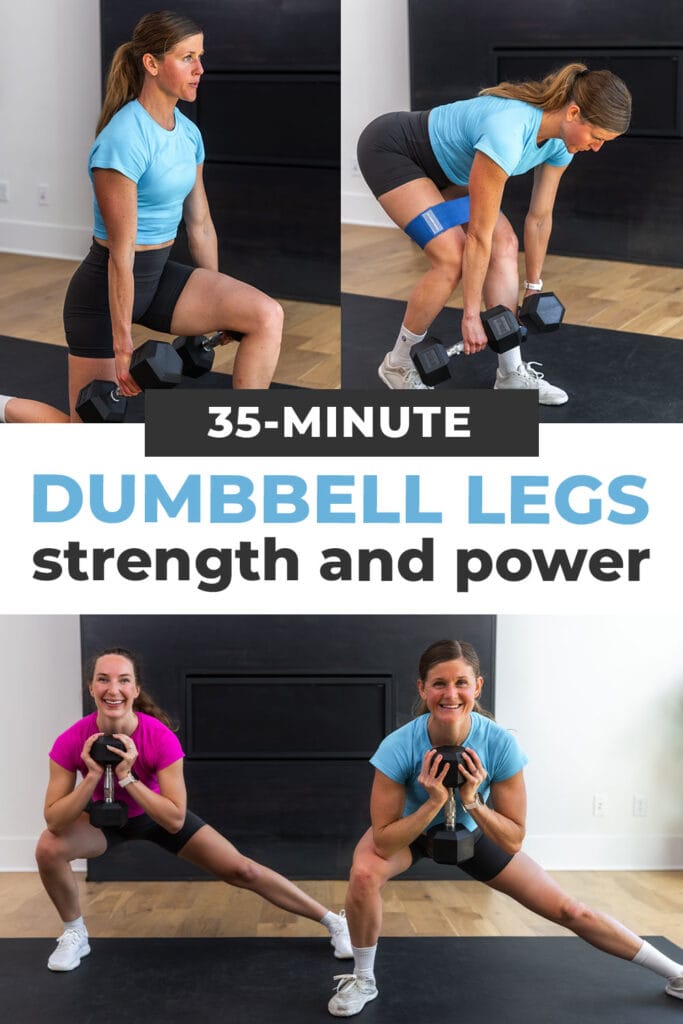
Strong legs support your entire body and improve overall fitness. Focusing on essential leg exercises helps build muscle, strength, and endurance. A balanced leg workout targets all major muscle groups for better results. These exercises also improve balance and stability.
Squats Variations
Squats work the thighs, hips, and buttocks. Variations include:
- Bodyweight squats for beginners
- Goblet squats using a dumbbell
- Barbell back squats for strength
- Sumo squats targeting inner thighs
Keep your back straight and knees aligned over toes. Squats build powerful legs and core stability.
Lunges And Step-ups
Lunges and step-ups engage multiple leg muscles. Benefits include:
- Improving balance and coordination
- Targeting quadriceps, hamstrings, and glutes
- Increasing hip flexibility
Perform lunges forward, backward, or sideways. Step-ups use a bench or sturdy platform. Both improve functional strength.
Deadlifts
Deadlifts strengthen hamstrings, glutes, and lower back. Proper form is key:
- Keep your back flat
- Lift with your legs, not your back
- Engage core muscles throughout
Use dumbbells or barbells. Deadlifts build power and improve posture.
Calf Raises
Calf raises target the lower leg muscles. Benefits include:
- Improving ankle strength
- Enhancing balance and stability
- Supporting better running and jumping
Perform on flat ground or an elevated surface. Add weights for extra challenge.
Designing Your Leg Workout
Designing your leg workout sets the foundation for stronger, more toned legs. A good plan targets all major muscles effectively. It also keeps your routine balanced and safe. Consider exercise choice, how many sets and reps to do, and the mix of strength and endurance work.
Choosing The Right Exercises
Select exercises that target different leg muscles. Include moves for quadriceps, hamstrings, glutes, and calves. Examples:
- Squats for overall leg strength
- Deadlifts for hamstrings and glutes
- Lunges to improve balance and coordination
- Calf raises to strengthen lower legs
Mix bodyweight and weighted exercises to add variety. This helps avoid plateaus and keeps workouts interesting.
Sets, Reps, And Rest Periods
Adjust sets and reps based on your goals. For strength, choose heavier weights with fewer reps. For endurance, use lighter weights and more reps. Typical ranges:
| Goal | Sets | Reps | Rest |
|---|---|---|---|
| Strength | 3-5 | 4-6 | 2-3 minutes |
| Endurance | 2-4 | 12-15+ | 30-60 seconds |
Rest long enough to recover but not lose momentum. This boosts workout quality and progress.
Balancing Strength And Endurance
Combine strength and endurance exercises for well-rounded legs. Strength builds muscle and power. Endurance improves stamina and muscle tone.
Try alternating heavy and light days. For example, lift heavy weights twice a week. Do endurance training once or twice weekly. This mix improves overall leg fitness and reduces injury risk.
Warm-up And Stretching
Warming up and stretching are often overlooked parts of any leg workout routine, yet they can make a huge difference in your performance and injury prevention. Taking the time to prepare your muscles and joints helps you lift better and recover faster. How often have you felt stiff or sore after skipping this crucial step?
Dynamic Warm-up Moves
Start your leg workout with movements that get your blood flowing and your muscles ready. Dynamic warm-ups increase your heart rate and mimic the exercises you’ll perform, making your body more efficient.
- Leg Swings:Swing each leg forward and backward, then side to side, for 10-15 reps. This loosens your hips and hamstrings.
- Walking Lunges:Take controlled steps forward, bending both knees to 90 degrees. Aim for 10 lunges on each leg to activate your quads and glutes.
- Bodyweight Squats:Perform 15 slow, controlled squats focusing on proper form. This warms up your knees and thighs.
- High Knees:Run in place, bringing your knees up to waist height for 30 seconds. This boosts your cardio and leg coordination.
These moves not only prevent injuries but also improve your workout focus. Have you tried adding any dynamic warm-up to your routine before?
Post-workout Stretching Tips
After your leg session, stretching helps your muscles relax and reduces soreness. Focus on slow, deep stretches that target the key muscle groups you worked.
- Hamstring Stretch:Sit on the floor with one leg extended. Reach toward your toes and hold for 20-30 seconds. Switch legs.
- Quadriceps Stretch:Stand on one leg, pulling your other heel toward your buttocks. Keep your knees close together and hold.
- Calf Stretch:Place your hands on a wall and step one foot back, pressing the heel into the ground. Hold and switch sides.
- Hip Flexor Stretch:Kneel on one knee, pushing hips forward to stretch the front of your hip. Hold for 20-30 seconds.
Stretching after your workout is a simple way to improve flexibility and speed up recovery. What changes could you notice if you stretched more consistently?
Common Mistakes To Avoid
Leg workouts build strength and improve overall fitness. Avoiding common mistakes helps you get better results safely. Many people rush or use wrong form, risking injury and poor gains. Focus on proper technique, balanced training, and enough rest. These points keep your routine effective and safe.
Poor Form And Technique
Using bad form causes injury and lowers workout benefits. Keep your back straight during squats. Avoid knees moving past toes. Use controlled movements without bouncing or jerking. Start with lighter weights to learn proper technique. Watch yourself in the mirror or ask for help. Good form targets muscles well and prevents pain.
Overtraining Risks
Training legs too much can cause fatigue and injury. Muscles need time to recover and grow. Avoid working the same muscles hard every day. Include rest days or light sessions. Signs of overtraining include soreness, weakness, and poor sleep. Balance intensity and volume to stay healthy and strong.
Ignoring Recovery
Skipping recovery slows progress and raises injury risk. Stretch after workouts to keep muscles flexible. Use foam rolling or gentle massage to reduce soreness. Drink water and eat protein to help muscles repair. Sleep is vital for muscle growth and energy. Treat recovery as part of your workout plan.
Nutrition For Strong Legs
Your leg workout routine can only take you so far without the right nutrition supporting it. Strong legs need more than just exercise; they demand fuel that rebuilds muscle, boosts endurance, and keeps you energized. Paying attention to what you eat and drink impacts your progress just as much as your reps and sets.
Protein Intake
Protein is the building block of muscle. After a tough leg day, your muscles need protein to repair and grow stronger.
Try to include a good source of protein in every meal. Lean meats, eggs, dairy, beans, and plant-based proteins all work well.
How much protein you need depends on your body weight and workout intensity. Aim for about 1.2 to 2.0 grams of protein per kilogram of your body weight daily to support muscle growth.
Hydration
Water is often overlooked, but it plays a huge role in muscle function and recovery. Staying hydrated helps prevent cramps and keeps your joints lubricated during heavy lifts.
Drink water consistently throughout the day, not just during workouts. A good rule is to sip water every 15-20 minutes while training.
Have you noticed feeling sluggish or weak during leg exercises? That might be your body’s way of asking for more fluids.
Supplements To Consider
While whole foods should be your main source of nutrients, some supplements can boost your leg strength and recovery.
- Creatine:Helps improve strength and power during short, intense workouts.
- Branched-Chain Amino Acids (BCAAs):Support muscle repair and reduce soreness.
- Omega-3 Fatty Acids:Reduce inflammation and improve joint health.
Before adding supplements, ask yourself if your diet already covers these nutrients. Supplements are just that—supplements, not replacements for good nutrition.
Tracking Progress And Staying Motivated
Tracking progress and staying motivated are key to a strong leg workout routine. Without tracking, it’s easy to lose focus and skip sessions. Motivation dips when results are unclear. Recording progress helps see improvements over time. It also keeps the workout fresh and exciting. Small wins push you to keep going. Here are ways to track and stay motivated.
Setting Realistic Goals
Set goals that match your current fitness level. Avoid goals that are too hard or too easy. Clear, achievable targets create steady progress. Examples include increasing squat weight by 5 pounds or adding one extra set. Goals should be specific and time-bound. This helps measure success and keeps motivation high.
Using Workout Logs
Keep a simple log of each workout session. Write down exercises, reps, sets, and weights used. Logs show patterns and progress over weeks. They help spot plateaus and areas needing improvement. Use a notebook or a fitness app. Reviewing logs regularly keeps focus sharp and boosts confidence.
Celebrating Milestones
Recognize and reward achievements, big or small. Celebrating milestones fuels motivation and positivity. Milestones could be lifting heavier weights or completing more reps. Rewards do not need to be big. A rest day or favorite healthy snack works well. Celebrate progress to maintain enthusiasm and build momentum.

Credit: www.youtube.com
Frequently Asked Questions
What Are The Best Exercises For A Leg Workout Routine?
Squats, lunges, deadlifts, and leg presses are top exercises. They target all major leg muscles effectively. Adding calf raises helps strengthen lower legs. Combining these ensures balanced muscle growth and improved leg strength.
How Often Should I Do A Leg Workout Routine?
Aim for 2-3 leg workouts per week. This frequency allows muscle recovery and growth. Avoid training legs on consecutive days to prevent injury. Consistency is key for strength and endurance improvements.
Can A Leg Workout Routine Help With Weight Loss?
Yes, leg workouts burn a high number of calories. Large leg muscles require more energy during exercise. This boosts metabolism and aids fat loss. Combining workouts with a healthy diet maximizes weight loss results.
Should I Warm Up Before A Leg Workout Routine?
Always warm up for 5-10 minutes before leg exercises. This increases blood flow and reduces injury risk. Dynamic stretches like leg swings prepare muscles for intense activity. Warm-ups improve workout performance and flexibility.
Conclusion
Strong legs support your whole body and improve daily life. Follow this routine regularly to build strength and endurance. Start with lighter weights and increase slowly to avoid injury. Consistency matters more than speed or heavy lifting. Rest well between workouts to let muscles recover.
Enjoy the progress you make step by step. Keep challenging yourself but listen to your body’s limits. A balanced leg workout helps you stay active and healthy for years. Simple habits create big results over time.







