
Are you curious about the best time to eat after a workout? You’re not alone.
Unlocking the secrets of post-exercise nutrition can transform your fitness journey. Imagine enhancing your muscle recovery, boosting your energy, and maximizing your workout results—all by knowing when to eat. You might be wondering if timing really matters or if it’s just a fitness myth.
In this blog, you’ll discover the science-backed truths that can help you optimize your post-workout meals. Keep reading, and you’ll find out how small changes can lead to big results in your fitness routine.
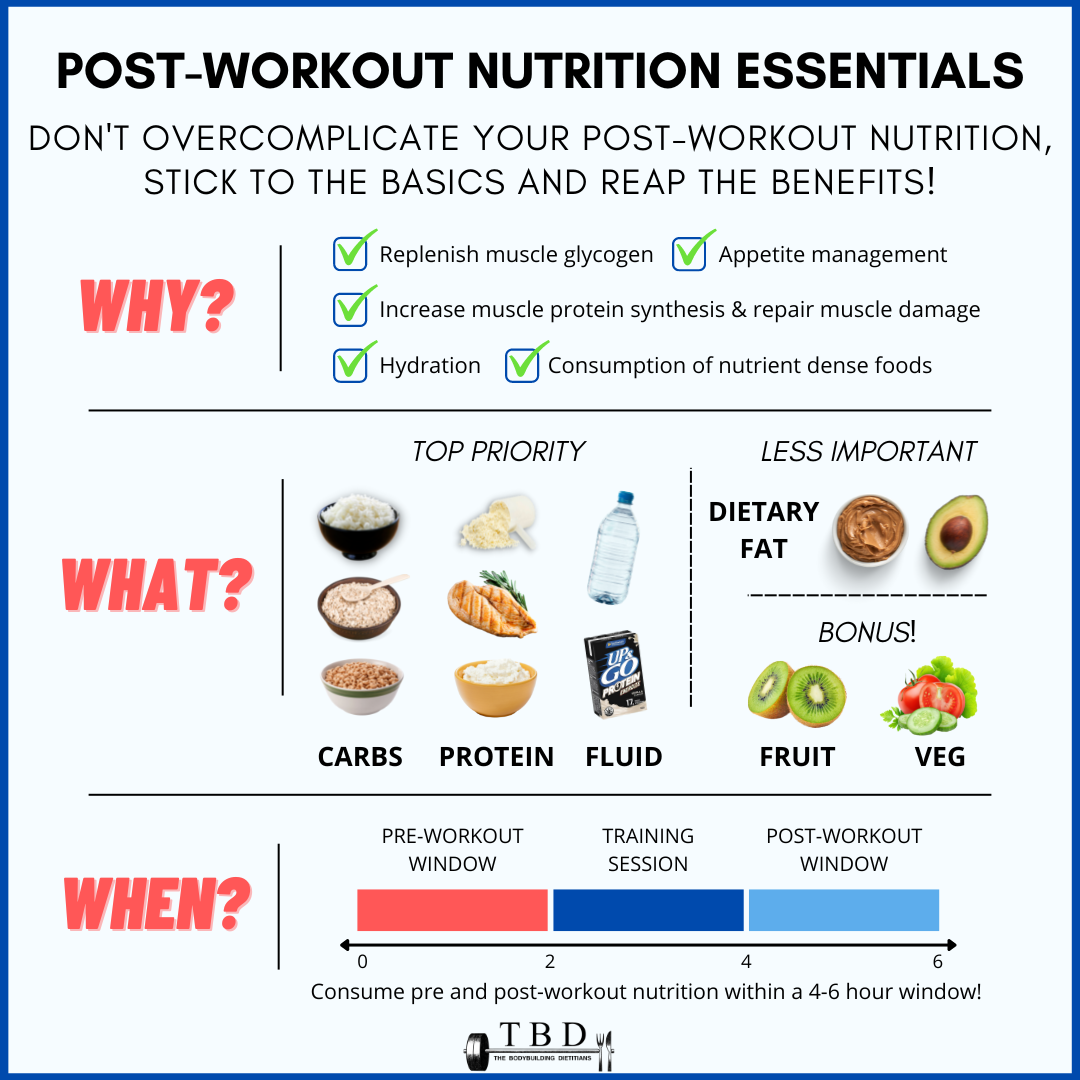
Credit: miradorsanjose.com
Post-workout Nutrition Window
The post-workout nutrition window is a popular topic in fitness. It refers to the time after exercise when your body can best use nutrients. Many believe eating immediately after a workout boosts muscle gain. But science shows a more flexible approach works well. Understanding this window helps you plan meals for recovery and strength.
Anabolic Window Myth
The anabolic window suggests you must eat within 30 minutes after exercise. This idea pushes quick protein and carb intake for muscle growth. Research reveals this window is wider than thought. Your body stays sensitive to nutrients for several hours post-workout. The urgency to eat right away is less critical for most people.
Focus on total daily nutrition instead of rushing meals. Consistent nutrient intake supports recovery better than strict timing.
Optimal Timing For Meals
Eating within two hours after exercise is a good guideline. This allows your muscles to start repair and glycogen replenishment. Include protein and carbohydrates in your post-workout meal. Protein helps rebuild muscle fibers. Carbs restore energy stores and improve recovery.
- Aim for 20-30 grams of protein after workouts.
- Choose complex carbs like whole grains or fruits.
- Hydrate well to support muscle function and recovery.
People with longer gaps between meals should eat sooner after exercise. Those who ate before training can wait a bit longer.
Key Nutrients For Muscle Growth
After a workout, your body craves specific nutrients to repair and build muscle effectively. Understanding which nutrients to prioritize can boost your muscle growth and speed up recovery. Let’s break down the key players that should be on your post-workout plate.
Role Of Protein
Protein is the building block of muscle. Eating enough protein after your workout helps repair tiny muscle tears and encourages new muscle growth.
Think of chicken, eggs, or a protein shake. These foods provide amino acids that your muscles need right away. Skipping protein can slow your progress and leave you feeling sore longer.
Importance Of Carbohydrates
Carbohydrates replenish the energy you burn during exercise. Your muscles store energy as glycogen, and eating carbs post-workout restores these reserves.
Good sources include sweet potatoes, rice, and fruits. Pairing carbs with protein can improve muscle recovery and prepare you for your next session.
Healthy Fats And Recovery
Healthy fats support hormone production and reduce inflammation after intense workouts. Including fats like avocado, nuts, or olive oil can improve how your body heals.
Don’t avoid fats just because you’re focused on muscle gain—they play a crucial role. Adding a small amount of healthy fats to your meals can make a big difference in recovery.
Meal Timing Strategies
Meal timing plays a crucial role in how your body recovers and builds muscle after a workout. The strategy you choose can impact your energy levels, muscle repair, and overall progress. Understanding different timing options helps you decide what fits best with your routine and goals.
Immediate Vs Delayed Eating
Eating right after your workout can jumpstart muscle recovery and replenish energy stores quickly. Many athletes aim to consume protein and carbs within 30 minutes to take advantage of this “anabolic window.”
But what if you’re not hungry immediately? Delaying your meal by an hour or two doesn’t necessarily ruin your progress. Some studies suggest the total daily intake matters more than exact timing, especially if you had a nutritious pre-workout meal.
Ask yourself: Does eating immediately after training fit your lifestyle, or do you perform better waiting a bit? Finding what feels right can make sticking to your nutrition plan easier.
Frequent Small Meals
Instead of one big meal post-workout, some prefer spreading intake into several small meals throughout the day. This approach keeps energy stable and supplies a steady stream of nutrients for muscle repair.
Small meals can be easier to digest, especially if you have a sensitive stomach after intense exercise. They also reduce the chance of overeating in one sitting.
Try dividing your protein and carbs into 3-4 portions post-exercise and see if it helps maintain your energy and muscle gains.
Pre-workout Meal Influence
Your pre-workout nutrition impacts how soon and what you should eat after exercising. If you had a balanced meal with protein and carbs before training, your body might not need immediate refueling.
On the other hand, if you trained fasted or had a light snack, eating soon after becomes more important to avoid muscle breakdown and fatigue.
Think about your last meal before exercise. Does it change when you feel hungry or how your body recovers? Adjusting your post-workout meal timing based on this can improve results and comfort.
Credit: www.lemon8-app.com
Sample Post-workout Meals
Eating the right foods after a workout helps your body recover and grow stronger. Choosing meals that include protein, carbs, and fluids can improve energy and muscle repair. Here are some sample post-workout meals to guide your nutrition choices.
Quick Protein Options
- Greek yogurt with honey
- Boiled eggs
- Cottage cheese with fruit
- Protein shake or smoothie
- Turkey or chicken slices
These options provide fast-absorbing protein to support muscle repair. They are easy to prepare and consume soon after exercise.
Balanced Meal Ideas
| Meal | Protein | Carbohydrates | Healthy Fats |
|---|---|---|---|
| Grilled chicken with quinoa and veggies | Chicken breast | Quinoa | Olive oil |
| Salmon with sweet potatoes and asparagus | Salmon | Sweet potatoes | Avocado |
| Tofu stir-fry with brown rice and broccoli | Tofu | Brown rice | Sesame oil |
Balanced meals combine protein, carbs, and fats to restore energy and rebuild muscles. They keep you full and support long-term recovery.
Hydration Tips
- Drink water immediately after exercise
- Include electrolyte drinks for intense workouts
- Avoid sugary sodas or caffeinated drinks post-workout
- Eat water-rich foods like watermelon or cucumber
- Monitor urine color to check hydration levels
Hydration helps replace fluids lost through sweat. Proper fluids improve performance and reduce fatigue.
Factors Affecting Muscle Growth
Muscle growth depends on several key factors beyond just exercise. Understanding these factors helps optimize your workout results. Muscle repair and growth happen when the body recovers properly and receives the right nutrients. Many elements influence how well your muscles grow after a workout.
Workout Intensity And Duration
The harder and longer you train, the more your muscles need to recover. Intense workouts cause more muscle damage. This damage signals your body to build stronger muscle fibers. Short, light sessions may not stimulate much growth. Tracking how much effort you put into exercise helps balance training and recovery.
Individual Metabolism
Each person’s metabolism affects muscle growth speed. A faster metabolism burns calories quickly, needing more fuel for repair. A slower metabolism may store energy more efficiently but require different nutrition. Knowing your metabolic rate guides meal timing and portion sizes after workouts. This helps support muscle rebuilding effectively.
Sleep And Recovery
Sleep is crucial for muscle repair and hormone balance. Growth hormone releases mostly during deep sleep stages. Poor sleep reduces recovery quality and slows muscle growth. Rest days allow muscles to heal and become stronger. Prioritize good sleep habits and rest for best workout results.
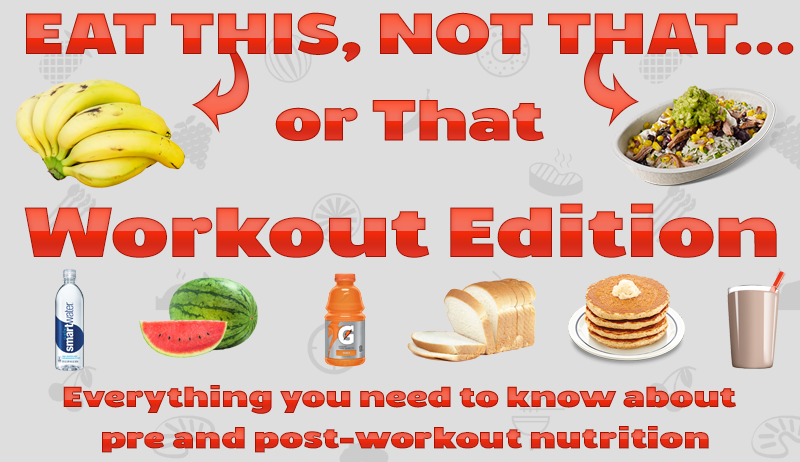
Credit: smilessalam.sg
Common Mistakes To Avoid
After a workout, eating correctly is key for recovery and energy. Many people make mistakes that slow progress or cause discomfort. Avoiding these common errors helps your body heal and grow stronger. Focus on balanced nutrition and timing to get the best results from your efforts.
Skipping Post-workout Meals
Skipping meals after exercise harms muscle recovery. Your body needs nutrients to repair tissues and replace energy. Without food, muscles stay tired and weak. Delaying your meal reduces the benefits of your workout. Eat within 30 to 60 minutes for best effects.
Overeating After Exercise
Eating too much after a workout can cause weight gain. Exercise burns calories but does not give a free pass to overeat. Large meals stress digestion and may lead to discomfort. Choose moderate portions with a good mix of protein and carbs. Balance is key to fuel recovery without excess calories.
Relying Solely On Supplements
Supplements help but should not replace real food. Whole foods provide vitamins, minerals, and fiber that powders lack. Protein shakes and bars work well but need support from balanced meals. Avoid thinking supplements alone can fix poor diet or timing mistakes. Use them as part of a healthy eating plan.
Frequently Asked Questions
When Is The Best Time To Eat After A Workout?
The ideal time to eat after a workout is within 30 to 60 minutes. This window helps replenish glycogen stores and aids muscle recovery effectively.
What Should I Eat Right After Exercising?
Post-workout meals should include protein and carbohydrates. Protein supports muscle repair, while carbs restore energy levels and promote recovery.
How Long After Working Out Can I Wait To Eat?
Try to eat within one hour after exercising. Delaying beyond this may reduce muscle recovery and slow down energy replenishment.
Can I Eat A Heavy Meal Immediately Post-workout?
Avoid heavy meals right after workouts. Opt for light, balanced snacks to fuel recovery without causing digestive discomfort.
Conclusion
Eating soon after a workout helps your body recover well. Aim to eat within 30 to 60 minutes after exercise. Choose foods with protein and carbs to rebuild muscles and restore energy. Staying hydrated also supports your recovery. Remember, timing matters but so does what you eat.
Plan your post-workout meal to feel stronger and ready for the next session. Small changes can make a big difference in your fitness journey. Keep it simple and listen to your body’s needs.







