
Want to stay fit but don’t have access to a full gym or fancy equipment? You’re not alone.
The good news is, you don’t need a lot of gear to get a great workout. With just a few simple tools—or even none at all—you can build strength, boost your energy, and feel healthier every day. Keep reading, and you’ll discover easy, effective ways to stay in shape no matter where you are or what you have on hand.
Your body will thank you for it!
Benefits Of Home Workouts
Home workouts offer a range of benefits that can help you stay fit even with limited equipment. They make exercising more accessible and fit smoothly into your daily routine. Understanding these benefits can motivate you to create an effective workout plan right at home.
Saving Time And Money
Working out at home eliminates the need to commute to a gym, saving you valuable time every day. You can start your session whenever it suits you, without waiting for equipment or classes. Plus, you won’t have to spend money on gym memberships or fancy gear—simple items like resistance bands or a yoga mat can be enough to get started.
Flexibility And Convenience
Home workouts allow you to adjust your schedule easily. Whether it’s a quick 10-minute session before work or a longer workout after dinner, you decide when and how long to exercise. You can also mix different types of exercises, from strength training to yoga, without being tied to a gym’s available classes or machines.
Privacy And Comfort
Exercising at home offers a private space where you can focus without feeling self-conscious. You can try new exercises or repeat moves as many times as you want without worrying about others watching. Creating a comfortable workout environment can make your fitness routine something you look forward to, not avoid.

Credit: www.gq-magazine.co.uk
Essential Equipment For Small Spaces
Small spaces need smart gear for fitness. Resistance bands, dumbbells, and a yoga mat fit well and work great for exercises. These tools help you stay active without needing much room.
Finding the right equipment for your fitness routine can be challenging when you’re working with a limited space. However, the good news is that you don’t need a sprawling home gym to get in shape. With a few essential pieces of equipment, you can create an effective workout environment in even the smallest of spaces. Let’s explore some versatile options that will fit perfectly into your home.Resistance Bands
Resistance bands are incredibly versatile and take up virtually no space. They can be used to work out every muscle group, from your arms to your legs. Plus, they’re perfect for both strength training and flexibility exercises. You can easily store resistance bands in a drawer or hang them on a hook. They are also great for traveling. If you’re on the go, just toss them in your bag and you’re set for a workout anywhere.Dumbbells And Kettlebells
Dumbbells and kettlebells are classics for a reason. They offer a wide range of exercises, from basic curls to advanced kettlebell swings. Choose a weight that challenges you but allows you to maintain proper form. Opt for adjustable dumbbells if you’re tight on space. They let you change weights without needing multiple sets. This not only saves space but also money.Stability Balls And Mats
A stability ball can add a fun twist to your workouts. It helps improve balance and core strength, and can even double as a chair for your desk. Choose a ball size that suits your height for maximum effectiveness. Pair your stability ball with a yoga or exercise mat. Mats provide comfort and support, especially on hard floors. They also define your workout space and can be easily rolled up and stored when not in use. How do you make the most of your small space for fitness?Bodyweight Exercises For Full-body Fitness
Bodyweight exercises offer a powerful way to stay fit without needing fancy equipment. They use your own body as resistance, which means you can do them anywhere—at home, in a park, or even a hotel room. These exercises improve strength, flexibility, and endurance across your entire body.
Have you ever noticed how just a few consistent moves can make a big difference in your energy and mood? Let’s break down some effective exercises that target your upper body, lower body, and core for balanced fitness.
Upper Body Moves
- Push-ups:They work your chest, shoulders, and triceps. Start with your knees on the floor if full push-ups feel too tough.
- Tricep Dips:Use a sturdy chair or bench. This move hits the back of your arms hard.
- Plank to Downward Dog:This dynamic move strengthens your shoulders and upper back while stretching your body.
Try mixing these moves into a circuit. You’ll notice your upper body strength growing without any weights.
Lower Body Exercises
- Squats:Perfect for your quads, hamstrings, and glutes. Keep your chest up and knees behind your toes.
- Lunges:Great for balance and leg strength. Step forward or backward, depending on your comfort.
- Glute Bridges:Lie on your back and lift your hips. It’s a simple way to activate your glutes and lower back.
What’s the last time you focused on your leg strength? These moves help you move better in daily life and prevent injuries.
Core Strengthening
- Planks:Hold your body straight on your forearms. Aim for 20–30 seconds to start and increase over time.
- Bicycle Crunches:Engage your obliques by alternating elbow to opposite knee. Keep your core tight.
- Leg Raises:Lie flat and slowly lift your legs. This targets your lower abs effectively.
Strong core muscles support your whole body. How often do you challenge your core beyond basic sit-ups?
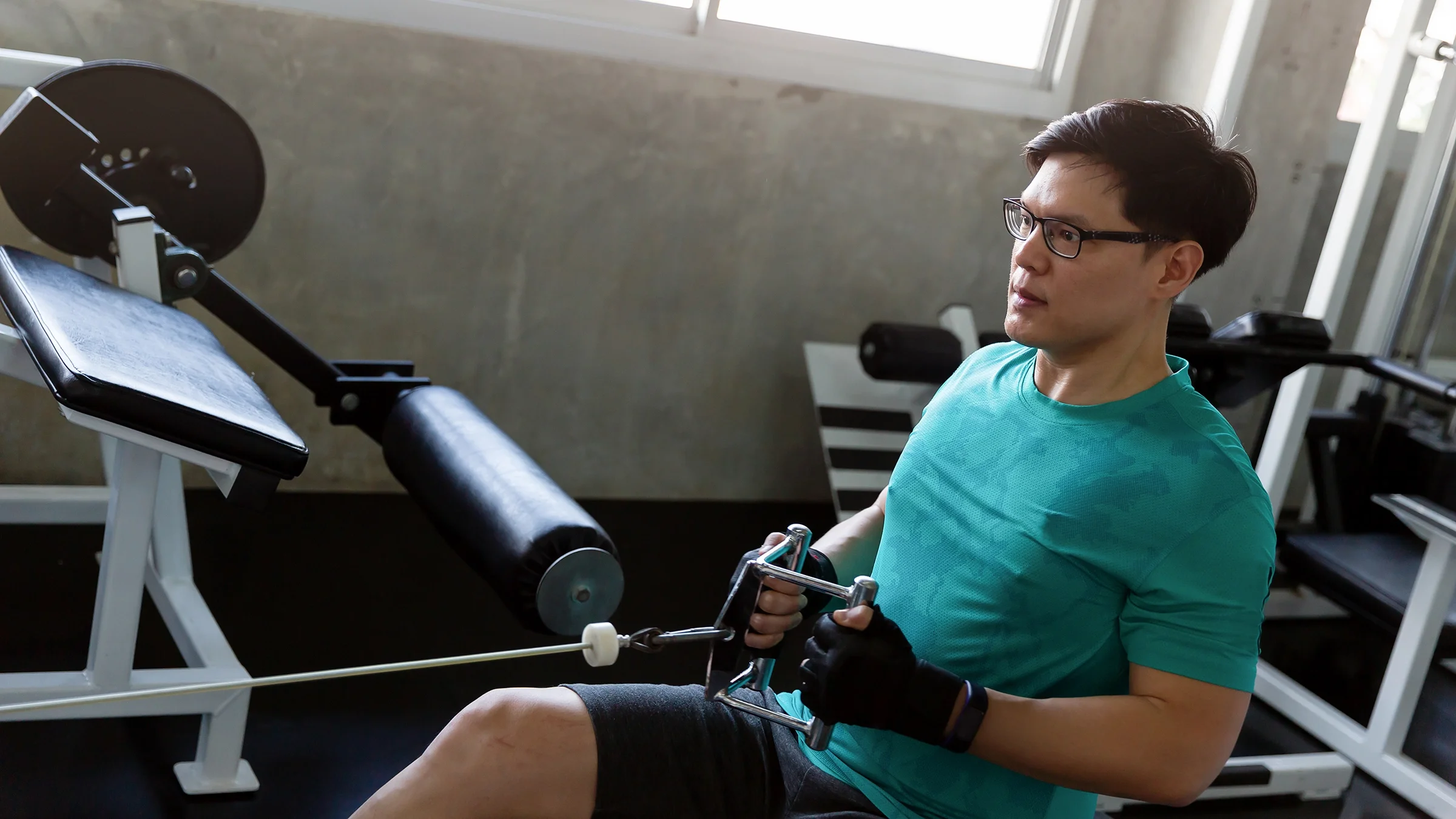
Credit: www.goodrx.com
Creative Use Of Household Items
Household items can turn into great workout tools. They help you stay fit without fancy gym gear. Using things around your home adds variety to your exercises. It also saves money and space.
Simple items become effective when used creatively. They add resistance, support, or balance to your moves. This way, you build strength, endurance, and flexibility.
Water Bottles And Cans
Water bottles and cans work well as light weights. Hold them in your hands for arm curls or shoulder raises. Use filled bottles for more resistance.
- Try bicep curls with a bottle in each hand.
- Raise bottles sideways to work your shoulders.
- Hold a bottle while doing squats for extra challenge.
Chairs And Stairs
Chairs and stairs become perfect for strength and cardio. Use a sturdy chair for step-ups or tricep dips. Stairs help with quick cardio bursts and leg strength.
- Step up and down on a stair to boost heart rate.
- Use a chair edge to dip and tone your arms.
- Try seated leg lifts to strengthen your core.
Backpacks And Towels
Backpacks can hold books or water to add weight. Wear them during squats or lunges. Towels help stretch and improve balance.
- Fill a backpack and wear it during squats.
- Use a towel to assist in stretching your legs.
- Place a towel under feet for sliding exercises.
Structuring Effective Workouts
Structuring your workouts effectively is key to making the most out of limited equipment. A well-planned session helps you stay motivated, avoid injuries, and see real progress. Focusing on a clear routine can transform simple exercises into powerful fitness tools.
Warm-up Routines
Starting with a warm-up prepares your body and mind for exercise. Even without equipment, you can do dynamic movements like jumping jacks, arm circles, and leg swings to increase blood flow. I found that spending just 5 minutes warming up reduced soreness and improved my performance in every workout.
Try to focus on movements that mimic the exercises you’ll do. This gets your muscles ready and reduces the risk of injury. What small warm-up move could you add today to feel more energized?
Circuit Training
Circuit training mixes different exercises with little rest between them, making your workout efficient and intense. Use bodyweight moves like push-ups, squats, lunges, and planks, or add resistance with household items like water bottles or backpacks.
Structure your circuit with 4–6 exercises and repeat 3–4 rounds. For example:
| Exercise | Duration/Reps |
|---|---|
| Jumping Jacks | 30 seconds |
| Bodyweight Squats | 15 reps |
| Push-Ups | 12 reps |
| Plank | 30 seconds |
| Glute Bridges | 15 reps |
This format keeps your heart rate up and builds strength without needing fancy equipment. What exercises excite you enough to keep coming back?
Cool-down And Stretching
Cooling down is often overlooked but crucial for recovery. Slow your pace with light movements or walking in place to help your heart rate return to normal.
Spend 5–10 minutes stretching major muscle groups. Focus on areas you worked the most, like hamstrings after squats or shoulders after push-ups. I noticed that regular stretching reduced muscle tightness and improved my flexibility over time.
Ask yourself: How does your body feel after workouts that end with a proper cool-down compared to those that don’t?
Staying Motivated Without A Gym
Staying motivated without a gym can feel like a challenge, especially when your usual routine is disrupted. But motivation comes from within and from how you structure your fitness journey. You don’t need fancy machines or crowded spaces to keep your energy high and your goals in sight.
Setting Realistic Goals
Start by setting goals that fit your current situation and equipment. Instead of aiming to lift heavy weights, focus on improving bodyweight exercises like push-ups or squats. Small wins, like increasing reps or holding a plank a few seconds longer, keep you motivated.
Ask yourself, what can you realistically commit to daily or weekly? Setting achievable targets prevents frustration and keeps you coming back for more.
Tracking Progress
Keeping track of your progress makes a huge difference. Use a simple notebook or an app to log your workouts and improvements. Seeing your growth visually reminds you that your effort counts, even without a gym.
Try listing your exercises and noting reps, sets, or time spent. Reflecting on these details keeps your motivation fresh and helps you adjust your routine smartly.
Finding Online Resources
The internet is full of free workouts designed for limited equipment. Find videos, tutorials, or community challenges that match your goals and preferences. Following a coach or joining an online group can give you a sense of connection and accountability.
Have you tried live classes or workout apps that guide you step-by-step? These resources bring variety and expert advice straight to your home, making fitness feel less isolated and more exciting.
Adapting Workouts For Different Fitness Levels
Adapting workouts to fit your current fitness level is key to staying motivated and seeing progress, especially when equipment is limited. Adjusting exercises allows you to challenge yourself without risking injury or burnout. Whether you’re just starting out or looking for new ways to push your limits, you can tailor your routine to meet your needs and keep moving forward.
Beginner Modifications
If you’re new to exercising, focus on building a strong foundation. Start with bodyweight exercises like wall push-ups, seated squats, and knee planks. These moves reduce strain while helping you learn proper form.
Keep your sessions short—around 15 to 20 minutes—and take breaks as needed. Use household items like a sturdy chair or water bottles as light weights to gently introduce resistance. How can you make your space more inviting for these beginner workouts?
Intermediate Challenges
Once you feel comfortable, increase the intensity by adding more repetitions or sets. Try full push-ups, step-ups on a chair, and plank variations to engage different muscles. You can also slow down your movements to boost muscle engagement.
Use items like resistance bands or filled backpacks to add weight without buying expensive gear. Mixing up exercises prevents boredom and encourages steady improvement. What small change can you make today to push your limits just a bit more?
Advanced Variations
For a real challenge, combine strength and cardio moves into circuit-style workouts. Add jump squats, single-leg lunges, and decline push-ups using a bench or step. Increase speed or reduce rest time to raise your heart rate.
Try using heavier household objects like gallon jugs or bags of rice for added resistance. Tracking your progress with reps, sets, or workout time can help you stay focused and motivated. Are you ready to test how far your body can go with what you have?

Credit: www.muscleandfitness.com
Frequently Asked Questions
What Are The Best Exercises With Limited Equipment?
Bodyweight exercises like push-ups, squats, and planks work well. Use resistance bands or dumbbells to add intensity. These options build strength without bulky gear.
How Can I Build Muscle Without A Gym?
Focus on progressive overload using bodyweight or small weights. Increase reps or add resistance bands. Consistency and proper nutrition support muscle growth effectively.
Is Cardio Possible With Limited Fitness Tools?
Yes, cardio can be done with jump ropes, stair climbing, or high knees. These require minimal equipment and boost heart health efficiently.
How To Stay Motivated Exercising At Home?
Set realistic goals and create a workout schedule. Mix exercises to prevent boredom. Track progress to stay encouraged and consistent.
Conclusion
Staying fit with limited equipment is possible for everyone. Small changes make a big difference over time. Use your body weight for strength and balance exercises. Stay consistent and keep your workouts simple. Find joy in moving, no matter the tools you have.
Fitness is about effort, not gear. Keep going, and your health will improve steadily.







