
Losing access to your gym can feel like a major setback. But what if staying fit without gym equipment was easier than you think?
You don’t need fancy machines or crowded spaces to keep your body strong and healthy. You’ll discover simple, effective ways to stay in shape right at home or anywhere you are. Ready to take control of your fitness and feel great every day?
Keep reading, because the best workout for you is just a few steps away.
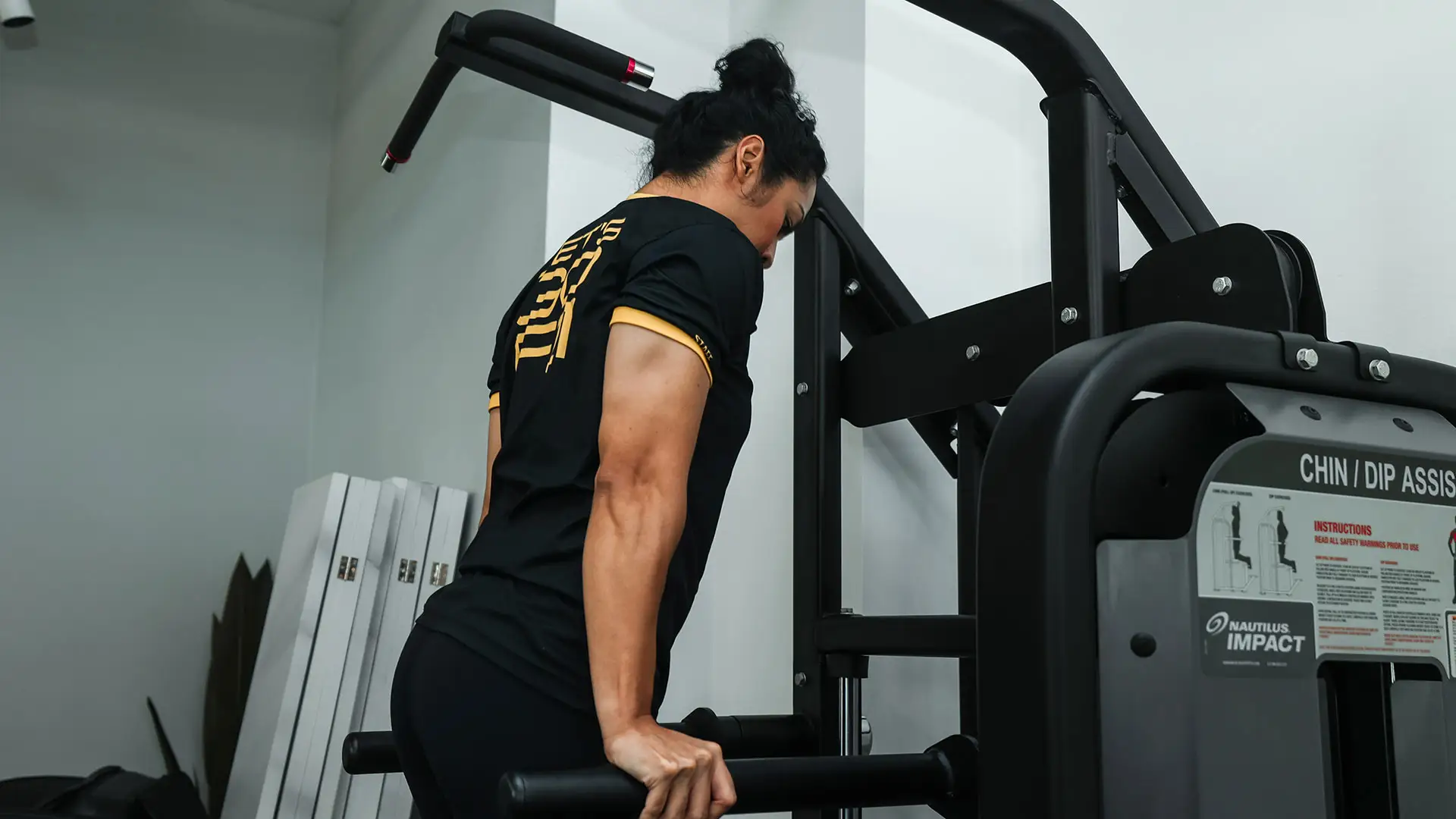
Credit: www.gofit-gym.com
Benefits Of Home Workouts
Home workouts offer many benefits that make staying fit easier without gym access. You can tailor exercises to your own pace and space. No need to wait for equipment or travel time. The comfort of your home creates a stress-free workout environment. These advantages help keep motivation high and routines consistent.
Flexibility And Convenience
Exercise anytime that suits your schedule. No fixed class times or crowded spaces. Switch workouts based on your energy and mood. Short sessions fit into busy days. Pause and restart without pressure. This freedom helps maintain a steady fitness habit.
Cost-effectiveness
No gym fees or travel expenses. Use body weight or simple items like chairs and bottles. Many free workout videos and apps available online. Save money while staying active. This makes fitness accessible for everyone.
Privacy And Comfort
Work out without feeling watched or judged. Dress in whatever makes you comfortable. Create a calm space that suits your style. Focus fully on your movements and breathing. Privacy boosts confidence and reduces workout anxiety.

Credit: www.thegymrevolution.co.uk
Essential Equipment For Home Fitness
Staying fit at home requires the right equipment. With gyms closed, it’s crucial to invest in tools that support your fitness journey. The right equipment can transform your living space into a personal gym. Let’s explore essential tools that can help you maintain your fitness goals from home.
Bodyweight Basics
Bodyweight exercises are powerful. They use your body as resistance. No equipment is needed. Push-ups, squats, and lunges are effective. Planks strengthen your core. These exercises improve strength and flexibility. They’re perfect for small spaces. Bodyweight exercises can fit any fitness level.
Affordable Gear Options
Investing in basic gear enhances your workout. Resistance bands are versatile and cheap. They add intensity to your exercises. Dumbbells are another excellent choice. They come in various weights. Adjustable dumbbells save money and space. Jump ropes are great for cardio. They’re compact and effective for burning calories.
Space-saving Tools
Small spaces require smart solutions. Foldable exercise mats are useful. They’re easy to store after use. Doorway pull-up bars are efficient. They fit in most door frames. Stability balls improve balance and core strength. They’re deflatable for easy storage. A kettlebell set offers varied workouts. They’re compact and multifunctional.
Effective Bodyweight Exercises
Staying fit without access to a gym might feel challenging, but your own body offers plenty of power. Bodyweight exercises require no equipment and can be done anywhere, making them perfect for any space. These moves not only build strength but also improve balance and flexibility, helping you maintain a full-body workout routine.
Upper Body Moves
Your upper body can get a solid workout using just your body weight. Push-ups are a classic—easy to modify and effective for your chest, shoulders, and triceps. If regular push-ups feel too easy, try elevating your feet or adding a pause at the bottom.
Another great move is the tricep dip using a sturdy chair or bench. It targets the back of your arms and can be adjusted by bending your knees or straightening your legs. Have you noticed how your arms feel after just a few sets? That’s real progress without weights.
Lower Body Strengtheners
Squats and lunges are your best friends for building leg strength and endurance. Bodyweight squats activate your quads, hamstrings, and glutes, and you can increase intensity by holding the squat longer or trying jump squats.
Lunges help with balance and unilateral strength, meaning they work each leg independently, which is great for preventing muscle imbalances. Walking lunges or reverse lunges add variety. Can you feel the difference between your left and right side as you move?
Core Focused Workouts
A strong core supports all your movements and reduces injury risk. Planks are simple yet powerful; start with 20 seconds and add time as you get stronger. Side planks target your obliques, which are often overlooked in many routines.
Don’t forget leg raises and bicycle crunches to hit your lower abs and engage your entire midsection. Mixing these moves keeps your core challenged and prevents boredom. How often do you check in with your core strength during daily activities?
Cardio Workouts Without Machines
Cardio workouts without machines are a fantastic way to keep your heart healthy and your body moving, even when gyms are closed. You don’t need fancy equipment to get your blood pumping or to burn calories effectively. Simple, creative routines can turn any small space into your personal fitness zone.
Jump Rope Routines
Jump rope is one of the most efficient cardio exercises you can do at home. It improves coordination and burns a lot of calories in a short time.
Try jumping for 30 seconds, then rest for 15 seconds. Repeat this for 10 rounds. Challenge yourself by adding variations like high knees or double unders.
Do you have a favorite jump rope move that keeps you motivated? Experimenting with different speeds and footwork can make your routine exciting and less repetitive.
High-intensity Interval Training
High-Intensity Interval Training (HIIT) is perfect if you want quick, intense workouts. It involves short bursts of intense activity followed by brief rest periods.
You can combine exercises like jumping jacks, burpees, mountain climbers, and squat jumps. For example, do 20 seconds of work and 10 seconds of rest for 8 rounds.
Have you noticed how fast your stamina improves after just a few weeks of HIIT? It’s a great way to maximize effort in minimal time without any machines.
Dance And Aerobic Options
Dancing is a fun way to get your cardio in without feeling like exercise. Put on your favorite music and move freely or follow an online dance workout.
Aerobic routines like step touches, grapevines, and knee lifts keep your heart rate up and improve rhythm and balance.
Which songs get you moving the most? Use your playlist as a tool to stay consistent and enjoy every session.
Creating A Balanced Weekly Plan
Creating a balanced weekly plan is essential to staying fit, especially when gyms are closed. It helps you stay consistent, avoid burnout, and keep your workouts effective. You don’t need fancy equipment or hours of time—just a smart approach that fits your lifestyle.
Strength And Cardio Mix
A well-rounded fitness plan combines both strength training and cardio exercises. Aim to alternate between these two types throughout the week to keep your body challenged and engaged.
- Strength days:Use bodyweight exercises like push-ups, squats, or resistance bands if you have them. These build muscle and improve metabolism.
- Cardio days:Choose activities like jogging, jumping jacks, or dancing to get your heart rate up. Even brisk walking counts if you’re consistent.
Think about how your energy levels change throughout the week. You might find mornings better for cardio and evenings for strength work—or vice versa. Adjust based on what feels right for you.
Rest And Recovery Days
Rest days are just as important as workout days. They give your muscles time to repair and prevent injuries.
Schedule at least one or two rest days each week. Use these days for light stretching, yoga, or simply relaxing. Listen to your body—if you feel sore or tired, don’t push through it.
Progress Tracking Tips
Tracking your progress keeps you motivated and helps you see what’s working. It doesn’t have to be complicated.
- Keep a workout journal or use an app to log your exercises and reps.
- Take photos or measurements every couple of weeks to notice physical changes.
- Set small goals like increasing reps or workout duration gradually.
Ask yourself: What’s one small improvement you can aim for this week? Focusing on tiny wins keeps you moving forward even without gym access.
Staying Motivated At Home
Staying motivated at home is key to keeping fit without gym access. The quiet space can feel less inspiring. Creating a routine helps keep energy high and focus clear. Motivation comes from clear steps and support.
Setting Realistic Goals
Start with small, simple goals. Goals should be clear and easy to track. For example, aim for 15 minutes of exercise daily. Increase time or intensity slowly. Realistic goals avoid frustration and build confidence. Celebrate each success, no matter how small.
Using Apps And Online Classes
Apps and online classes bring variety and structure. Choose workouts that match your level and interest. Many apps offer reminders and progress tracking. Online classes create a sense of community. Follow along with videos to stay engaged. Change routines to avoid boredom.
Building A Support System
Support makes motivation stronger. Share goals with family or friends. Exercise together via video calls or chats. Join online fitness groups for tips and encouragement. A support system holds you accountable. It also makes fitness more fun and social.
Nutrition Tips To Support Fitness
Nutrition plays a key role in staying fit without gym access. Eating the right foods fuels workouts and speeds recovery. Proper nutrition supports muscle growth and keeps energy high. Planning meals, staying hydrated, and choosing recovery foods help maintain fitness goals at home.
Meal Planning Essentials
Plan meals with a balance of proteins, carbs, and fats. Include lean meats, beans, and eggs for protein. Choose whole grains like brown rice or oats for energy. Add vegetables and fruits for vitamins and minerals. Prepare meals ahead to avoid unhealthy snacking. Portion control helps manage calorie intake. Small, frequent meals keep metabolism steady.
Hydration Strategies
Drink water throughout the day to stay hydrated. Water helps digestion and muscle function. Avoid sugary drinks that add empty calories. Aim for at least 8 glasses daily. Hydrate before, during, and after exercise. Herbal teas and infused water add flavor without sugar. Monitor urine color to check hydration levels.
Supplements And Recovery Foods
Use supplements to fill nutrition gaps if needed. Protein powders support muscle repair after workouts. Omega-3 supplements reduce inflammation and aid recovery. Eat recovery foods rich in antioxidants and protein. Examples include yogurt, nuts, and berries. Avoid processed snacks that hinder progress. Rest and nutrition together speed muscle healing.

Credit: www.nzherald.co.nz
Frequently Asked Questions
How Can I Stay Fit Without Gym Equipment?
You can use bodyweight exercises like push-ups, squats, and planks. Walking or jogging outside also helps. Household items, like water bottles, can serve as weights. Consistency is key to maintaining fitness without gym equipment.
What Are Effective Home Workouts During Gym Closures?
High-intensity interval training (HIIT), yoga, and Pilates work well at home. These workouts require minimal space and no equipment. Following online classes can boost motivation and guide proper form. Mix different routines to avoid boredom.
How Do I Maintain Motivation To Exercise At Home?
Set a daily workout schedule and stick to it. Track your progress and celebrate small wins. Create a dedicated workout space free from distractions. Joining online fitness communities can provide support and encouragement.
Can Outdoor Activities Replace Gym Workouts?
Yes, outdoor activities like running, cycling, and hiking improve cardiovascular health. They offer fresh air and change of scenery, enhancing mental well-being. Always follow local guidelines and stay safe while exercising outside.
Conclusion
Staying fit without gyms is totally possible. Use home workouts and simple exercises daily. Walk, stretch, or dance to keep moving. Healthy eating supports your fitness goals well. Stay consistent, and you will see progress. Small steps add up over time.
Keep your body active and your mind positive. Fitness is about effort, not fancy equipment. You control your health, no matter the situation. Keep going, and enjoy the journey.







