
Have you ever wondered if there’s an optimal time to hit the gym after a meal? You’re not alone.
Many of us grapple with the timing of workouts and meals, aiming for that sweet spot where energy levels are high, and discomfort is low. Understanding this balance can dramatically enhance your workout efficiency and comfort. But how do you determine the right timing for you?
This article will delve into how much time you should ideally wait after eating before you start exercising. By the end, you’ll have a clear grasp on how to optimize your workout timing for maximum energy and results. Stick around to discover the secrets to perfecting your pre-workout routine.
Ideal Wait Time Before Exercise
Knowing the ideal wait time before exercise can make a big difference in how you feel during your workout. Too soon after eating, and you might experience discomfort or sluggishness. Wait too long, and you could find your energy levels dipping, affecting your performance.
Factors Influencing Wait Time
Several elements affect how long you should wait before working out. Your metabolism, the type of food you ate, and the intensity of your planned exercise all play a role.
Think about how your body reacts after meals. Do you feel energized or heavy and sleepy? Your personal digestion speed matters more than any fixed rule.
- Metabolism:Faster metabolisms process food quicker, allowing shorter wait times.
- Exercise intensity:High-intensity workouts require longer digestion periods.
- Food composition:Meals rich in fats and proteins take longer to digest compared to carbs.
Light Meals Vs Heavy Meals
The kind of meal you eat before exercising changes how long you should wait. Light meals, like a banana or yogurt, usually digest quickly, letting you start your workout within 30 to 60 minutes.
Heavy meals, filled with fats and proteins, can slow digestion. It’s often best to wait at least 2 to 3 hours after these meals to avoid cramps or nausea.
| Meal Type | Examples | Recommended Wait Time |
|---|---|---|
| Light | Fruit, smoothie, small sandwich | 30 to 60 minutes |
| Heavy | Steak, pasta with cheese, fried foods | 2 to 3 hours |
Have you ever tried jumping into a workout right after a big meal? Most people find it uncomfortable. Listen to your body and adjust your wait time to what feels right for you.

Credit: wondersfood.com
Effects Of Exercising Too Soon
Exercising too soon after eating can cause several problems. The body needs time to digest food before intense physical activity. Ignoring this can lead to discomfort and poor workout results. Understanding the effects helps you plan better workout times.
Digestive Discomfort
Exercising right after eating can upset your stomach. Blood flow moves to muscles during exercise, reducing flow to the stomach. This slows digestion and can cause cramps, bloating, or nausea. These feelings make it hard to keep exercising. Many people experience heartburn or acid reflux if they start too soon.
Reduced Performance
Working out too soon may lower your energy and strength. The body uses energy to digest, leaving less available for muscles. You might feel weak, tired, or dizzy during exercise. This can reduce your speed, endurance, and focus. Avoiding workouts right after meals helps maintain better performance.
Benefits Of Timing Workouts Right
Timing your workouts right after eating can make a noticeable difference in how your body performs and recovers. It’s not just about when you eat, but also how that timing impacts your energy and muscle health. Understanding these benefits can help you maximize your exercise results and feel better during each session.
Enhanced Energy Levels
Your body needs fuel to power through a workout, and eating at the right time ensures you have that fuel ready. If you work out too soon after eating, your body might still be digesting, which can leave you feeling sluggish or uncomfortable.
Waiting about 1 to 2 hours after a balanced meal can boost your stamina and focus. Have you noticed how sometimes you feel drained mid-workout? It could be because your body hasn’t fully processed the food yet.
Improved Muscle Recovery
Eating before exercise doesn’t just affect performance; it also impacts how well your muscles recover afterward. Proper timing allows your body to absorb nutrients that repair and build muscle tissue more effectively.
Skipping this window or eating too close to your workout might reduce the benefits of your post-exercise nutrition. Think about your last workout—did you feel sore longer than usual? Adjusting when you eat could help speed up recovery times.
Best Foods Before Working Out
Choosing the right foods before a workout can boost energy and improve performance. Eating the proper nutrients helps fuel muscles and keep you active. Timing and type of food matter for best results. Foods that digest quickly provide fast energy. Nutrient-rich meals offer sustained power for longer sessions.
Quick-digesting Snacks
Snacks that digest fast give instant energy. They prevent feeling heavy or sluggish during exercise. These snacks usually have simple carbs and some protein.
- A banana
- Low-fat yogurt
- Rice cakes with honey
- A slice of white bread with jam
- Fruit smoothie
Eat these snacks 15 to 30 minutes before working out. They supply glucose for your muscles to use quickly.
Nutrient-rich Meals
Meals with balanced nutrients support longer workouts. They include proteins, complex carbs, and healthy fats. These meals take longer to digest but offer steady energy.
| Food | Benefits |
|---|---|
| Grilled chicken with brown rice | Protein builds muscle, carbs fuel energy |
| Oatmeal with nuts and berries | Complex carbs, healthy fats, antioxidants |
| Whole wheat pasta with tomato sauce | Slow-release carbs for endurance |
| Eggs with avocado toast | Protein and good fats for strength |
Eat these meals 1.5 to 3 hours before exercise. They keep you energized without feeling too full.
Adjusting Timing For Different Workouts
Adjusting the time between eating and working out depends on the type of exercise planned. Different workouts require different energy levels and digestion times. Paying attention to this can improve performance and comfort. It also helps to avoid stomach discomfort and fatigue.
Cardio Sessions
Cardio exercises like running or cycling demand quick energy. A light snack 30 to 60 minutes before helps maintain stamina. Avoid heavy meals to prevent sluggishness or nausea. Choose easily digestible foods like fruit or yogurt. Hydration also plays a key role in cardio performance.
Strength Training
Strength training needs more fuel for muscle power. Eat a balanced meal with protein and carbs about 1.5 to 3 hours before. This timing allows proper digestion and energy release. Small snacks can work if eating closer to workout time. Avoid foods high in fat or fiber that slow digestion.
Flexibility And Yoga
Yoga and stretching focus on relaxation and balance. These workouts tolerate shorter gaps after eating. A light meal or snack 30 minutes before is usually fine. Heavy meals may cause discomfort in certain poses. Drink water but avoid overeating to stay comfortable and focused.
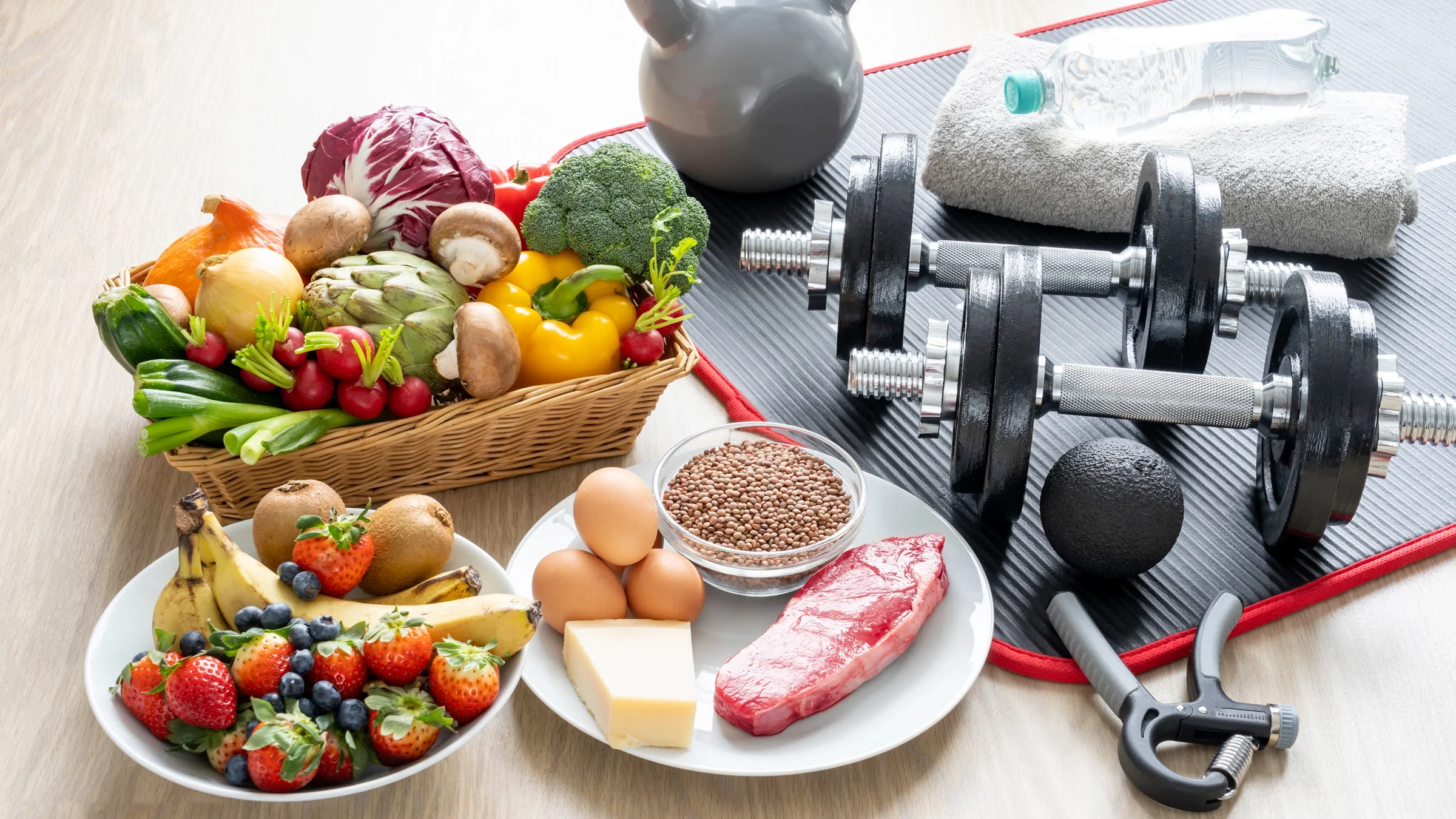
Credit: www.goodrx.com
Hydration Tips Around Meals And Workouts
Hydration plays a key role in meal times and workouts. Drinking enough water supports digestion and energy levels. Proper hydration helps muscles work well and reduces cramps. It also aids in recovery after exercise.
Balancing fluids around eating and exercising can improve your performance. Knowing when and how much to drink keeps your body ready. Avoid drinking too much or too little before or after meals.
Hydrate Before Eating And Exercising
Drink water about 30 minutes before meals. It helps with digestion and prevents overeating. Before workouts, hydrate to keep energy steady. Aim for about 8 ounces of water.
Water Intake During Workouts
Drink small sips of water every 15 to 20 minutes. It stops dehydration and keeps muscles working well. For workouts over an hour, add electrolytes to water.
Post-workout Hydration And Meals
Drink water soon after exercise to replace lost fluids. Wait 20 to 30 minutes before eating a big meal. This helps your body absorb nutrients better and recover faster.
Signs Of Good Hydration
- Light yellow urine color
- Feeling energetic and alert
- Normal sweating during workouts
- Clear skin and no headaches
Tips To Stay Hydrated
- Carry a water bottle all day
- Set reminders to drink water
- Eat water-rich foods like fruits and vegetables
- Limit caffeine and sugary drinks
Listening To Your Body’s Signals
Understanding your body’s signals helps decide the best time to work out after eating. Each person’s body reacts differently to food and exercise. Paying close attention to how you feel can guide your workout timing. This approach reduces discomfort and improves exercise performance.
Recognizing Hunger And Fullness
Notice if your stomach feels empty or full before exercising. Hunger might cause low energy during your workout. Eating a small snack can help in this case. Feeling too full can cause cramps or nausea. Give your body time to digest if you feel heavy.
Adapting To Personal Comfort
Everyone has unique comfort levels for exercise after meals. Some may run shortly after eating without issues. Others might need to wait an hour or more. Try different timings to find what suits you best. Your comfort is key to a good workout experience.
Credit: www.lemon8-app.com
Frequently Asked Questions
How Long Should I Wait After Eating To Exercise?
Wait at least 30 minutes to 2 hours after eating. This depends on meal size and type. Light snacks need less wait; heavy meals require more time for digestion.
Can Working Out Immediately After Eating Cause Discomfort?
Yes, exercising right after eating can cause cramps, nausea, or indigestion. Your body focuses on digestion, reducing blood flow to muscles. Waiting allows better workout performance and comfort.
What Foods Are Best Before A Workout?
Choose easily digestible carbs and moderate protein before exercise. Examples include bananas, yogurt, or toast. Avoid heavy fats and fiber-rich foods that slow digestion and cause discomfort.
Does Meal Size Affect Workout Timing?
Yes, larger meals require longer digestion time, usually 1. 5 to 2 hours. Smaller snacks need only 30 minutes to an hour before exercising. Adjust timing based on meal size for comfort.
Conclusion
Finding the right time to work out after eating helps your body perform well. Give yourself 30 minutes to 2 hours depending on your meal size. Small snacks need less waiting time than full meals. Listen to your body’s signals to avoid discomfort.
This way, you stay energized and avoid cramps or nausea. Remember, every person is different. Experiment a bit to find what suits you best. Keep it simple and enjoy your workouts safely.







