
Are you fueling your body right after your workouts? If you’ve ever wondered about the best time to eat post-exercise to maximize your results, you’re not alone.
What you eat and when you eat it can significantly impact your recovery, energy levels, and overall fitness progress. Imagine powering up your muscles, boosting your energy, and feeling stronger every day, just by timing your meals right. Intrigued? Stick around, because what you’re about to discover could transform the way you think about nutrition and fitness.
Get ready to unlock the secrets to optimal post-workout nutrition that could be the game-changer in your fitness journey.
Post-workout Nutrition Window
After exercise, your body needs nutrients to recover and grow stronger. This period is called the post-workout nutrition window. Many believe there is a short, critical time to eat after working out. Understanding this window helps you plan meals better and supports muscle repair and energy restoration.
Anabolic Window Myth
The anabolic window is often described as a 30-minute period after exercise. It suggests you must eat immediately to gain muscle. Research shows this idea is overstated. Your body can absorb nutrients for several hours post-workout. The total daily intake matters more than rushing to eat right away.
Eating right after a workout is helpful but not urgent. If you had a meal before exercise, your body still has fuel to use. The myth creates unnecessary stress about timing. Focus on balanced meals throughout the day instead.
Optimal Timing For Nutrient Intake
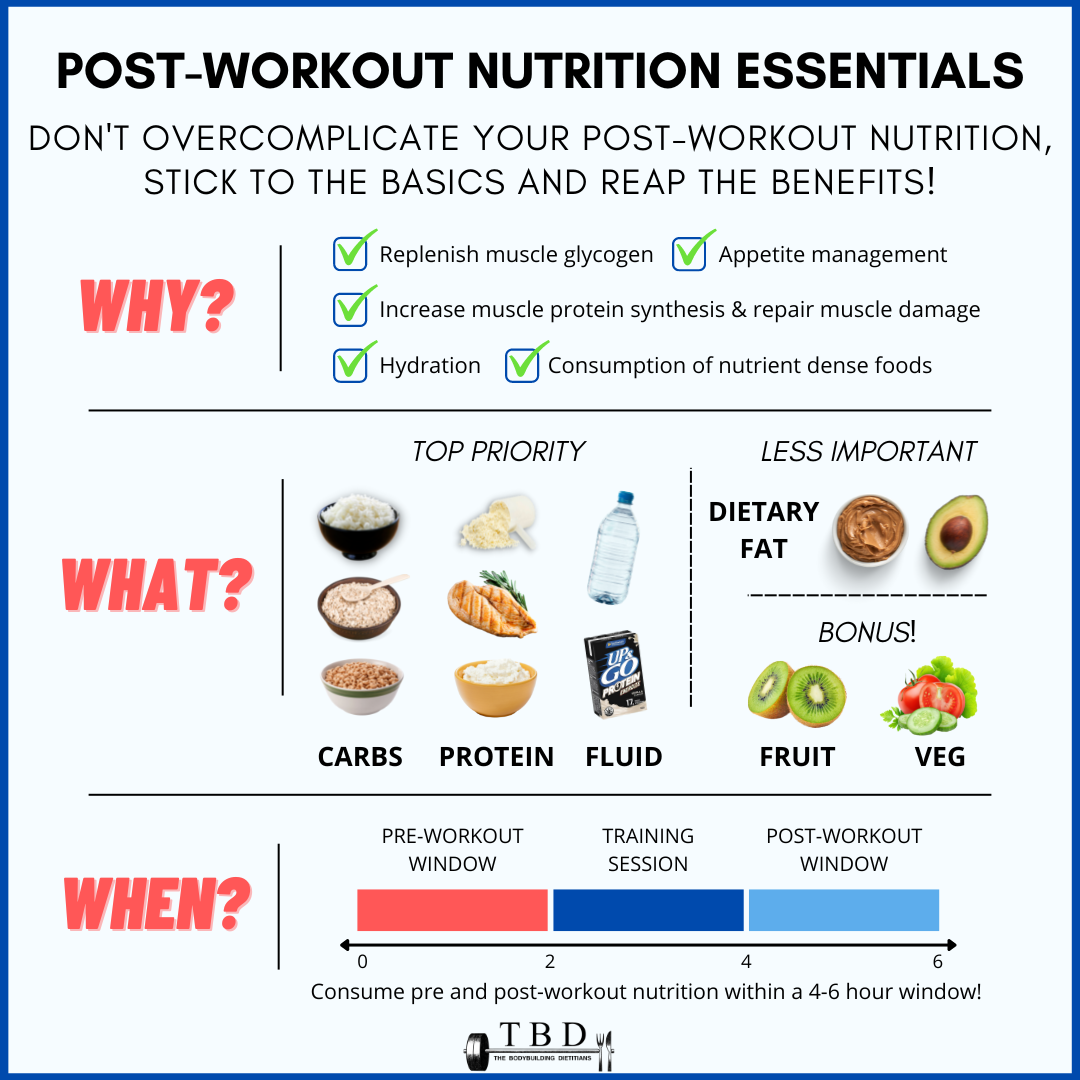
Eating within two hours after exercise supports recovery well. This timeframe allows your muscles to rebuild and replenish energy stores. Include protein and carbohydrates for best results. Protein helps repair muscle fibers. Carbs restore glycogen, the energy stored in muscles.
Try to have a meal or snack with about 20-30 grams of protein. Pair it with 40-60 grams of carbohydrates. Good options include:
- Grilled chicken with rice
- Yogurt with fruit
- Protein shake with a banana
- Eggs and whole grain toast
Hydrate well after exercise. Water supports all recovery processes. Remember, consistent nutrition and hydration over time matter more than perfect timing.
Credit: www.lemon8-app.com
Key Nutrients For Muscle Growth
After a workout, muscles need fuel to repair and grow. Certain nutrients play a big role in this process. Eating the right foods helps muscles recover faster and get stronger. Focus on protein, carbohydrates, and hydration to support muscle growth effectively.
Importance Of Protein
Protein is the building block of muscles. It helps repair tiny muscle tears caused by exercise. Eating protein after a workout supports muscle recovery and growth. Sources like chicken, eggs, and beans provide essential amino acids. Aim to include a good amount of protein soon after training.
Role Of Carbohydrates
Carbohydrates refill the energy stores used during exercise. They help muscles recover energy quickly. Eating carbs after a workout boosts glycogen levels. Foods like rice, oats, and fruits are great choices. Combining carbs with protein improves muscle repair.
Hydration And Electrolytes
Water is vital for muscle function and recovery. Sweating causes loss of fluids and electrolytes like sodium and potassium. Replenishing fluids keeps muscles working well. Drinking water and consuming electrolyte-rich foods or drinks helps restore balance. Staying hydrated reduces muscle cramps and fatigue.
Meal Timing Strategies
Timing your meals after a workout can influence your recovery and energy levels. Different strategies work better depending on your goals, lifestyle, and how your body reacts. Understanding these approaches helps you make smarter choices and optimize your post-exercise nutrition.
Immediate Vs Delayed Eating
Eating right after your workout can kickstart muscle repair and replenish energy stores quickly. Many athletes prefer a snack or meal within 30 minutes to 1 hour post-exercise to maximize recovery.
However, some people find waiting a bit longer works better for their digestion or appetite. Delayed eating, like having a meal 2 hours after training, can still support recovery if your overall daily nutrition is balanced.
Think about how your body feels after training. Do you feel hungry immediately or can you wait a little? Listening to these signals helps you decide what timing suits you best.
Frequent Small Meals Approach
Eating smaller meals every 2-3 hours after a workout can keep your energy steady and prevent hunger spikes. This method helps maintain muscle protein synthesis and supports ongoing recovery throughout the day.
- Example: a protein shake post-workout, followed by a small meal with carbs and protein in a couple of hours
- This approach fits well if you don’t like large meals or want to avoid feeling heavy
- It also allows you to adjust food intake based on your activity level and hunger cues
Have you tried breaking your post-workout nutrition into smaller portions? It might be worth experimenting with to see if it improves your energy and recovery.
Single Large Meal Method
Some people prefer to have one big meal after exercising, especially if they work out close to a main mealtime like dinner. This can simplify planning and still deliver the nutrients needed for recovery.
The key is to include a good balance of protein, carbohydrates, and fats to support muscle repair and replenish glycogen stores. A plate with grilled chicken, quinoa, and vegetables is a solid example.
Consider your schedule and how your body handles food. Does one substantial meal satisfy your hunger and fuel your recovery, or do you feel better spreading intake throughout the day?
Factors Affecting Post-workout Eating
Eating after a workout is important for recovery and energy. Several factors decide the best time to eat. Understanding these helps improve your results and feel better faster.
Workout Intensity And Duration
Hard workouts burn more energy and create muscle stress. Longer sessions use up more glycogen stores. After intense or long exercise, the body needs food quickly. This helps refill energy and repair muscles. Light or short workouts may not require immediate eating. Your meal timing depends on how hard and long you train.
Individual Metabolism
Everyone’s metabolism works differently. Some people digest food fast and need to eat soon after exercise. Others process nutrients slower and can wait longer. Age, genetics, and activity level affect metabolism speed. Listen to your body’s hunger signals. Adjust your post-workout meal time based on how your body feels and recovers.
Type Of Exercise Performed
Strength training and cardio affect the body in different ways. Weight lifting causes muscle damage needing protein for repair. Cardio mainly uses glycogen for fuel and needs carbs to restore energy. Mixed workouts may require a balance of carbs and protein. Knowing the exercise type helps decide what and when to eat after.
Sample Post-workout Meals
Choosing the right post-workout meal can make a big difference in how quickly you recover and build muscle. It’s not just about eating soon after exercise but also about what you eat. Here are some meal ideas that fit different lifestyles and schedules, helping you refuel effectively without wasting time.
Quick Protein Shakes
Protein shakes are a fast and convenient way to get nutrients after a workout. They deliver high-quality protein and often include carbs to replenish energy stores. If you’re rushing out the door or don’t feel like eating solid food, a shake can be a lifesaver.
- A simple whey protein shake mixed with water or milk
- Blend Greek yogurt, banana, and protein powder for extra creaminess and nutrients
- Add a spoon of peanut butter or oats to increase calories and keep you full longer
Have you noticed how a quick shake can keep your energy stable until your next meal? It’s a practical way to stay on track without stressing about cooking.
Balanced Solid Meals
Solid meals provide a feeling of fullness and can be more satisfying after intense workouts. A balanced meal includes protein, healthy fats, and carbohydrates. This combo supports muscle repair and replenishes glycogen stores, helping your body recover fully.
| Protein | Carbohydrates | Healthy Fats |
|---|---|---|
| Grilled chicken breast | Quinoa or brown rice | Avocado slices or olive oil drizzle |
| Baked salmon | Sweet potato | Steamed broccoli with butter |
| Egg omelet | Whole grain toast | Slice of cheese or nuts |
Does your current post-workout meal keep you energized for hours? Try adjusting the balance of macronutrients and see how your recovery improves.
Plant-based Options
If you prefer plant-based eating, you can still get a powerful post-workout meal. Plant proteins combined with carbs can fuel recovery and support muscle growth just as well as animal proteins.
- Lentil and quinoa salad with mixed vegetables
- Chickpea and spinach curry with brown rice
- Tofu stir-fry with broccoli, bell peppers, and a side of sweet potatoes
Have you tried pairing plant proteins with carbs after your workout? It might surprise you how satisfying and effective these meals can be.

Credit: www.youtube.com
Supplements To Consider
Choosing the right supplements after your workout can make a big difference in how quickly you recover and build muscle. Not all supplements work the same way or at the same time, so knowing when and what to take can boost your results. Let’s look at some popular options and how they fit into your post-workout routine.
Whey Protein Benefits
Whey protein is a fast-absorbing source of amino acids that helps repair muscle damage quickly. Taking it within 30 minutes after your workout can jumpstart muscle recovery and support growth.
Many people find that a simple whey shake is easier to digest right after training compared to whole foods. Have you noticed how your muscles feel less sore when you drink whey protein soon after exercise? That’s the recovery process working in your favor.
Creatine Timing
Creatine helps increase strength and endurance by replenishing energy stores in your muscles. Although it doesn’t need to be taken immediately after training, consuming creatine post-workout can improve absorption when paired with carbs.
Try mixing creatine into your post-workout drink or meal. Consistency matters more than exact timing, but taking it close to your workout can give you an edge in recovery and performance.
Bcaas Role
Branched-chain amino acids (BCAAs) are vital for reducing muscle breakdown during and after exercise. Taking BCAAs right after your workout can help reduce soreness and speed up muscle repair.
If you train fasted or prefer lower-calorie options, BCAAs can be a great quick fix. Have you ever felt less fatigued after using BCAAs post-workout? That’s the anti-catabolic effect helping your muscles bounce back faster.
Common Mistakes To Avoid
Knowing the best time to eat after a workout is crucial, but many people stumble by making common mistakes that can undo the benefits of their exercise. These errors not only affect recovery but can also impact your overall energy levels and progress. Let’s look at some pitfalls you should avoid to get the most from your post-workout nutrition.
Skipping Post-workout Meal
Some believe that skipping food after exercise helps burn more fat. However, missing your post-workout meal delays muscle recovery and leaves you feeling drained. Your body needs protein and carbs within 30 to 60 minutes after exercise to repair muscles and restore energy.
I once skipped eating after a tough session, thinking I’d fast for better results. Instead, I felt weak and sore the next day, which slowed my progress. Don’t make the same mistake—feeding your body promptly fuels recovery and growth.
Overeating After Exercise
It’s easy to reward yourself with a big meal after a workout, but eating too much can negate your hard work. Overeating leads to unwanted weight gain and digestive discomfort. Focus on balanced portions that match your activity level and goals.
Think about what your body truly needs. Are you hungry because you exercised, or are emotions driving your appetite? Listen carefully to your hunger signals to avoid consuming excess calories.
Ignoring Hydration
Hydration is often overlooked, yet it’s a key part of recovery. Dehydration can cause fatigue, muscle cramps, and reduced performance. Drinking water before, during, and after your workout is essential.
If you sweat heavily, consider adding electrolytes to your fluids to replace lost minerals. Have you paid attention to your thirst cues today, or is your body quietly signaling dehydration?
Credit: miradorsanjose.com
Frequently Asked Questions
When Is The Best Time To Eat After A Workout?
The best time to eat after a workout is within 30 to 60 minutes. This helps replenish energy and repair muscles efficiently. Eating soon after exercise maximizes nutrient absorption and supports faster recovery.
What Should I Eat After A Workout For Recovery?
Post-workout meals should include protein and carbohydrates. Protein aids muscle repair, while carbs restore glycogen. Examples include chicken with rice, a protein shake, or yogurt with fruit.
How Long Can I Wait To Eat After Exercising?
You should eat within two hours after exercising to optimize recovery. Delaying longer may reduce muscle repair efficiency and energy replenishment. Eating promptly supports better workout results.
Is It Necessary To Eat Immediately After Working Out?
Eating immediately after working out isn’t always necessary but recommended. Consuming nutrients within an hour boosts muscle recovery and energy restoration. If immediate eating isn’t possible, aim to eat within two hours.
Conclusion
Eating soon after your workout helps your body recover fast. Aim to eat within 30 to 60 minutes after exercising. Choose foods with protein and carbs to rebuild muscles and restore energy. Drinking water is also important to stay hydrated.
Everyone’s body is different, so find what works best for you. Consistency matters more than exact timing. Fuel your body well, and you will see better results over time. Small habits can lead to big improvements in your fitness journey.
Keep it simple and stay focused on your goals.







