
Imagine sculpting a stronger, leaner body without ever stepping into a gym or lifting a single dumbbell. Sounds intriguing, right?
You might think that building muscle requires expensive equipment or a gym membership. But here’s a surprising truth: you can achieve impressive muscle gains with just your body weight. Yes, that’s right. The power to transform your physique lies within you, and it’s simpler than you might think.
Why should you care about this? Because it means freedom. Freedom from the gym, freedom from costly gear, and freedom to work out anytime, anywhere. Whether you’re at home, on vacation, or just prefer the great outdoors to a crowded gym, you can still build muscle effectively. You’ll discover the secrets of using your body weight to its fullest potential. We’ll explore techniques that maximize your muscle-building potential without the need for weights. Get ready to redefine your fitness routine and unlock the strength you never knew you had. Stay with us, and let’s dive into a world where your body is your ultimate gym.
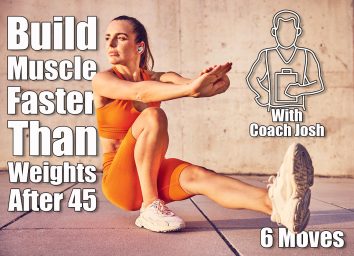
Credit: www.eatthis.com
Benefits Of Bodyweight Training
Bodyweight training offers a powerful way to build muscle without needing any equipment. It allows you to use your own body as resistance, making workouts accessible anywhere. This approach not only strengthens muscles but also improves coordination and balance.
Flexibility And Convenience
You don’t need a gym or special gear to start bodyweight training. Whether you’re at home, in a park, or traveling, your workout can go on without interruption. This flexibility makes it easier to stay consistent and fit exercise into a busy schedule.
Improved Functional Strength
Bodyweight exercises mimic everyday movements. Push-ups, squats, and planks help your muscles work together, improving how you move in real life. This functional strength reduces injury risk and enhances overall physical performance.
Scalable Intensity
Worried about not challenging your muscles enough? You can increase difficulty by adjusting speed, reps, or positions. For example, elevating your feet during push-ups targets different muscle fibers, helping you grow stronger over time.
Better Muscle Control And Balance
Training with your body weight forces you to stabilize and control every movement. This builds muscle awareness and improves balance. Have you noticed how you feel more grounded and stable after consistent bodyweight workouts?
Cost-effective And Safe
No weights mean no expensive equipment or gym memberships. Bodyweight exercises also lower the risk of injury since you control the movement fully. This makes it a smart choice for beginners and those recovering from injuries.
Key Muscle Groups To Target
Building muscle without weights requires focusing on the right muscle groups. Targeting specific areas helps create balanced strength and shape. Bodyweight exercises work best when you know which muscles to engage. This section highlights key muscle groups to focus on for effective muscle growth.
Upper Body Focus
The upper body includes the chest, back, shoulders, and arms. Push-ups strengthen the chest and triceps. Pull-ups develop the back and biceps. Dips target the shoulders and arms. These exercises boost muscle size and tone without any equipment.
Lower Body Focus
The legs and glutes form the lower body. Squats build the thighs and glutes. Lunges work the quads, hamstrings, and hips. Step-ups also engage the legs and improve balance. Lower body strength improves posture and supports overall movement.
Core Strength
The core includes the abs, obliques, and lower back. Planks hold the entire core tight. Bicycle crunches target the abs and sides. Leg raises focus on the lower abs. A strong core improves stability and supports all other muscle groups.
Effective Bodyweight Exercises
Building muscle without weights is completely doable with the right bodyweight exercises. These moves challenge your muscles using your own body as resistance, helping you gain strength and size. The key is choosing exercises that target all major muscle groups and progressively increasing the difficulty.
Push Variations
Push exercises focus on your chest, shoulders, and triceps. Classic push-ups are a solid start, but you can ramp up the challenge by trying different variations.
- Diamond push-upstarget the triceps more intensely by placing your hands close together.
- Decline push-upsput more load on your upper chest and shoulders by elevating your feet.
- Archer push-upsincrease unilateral strength and muscle engagement, pushing one arm out to the side.
Have you tried adjusting your hand placement during push-ups? This simple tweak can change which muscles work hardest.
Pull Movements
Pull exercises often get overlooked without equipment, but you can still hit your back and biceps effectively. If you have access to a sturdy bar or even a tree branch, pull-ups are unbeatable.
- Negative pull-ups:Jump up and slowly lower yourself to build strength when you can’t do full pull-ups yet.
- Inverted rows:Use a low bar or table edge to pull your chest up while keeping your body straight.
- Doorway rows:Hold both sides of a sturdy door and lean back, then pull yourself forward.
Without weights, how do you make pull movements more challenging? Try slowing down the tempo or increasing the number of reps.
Leg Workouts
Your legs can get a serious workout without any weights. Bodyweight leg exercises build strength and muscle endurance in your quads, hamstrings, glutes, and calves.
- Bulgarian split squats:Elevate one foot behind you on a chair and squat down on the front leg.
- Jump squats:Add explosive power by jumping at the top of your squat.
- Glute bridges:Lie on your back, feet flat, and lift your hips to engage your glutes and hamstrings.
- Calf raises:Stand on your toes and lift your heels to build calf muscles.
What’s your favorite way to push your leg muscles without weights? Adding jumps or single-leg variations can really increase intensity.
Core Drills
A strong core supports all your movements and helps build muscle definition in your abs and lower back. You don’t need equipment to target these muscles.
- Plank holds:Maintain a straight line from head to heels, focusing on tightening your abs.
- Leg raises:Lie flat and lift your legs up slowly, engaging the lower abs.
- Bicycle crunches:Alternate bringing opposite elbow to knee for a dynamic ab workout.
- Superman holds:Lie on your stomach and lift your arms and legs to strengthen your lower back.
Have you noticed how small changes in form make core exercises more challenging? Slowing down or holding a position longer can boost muscle growth.

Credit: m.youtube.com
Progressive Overload Without Weights
Progressive overload is key to building muscle without weights. It means making your muscles work harder over time. This forces them to grow stronger and bigger. Without weights, you must find new ways to challenge your body.
Small changes in your workouts keep your muscles adapting. You can increase difficulty by changing reps, angles, speed, or pauses. These adjustments push your muscles to do more. Let’s explore how to apply progressive overload without any equipment.
Increasing Reps And Sets
Doing more reps makes your muscles work longer. Add extra sets to increase total work. For example, if you start with 10 push-ups, try 12 next time. Then add a third set instead of two. This gradual increase builds endurance and strength.
Changing Exercise Angles
Different angles target muscles in new ways. For push-ups, raise your feet on a chair to work shoulders more. For squats, try narrow or wide stances to hit different parts of your legs. These variations make your muscles adjust and grow.
Slowing Down Movements
Slow movements increase muscle tension. Take 3 to 5 seconds to lower your body. Pause before pushing back up. This technique stresses muscles longer without extra weight. It improves control and builds strength effectively.
Adding Pauses And Holds
Holding positions challenges your muscles differently. Pause at the bottom of a squat or push-up for 3 to 5 seconds. Hold a plank or wall sit for longer periods. These isometric holds activate muscle fibers and improve endurance.
Using Household Items For Resistance
Building muscle without weights is simple with household items. These everyday objects provide enough resistance to challenge your muscles. Using what you have at home saves money and space. It also keeps your workouts flexible and creative.
Many common items can replace gym equipment. They offer variety and make your routines fun. Proper use helps target different muscle groups effectively. Let’s explore some easy options.
Water Bottles And Backpacks
Water bottles serve as light dumbbells for arm exercises. Fill them with water or sand to add weight. Use them for bicep curls, shoulder raises, and tricep extensions.
A backpack loaded with books or cans acts as a weighted vest. Wear it during squats, lunges, or push-ups. Adjust the weight by adding or removing items inside. This increases resistance without special gear.
Towels And Chairs
Towels create resistance in pulling and stretching exercises. Try towel rows by pulling both ends while seated. This works your back muscles well.
Chairs help with step-ups, tricep dips, and incline push-ups. Use a sturdy chair to support your body weight. It improves strength in legs, arms, and chest.
Stairs And Walls
Stairs provide a natural platform for muscle building. Step up and down to strengthen your legs and glutes. Use them for calf raises or stair sprints to boost endurance.
Walls are great for static exercises. Wall sits build strong thighs by holding a sitting position. Pressing against walls helps work shoulders and core muscles.
Optimizing Recovery And Nutrition
Building muscle without weights relies heavily on how well you recover and what you eat. Recovery allows muscles to repair and grow stronger after workouts. Nutrition fuels this process and supports muscle development. Focusing on rest, protein, and hydration creates a strong foundation for muscle growth.
Rest Strategies
Rest is key for muscle repair and growth. Muscles need time to heal after exercise. Aim for 7 to 9 hours of sleep each night. Avoid overtraining by giving muscle groups at least 48 hours to recover between workouts. Short naps during the day can also help improve recovery.
Protein Intake
Protein is essential for muscle building. It provides the building blocks your muscles need to grow. Include protein sources like eggs, beans, yogurt, and lean meats in your diet. Spread protein intake evenly across meals. Aim for about 1.2 to 2.0 grams of protein per kilogram of body weight daily.
Hydration Tips
Water supports every function in your body, including muscle repair. Drink plenty of water throughout the day. Dehydration can slow down recovery and reduce muscle strength. A good rule is to drink at least 8 cups (about 2 liters) of water daily. Increase intake if you sweat a lot during exercise.
Common Mistakes To Avoid
Building muscle without weights can be highly effective, but many people hit roadblocks due to simple mistakes. These errors can slow your progress or even cause injury. Understanding what to avoid helps you stay on track and get the best results from your bodyweight workouts.
Skipping Warm-ups
Starting your workout cold increases the risk of injury and reduces muscle activation. Warming up prepares your muscles and joints for the stress ahead, boosting your strength and endurance.
Even five minutes of light cardio or dynamic stretches can make a huge difference. Have you ever felt stiff or struggled to perform exercises right away? That’s a sign you need to warm up properly.
Ignoring Form
Proper form is crucial when lifting weights, and it’s equally important for bodyweight exercises. Poor technique not only limits muscle growth but can also lead to strains or chronic pain.
Focus on controlled movements and maintaining posture. For example, during push-ups, keep your body straight from head to heels instead of letting your hips sag. How often do you check your form during workouts?
Overtraining Risks
It’s tempting to push hard every day, but your muscles need time to recover and grow. Overtraining can cause fatigue, decreased performance, and even injury.
Listen to your body’s signals. If you feel constant soreness or exhaustion, it might be time to rest or reduce intensity. Have you noticed signs of burnout creeping into your routine?
Tracking Progress Without Weights
Tracking progress without weights helps you see real changes in your body and strength. It keeps you motivated and shows if your workout works. You can use simple ways to track your gains at home or anywhere.
Using Performance Metrics
Performance metrics measure how well you do exercises over time. Count reps, sets, and how long you hold positions like planks. Try to improve these numbers each week. More reps or longer holds mean your muscles are getting stronger.
Body Measurements
Measure parts of your body to see growth or fat loss. Use a tape measure on your arms, chest, waist, and legs. Write down the numbers regularly. Small changes show your muscles are developing, even without weights.
Photographic Evidence
Take photos of yourself from different angles every few weeks. Wear the same clothes and stand in the same place for clear comparison. Pictures reveal muscle definition and body shape changes that numbers might miss.
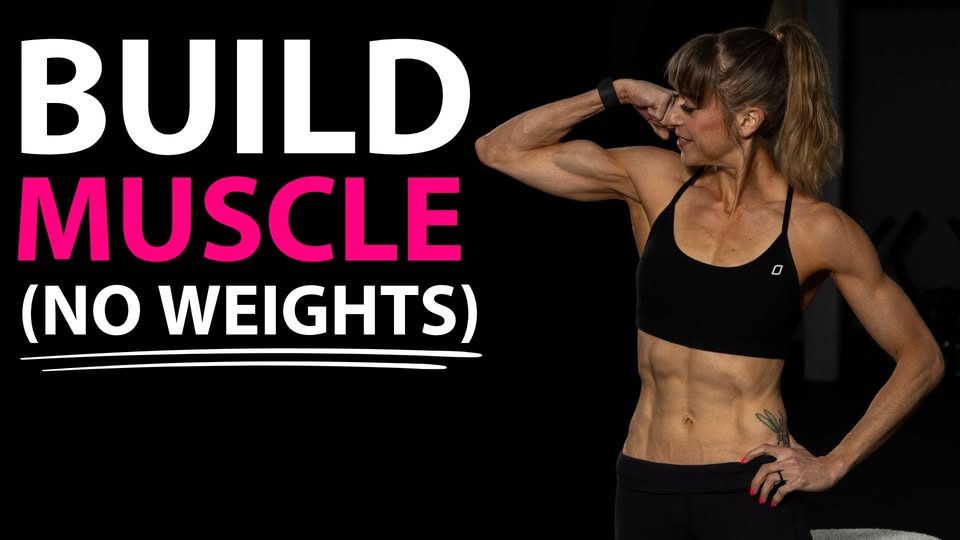
Credit: redefiningstrength.com
Frequently Asked Questions
How Can I Build Muscle Without Weights At Home?
You can build muscle by doing bodyweight exercises like push-ups, squats, lunges, and planks. These moves target multiple muscle groups. Consistency and proper form are key. Increasing repetitions or adding variations helps muscle growth without weights.
What Are The Best Bodyweight Exercises For Muscle Growth?
Push-ups, pull-ups, squats, lunges, and planks are highly effective. They engage major muscles and improve strength. Combining these exercises in a routine maximizes muscle gain without needing weights or equipment.
How Important Is Nutrition When Building Muscle Without Weights?
Nutrition is crucial. Eating enough protein supports muscle repair and growth. Balanced meals with carbs and fats fuel workouts. Hydration and calorie intake also impact muscle-building success without weights.
Can Resistance Bands Replace Weights For Muscle Building?
Yes, resistance bands offer variable tension for muscle growth. They add resistance to bodyweight exercises, increasing intensity. Bands are portable, affordable, and effective for strength training without traditional weights.
Conclusion
Building muscle without weights is simple and effective. Use your body weight for resistance exercises. Push-ups, squats, and planks work well. Consistency and good form bring the best results. Eat enough protein and rest to help muscles grow. Stay patient; progress takes time.
This approach fits any space and budget. You do not need a gym to get stronger. Start small and increase difficulty as you improve. Your body can become stronger using just its own weight. Keep moving and stay focused on your goals.







