
Are you curious about whether the Stairmaster can help you build muscle? You’re not alone.
Many fitness enthusiasts wonder if this popular piece of gym equipment can do more than just burn calories. You might be asking yourself, “Is the time I spend on the Stairmaster actually helping me achieve my muscle-building goals? ” The answer might surprise you.
Before you step onto those moving steps again, let’s dive into what the Stairmaster really does for your body. Stick around, because understanding the full potential of this machine could transform your workout routine and get you closer to the results you want.
Credit: lipsticklifters.com
How The Stairmaster Works
The Stairmaster is a popular machine found in many gyms, designed to mimic the action of climbing stairs. It challenges your body by forcing you to lift your weight repeatedly against gravity, which can lead to improved endurance and muscle engagement. Understanding how it works can help you decide if it fits your fitness goals, especially when it comes to building muscle.
Muscle Groups Targeted
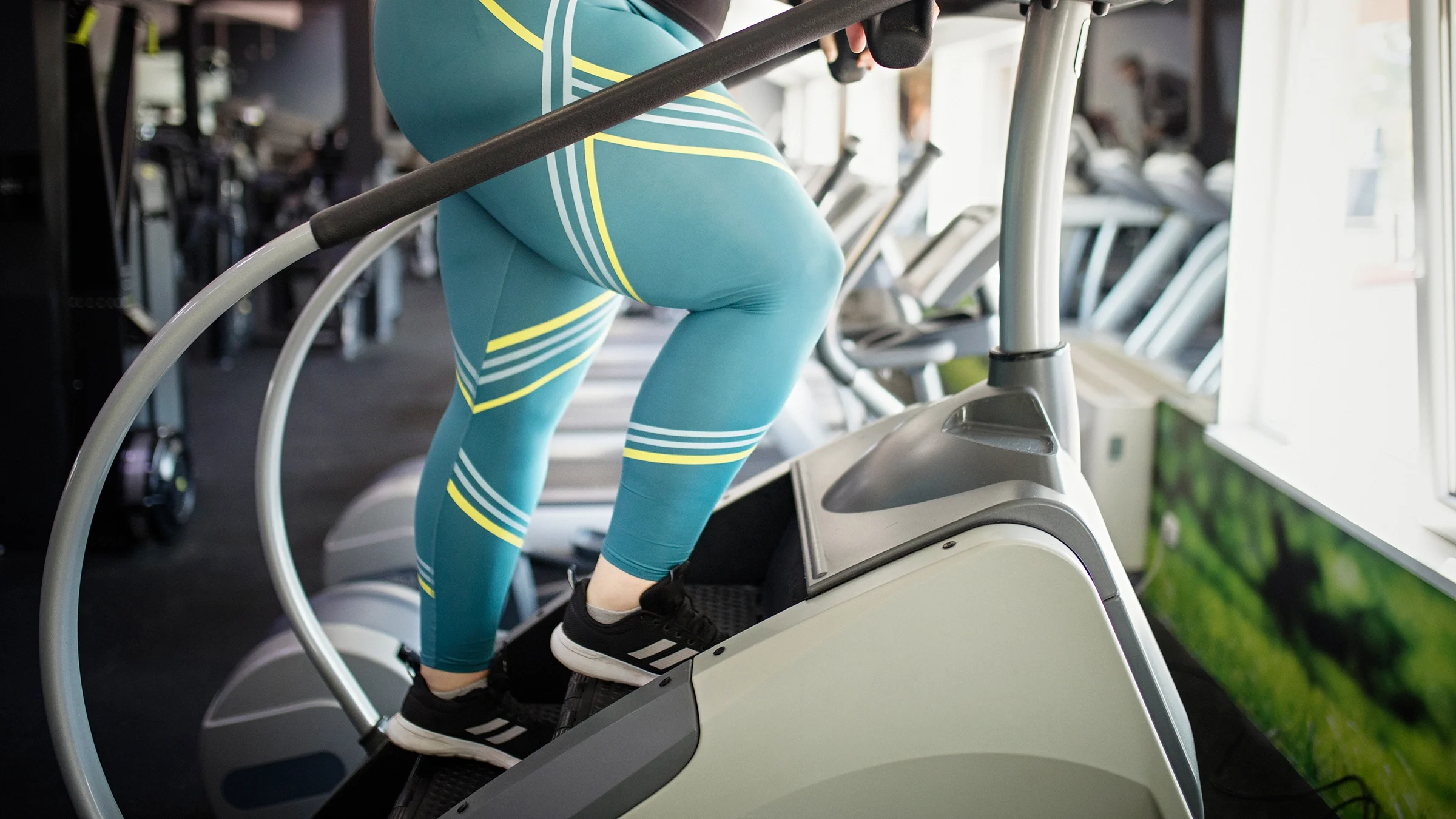
The Stairmaster primarily targets the muscles in your lower body. Your quadriceps work hard as you push each step down, while your glutes engage to lift your body upward. Meanwhile, your hamstrings and calves assist in the movement, helping stabilize and propel you forward.
What might surprise you is how your core muscles also get involved. Keeping balance on the machine requires your abdominal and lower back muscles to stay active. Have you noticed how your stomach tightens when you climb stairs quickly? That’s your core working overtime.
Cardio Vs Strength Elements
The Stairmaster offers a mix of cardiovascular and strength training benefits. It raises your heart rate, which improves your cardiovascular fitness and burns calories efficiently. At the same time, the constant resistance against your legs forces your muscles to work, contributing to muscle tone and endurance.
However, it’s important to recognize that the Stairmaster alone won’t build large muscle mass like weightlifting does. It’s more about muscle endurance and toning rather than significant size increase. Are you using it to complement your strength routine, or relying on it alone? Your answer can shape how you approach your workouts.
Credit: www.goodrx.com
Muscle Growth Potential
The Stairmaster offers a unique workout experience that challenges your legs and core. It can help tone muscles and improve endurance. But can it really build muscle? Understanding how muscle growth happens helps answer this. Muscle growth depends on the type of muscle fibers used and how hard and long you train. Let’s explore these factors to see the Stairmaster’s muscle-building potential.
Types Of Muscle Fibers Engaged
The Stairmaster mainly activates two muscle fiber types:
- Type I fibers:Also called slow-twitch fibers, they support endurance. They work best during steady, low-intensity exercise.
- Type II fibers:Fast-twitch fibers provide power and strength. They grow more with heavy or intense exercise.
Stair climbing mostly uses slow-twitch fibers. These fibers resist fatigue but grow less in size. Fast-twitch fibers get some activation during higher resistance or speed. To build muscle, you need to engage fast-twitch fibers more.
Intensity And Duration Effects
Intensity and duration change how muscles respond on the Stairmaster. Low intensity for long time builds endurance but little muscle size. High intensity with heavy resistance or fast stepping recruits more fast-twitch fibers. This can promote muscle growth.
Short bursts of hard effort, like intervals, increase muscle stress. This stress signals the body to repair and grow muscle. Long, steady sessions mainly improve stamina and burn calories.
Muscle growth needs consistent overload. Using the Stairmaster at higher resistance and speed helps. Combining this with strength training offers better muscle growth results.
Comparing Stairmaster To Other Workouts
Comparing the Stairmaster to other workouts helps understand its benefits and limits. Each exercise works the body differently and targets muscles in unique ways. Choosing the right workout depends on your goals, such as building muscle or improving endurance.
Stairmaster Vs Weight Training
The Stairmaster focuses on lower body muscles like quads, glutes, and calves. It offers a cardio workout with some muscle toning. Weight training builds muscle mass by lifting heavy weights and creating muscle stress. It targets specific muscles more deeply and helps increase strength and size. The Stairmaster is less effective for significant muscle growth but great for endurance.
Stairmaster Vs Running And Cycling
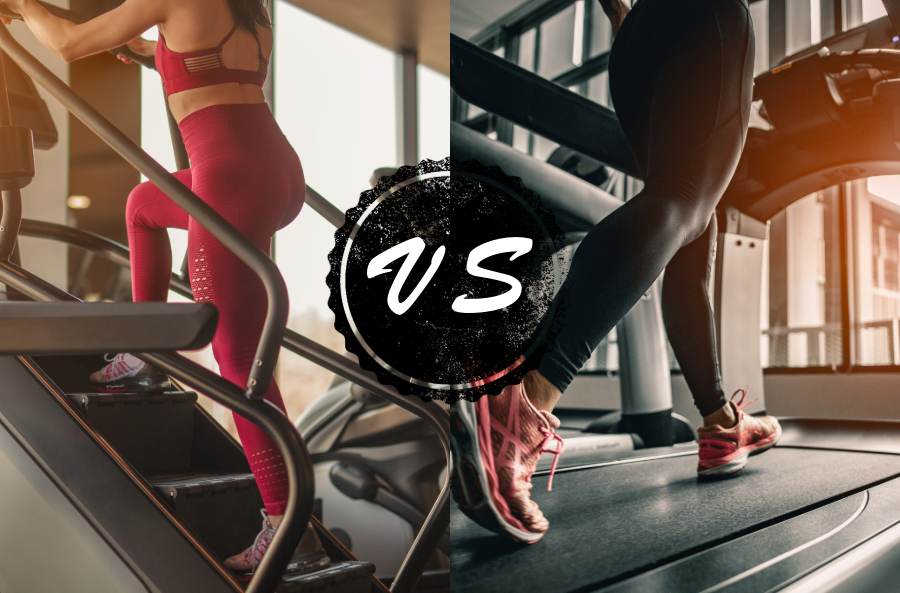
Running and cycling provide strong cardiovascular workouts. They engage leg muscles but with less resistance than the Stairmaster. The Stairmaster adds constant resistance from climbing, which helps tone muscles more. Running often impacts joints more, while cycling is low-impact but less intense on muscles. The Stairmaster balances cardio and muscle work better than running or cycling alone.

Credit: www.roborfitness.com
Benefits Beyond Muscle Building
The Stairmaster offers more than just muscle building. It provides key health benefits that improve overall fitness and well-being. This machine challenges your heart and lungs while helping control weight. Its impact goes beyond shaping muscles.
Endurance And Cardiovascular Health
Using the Stairmaster regularly boosts your stamina. It strengthens your heart and lungs. This leads to better blood flow and oxygen delivery. Your body handles physical activities with less effort. Over time, your heart becomes more efficient, reducing the risk of heart disease.
Calorie Burn And Fat Loss
The Stairmaster burns a high number of calories in a short time. This makes it an effective tool for losing fat. Climbing stairs requires continuous effort, which speeds up metabolism. It helps to maintain a healthy weight and improves body composition. Fat loss combined with muscle tone enhances your overall shape.
Tips To Maximize Muscle Gains
Maximizing muscle gains on the Stairmaster requires more than just stepping on the machine. Small changes in how you use it can make a big difference. Focus on key strategies that boost muscle engagement and strength over time.
Adjusting Resistance And Speed
Increase the resistance to challenge your muscles more. Higher resistance forces your legs to work harder, building strength. Change your speed during workouts. Slow, steady steps focus on muscle control and power. Faster intervals raise heart rate and muscle endurance. Mix both for balanced muscle growth.
Incorporating Strength Training
Combine Stairmaster workouts with strength exercises. Squats, lunges, and deadlifts target the same leg muscles. This combination enhances muscle size and strength. Use weights or resistance bands for added challenge. Strength training improves muscle tone and overall fitness. Plan workouts to alternate cardio and strength days for best results.
Common Myths And Misconceptions
Many people have strong opinions about what the Stairmaster can and cannot do for their body. These ideas often come from misunderstandings or exaggerated claims. Clearing up these myths helps you set realistic goals and make the most out of your workouts.
Muscle Bulk From Stairmaster
Some believe using the Stairmaster will turn your legs into bulky, bodybuilder-style muscles. The truth is, the Stairmaster mainly targets endurance and muscle toning rather than significant muscle growth. It uses your body weight for resistance, which is usually not enough to create large muscle bulk.
Think about it this way: bodybuilders lift heavy weights with fewer repetitions to build size. The Stairmaster keeps you moving with repetitive, moderate resistance, which is great for shaping and strengthening muscles but not for adding bulk. Have you noticed how your legs feel more toned and firm after regular sessions? That’s the real benefit.
Stairmaster As A Sole Workout
Relying only on the Stairmaster for fitness can limit your results. While it’s excellent for cardio and leg endurance, it doesn’t cover all fitness bases like upper body strength or flexibility. If your goal is overall fitness, you need to add other activities.
For example, combining Stairmaster workouts with weight training or yoga can create a balanced routine. This mix helps you build muscle, improve cardiovascular health, and increase flexibility. What’s your current workout missing? Adding variety might be the key to breaking through your plateau.
Frequently Asked Questions
Does The Stairmaster Help Build Leg Muscles?
Yes, the Stairmaster targets leg muscles like quads, hamstrings, and calves. It tones and strengthens these areas effectively.
How Much Muscle Can You Gain On A Stairmaster?
The Stairmaster mainly improves muscle endurance and tone rather than significant muscle mass. It builds lean, strong muscles gradually.
Is Stairmaster Good For Muscle Definition?
Yes, Stairmaster workouts increase muscle definition by reducing fat and sculpting leg and glute muscles with consistent use.
Can Stairmaster Replace Weight Training For Muscle Growth?
No, Stairmaster helps endurance and tone but lacks resistance needed for major muscle growth. Weight training is essential.
Conclusion
The Stairmaster helps tone and strengthen leg muscles well. It mainly works your thighs, calves, and glutes. You won’t build big muscles quickly using it. For bigger muscles, add weight training to your routine. The Stairmaster improves endurance and burns calories too.
Using it often can make your legs look firmer. Combine it with good food and rest for best results. Keep moving, stay consistent, and enjoy the process. Small steps lead to strong, healthy legs over time.







