
Imagine a place where you can work out without waiting for machines, driving to the gym, or paying for a membership. That place is your home, and it’s the perfect spot for your ultimate gym workout routine.
You don’t need fancy equipment or a lot of space to get in shape. All it takes is a bit of commitment and a well-planned routine. Whether you’re aiming to lose weight, build muscle, or just stay fit, your home gym can be the answer.
Curious about how to make the most out of your home workouts? Keep reading to discover how you can design the perfect home gym workout routine tailored just for you. This guide will unlock the secrets to staying motivated and achieving your fitness goals, all from the comfort of your living room.
Credit: betterme.world
Benefits Of Home Gym Workouts
Building a home gym workout routine offers more than just a place to exercise. It transforms your approach to fitness by fitting seamlessly into your lifestyle. You gain control over your schedule, environment, and budget, which can significantly boost your motivation and consistency.
Cost Savings
Setting up a home gym can save you a lot of money over time. Gym memberships, travel costs, and class fees add up quickly. Investing in basic equipment like dumbbells, resistance bands, or a yoga mat pays off because you use them repeatedly without extra charges.
Think about how many times you’ve skipped the gym because of a last-minute schedule change or bad weather. At home, you avoid those extra costs and still get your workout done.
Convenience And Flexibility
Working out at home means you decide when and how long your sessions last. No more rushing to catch a class or waiting for machines. You can squeeze in a quick workout between meetings or stretch out after dinner.
Have you ever missed a workout because the gym was too crowded or closed early? With a home gym, those problems disappear. You create your own fitness routine that fits your life, not the other way around.
Privacy And Comfort
Exercising in your own space removes the pressure of being watched or judged. You can try new exercises, make mistakes, and improve without feeling self-conscious. This comfort often leads to better focus and more effective workouts.
Imagine having the freedom to blast your favorite music or wear whatever you want without worrying about gym etiquette. Your home gym becomes a personal sanctuary where fitness feels natural and enjoyable.
Essential Home Gym Equipment
Choosing the right equipment is crucial for building an effective home gym workout routine. The gear you select should match your fitness level and available space. Whether you’re just starting out or pushing toward advanced goals, having the right tools can make a big difference in your progress and motivation.
Basic Gear For Beginners
Starting simple helps you stay consistent without feeling overwhelmed. Essential items include a set of dumbbells, resistance bands, and a yoga mat. These tools cover a wide range of exercises and allow you to build strength, improve flexibility, and focus on core stability.
Resistance bands are especially versatile—they take up almost no space and offer varying levels of difficulty. Dumbbells are easy to use and can be swapped out for heavier weights as you get stronger. The yoga mat provides a comfortable surface for floor exercises and stretching, helping you avoid injuries.
Advanced Equipment For Progression
As you get stronger, you might want to add more challenging gear to your routine. Consider investing in a kettlebell set, adjustable bench, or a pull-up bar. These pieces allow you to increase workout intensity and target muscles more effectively.
A pull-up bar can be mounted in a doorway and offers excellent upper body workouts. An adjustable bench helps you perform exercises at different angles, enhancing muscle engagement. Kettlebells add a dynamic element to your workouts, improving strength and coordination simultaneously.
Space-saving Options
Not everyone has a spare room for a home gym, and that’s okay. Compact and multi-use equipment can save space without sacrificing your workout quality. Foldable benches, stackable weights, and resistance bands are great examples.
Wall-mounted racks keep your weights organized and off the floor. Adjustable dumbbells replace multiple sets of weights, cutting down clutter. Have you thought about using your own body weight more? It’s one of the most effective, space-free workout tools you already have.
Designing Your Workout Schedule
Designing your workout schedule is key to staying consistent at home. A well-planned routine helps you target different muscle groups and improve overall fitness. It also prevents burnout and keeps you motivated for the long run.
Balancing Cardio And Strength
Both cardio and strength exercises are important for your health. Cardio improves heart health and burns calories. Strength training builds muscle and boosts metabolism. Aim to include both types in your weekly plan. Try mixing activities like jogging or jumping rope with bodyweight exercises or weights.
Setting Realistic Goals
Set goals that match your current fitness level. Small, clear goals work best. For example, start with 20 minutes of exercise three days a week. Gradually increase the time or intensity. Realistic goals keep you motivated and reduce the risk of injury.
Incorporating Rest Days
Rest days are just as important as workout days. Your muscles need time to recover and grow. Include at least one or two rest days each week. Use rest days for light activities like walking or stretching. This helps your body heal and prepares you for the next workout.
Effective Warm-up And Cool-down
Warming up and cooling down are key parts of any home gym workout routine. They prepare your body for exercise and help it recover afterward. Skipping these steps can lead to poor performance and injuries. Proper warm-up and cool-down improve blood flow and flexibility. They also reduce muscle stiffness and soreness.
Dynamic Warm-up Moves
Dynamic warm-up moves get your heart rate up and muscles ready. They involve active movements that mimic your workout exercises. Examples include:
- Leg swings to loosen hips
- Arm circles to warm shoulder joints
- Walking lunges for leg muscles
- High knees to raise heart rate
- Torso twists to activate core
These moves increase mobility and prepare your body for more intense activity. Spend 5 to 10 minutes on them before starting your workout.
Stretching Techniques
Stretching improves muscle flexibility and joint range. Use gentle stretches after your workout to cool down. Focus on major muscle groups like:
- Hamstrings
- Quadriceps
- Calves
- Back
- Shoulders
Hold each stretch for 15 to 30 seconds without bouncing. This helps muscles relax and reduces tension. Avoid stretching cold muscles before exercise; warm up first.
Preventing Injuries
Warm-up and cool-down reduce the risk of injuries during workouts. Warm muscles and joints move better and handle stress safely. Cooling down helps clear waste products from muscles. This lowers muscle pain and stiffness after exercise.
Always listen to your body. Stop if you feel sharp pain or discomfort. Consistent warm-up and cool-down protect your body and improve workout results.
Strength Training Routines
Strength training routines are essential for building muscle, boosting metabolism, and improving overall fitness. You don’t need a fancy gym setup to get stronger; your home space and a few tools can deliver powerful results. The key is consistency and choosing exercises that challenge your muscles effectively.
Bodyweight Exercises
Bodyweight exercises are perfect for any home gym because they require no equipment and can be done anywhere. Movements like push-ups, squats, lunges, and planks target multiple muscle groups and improve your balance and coordination.
If you’re new to strength training, start with sets of 10-15 reps and increase as you get stronger. Have you tried elevating your feet during push-ups to make them tougher? Small changes like that keep your muscles guessing and growing.
Resistance Band Workouts
Resistance bands add extra tension to your exercises, making your muscles work harder without heavy weights. They are great for pulling, pressing, and even leg movements.
Try exercises like banded rows, chest presses, and lateral leg lifts. You can adjust the resistance by changing the band’s length or switching to a thicker band. Keep a few bands with different resistance levels to match your workout intensity.
Dumbbell And Kettlebell Circuits
Dumbbells and kettlebells bring variety and intensity to your home strength routine. Circuits combining swings, presses, and squats keep your heart rate up while building muscle.
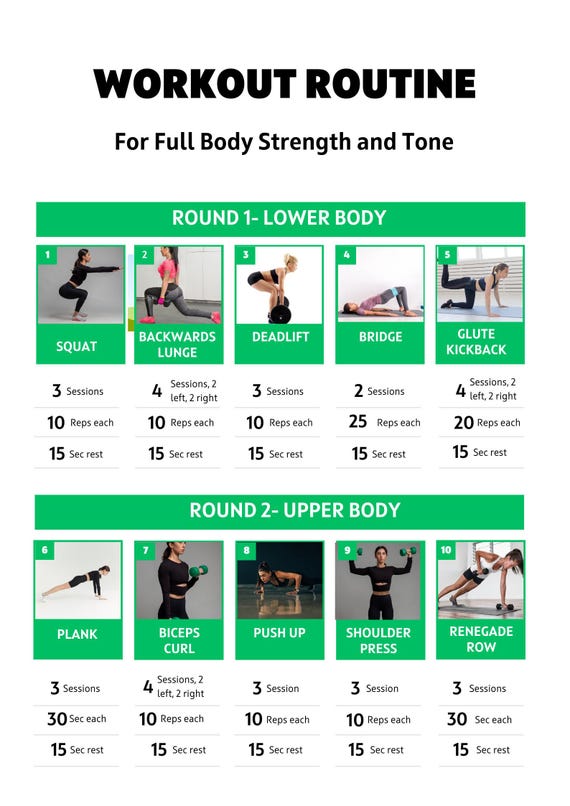
For example, a simple circuit could include 12 kettlebell swings, 10 dumbbell shoulder presses, and 15 goblet squats. Repeat this 3-4 times with short rests. Have you noticed how circuits save time and keep workouts exciting?
Credit: www.etsy.com
Cardio Workouts At Home
Cardio workouts at home can be just as effective as those at the gym, and sometimes even more convenient. You don’t need fancy machines or a lot of space to get your heart pumping and burn calories. The key is to find routines that fit your space, your schedule, and your fitness level while keeping you motivated.
High-intensity Interval Training (hiit)
HIIT workouts are perfect if you want to maximize your time and effort. These involve short bursts of intense activity followed by brief rest periods. You can do exercises like jumping jacks, burpees, or mountain climbers in quick succession to boost your heart rate fast.
One thing I noticed when trying HIIT at home is how it keeps boredom away. Each round feels different because you switch moves frequently. Have you tried timing yourself to see how many rounds you can complete in 15 minutes?
Low-impact Cardio Options
If you’re dealing with joint pain or prefer something gentler, low-impact cardio is a great choice. Activities like walking in place, gentle step touches, or slow cycling on a stationary bike get your heart going without stressing your body. These are easy to mix into your daily routine and still improve endurance.
Try adding simple moves like side steps or toe taps while watching TV or taking phone calls. It’s a subtle way to stay active that doesn’t require much effort but adds up over time. What low-impact moves do you enjoy that don’t feel like exercise?
Jump Rope And Bodyweight Cardio
Jumping rope is one of the most effective cardio exercises you can do at home. It’s inexpensive, space-friendly, and works your entire body. Plus, it’s easy to track progress by counting jumps or timing rounds.
Combine jump rope with bodyweight cardio like squats, lunges, or high knees to create a varied and challenging workout. This mix keeps your routine fresh and targets different muscle groups. How long can you jump rope without stopping, and what’s your favorite bodyweight move to pair it with?
Tracking Progress And Staying Motivated
Tracking progress and staying motivated are key to success in any home gym workout routine. Seeing improvements keeps energy high and helps push through tough days. Motivation fades without clear signs of growth. Monitoring changes helps adjust workouts and reach goals faster.
Using Fitness Apps
Fitness apps make tracking easy and fun. They record workouts, sets, reps, and weights. Some apps offer video guides and reminders. Visual charts show progress over days or weeks. Apps help set personal records and share achievements. Using apps reduces guesswork and keeps workouts organized.
Setting Milestones
Milestones give clear targets to aim for. Break big goals into small, achievable steps. Celebrate reaching each milestone to boost confidence. Examples include increasing weight, running longer, or doing more reps. Milestones make progress visible and create a sense of accomplishment.
Maintaining Consistency
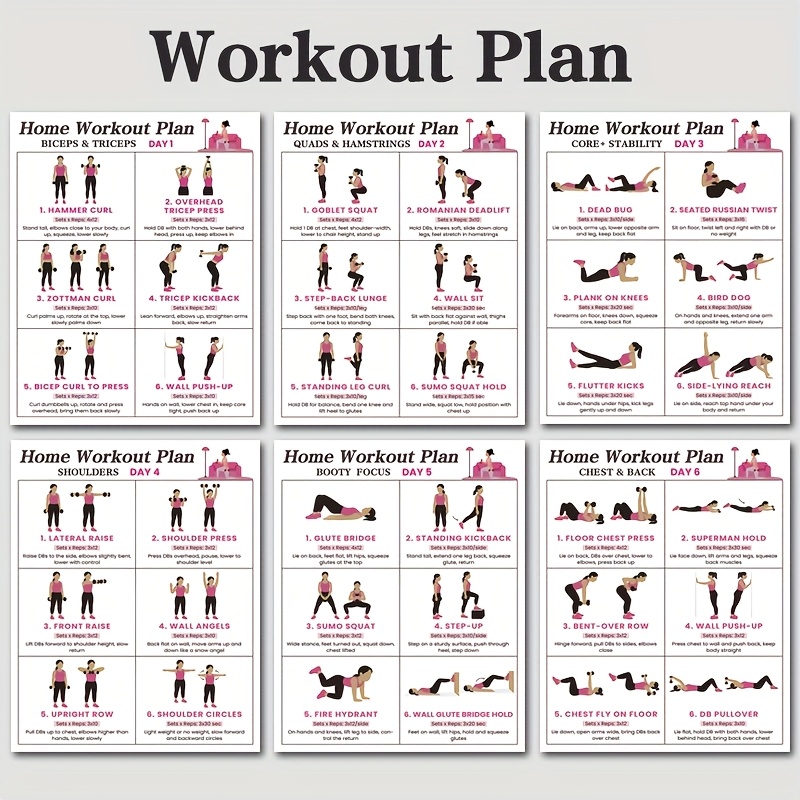
Consistency builds habits and improves results. Set a regular workout schedule and stick to it. Short, daily sessions work better than occasional long workouts. Keep workouts varied to avoid boredom. Track workouts to see streaks and keep momentum going.
Credit: www.temu.com
Nutrition Tips For Faster Results
Nutrition plays a huge role in speeding up your progress with a home gym workout routine. You can exercise hard, but without the right fuel, your muscles won’t recover quickly, and your energy will lag. What you eat and drink directly impacts how fast you see results.
Balanced Meal Planning
Focus on meals that combine protein, healthy fats, and complex carbs to keep your energy steady and muscles growing. Think grilled chicken with quinoa and steamed veggies or a smoothie with Greek yogurt, berries, and spinach. Planning your meals ahead helps you avoid grabbing unhealthy snacks that slow your progress.
Try to eat every 3-4 hours to keep your metabolism active. Protein is key—aim for sources like eggs, fish, beans, or lean meats in every meal. Don’t forget colorful vegetables; they provide essential vitamins that your body needs to repair itself after workouts.
Hydration Strategies
Drinking enough water is just as important as what you eat. Water helps transport nutrients to your muscles and flushes out toxins. If you feel tired or sluggish during your workout, ask yourself: Have you had enough water today?
- Start your day with a glass of water before breakfast.
- Keep a water bottle nearby during workouts and sip regularly.
- Include hydrating foods like cucumbers, watermelon, and oranges in your diet.
Supplements To Consider
Supplements aren’t magic, but they can fill gaps in your nutrition. Protein powder is a quick way to boost your intake after workouts, especially if you’re short on time. Creatine can help increase strength and muscle mass when combined with consistent training.
Omega-3 supplements support joint health, which is crucial if you’re pushing hard in your home workouts. Before adding supplements, ask yourself if your diet already covers these nutrients. If not, a simple multivitamin might be a good start.
Frequently Asked Questions
What Is The Best Home Gym Workout Routine For Beginners?
A beginner should start with full-body workouts using bodyweight or light weights. Focus on compound exercises like squats, push-ups, and lunges. Gradually increase intensity and reps. Consistency and proper form are key to build strength and avoid injuries at home.
How Often Should I Do A Home Gym Workout Routine?
Aim for 3 to 5 workout sessions per week. Allow at least one rest day between intense workouts. Consistency helps build muscle and improve endurance. Adjust frequency based on your fitness level and recovery needs. Balance exercise with proper rest for best results.
What Equipment Do I Need For A Home Gym Workout Routine?
Basic equipment includes dumbbells, resistance bands, a yoga mat, and a stability ball. These tools support a wide range of exercises. You can start without equipment using bodyweight exercises. Gradually add gear based on your workout goals and space.
How Can I Stay Motivated With A Home Gym Workout Routine?
Set clear, achievable goals and track your progress regularly. Mix workouts to avoid boredom and keep challenging yourself. Create a dedicated workout space and schedule sessions like appointments. Celebrate small wins to maintain motivation and build a lasting habit.
Conclusion
Creating a home gym routine helps you stay fit and healthy. It saves time and fits your schedule easily. Small steps lead to big changes in strength and energy. Consistency matters more than intensity or fancy equipment. Keep your goals clear and workout regularly.
Enjoy the comfort of training at home. This routine supports a balanced and active lifestyle. Start today and feel the positive difference soon.







