
Are you ready to transform your fitness routine and achieve the body of your dreams? If you’re looking for a workout plan that fits seamlessly into your busy life while delivering powerful results, you’ve come to the right place.
A full body workout routine designed specifically for women can be your secret weapon to not only building strength and endurance but also boosting your confidence and energy levels. Imagine having a workout plan that targets every muscle group efficiently, allowing you to maximize your efforts in minimal time.
This isn’t just about exercise; it’s about empowering you to take charge of your health and well-being. Let’s dive into a world where fitness is not a chore but an exciting, life-enhancing experience. Ready to discover how? Keep reading to unlock the secrets of an effective full body workout routine tailored just for you.
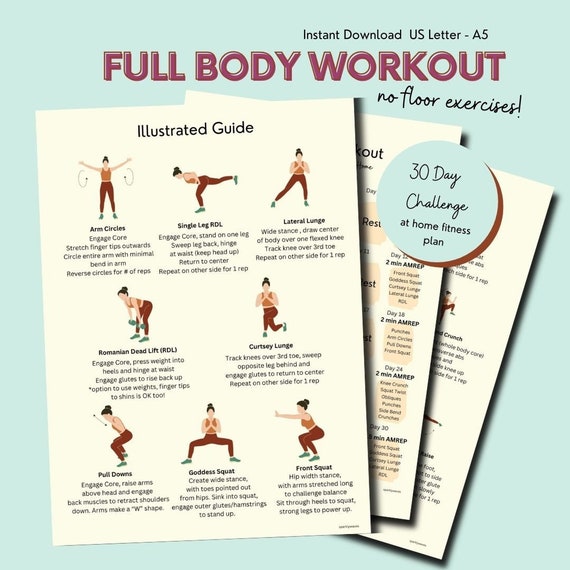
Credit: www.etsy.com
Benefits Of Full Body Workouts
Full body workouts offer many benefits for women. These routines work all major muscle groups in one session. This approach helps improve overall fitness quickly and effectively.
Full body workouts increase calorie burn both during and after exercise. They promote strength, endurance, and better muscle definition. Women can achieve great results without spending hours at the gym.
Boosting Metabolism
Full body workouts raise your heart rate and keep it high. This boosts metabolism, helping your body burn more calories. A faster metabolism supports weight management and fat loss. It also improves energy levels throughout the day.
Enhancing Muscle Tone
Working multiple muscle groups tones the entire body. Full body routines build lean muscle evenly and naturally. This creates a balanced, sculpted look without bulkiness. Muscle tone improves posture and reduces injury risk.
Saving Time With Efficient Training
Full body workouts target many muscles in one session. This saves time compared to split routines. You can train effectively 3 times a week and still see progress. Efficient workouts fit well into busy schedules.
Credit: www.lemon8-app.com
Key Exercises For Toning
Toning your body through a full body workout means focusing on exercises that engage multiple muscles effectively. Choosing the right moves can make a big difference in how your muscles shape up and how strong you feel. Below are key exercises that target major muscle groups and help you build lean muscle with definition.
Squats And Lunges
Squats and lunges are essential for shaping your legs and glutes. They work your thighs, hips, and buttocks, improving your lower body strength and balance. Try adding weights like dumbbells to increase resistance and challenge your muscles further.
Have you noticed how these moves also improve your posture and stability? They engage your core naturally, making them a double win for toning and overall fitness.
Push-ups And Planks
Push-ups target your chest, shoulders, and triceps while also engaging your core. They help build upper body strength and muscle tone without needing any equipment. If regular push-ups feel tough, start with modified versions on your knees and gradually build up.
Planks are fantastic for your core muscles and also strengthen your back and shoulders. Holding a plank challenges your endurance and improves muscle definition over time. How long can you hold a plank right now? Tracking your progress can keep you motivated.
Deadlifts And Rows
Deadlifts work your hamstrings, glutes, lower back, and core, making them great for full body toning. Proper form is crucial here to avoid injury, so start with lighter weights and focus on technique. Rows complement deadlifts by targeting your upper back and biceps.
These pulling movements balance out pushing exercises like push-ups, creating symmetry in your muscle development. Including both can help you avoid muscle imbalances that cause pain or poor posture.
Core Strength Moves
Strong core muscles support every movement you make, from lifting to bending. Add exercises like bicycle crunches, leg raises, and Russian twists to your routine for a well-rounded core workout. These moves target your abs and obliques, helping you achieve a toned midsection.
Core strength also improves your daily life activities and reduces the risk of injury. What core exercises do you enjoy? Mixing up your routine keeps your muscles guessing and prevents boredom.
Designing Your Workout Plan
Designing a full body workout plan helps create a balanced and effective routine. The plan must fit personal goals, fitness level, and schedule. Thoughtful planning prevents injury and keeps motivation high. Focus on key elements like workout frequency, intensity, and safe progression.
Choosing The Right Frequency
Workouts should happen often enough to build strength and endurance. For most women, three to four sessions per week work well. This schedule allows the body to recover between workouts. Consistency is more important than long sessions. Short, regular workouts lead to better results.
Balancing Intensity And Rest
Exercise intensity varies from light to vigorous. Mix strength training with cardio for a full body challenge. Rest days are necessary to repair muscles and avoid burnout. Listen to your body’s signals for fatigue or soreness. Proper rest improves performance and reduces injury risk.
Progressing Safely
Start with light weights or bodyweight exercises. Gradually increase weight, reps, or workout time. Avoid sudden jumps in intensity or duration. Track progress with a journal or app to stay motivated. Safe progression builds strength steadily and keeps workouts enjoyable.
Credit: exquisitemag.com
Equipment And Alternatives
Choosing the right equipment shapes your full body workout routine. Equipment adds resistance and variety to exercises. Alternatives let you stay active without special tools. Understanding options helps you create a plan that fits your space and budget.
Using Dumbbells And Bands
Dumbbells build strength and tone muscles effectively. They come in many weights for gradual progress. Resistance bands offer a lightweight, portable way to add tension. Bands vary in resistance levels to match your strength. Both tools target arms, legs, and core with ease.
- Dumbbells improve muscle balance and coordination.
- Bands increase muscle activation through constant tension.
- Use bands for stretching and warm-up exercises.
- Dumbbells suit exercises like curls, presses, and squats.
Bodyweight Options
Bodyweight exercises require no equipment, perfect for beginners or home workouts. Movements like squats, lunges, and push-ups engage multiple muscle groups. They improve strength, flexibility, and endurance naturally. Adjust difficulty by changing speed, reps, or adding holds.
- Push-ups strengthen chest, shoulders, and triceps.
- Squats target the thighs, hips, and glutes.
- Planks build core stability and improve posture.
- Lunges enhance balance and leg strength.
Home Vs Gym Setups
Home workouts offer flexibility and privacy. Small spaces work well with bands and bodyweight exercises. Basic dumbbells fit easily in most homes. Gyms provide a wider range of machines and heavier weights. Access to trainers can improve form and motivation.
| Aspect | Home Workout | Gym Workout |
|---|---|---|
| Equipment Variety | Limited to basic tools | Extensive machines and weights |
| Cost | One-time purchase | Monthly fees |
| Convenience | Anytime, no travel | Scheduled hours, travel needed |
| Support | Self-guided | Trainers and classes |
Nutrition Tips For Faster Toning
Nutrition plays a key role in achieving faster toning results. Eating the right foods helps your muscles recover and grow stronger. Fueling your body properly supports energy levels and workout performance. Small changes in diet can make a big difference in how your body shapes up.
Protein For Muscle Repair
Protein helps rebuild muscles after exercise. It repairs tiny muscle tears that happen during workouts. Choose lean sources like chicken, fish, eggs, and beans. Aim for a source of protein in every meal. This supports muscle growth and faster toning.
Hydration And Energy
Water keeps your body working well during workouts. Staying hydrated improves muscle function and energy levels. Drink water before, during, and after exercise. Avoid sugary drinks that cause energy crashes. Proper hydration helps muscles recover and reduces fatigue.
Meal Timing Strategies
Eating at the right times boosts workout results. Have a balanced meal 1 to 2 hours before training. Include carbs and protein for energy and muscle support. After exercise, eat protein and carbs within 30 minutes. This helps muscles recover faster and reduces soreness.
Common Mistakes To Avoid
When you start a full body workout routine, avoiding common mistakes can make all the difference in your progress and safety. These errors can slow your results or even cause injury. Paying attention to how you train and recover helps you stay consistent and motivated.
Overtraining Risks
Pushing yourself too hard without enough rest can lead to overtraining. This often results in fatigue, muscle soreness that doesn’t go away, and even a drop in performance. I once thought more was better and ended up feeling drained for days, which set me back a week.
Listen to your body. If you feel constantly tired or notice your workouts are getting harder, it might be time to take a break or reduce the intensity. Recovery days are just as important as workout days.
Ignoring Form And Technique
Proper form is key to getting results and avoiding injury. Skipping focus on technique might seem like a shortcut, but it often leads to strain or pain, especially in joints and lower back. I’ve seen beginners struggle with squats because they didn’t keep their knees aligned, which caused knee pain.
Take the time to learn and practice the correct movements. Use mirrors, ask for feedback, or even record yourself. Small adjustments can make a big difference in how effective and safe your workout is.
Skipping Warm-ups And Cool-downs
Warm-ups prepare your muscles and joints for exercise, reducing the risk of injury. Cool-downs help your body recover and decrease muscle soreness. Skipping these steps might save time but often leads to stiffness or cramps later.
Try simple dynamic stretches before your workout and gentle stretches after. These few minutes can improve your flexibility and help your body bounce back faster. Have you noticed how a quick warm-up changes your workout performance?
Tracking Progress And Staying Motivated
Tracking your progress and staying motivated are key to making your full body workout routine effective and enjoyable. Without clear markers of improvement, it’s easy to lose sight of your achievements. Keeping an eye on your journey helps you push through plateaus and maintain enthusiasm.
Setting Realistic Goals
Setting goals that match your current fitness level keeps you focused and prevents frustration. Instead of aiming to lift double your weight in a month, start with achievable targets like increasing reps or improving your form.
Have you considered breaking your big goals into smaller weekly or monthly steps? This approach makes progress visible and keeps your motivation high.
Using Fitness Apps
Fitness apps can make tracking your workouts simple and fun. They let you log exercises, track weights, reps, and even monitor your heart rate or calories burned.
Some apps offer reminders and motivational messages that keep you accountable. Have you tried using an app to see how it changes your workout consistency?
Celebrating Milestones
Recognizing your achievements, no matter how small, fuels your drive to keep going. Whether you add 5 more pounds to your squat or complete an extra set, take a moment to celebrate.
Reward yourself with something meaningful—a new workout outfit, a relaxing day, or a healthy treat. What small wins have you celebrated lately that pushed you to work harder?
Frequently Asked Questions
What Are The Benefits Of A Full Body Workout Routine For Women?
A full body workout improves strength, flexibility, and endurance. It boosts metabolism and promotes fat loss. It also saves time by targeting all muscle groups in one session. This routine enhances overall fitness and supports a balanced, healthy lifestyle.
How Often Should Women Do A Full Body Workout Routine?
Women should aim for 3 to 4 full body workouts per week. This frequency allows adequate recovery while maximizing muscle growth and fat burning. Consistency is key to seeing results and avoiding injury. Rest days are important for muscle repair.
What Exercises Are Best For A Full Body Workout For Women?
Compound exercises like squats, deadlifts, push-ups, and rows work multiple muscles. Adding lunges, planks, and kettlebell swings improves strength and balance. These exercises target major muscle groups efficiently, promoting overall fitness and toning.
Can Full Body Workouts Help Women Lose Weight Effectively?
Yes, full body workouts burn calories and increase metabolism. They build lean muscle, which boosts fat loss even at rest. Combined with a healthy diet, this routine supports sustainable weight loss and improved body composition.
Conclusion
A full body workout helps build strength and burn calories. It saves time and works many muscles at once. You can do it at home or the gym. Stay consistent and listen to your body’s needs. Rest and good food support your progress.
Small steps lead to big changes over time. Keep moving, and enjoy the journey to better health.







