
Are you looking for a simple, effective way to get fit without leaving your house? A home calisthenics gym might be exactly what you need.
Imagine having the freedom to work out whenever you want, using just your body weight and a few easy tools. No crowded gyms, no expensive machines—just you and your space. You’ll discover how to set up your own home calisthenics gym, the key exercises to get started, and tips to stay motivated.
Ready to transform your fitness routine? Let’s dive in.
Benefits Of A Home Calisthenics Gym
Setting up a home calisthenics gym brings a range of benefits that can transform your fitness routine. It allows you to build strength, flexibility, and endurance without leaving your living space. Let’s dive into why having your own calisthenics setup at home makes a real difference.
Cost Efficiency
One of the biggest advantages is saving money. Gym memberships can add up quickly, especially with hidden fees or travel expenses. Investing in basic calisthenics equipment like resistance bands, pull-up bars, or parallettes is a one-time cost that pays off over time.
Additionally, you avoid paying for classes or personal trainers if you prefer self-guided workouts. Think about how much you spend monthly on fitness—could that money be better used to upgrade your home gym equipment?
Convenience And Flexibility
Having a home gym means you can work out whenever you want, without worrying about gym hours or crowded spaces. It’s easier to fit short sessions into your day, whether early morning or late at night. This flexibility keeps you consistent and motivated.
Imagine not needing to plan your schedule around travel time to a gym. You can quickly switch between exercises or rest when you need it. This freedom encourages you to listen to your body and workout smarter.
Personalized Workout Space
Your home gym can reflect your unique fitness goals and style. You decide what equipment to include, how to arrange it, and the atmosphere you want. This customization helps you feel more comfortable and inspired during workouts.
Adding personal touches like music, lighting, or motivational posters can boost your energy. Have you ever noticed how a familiar space makes it easier to focus and push yourself harder? Creating a dedicated area signals your commitment and helps build a lasting habit.
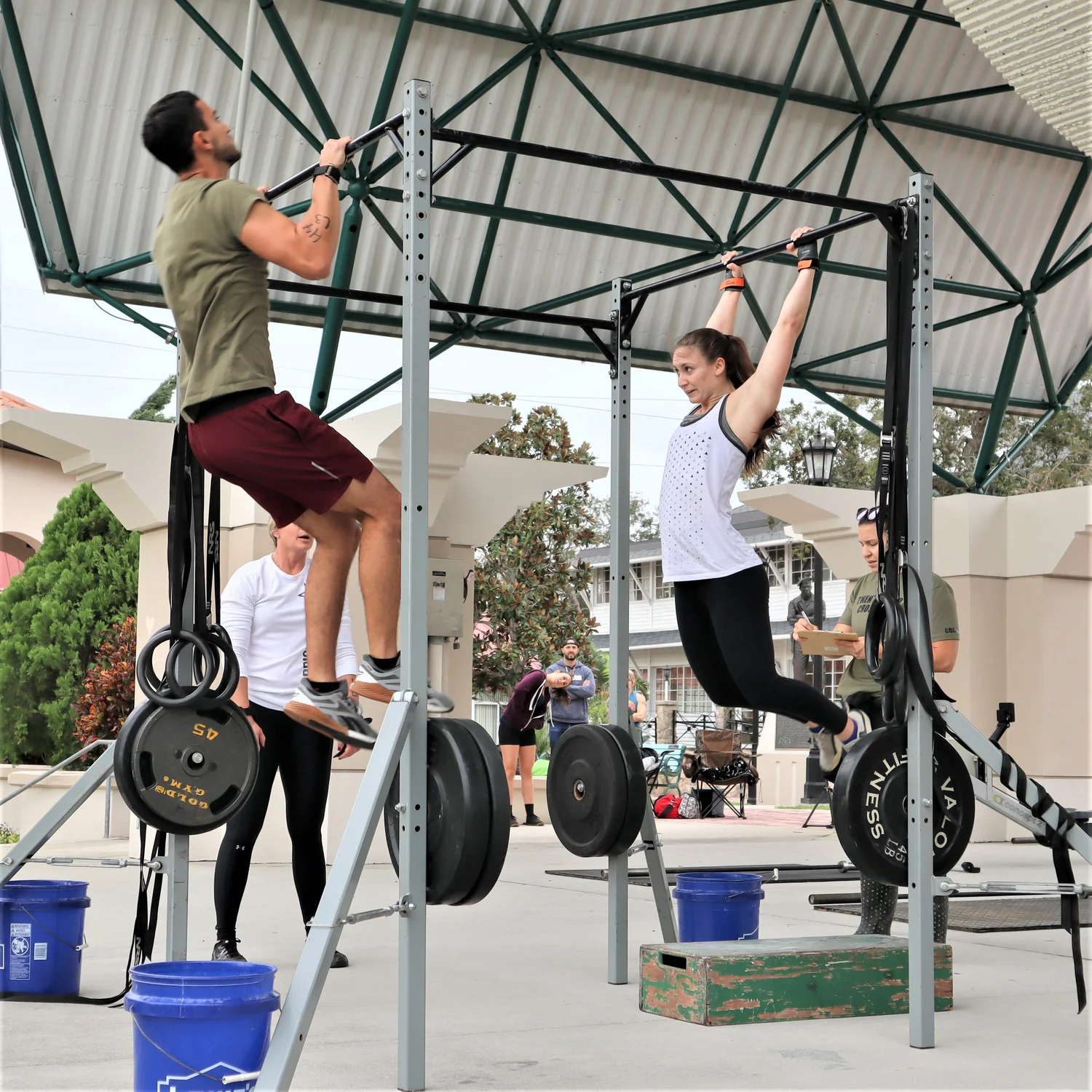
Credit: www.fitbarstrong.com
Essential Equipment For Home Calisthenics
A sturdy pull-up bar and resistance bands create a solid foundation for home calisthenics. A yoga mat adds comfort for floor exercises and stretching. These simple tools support varied workouts and help build strength effectively.
Creating a home calisthenics gym is a practical and budget-friendly way to stay fit without the need for a gym membership. To maximize your workouts, it’s essential to equip your space with a few key pieces of equipment. These tools are not just for fitness enthusiasts; they are versatile and suitable for all fitness levels, allowing you to build strength, flexibility, and endurance right at home.Pull-up Bars
Pull-up bars are a staple for any calisthenics gym. They are perfect for strengthening your upper body. You can install a doorway pull-up bar, which is both affordable and easy to set up. Try challenging yourself with different grip positions. This will engage various muscles, providing a more comprehensive workout. Imagine the satisfaction of mastering your first pull-up!Resistance Bands
Resistance bands are incredibly versatile and can be used for a wide range of exercises. They are great for adding resistance to your bodyweight exercises, enhancing muscle engagement. They come in various resistance levels, making them suitable for beginners and advanced users alike. Their portability means you can take your workout anywhere, even if you’re just stepping onto your balcony for some fresh air.Parallettes And Dip Bars
Parallettes and dip bars offer a unique way to work your upper body and core. They allow you to perform exercises like dips, L-sits, and planches. These tools are excellent for enhancing your balance and control. As you progress, you’ll notice a significant improvement in your strength and stability.Gymnastic Rings
Gymnastic rings might seem intimidating, but they are a fantastic addition to your calisthenics setup. They provide an unstable surface, forcing your muscles to work harder. Using rings can help improve your coordination and strength. Start with basic exercises, and you’ll soon find yourself tackling more advanced moves with confidence.Mats And Flooring
A good mat or flooring is essential for comfort and safety. It provides cushioning for your joints during exercises like push-ups and planks. Choose a non-slip mat to ensure stability while you work out. A quality mat can make your workout more enjoyable and help prevent injuries. Incorporating these essential pieces into your home gym can transform your fitness routine. Which piece of equipment will you start with, and how will it help you reach your fitness goals?Setting Up Your Workout Space
Creating a dedicated workout space at home can boost your motivation and consistency. Setting up an area that fits your needs and lifestyle helps you stay focused and enjoy your calisthenics routine. Let’s look at how you can design a space that works for you, no matter the size or layout of your home.
Choosing The Right Location
Pick a spot with enough room to move freely without feeling cramped. Natural light can improve your mood and energy, so near a window is ideal. Consider places like a spare room, garage, or even a clear corner in your living room.
Think about noise levels too. Can you work out without disturbing others or being disturbed? This will help you keep your focus and make your workouts more enjoyable.
Maximizing Small Spaces
Don’t let limited space hold you back. Use vertical storage like wall-mounted racks or shelves to keep equipment off the floor. Foldable mats and resistance bands can easily fit into drawers or under the bed.
Arrange your workout gear so everything is within arm’s reach. This keeps your flow going and reduces distractions. Ask yourself: how can you make the space more functional without overcrowding it?
Safety Considerations
Clear the area of any sharp objects, furniture edges, or slippery rugs. Make sure your floor provides good grip to prevent falls during dynamic moves. If you use equipment, check that it is secure and in good condition before every session.
Good ventilation is also key. You want fresh air circulating to keep your energy high and avoid overheating. Remember, your workout space should protect you from injury, not create risks.
Core Calisthenics Exercises To Build Strength
Building core strength through calisthenics at home can transform your fitness routine without needing fancy equipment. These exercises target multiple muscle groups, improving your balance, posture, and overall power. Are you ready to challenge your body and see real progress?
Push-up Variations
Push-ups are a classic for a reason—they work your chest, shoulders, triceps, and core all at once. Try different variations like diamond push-ups to hit your triceps harder or decline push-ups to emphasize your upper chest. Changing hand positions not only keeps workouts fresh but also activates muscles you might normally neglect.
Pull-ups And Chin-ups
Pull-ups and chin-ups are excellent for building upper body and core strength. If you don’t have a pull-up bar, a sturdy door frame or a tree branch outdoors works well. Focus on controlled movements—lower yourself slowly to maximize muscle engagement and avoid injury.
Squats And Lunges
Squats and lunges are foundational for leg strength, but they also demand core stability. Experiment with jump squats or walking lunges to add a cardio element. Pay attention to your form; tight abs and an upright torso will help you balance better and prevent strain.
Planks And Core Workouts
Planks are simple but powerful for building core endurance. Challenge yourself by holding a plank for longer or trying side planks to target obliques. Adding leg lifts or arm reaches during planks forces your core to work even harder—do you feel your body shaking yet?
Dips And Muscle-ups
Dips strengthen your triceps, shoulders, and chest, and they require no more than parallel bars or even two sturdy chairs. Muscle-ups combine pull-ups and dips for a full upper body workout but take practice. Start slow, master each component, and watch your strength soar.
Creating Effective Workout Routines
Creating effective workout routines at your home calisthenics gym means focusing on structure and progression. Tailoring your exercises to match your current fitness level helps you stay motivated and avoid injury. The key is to build routines that challenge you just enough to improve steadily without overwhelming your body.
Beginner Programs
Starting out, you want simple exercises that build a solid foundation. Focus on movements like bodyweight squats, knee push-ups, and planks. These help you develop strength and control without putting too much strain on your muscles.
Keep your sessions short—about 20 to 30 minutes—and aim for 2 to 3 workouts per week. This frequency gives your body time to recover while you establish a consistent habit. How does your body feel after the first few sessions? Adjust your intensity based on that feedback.
Intermediate Challenges
Once the basics become easier, it’s time to add complexity and volume. Include exercises such as full push-ups, lunges, and dips using a sturdy chair or parallel bars. Increasing the reps and sets challenges your muscles to grow stronger.
Try mixing circuit-style workouts to keep your heart rate up and improve endurance. For example:
- 15 push-ups
- 20 walking lunges
- 30-second plank
- Repeat 3 times
Feel your energy during these circuits—are you pushing yourself hard enough without burning out?
Advanced Training Plans
Advanced routines include dynamic and explosive movements that demand control and strength. Incorporate exercises like pistol squats, muscle-ups, and handstand holds. These require balance, coordination, and significant upper and lower body strength.
Structure your sessions with focused skill training plus strength sets. For example, spend 10 minutes practicing handstands, then move into weighted pull-ups or one-arm push-ups. This approach keeps your workouts varied and targets multiple muscle groups effectively.
Progressive Overload Techniques
To keep improving, you must consistently challenge your muscles beyond their current limits. Progressive overload means increasing difficulty gradually—whether by adding reps, sets, or new harder exercises.
You can also slow down your movements to increase time under tension or add pauses during exercises. For example, try a 3-second descent in a squat instead of a quick drop. How can you tweak your current routine to push your limits without risking injury?

Credit: www.youtube.com
Nutrition Tips To Support Strength Gains
Building strength at your home calisthenics gym isn’t just about the reps and sets you perform. What you eat and how you fuel your body plays a huge role in how much strength you can gain. Paying attention to your nutrition can make your workouts more effective and help you recover faster, allowing you to push harder each session.
Protein Intake
Protein is the building block of muscle. Aim to include a good source of protein in every meal to help repair and build your muscles after calisthenics workouts.
Good options include lean meats, eggs, dairy, legumes, and plant-based proteins like tofu or tempeh. If you struggle to meet your protein needs through food alone, a protein shake can be a convenient solution.
How much protein you need depends on your weight and workout intensity, but a general guideline is about 1.6 to 2.2 grams of protein per kilogram of body weight daily.
Hydration
Staying hydrated is often overlooked, but it’s essential for strength gains. Water helps transport nutrients to your muscles and removes waste products.
Drink water steadily throughout the day, not just during workouts. Adding electrolytes can help if you sweat a lot or train intensely.
Have you noticed a drop in your performance on days you don’t drink enough water? This simple habit can be a game changer.
Meal Timing
Eating at the right times can boost your strength and recovery. Try to have a balanced meal 1 to 2 hours before your workout to fuel your session.
After training, aim for a meal or snack with protein and carbs within 30 to 60 minutes to jumpstart muscle repair. This doesn’t mean you need a fancy post-workout shake; a simple yogurt with fruit or a chicken sandwich works well.
Experiment with timing to see what helps you feel strongest and recover quickest.
Supplements For Strength
Supplements can support your nutrition, but they don’t replace real food. Creatine is one of the most researched supplements and can help increase your strength and power output during calisthenics.
Other helpful supplements include beta-alanine for endurance and branched-chain amino acids (BCAAs) for muscle recovery. However, focus on a solid diet first before adding supplements.
Are you considering supplements? Make sure you understand their benefits and how they fit your personal goals and needs.
Tracking Progress And Staying Motivated
Tracking progress and staying motivated are key for success in a home calisthenics gym. Seeing improvement keeps the energy high. Without tracking, it’s easy to lose focus or feel stuck. Motivation grows when goals feel achievable and progress is clear. Simple tools and clear plans help maintain steady growth. Support and community add extra encouragement.
Using Workout Logs
Workout logs record exercises, reps, and sets. Writing down details shows what works well. It helps spot patterns and areas to improve. Logs also remind you of past achievements. Tracking feels rewarding and pushes you to try harder. Use a notebook, app, or spreadsheet to keep logs.
Setting Realistic Goals
Realistic goals keep motivation strong. Small, clear goals prevent feeling overwhelmed. Focus on what can be done each week. Goals like “do 10 push-ups” or “hold a plank for 30 seconds” work well. Celebrate reaching each goal. Adjust goals as strength and skills improve.
Overcoming Plateaus
Plateaus happen when progress slows down. This is normal in any workout plan. Change your routine by adding new exercises or increasing reps. Rest and recovery are important too. Plateaus teach patience and push creativity. Keep trying different moves and challenges.
Community And Support
Joining a group boosts motivation and learning. Share progress and challenges with others. Online forums, social media groups, or local clubs offer support. Encouragement from others keeps you accountable. Celebrate wins together and get advice when stuck. Community makes the home gym experience less lonely.
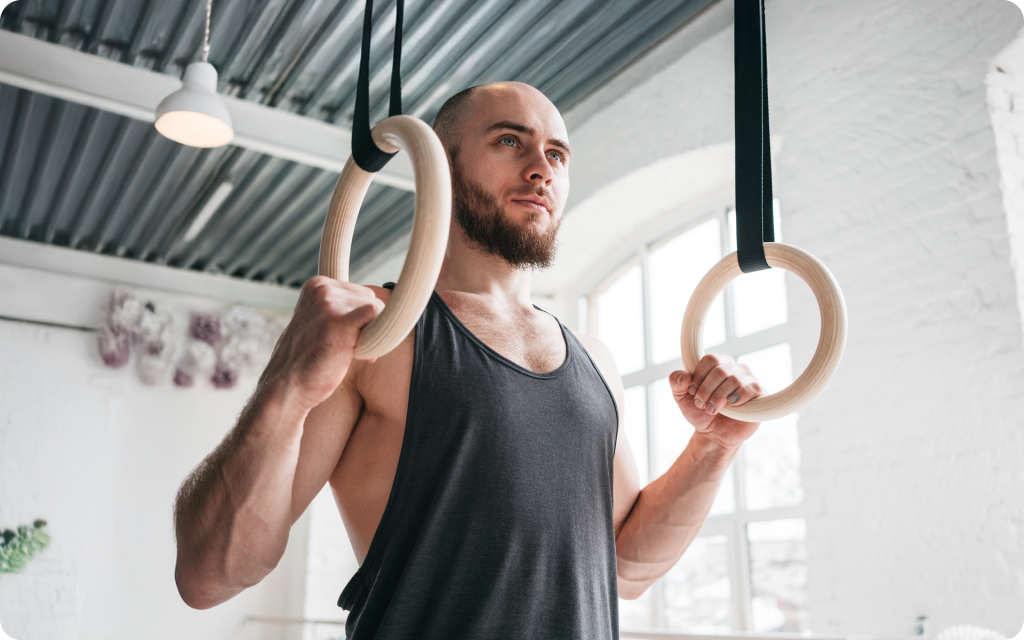
Credit: betterme.world
Common Mistakes To Avoid
Setting up a home calisthenics gym is a fantastic way to stay fit, but it’s easy to fall into habits that can slow your progress or even cause injury. Avoiding common mistakes can make your workouts more effective and safer. Let’s look at some pitfalls you should watch out for to get the most from your training.
Poor Form And Injuries
Using incorrect form is the fastest way to injure yourself and waste effort. I once rushed through pull-ups without focusing on my form and ended up with a shoulder strain that kept me sidelined for weeks.
Always pay attention to your body’s alignment and movement. Record yourself or use a mirror to check your form. Quality beats quantity every time.
Skipping Warm-ups
Skipping warm-ups might save time, but it increases your risk of injury and reduces workout effectiveness. Warm muscles perform better and recover faster.
Spend 5-10 minutes warming up with light cardio or dynamic stretches. Have you noticed how your performance improves after a good warm-up?
Neglecting Rest Days
Many people think working out every day is the key to progress, but neglecting rest days can lead to burnout and stalled gains. Your muscles need time to repair and grow stronger.
Schedule rest days or active recovery sessions. Listen to your body—are you feeling unusually tired or sore? That’s a sign you need a break.
Imbalanced Workouts
Focusing too much on certain muscle groups while ignoring others creates imbalances that affect posture and increase injury risk. For example, overworking your chest and neglecting your back can lead to rounded shoulders.
Design your routine to target all major muscle groups evenly. Ask yourself: Am I training push and pull muscles equally? Balance leads to better strength and appearance.
Frequently Asked Questions
What Equipment Is Essential For A Home Calisthenics Gym?
Essential equipment includes a pull-up bar, resistance bands, parallel bars, and a yoga mat. These tools support various bodyweight exercises, enhancing strength and flexibility effectively at home.
How Can I Start A Calisthenics Routine At Home?
Begin with basic exercises like push-ups, squats, and planks. Gradually increase intensity and reps to build strength and endurance safely without equipment.
What Are The Benefits Of A Home Calisthenics Gym?
Home calisthenics gyms save space and money. They improve strength, flexibility, and balance using minimal equipment and bodyweight exercises, convenient anytime.
How Much Space Is Needed For A Home Calisthenics Gym?
A small area of about 6×6 feet is sufficient. This space allows for effective workouts including stretching and bodyweight movements without clutter.
Conclusion
Building a home calisthenics gym saves time and money. You can exercise anytime, no gym needed. Bodyweight workouts improve strength, balance, and flexibility. Small space? No problem. Equipment like pull-up bars and mats fit easily. Start with simple moves and grow your routine.
Consistency is key to see real progress. Enjoy the freedom of working out at home. Stay active, healthy, and motivated every day. Your home gym can support your fitness goals well.







