
Are you ready to take control of your fitness without leaving your home or breaking the bank? Building a DIY home gym can be the game-changer you’ve been looking for.
Imagine having the freedom to work out whenever you want, in a space that’s all yours. In this guide, you’ll discover simple, smart ways to create a gym that fits your needs and budget perfectly. Keep reading, and you’ll learn how to turn your home into the ultimate fitness zone—no expensive memberships or crowded gyms required.

Credit: www.reddit.com
Choosing The Right Space
Choosing the right space for your DIY home gym is a crucial step that can make or break your workout routine. The location affects everything from the types of equipment you can use to your motivation to exercise regularly. Think about how each potential space fits your lifestyle and fitness goals before setting up.
Basement Vs Garage Vs Spare Room
Each space has its perks and challenges. Basements often offer privacy and cool temperatures, which can be great for intense workouts, but they might feel damp or dark.
Garages usually provide plenty of room and easy access to fresh air, but they may need insulation or heating for year-round comfort. Spare rooms can be cozy and convenient, especially if you want a quiet, dedicated spot, but space might be limited.
Ask yourself: Do you prefer a cooler, secluded workout area or a bright, open space that’s easy to access? Your answer will guide your choice.
Considering Ventilation And Lighting
Proper ventilation is essential to keep your gym fresh and prevent odors. Windows or vents that allow fresh air in can make your workouts more comfortable and energizing.
Lighting affects mood and safety. Natural light boosts your energy and keeps you alert, but if that’s not possible, invest in bright, adjustable lighting to avoid shadows on your equipment.
How does the space you’re considering make you feel? Bright and airy or stuffy and dim? That feeling can impact your motivation more than you realize.
Maximizing Small Areas
Don’t let a small space discourage you. With smart planning, even a tiny corner can become an effective workout zone.
- Use foldable or multi-functional equipment like adjustable dumbbells or resistance bands.
- Wall-mounted racks and shelves free up floor space and keep your gear organized.
- Mirrors can create an illusion of space and help with form during exercises.
What’s one piece of equipment you can’t live without? Finding compact versions of your favorites can make a small gym feel just right.
Essential Equipment Selection
Choosing the right equipment shapes your home gym’s effectiveness and safety. Focus on versatile, space-saving tools that fit your workout style and room size. Simple gear like dumbbells, resistance bands, and a mat offer great value for various exercises.
Creating a DIY home gym can be an exciting journey towards a healthier lifestyle. One of the most crucial steps in this process is selecting the right equipment. The right gear not only maximizes your workout efficiency but also keeps you motivated. Let’s dive into the must-have equipment that can transform your home space into a fitness haven.Cardio Machines
Cardio machines are a staple in any home gym setup. They elevate your heart rate and improve endurance. If space is limited, consider a compact treadmill or a foldable exercise bike. For a quieter option, an elliptical trainer offers a smooth workout without disturbing the household. You might also explore a rowing machine, which provides a full-body workout while boosting cardiovascular health.Strength Training Tools
Strength training is essential for building muscle and enhancing metabolism. A set of adjustable dumbbells can cater to various exercises without taking up much space. Resistance bands are another versatile option, perfect for targeting different muscle groups. If you have room, a power rack or a multi-gym station can offer comprehensive strength workouts right at home. Remember, the right tools can make strength training enjoyable and effective.Flexibility And Recovery Gear
Flexibility and recovery are often overlooked but are key to a balanced fitness routine. Incorporating yoga mats and foam rollers can aid in stretching and muscle recovery. A stability ball can enhance your core workouts and improve balance. Consider items like massage balls or a percussion massager to relieve muscle tension after intense sessions. Prioritizing flexibility and recovery ensures your body stays in peak condition, ready for the next workout. When selecting equipment, consider your fitness goals and available space. How will you shape your home gym to fit your needs?Budget-friendly Gym Setup
Creating a home gym on a budget is possible with smart choices. Focus on essentials and use creative solutions. This approach saves money without sacrificing quality or workout variety.
Many people think a gym needs expensive machines. You can achieve great results with simple tools and some DIY effort.
Buying Used Vs New Equipment
Used gym gear often costs less than new items. Check local sales or online markets for deals. Inspect items carefully for wear or damage. Some used equipment works as well as new.
New equipment comes with warranties and the latest features. It may last longer but costs more. Balance your budget with your needs and preferences.
Diy Equipment Ideas
DIY gear can cut costs and add fun to workouts. Use household items to create weights, like filling water bottles with sand. Build a sturdy wooden bench for exercises. Resistance bands can be made from old bike inner tubes.
- Make a pull-up bar from sturdy pipes
- Create a medicine ball using a basketball and sand
- Use a backpack filled with books for weighted squats
These ideas keep expenses low and encourage creativity.
Prioritizing Must-have Items
Focus on equipment that works multiple muscles. Dumbbells or adjustable weights fit this need. A yoga mat is useful for stretching and floor exercises. Resistance bands offer many workout options and take little space.
Skip items that are expensive and used rarely. Build your gym slowly, adding gear as you progress. Prioritize quality for items you use often.
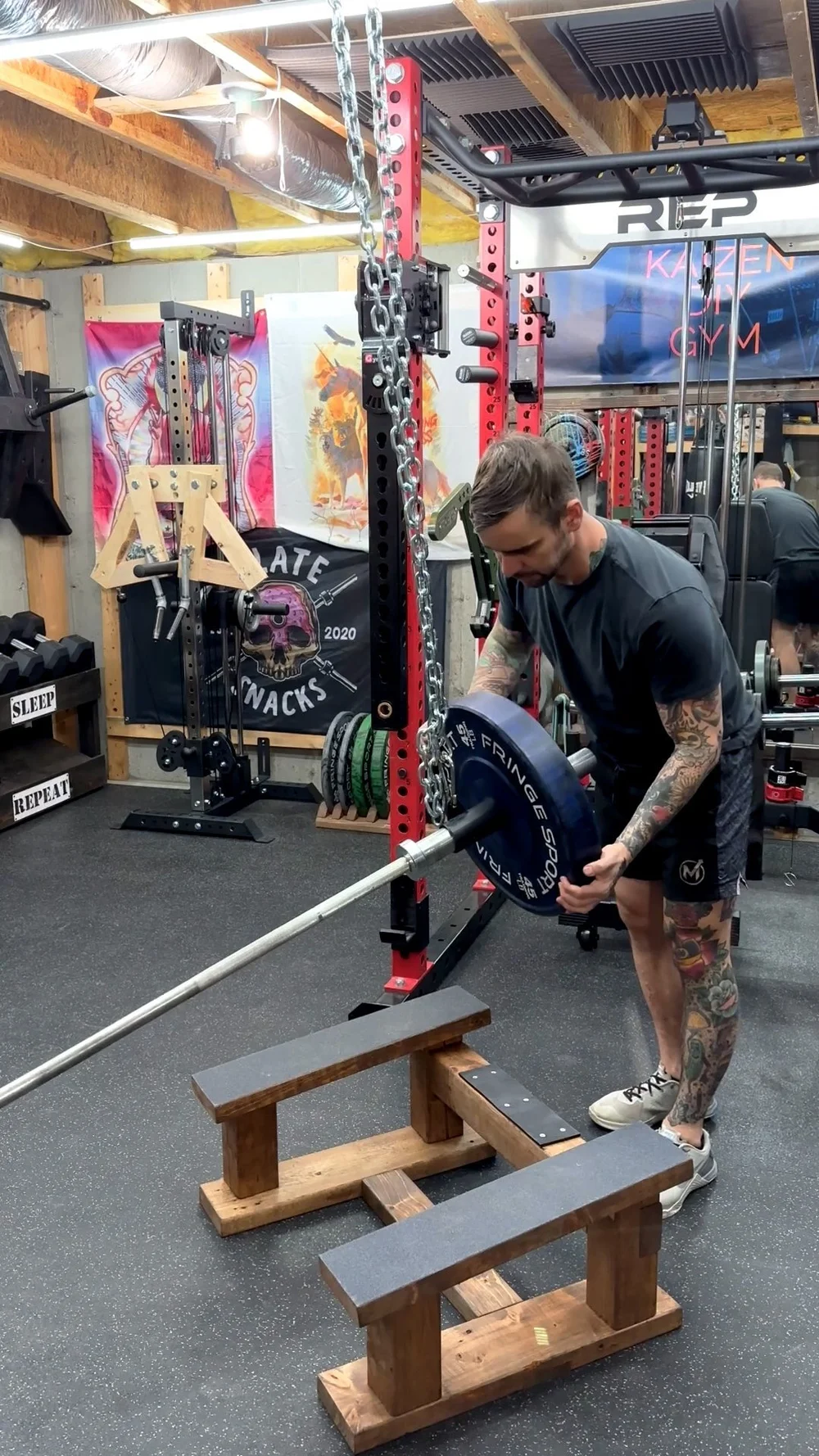
Credit: www.kaizendiygym.com
Flooring And Safety
Choosing the right flooring for your DIY home gym is key to safety and comfort. Proper flooring protects your joints and reduces the risk of injury. It also helps manage noise and keeps your workout space clean and organized.
Types Of Gym Flooring
- Rubber mats: Durable, slip-resistant, and easy to clean.
- Foam tiles: Soft, lightweight, and good for light workouts.
- Vinyl flooring: Waterproof and low maintenance.
- Carpet tiles: Provide warmth and some cushioning but less durable.
Each option suits different workout styles and budgets. Rubber mats work well for heavy lifting. Foam tiles are great for yoga and stretching.
Shock Absorption And Noise Reduction
Good flooring cushions your body from hard impacts. It reduces strain on your knees and ankles during exercises. Proper shock absorption also protects your floor beneath the gym area.
Noise reduction is important to avoid disturbing others. Rubber and foam materials absorb sound better than hard surfaces. This keeps your home gym quieter and more pleasant.
Preventing Injuries
- Choose non-slip flooring to avoid falls.
- Ensure the surface is even and stable.
- Use mats under heavy equipment to prevent damage.
- Keep the floor clean and dry.
Safe flooring lowers the chance of accidents. It helps maintain balance during workouts. Focus on creating a secure space for every exercise.
Storage And Organization
Creating a DIY home gym means more than just picking the right equipment. Storage and organization play a key role in making your space functional and inviting. A tidy gym helps you stay focused and motivated. It also protects your gear and maximizes the area.
Space-saving Solutions
Use vertical storage to keep items off the floor. Wall-mounted racks and shelves hold weights, bands, and small tools. Foldable benches and collapsible equipment save room when not in use. Hooks and pegboards organize jump ropes and resistance bands. Choose stackable bins or containers for loose items. These ideas keep your gym neat without crowding.
Keeping Equipment Accessible
Arrange frequently used gear within easy reach. Place dumbbells and kettlebells on open racks. Store yoga mats rolled up in a corner or on a rack. Keep towels and water bottles nearby for convenience. Label containers for quick identification. Clear visibility helps you find what you need fast and start your workout without delay.
Maintaining A Clutter-free Zone
Make cleaning part of your routine to prevent mess build-up. Return equipment to its place after every use. Avoid buying duplicates by tracking what you own. Use baskets or bins to collect small items like gloves and straps. Maintain open floor space for safe movement and exercises. A clutter-free gym feels larger and more inviting.
Creating The Right Atmosphere
Creating the right atmosphere in a DIY home gym boosts your workout energy. A well-designed space makes exercise feel easier and more enjoyable. Small changes can make a big difference in your motivation and focus.
Lighting And Ambiance
Good lighting sets the mood and improves safety. Natural light helps keep you alert and energized. Use soft, warm lights for early morning or late-night sessions. Avoid harsh overhead lights that cause glare.
Consider adjustable lights to change brightness depending on your workout. LED strips add a modern touch and highlight gym zones. Mirrors reflect light and make the room feel larger.
Sound Systems And Entertainment
Music can push your workout harder and keep boredom away. Choose speakers that fill the room with clear sound. Wireless speakers offer flexibility and reduce clutter.
Create a playlist with upbeat songs or calming tunes for stretching. Add a screen or tablet stand to follow workout videos. Entertainment keeps your mind active and motivated.
Motivational Decor Ideas
Decor affects your mindset and energy levels during workouts. Use inspiring quotes framed on the walls. Bright colors like red or orange boost energy and focus.
Add plants to bring life and improve air quality. Keep the space tidy with storage for equipment. A clean gym feels inviting and helps maintain workout habits.
Maintaining Your Home Gym
Maintaining your home gym is key to keeping your workouts effective and enjoyable. A clean, organized space motivates you to exercise regularly. Plus, taking care of your equipment ensures it lasts longer and stays safe to use.
Cleaning And Equipment Care
Regular cleaning prevents sweat and dust buildup that can damage your gear. Wipe down machines and weights after each use with a damp cloth and mild cleaner. Avoid harsh chemicals that might wear out surfaces or padding.
Check cables, bolts, and moving parts weekly to catch wear early. Lubricate parts as needed to keep things running smoothly. Have you noticed how a little maintenance can make your workout feel smoother and more comfortable?
Tracking Progress
Keeping track of your workouts helps you stay motivated and see real results. Use a simple journal or app to log exercises, sets, reps, and weights. This habit can reveal patterns and show when it’s time to increase intensity.
Set small, measurable goals and celebrate when you hit them. Seeing your improvement on paper can push you through days when motivation dips. What’s one metric you could start tracking today to boost your progress?
Adapting The Space Over Time
Your fitness needs will evolve, and your home gym should too. Add or swap equipment as your goals change—for example, bring in resistance bands if you want more flexibility training. Rearrange your space occasionally to keep it fresh and functional.
Consider how your schedule and workout style shift over months. Does your current setup support your new routines? Making small adjustments can prevent boredom and keep your gym inviting.

Credit: www.reddit.com
Frequently Asked Questions
What Equipment Is Essential For A Diy Home Gym?
Basic equipment includes dumbbells, resistance bands, a yoga mat, and a stability ball. These items allow versatile workouts and fit small spaces. Start with these essentials to build strength, flexibility, and endurance at home.
How To Choose The Best Space For A Home Gym?
Select a well-ventilated, quiet area with enough room for movement. A spare room, garage, or basement works well. Ensure good lighting and easy access to power outlets for equipment.
How Much Does It Cost To Build A Diy Home Gym?
Costs vary based on equipment and space. Basic setups start around $200 to $500. Investing gradually in quality items helps manage expenses while creating a functional gym.
How To Stay Motivated Using A Home Gym?
Set clear fitness goals and create a workout schedule. Track progress and vary exercises to avoid boredom. Use music or workout apps for extra motivation.
Conclusion
Creating a DIY home gym saves money and fits your schedule. You control the space and choose your favorite gear. Small changes can make a big difference in your workouts. Staying active at home is easier than you think. Start simple, add equipment over time, and enjoy your progress.
A home gym helps build healthy habits every day. It brings fitness right to your door. Your health is worth the effort. Take the first step and create your own workout space today.







