
Are you ready to take your workouts to the next level? The right gym lifting equipment can make all the difference in building strength, improving your form, and reaching your fitness goals faster.
Whether you’re just starting out or looking to upgrade your home gym, knowing which tools to use—and how to use them—can transform your entire routine. You’ll discover the essential lifting equipment that will boost your performance and keep you motivated every step of the way.
Get ready to lift smarter and see real results!

Credit: www.ritfitsports.com
Types Of Gym Lifting Equipment
Gym lifting equipment comes in various types to fit different workout needs. Each type targets muscles in unique ways. Choosing the right equipment helps improve strength and form effectively.
Understanding these types makes your workout safer and more productive. Equipment varies from simple to complex designs, suitable for all skill levels. Here are the main types of gym lifting equipment.
Free Weights
Free weights include dumbbells, barbells, and kettlebells. They require balance and control during use. This helps improve muscle coordination and stability. Users can perform many exercises with free weights. They allow natural movement and engage multiple muscle groups.
Weight Machines
Weight machines guide your movement along a set path. They use pulleys and levers with adjustable weights. These machines are beginner-friendly and reduce injury risk. Machines isolate specific muscles for focused training. They help maintain proper form during workouts.
Resistance Bands
Resistance bands are elastic bands that create tension. They come in different thicknesses for varying resistance levels. Bands are portable and versatile for many exercises. They improve muscle strength and flexibility. Resistance bands also support rehabilitation and injury prevention.
Cable Machines
Cable machines use adjustable pulleys and cables for resistance. They offer a wide range of motion and exercise variety. This equipment works multiple muscles at once. Cable machines allow smooth, controlled movements. They are excellent for strength and functional training.

Credit: www.walmart.com
Benefits Of Using Lifting Equipment
Using gym lifting equipment offers many benefits for your body and workout routine. It helps target muscles more effectively and supports safe training. This equipment suits beginners and experienced lifters alike.
Proper lifting tools make workouts efficient and controlled. They allow you to focus on form and strength without risking injury. Regular use improves overall fitness and body shape.
Muscle Development
Lifting equipment helps isolate specific muscle groups. It allows for controlled movements that build muscle evenly. You can increase weights gradually for steady growth. This leads to stronger, well-defined muscles over time.
Improved Strength
Using weights and machines builds physical power. It trains muscles to handle heavier loads safely. Increased strength improves daily activities and athletic performance. Consistent training with equipment boosts endurance and energy.
Injury Prevention
Equipment supports correct posture during exercises. It reduces the risk of strain and muscle tears. Machines guide your motions, preventing unsafe angles or sudden movements. Strengthening muscles around joints also lowers injury chances.
Enhanced Flexibility
Many lifting machines allow a full range of motion. This helps stretch muscles and improve joint mobility. Flexibility reduces stiffness and improves muscle recovery. Regular use promotes better movement and reduces soreness.
Choosing The Right Equipment For Your Goals
Choosing the right gym lifting equipment is key to reaching your fitness goals. The right tools help you train safely and effectively. They match your strength, space, and budget. This makes workouts better and more enjoyable.
Identifying Fitness Goals
Start by defining what you want to achieve. Do you want to build muscle, gain strength, or lose weight? Different goals need different equipment. For muscle growth, focus on free weights like dumbbells and barbells. For strength, consider machines with adjustable resistance. For weight loss, lighter weights with more repetitions work well. Clear goals guide your choices.
Assessing Personal Strength Levels
Know your current strength before buying equipment. Choose weights and machines that fit your level. Equipment too heavy can cause injury. Too light will not challenge you. Start with moderate weights that allow good form. Gradually increase as you get stronger. This keeps progress steady and safe.
Considering Space And Budget
Measure your available workout space. Large machines need more room. Compact equipment suits small areas. Budget matters too. High-end machines cost more but last longer. Basic free weights are cheaper and flexible. Balance quality and price to find what fits best. Prioritize essentials before extras.
Proper Techniques For Safe Lifting
Using proper techniques for safe lifting protects your body from injury. It helps you get the best results from your workout. Learning these techniques is essential for everyone who lifts weights.
Correct Posture
Keep your back straight and shoulders back during every lift. Avoid rounding your spine or leaning too far forward. Stand with feet shoulder-width apart for better balance. Engage your core muscles to support your lower back. Proper posture reduces strain and improves lifting efficiency.
Breathing Techniques
Inhale before you lift and exhale as you push or pull the weight. Holding your breath can increase blood pressure and cause dizziness. Controlled breathing gives your muscles the oxygen they need. It also helps maintain focus and stability during lifts.
Gradual Weight Increase
Start with lighter weights to learn the correct form. Increase weight slowly to avoid muscle strain or injury. Give your body time to adapt to new loads. Consistent progress builds strength safely and effectively.
Common Mistakes To Avoid
- Using momentum instead of muscle strength
- Ignoring pain or discomfort during lifting
- Failing to warm up before starting
- Lifting weights that are too heavy
- Neglecting to use spotters for heavy lifts
Incorporating Lifting Equipment Into Your Routine
Adding gym lifting equipment to your workout can change how you build strength and improve your fitness. It offers variety and targets muscles more effectively than bodyweight exercises alone. But how do you make sure lifting fits well within your overall routine?
Creating A Balanced Workout Plan
Focus on hitting different muscle groups throughout the week to avoid overtraining one area. For example, dedicate days to legs, back, chest, and arms instead of working all muscles every session.
Include a mix of compound lifts like squats and deadlifts, along with isolation exercises such as bicep curls. This approach ensures you build strength and muscle evenly.
Have you considered how your daily activities influence which muscles need more attention? Tailor your plan to support your lifestyle and goals.
Frequency And Duration Of Workouts
Most people benefit from lifting weights 3 to 4 times a week, allowing muscles to recover between sessions. Each workout can last between 45 to 60 minutes, focusing on quality over quantity.
Listen to your body and adjust if you feel overly fatigued or sore. Rest days are just as important for progress as lifting days.
Think about your schedule: can you consistently commit to these sessions? Consistency beats intensity for long-term results.
Combining With Cardio And Flexibility Training
Strength training works best when balanced with cardio and flexibility exercises. Cardio improves heart health, while stretching or yoga enhances mobility and reduces injury risk.
Try adding 20-30 minutes of moderate cardio on non-lifting days or after your lifting session. Follow up with stretching routines focused on the muscles you trained.
How often do you stretch after workouts? Making it a habit can speed up recovery and improve your lifting performance over time.
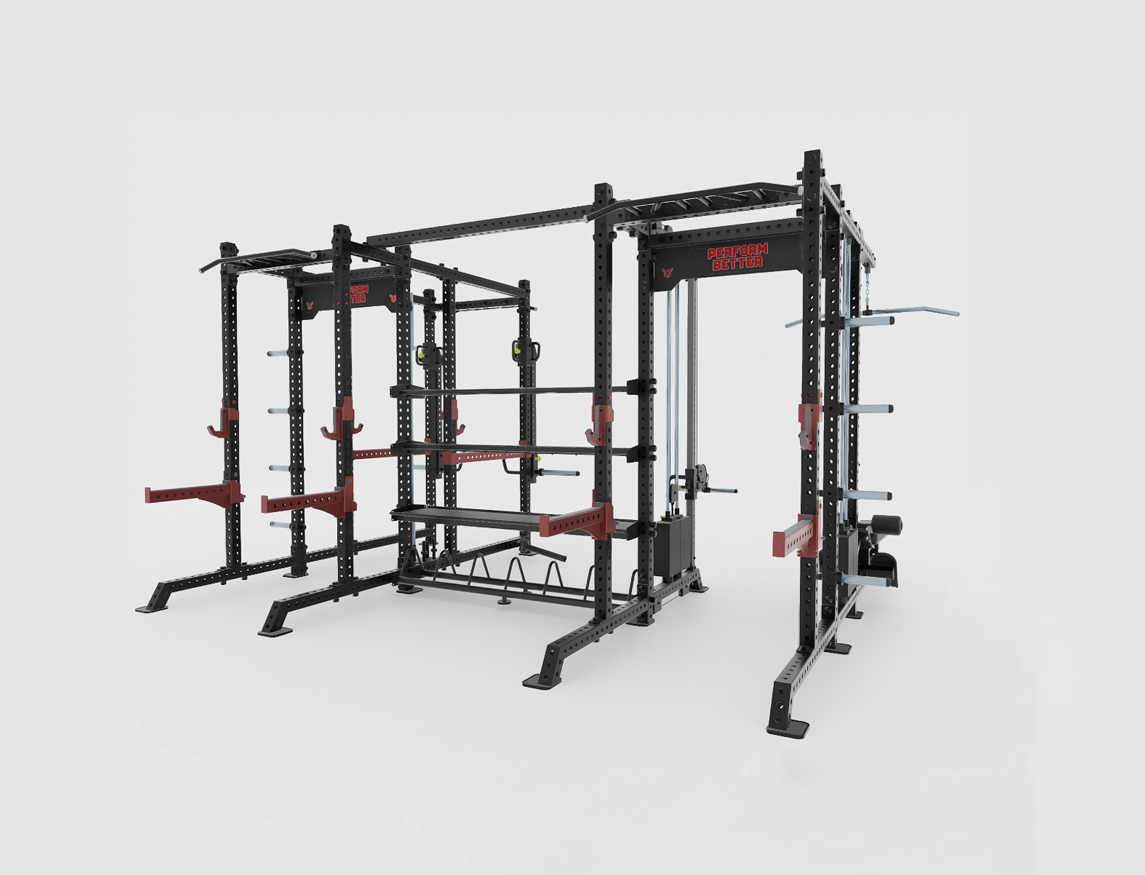
Credit: www.performbetter.com
Maintaining And Caring For Lifting Equipment
Maintaining and caring for gym lifting equipment is essential for safety and durability. Clean and well-kept equipment performs better and lasts longer. Neglect can cause damage and increase injury risk. Simple habits protect your investment and keep workouts effective.
Cleaning And Sanitizing
Wipe down all surfaces after each use. Use a mild disinfectant spray or wipes. Focus on handles, seats, and weight stacks. Avoid harsh chemicals that can harm materials. Regular cleaning prevents germs and sweat buildup. Keep microfiber cloths or disposable wipes nearby. Clean equipment looks inviting and stays safe.
Regular Inspection For Wear And Tear
Check cables, bolts, and moving parts weekly. Look for frayed cables or loose screws. Test pulleys and joints for smooth movement. Replace worn parts immediately to avoid accidents. Keep a maintenance log to track repairs. Detecting issues early saves costly repairs later.
Proper Storage Solutions
Store weights and bars on racks after use. Keep equipment in dry, ventilated areas. Avoid stacking heavy items directly on each other. Use protective mats to prevent floor damage. Organize equipment to avoid clutter and tripping hazards. Proper storage extends equipment life and keeps the gym tidy.
Popular Brands And Innovations
Gym lifting equipment has evolved with strong brands and fresh innovations. These brands focus on quality and safety. Innovations improve performance and user experience. Understanding popular brands and new trends helps buyers choose the right gear.
Top Equipment Brands
- Rogue Fitness: Known for durable and versatile gear.
- Eleiko: Renowned for Olympic weightlifting bars and plates.
- Hammer Strength: Offers robust machines for heavy lifting.
- York Barbell: Classic brand with a wide range of products.
- Powertec: Provides affordable and reliable strength equipment.
Recent Technological Advances
- Smart barbells with sensors track lifting form and reps.
- Adjustable dumbbells save space and offer multiple weights.
- Wearable devices link with machines to monitor progress.
- Enhanced grip technology reduces slippage and injury risk.
- Materials like carbon fiber make equipment lighter and stronger.
Emerging Trends In Lifting Equipment
- Compact home gym systems grow in popularity.
- Eco-friendly materials reduce environmental impact.
- Modular designs allow easy customization and upgrades.
- Integration with apps for personalized workout plans.
- Focus on user comfort with ergonomic designs.
Frequently Asked Questions
What Are The Essential Gym Lifting Equipment For Beginners?
Essential gym lifting equipment for beginners includes dumbbells, barbells, weight plates, and a bench. These tools help build strength safely and effectively. Starting with adjustable weights allows gradual progress and prevents injury.
How To Choose The Right Gym Lifting Equipment?
Choose gym lifting equipment based on your fitness goals, experience level, and budget. Consider equipment quality, adjustability, and space requirements. Testing equipment before buying ensures comfort and suitability.
Why Is Proper Gym Lifting Equipment Important?
Proper gym lifting equipment ensures safety, effectiveness, and comfort during workouts. It helps maintain correct form, reduces injury risk, and improves strength gains. Quality equipment supports consistent progress.
How To Maintain Gym Lifting Equipment Effectively?
Maintain gym lifting equipment by cleaning regularly, checking for damage, and lubricating moving parts. Store equipment in a dry place to prevent rust. Proper maintenance extends equipment lifespan and performance.
Conclusion
Choosing the right gym lifting equipment helps you train safely and effectively. It supports building strength and improving fitness. Using proper tools reduces injury risks and boosts confidence. Whether you exercise at home or in a gym, good equipment matters.
Start with basic gear and add more as you progress. Consistency and correct form bring the best results. Remember, quality matters more than quantity. Equip yourself wisely and enjoy your fitness journey.







