
Starting at the gym can feel overwhelming. You might wonder where to begin, what exercises to try, or how to avoid common mistakes.
This guide is made just for you. It breaks down everything you need to know in simple steps. By the end, you’ll feel confident walking into any gym and making the most of your workouts. Ready to take control of your fitness?
Let’s dive in.
Starting Your Fitness Journey
Starting your fitness journey is an exciting step toward better health. It can feel challenging at first, but simple planning makes it easier. Knowing what to expect helps you stay focused and motivated. Small actions build strong habits. The right approach makes workouts enjoyable and rewarding.
Setting Realistic Goals
Set clear goals that match your lifestyle and fitness level. Goals should be simple and achievable. For example, aim to exercise three times a week or walk 30 minutes daily. Avoid setting goals too high too fast. This helps prevent frustration and injury. Track your progress to stay motivated. Celebrate small wins. They keep your spirit strong.
Choosing The Right Gym
Pick a gym close to home or work for convenience. Visit different gyms to compare facilities and equipment. Look for a clean and safe environment. Friendly staff and trainers make a big difference. Check the gym hours and membership options. Find a place where you feel comfortable and welcome. This encourages regular visits and long-term commitment.
Essential Gym Gear
Wear comfortable clothes that allow easy movement. Choose good-quality shoes that fit well and support your feet. Bring a water bottle to stay hydrated. Use a towel to keep equipment clean. Start with basic gear before buying extras. Simple items help you focus on exercise without distractions. As you progress, you can add more gear to suit your needs.
Credit: wellnessglowblog.com
Basic Workout Routines
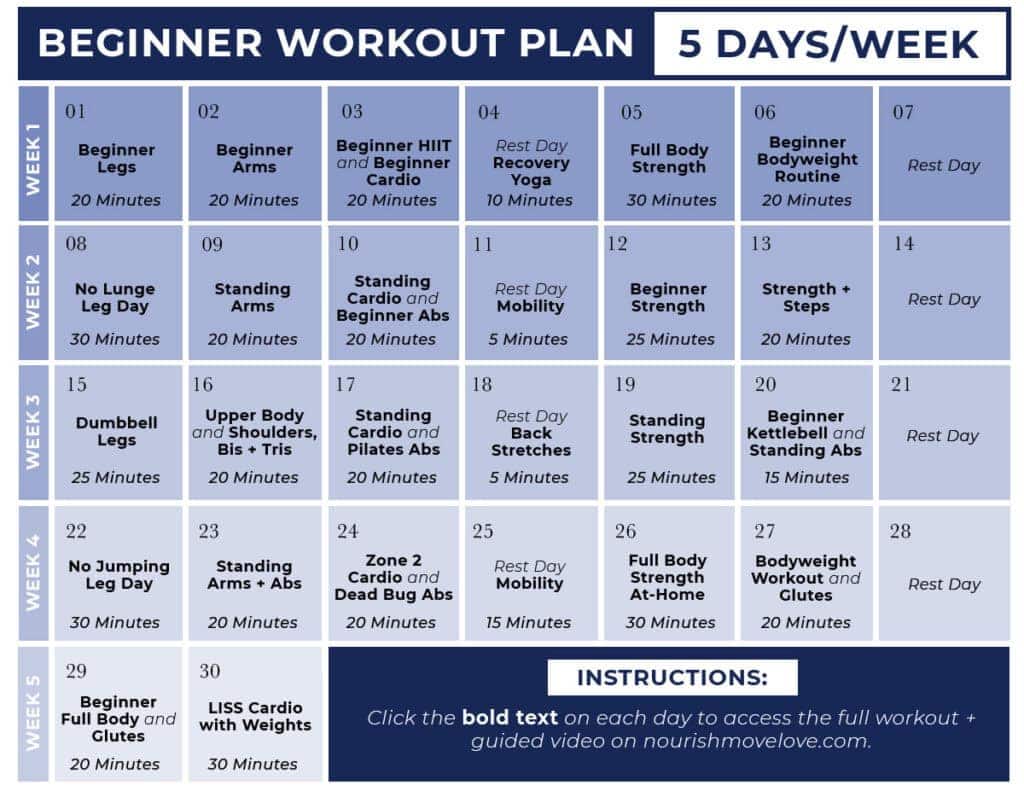
Starting a gym routine can feel overwhelming. Many beginners face challenges. The key is to begin with basic workout routines. These routines build a strong foundation. They help in understanding the body’s needs and limits. Let’s explore some essential components of a beginner’s workout routine.
Cardio Exercises For Beginners
Cardio exercises improve heart health. They also boost endurance. Beginners can start with simple activities. Walking is a great start. Try brisk walking for 20 minutes. Gradually increase the pace and duration. Cycling and swimming are excellent too. They are gentle on the joints. Aim for consistency over intensity. This builds stamina over time.
Strength Training Basics
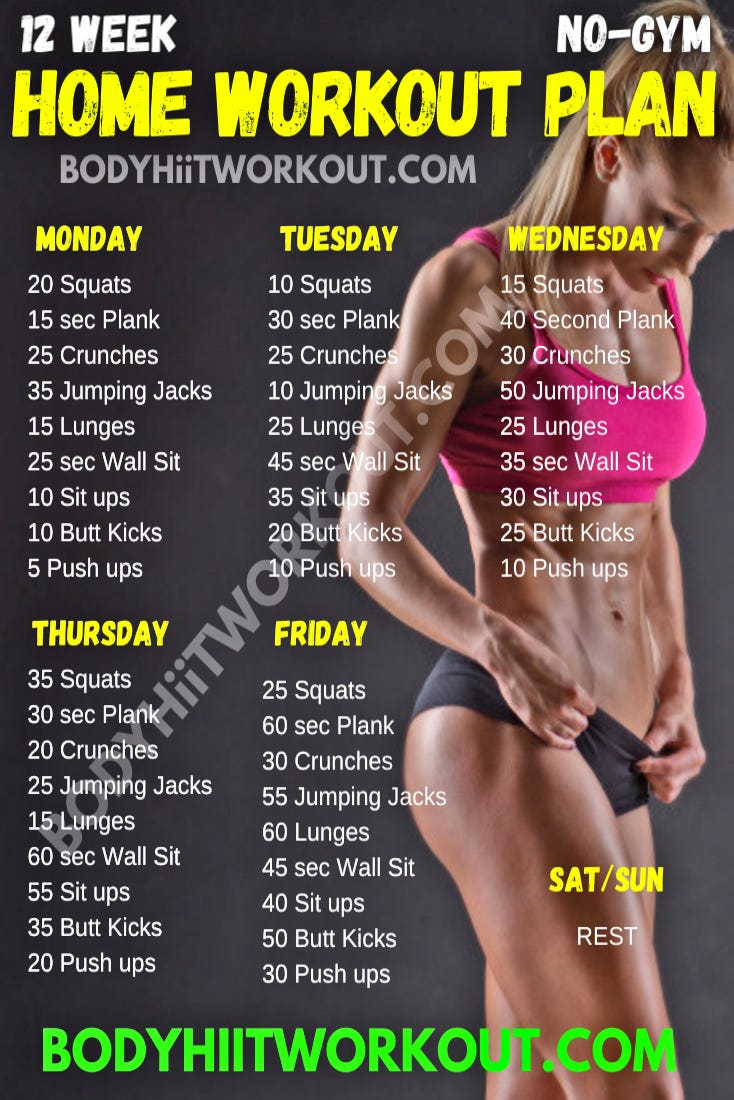
Strength training is crucial. It builds muscle and burns calories. Beginners should focus on bodyweight exercises. Push-ups and squats are effective. They target multiple muscle groups. Perform these exercises with proper form. It prevents injuries and maximizes benefits. Start with two sessions per week. Gradually increase as strength builds.
Flexibility And Stretching
Flexibility is often overlooked. Yet, it is vital for overall fitness. Stretching helps in muscle recovery. It also prevents injuries. Simple stretches improve flexibility. Focus on major muscle groups. Hold each stretch for 15-30 seconds. Yoga is also beneficial. It enhances flexibility and mental focus. Incorporate stretching into your routine.
Nutrition Tips For Beginners
Nutrition plays a huge role in how well you perform and recover at the gym. What you eat fuels your workouts and builds your results. Getting your nutrition right can be confusing at first, but focusing on some simple, clear tips can make a big difference in your progress.
Balanced Diet Essentials
Your body needs a mix of nutrients to stay strong and energized. Focus on eating:
- Proteinslike chicken, fish, beans, and eggs to help repair muscles.
- Carbohydratessuch as whole grains, fruits, and vegetables to provide energy.
- Healthy fatsfrom nuts, seeds, and olive oil to support overall health.
Think about your plate as a puzzle: each nutrient is a piece that fits together for your success. Have you noticed how skipping certain food groups affects your workout energy?
Pre And Post-workout Meals
Eating the right foods before and after exercise can boost your performance and recovery. Before your workout, choose something light but energy-rich, like a banana with peanut butter or oatmeal.
After your session, focus on protein and carbs to rebuild muscles and replenish energy. A simple meal could be grilled chicken with brown rice and veggies.
What happens if you don’t eat properly around your workouts? Many beginners feel drained or sore because they miss this crucial timing.
Hydration Strategies
Water is your workout’s best friend. Staying hydrated helps maintain strength and focus during exercise. Drink water throughout the day, not just when you feel thirsty.
During intense workouts, sip water regularly to replace what you lose through sweat. For longer sessions, consider drinks with electrolytes to balance minerals.
Have you tracked how much water you drink on workout days versus rest days? Small changes here can lead to big improvements in how you feel and perform.

Credit: www.hearstmagazines.co.uk
Staying Motivated
Staying motivated during your gym journey can be challenging, especially when results don’t show up immediately. Motivation fluctuates, but the key is to keep pushing forward even on tough days. Finding ways to stay inspired will make your workouts more enjoyable and productive.
Tracking Progress
Seeing improvement keeps your energy high. Use a journal or an app to record your workouts, weights, and reps. Small wins, like lifting a bit more or running a little farther, remind you that your efforts pay off.
Try taking photos or measurements every few weeks. These visual cues highlight changes that numbers alone might miss. When motivation dips, looking back at your progress can reignite your drive.
Finding A Workout Buddy
Working out with someone else makes the experience more fun and less like a chore. A buddy can push you to try harder and hold you accountable on days you’d rather skip the gym.
Choose a partner with similar goals or fitness levels. Sharing challenges and celebrating achievements together strengthens your commitment and makes the process feel less lonely.
Overcoming Common Challenges
Everyone faces obstacles like time constraints, fatigue, or lack of confidence. Identify what usually stops you and come up with simple solutions, such as shorter workouts or scheduling gym visits at the same time daily.
Ask yourself: What’s one small change you can make today to avoid skipping the gym? Sometimes, just showing up is the hardest step, but it’s also the most important.
Safety And Injury Prevention
Safety is the top priority when starting a gym routine. Injuries can stop progress and cause pain. Taking steps to prevent injury helps you stay consistent and enjoy workouts. Understanding how to protect your body is important for long-term fitness success.
Proper Form And Technique
Using correct form reduces the risk of injury. Poor technique puts stress on joints and muscles. Focus on slow, controlled movements. Watch yourself in the mirror or ask a trainer to check. Start with lighter weights to practice form. Avoid rushing through exercises to prevent strain.
Warm-up And Cool-down
Warming up prepares your muscles for exercise. It increases blood flow and flexibility. Spend 5-10 minutes doing light cardio or dynamic stretches. Cooling down helps your body recover. Stretch muscles after workouts to reduce soreness. Both warm-up and cool-down lower injury chances.
Listening To Your Body
Pay attention to pain and discomfort. Sharp or sudden pain means stop immediately. Fatigue is normal but don’t push through extreme tiredness. Rest days allow muscles to repair and grow. Adjust workouts based on how you feel each day. Injury prevention starts with self-awareness.
Using Gym Equipment
Using gym equipment can feel overwhelming when you first walk in. The variety is huge, and each machine or weight has a specific purpose. Understanding how to use equipment correctly will boost your confidence and help you get better results from your workouts.
Cardio Machines Guide
Cardio machines like treadmills, ellipticals, and stationary bikes improve your heart health and burn calories. Start with a pace that feels comfortable and gradually increase intensity. Don’t rush; focus on maintaining good posture and steady breathing.
If you’re unsure how to set the machine, look for simple instructions on the screen or ask gym staff for help. You can also mix it up by trying different machines to avoid boredom and target different muscles.
Free Weights Vs. Machines
Free weights like dumbbells and barbells require more balance and engage more muscles. Machines guide your movement and can be safer if you’re new or recovering from injury. Both have their place in your routine depending on your goals.
Think about what you want to achieve. Are you looking to build overall strength or focus on specific muscles? Free weights improve coordination, while machines help isolate muscles precisely.
Tips For Beginners
- Start light:Choose weights or settings that allow you to complete exercises with good form.
- Ask for help:Don’t hesitate to ask gym trainers for advice on using equipment.
- Focus on form:Proper technique prevents injury and makes workouts more effective.
- Take breaks:Give your muscles time to recover between sets.
- Track progress:Note how much weight or time you spend on machines to see improvements.
Have you ever felt stuck trying to figure out what to do next at the gym? Taking small steps and learning one machine at a time can make your fitness journey smoother and more enjoyable.
Credit: www.greensafaris.com
Frequently Asked Questions
What Should Beginners Focus On In The Gym?
Beginners should focus on learning proper form and technique. Start with basic exercises and light weights. Consistency and gradual progression are key to building strength safely.
How Often Should Beginners Go To The Gym?
Beginners should aim for 3 to 4 sessions per week. This frequency allows recovery and helps build a workout habit. Rest days are essential for muscle repair and growth.
What Equipment Is Best For Gym Beginners?
Start with machines and free weights like dumbbells. Machines help guide your movement safely. Dumbbells improve strength and balance. Avoid complex equipment until comfortable.
How Important Is Warming Up Before Gym Workouts?
Warming up is crucial to prevent injuries and improve performance. Spend 5-10 minutes doing light cardio and dynamic stretches before exercising. It prepares your muscles and joints for activity.
Conclusion
Starting a gym routine can feel tough, but it gets easier with time. Keep your goals clear and your steps small. Focus on form, rest, and steady progress. Enjoy the process and listen to your body. Consistency beats quick fixes every time.
Stay patient, stay active, and celebrate each small win. Your health and strength will grow with every workout. Keep moving forward, one day at a time.







