
Moving your gym equipment can feel overwhelming. You worry about damage, heavy lifting, and how to keep everything organized.
But what if you knew the best tips to make the process smooth and stress-free? You’ll discover simple steps to relocate your gym gear safely and efficiently. Whether you’re upgrading your space or moving to a new location, these insights will save you time and protect your investment.
Keep reading to learn how to handle your equipment like a pro and avoid common pitfalls that could cost you. Your perfect gym setup is just a few smart moves away.
Planning Your Move
Careful planning makes moving gym equipment easier and safer. Measure spaces and create a clear path to avoid damage. Packing parts separately helps protect each item during transport.
Planning Your Move Relocating gym equipment is no small feat. It demands careful planning and attention to detail to ensure a seamless transition. With a well-thought-out plan, you can minimize downtime and safeguard your investment.Assessing Equipment Size And Weight
Begin by evaluating the size and weight of each piece of equipment. Understanding these factors helps you determine the best method for moving them. A treadmill might require different handling compared to a set of dumbbells. Consider using a tape measure to get accurate dimensions. Knowing the weight will help decide if you need extra hands or specialized moving equipment. Have you ever tried moving a heavy squat rack alone? It’s not something you’d want to repeat.Creating A Moving Timeline
Set a timeline that outlines each step of the move. This schedule should include packing, transport, and reassembly. Sticking to a timeline prevents last-minute rush and stress. Identify potential obstacles that might delay your move. Think about things like building access or elevator availability. Have you checked if there’s any scheduled maintenance that might affect your moving day?Gathering Necessary Supplies
Stock up on the supplies you’ll need for a successful move. Consider boxes, bubble wrap, and moving blankets to protect your equipment. A dolly or hand truck can be invaluable for heavier items. Label everything clearly to streamline the unpacking process. Use a checklist to ensure nothing is left behind. Is there a particular item you can’t afford to lose during this move? By addressing these key areas, your gym equipment relocation can be both efficient and stress-free.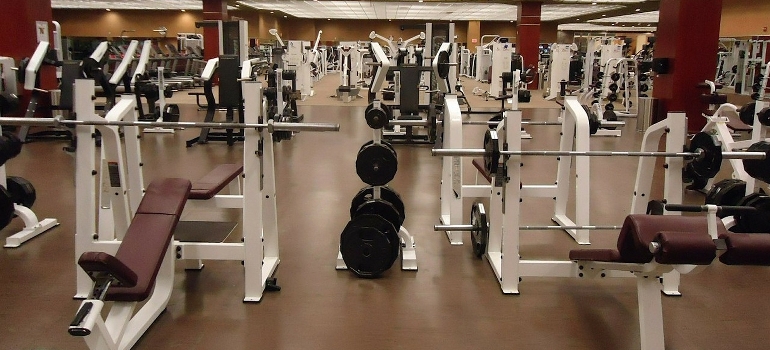
Credit: www.hansenbros.com
Disassembling Machines
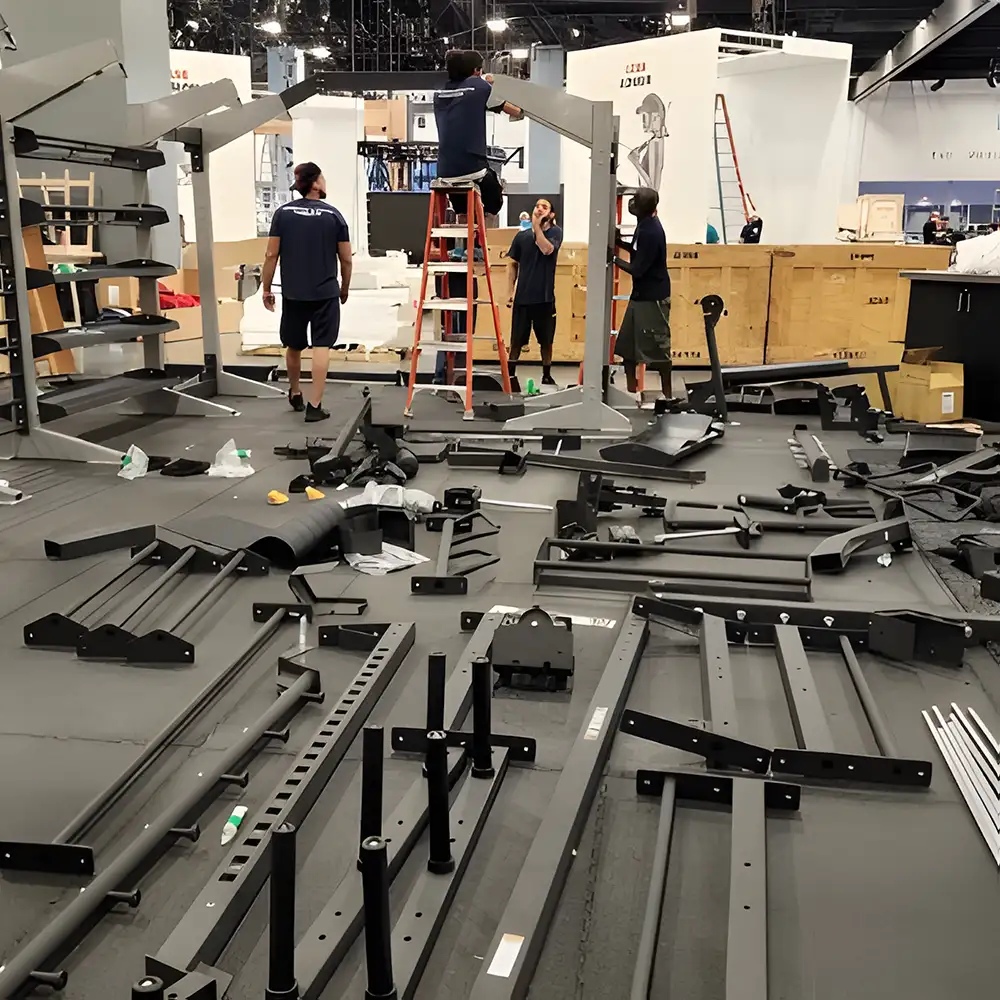
Disassembling gym machines is a critical part of relocating your equipment safely and efficiently. It requires careful planning and attention to detail to avoid damage and ensure smooth reassembly. Have you ever struggled to put a machine back together because the parts were mixed up or lost? Proper disassembly can prevent that headache.
Tools Required For Disassembly
Having the right tools at hand makes disassembling gym equipment much easier. You’ll typically need:
- Wrenches and socket sets for bolts and nuts
- Allen keys for hex screws
- Screwdrivers (both flathead and Phillips)
- Pliers for gripping and pulling pins
- Rubber mallet to gently tap parts free without damage
Missing a tool can slow you down or cause damage. Think about how much time you waste searching for the right wrench. Investing in a complete basic toolkit upfront saves frustration and keeps the process moving.
Labeling Parts And Hardware
Labeling is often overlooked, but it’s essential for reassembling machines quickly. Use masking tape and a permanent marker to tag each part right after removal.
- Write clear, simple codes like “Arm A” or “Bolt 3”
- Group similar screws or nuts together in small plastic bags
- Attach the bags to their corresponding parts
Without labels, you risk mixing up parts or losing crucial pieces. Ever had to guess where a particular bolt goes? Labeling removes that guesswork and saves you hours during setup.
Safe Storage Of Components
Once disassembled and labeled, storing the parts correctly is just as important. Keep everything in a clean, dry area to avoid rust and damage.
- Use sturdy boxes or bins to hold parts securely
- Wrap delicate components in bubble wrap or cloth
- Stack boxes carefully to prevent crushing lighter parts
Think about your last move—how many times did you find something broken because it wasn’t stored properly? Taking time to store parts safely prevents costly repairs and delays when setting up your gym again.
Packing Techniques
Packing gym equipment properly ensures it arrives safely and undamaged. Using the right techniques prevents scratches, dents, and loss of parts. Careful packing saves time and stress during setup at the new location. It also protects your investment in expensive machines and accessories.
Protecting Delicate Surfaces
Delicate surfaces like screens, mirrors, and polished metal need special care. Wrap these areas with soft materials such as bubble wrap or foam sheets. Avoid using tape directly on screens or painted parts. Cover sharp edges to prevent damage to other equipment or walls. Cushioning fragile surfaces reduces the risk of scratches and cracks during transport.
Using Proper Padding And Covers
Use thick padding for heavy and bulky items. Moving blankets and foam pads work well to absorb shocks. Secure covers tightly around equipment with stretch wrap or straps. Protect cables and handles with extra layers of padding. Proper covers keep dirt and moisture away while moving. This padding also helps prevent shifting inside the truck.
Organizing Small Parts
Small parts like bolts, screws, and keys often get lost during moves. Place them in labeled bags or containers. Tape these bags securely to the equipment they belong to. Keep similar parts together to simplify reassembly. Make a checklist of all small pieces for easy tracking. Organizing tiny components reduces delays and frustration later.
Transporting Equipment
Transporting gym equipment requires careful planning and proper tools. The equipment is often heavy and bulky. It needs secure handling to avoid damage and injury. Choosing the right vehicle, securing equipment, and safe handling are key steps. Each step ensures a smooth move without delays or losses.
Choosing The Right Vehicle
Select a vehicle that fits the size of your equipment. Vans, trucks, or trailers work well. Ensure the vehicle has enough space for all items. Check for a flat and sturdy floor to keep equipment steady. Consider vehicle height for easy loading and unloading. A vehicle with a ramp or lift makes the process faster and safer.
Securing Equipment During Transit
Secure all gym equipment tightly to avoid movement. Use straps, ropes, or bungee cords to hold items in place. Place padding or blankets between equipment to prevent scratches. Keep heavier items at the bottom and lighter ones on top. Double-check all ties before driving. This reduces the risk of damage and keeps the load balanced.
Handling Heavy Items Safely
Lift heavy equipment using proper techniques to avoid injury. Bend your knees and keep your back straight. Use dollies, hand trucks, or lifting straps for better support. Work in teams to share the load. Take breaks if the equipment is very heavy. Clear the path of obstacles to prevent accidents during moving.
Setting Up At The New Location
Setting up gym equipment at the new location requires careful attention. Proper setup ensures safety and a smooth workout experience. Every machine must be ready for use and arranged logically.
Reassembling Machines Efficiently
Start by unpacking all parts carefully. Follow the manufacturer’s instructions for each machine. Use the right tools to avoid damage. Check bolts and screws twice to secure them well. Keep manuals handy for quick reference. Work in teams to speed up the process. Label parts during disassembly to know where they belong.
Optimizing Gym Layout
Plan the layout to create open space and easy flow. Group similar equipment like cardio, weights, and stretching areas. Leave enough space between machines for safety and comfort. Position machines near power outlets if needed. Use mirrors to make the space feel bigger and brighter. Consider natural light and ventilation. Mark zones clearly with signs or floor markings.
Testing Equipment For Safety
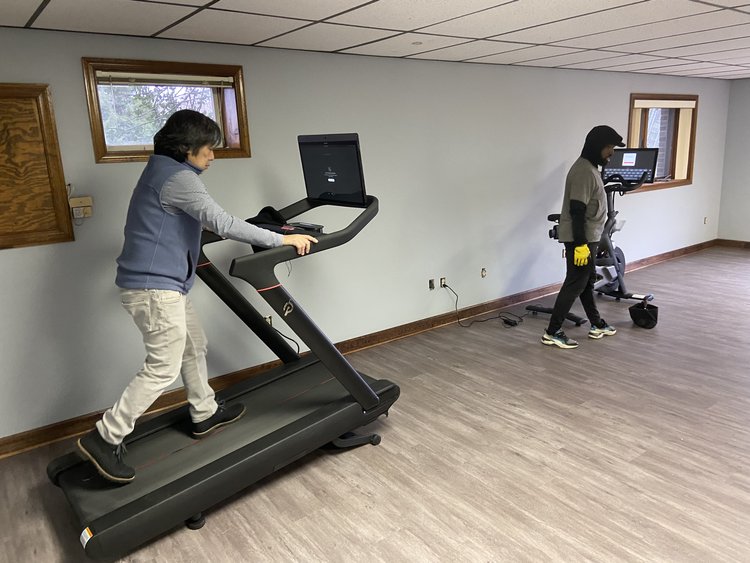
Check each machine after assembly for proper function. Test moving parts for smoothness and noise. Inspect cables and pulleys for wear or damage. Confirm all safety stops and locks work correctly. Run a few trial exercises on each machine. Fix any issues before opening to users. Maintain a checklist to track inspections and repairs.
Credit: www.expertsfitnessmovers.com
Hiring Professional Movers
Hiring professional movers makes gym equipment relocation easier and safer. They bring experience and tools that protect your machines. Moving gym equipment involves heavy, bulky items that can break or cause injury without proper handling. Experts know how to pack, load, and unload efficiently. This reduces downtime and keeps your gym ready for use quickly.
Benefits Of Expert Assistance
- Proper handling reduces damage risk.
- Special tools and techniques ensure safety.
- Faster relocation saves time.
- Experienced teams manage heavy lifting.
- Insurance covers potential accidents.
Selecting A Reliable Moving Company
Choose a company with experience in gym equipment moves. Check reviews and ask for references. Confirm they have the right equipment and trained staff. Verify their insurance and licenses. Clear communication is essential to avoid surprises during the move.
Cost Considerations
| Factor | Impact on Cost |
|---|---|
| Distance | Longer moves cost more. |
| Equipment weight | Heavier items increase cost. |
| Number of items | More items add to price. |
| Service level | Full packing and unpacking cost extra. |
| Insurance | Protects valuables, adds to total. |
Preventing Damage And Injuries
Moving gym equipment is tough work. It’s heavy, bulky, and often awkwardly shaped. Protecting both your equipment and your body during this process isn’t just smart—it’s essential. If you overlook safety, you could end up with broken machines or, worse, a painful injury that sidelines your progress.
Common Risks During Moves
Gym equipment relocation involves several hazards you might not expect. Pinched fingers and crushed toes happen more often than you think. Strains and sprains from improper lifting are also common.
Another risk comes from dropping equipment, which can damage expensive machines or flooring. Uneven weight distribution can cause sudden shifts, leading to slips or falls. Have you ever tried moving a treadmill down stairs? One wrong move could mean disaster.
Safety Gear Recommendations
Wearing the right safety gear makes a huge difference. Gloves with good grip protect your hands and help you hold onto equipment firmly. Steel-toed boots shield your feet from heavy drops.
Don’t forget back support belts—they reduce strain when lifting heavy loads. Knee pads can also come in handy if you’re frequently bending or kneeling. Safety glasses might seem unnecessary, but they’re useful if you’re dealing with any sharp edges or loose parts.
Emergency Preparedness
Accidents can happen even with the best precautions. Keep a first aid kit nearby, stocked with bandages, antiseptic wipes, and ice packs. Knowing basic first aid skills will help you respond quickly to injuries.
Have a phone close by in case you need to call for help. It’s also smart to work with a partner who can assist or get help if something goes wrong. Do you have a clear plan ready before starting your move?
Credit: gymtechfitness.com
Frequently Asked Questions
What Is The Best Way To Relocate Gym Equipment Safely?
Relocate gym equipment by disassembling large machines first. Use proper lifting techniques and protective padding to avoid damage. Secure items during transport. Hire professionals if necessary to ensure safety and efficiency.
How Much Does Gym Equipment Relocation Typically Cost?
Costs vary based on equipment size, quantity, and distance. On average, expect $200 to $1,000 for local moves. Additional fees may apply for heavy or specialty machines. Get multiple quotes for accurate pricing.
How Long Does Gym Equipment Relocation Usually Take?
Relocation time depends on equipment amount and complexity. Small gyms may take a few hours, while larger facilities need a full day or more. Planning and professional help can reduce downtime.
Should Gym Equipment Be Disassembled Before Moving?
Yes, disassembling gym equipment prevents damage and eases transportation. Follow manufacturer guidelines or hire experts for complex machines. Label parts and keep hardware organized for easy reassembly.
Conclusion
Relocating gym equipment takes planning and care. Protect machines from damage during the move. Clear paths and use proper tools for safety. Teamwork makes the process faster and easier. Check all equipment after setting it up. A smooth move keeps your gym ready to serve.
Stay organized and focus on each step. This helps avoid problems and saves time. Moving gym gear does not have to be hard. With good steps, you can do it well.







