
Are you ready to take control of your fitness without breaking the bank? Creating your own DIY gym equipment is easier than you think—and it puts the power of a full workout right in your hands.
Imagine building gear that fits your space, suits your style, and saves you money, all while boosting your motivation to stay active. Keep reading, and you’ll discover simple, practical ideas that transform everyday items into effective workout tools. Your fitness journey just got smarter, more affordable, and a lot more fun.
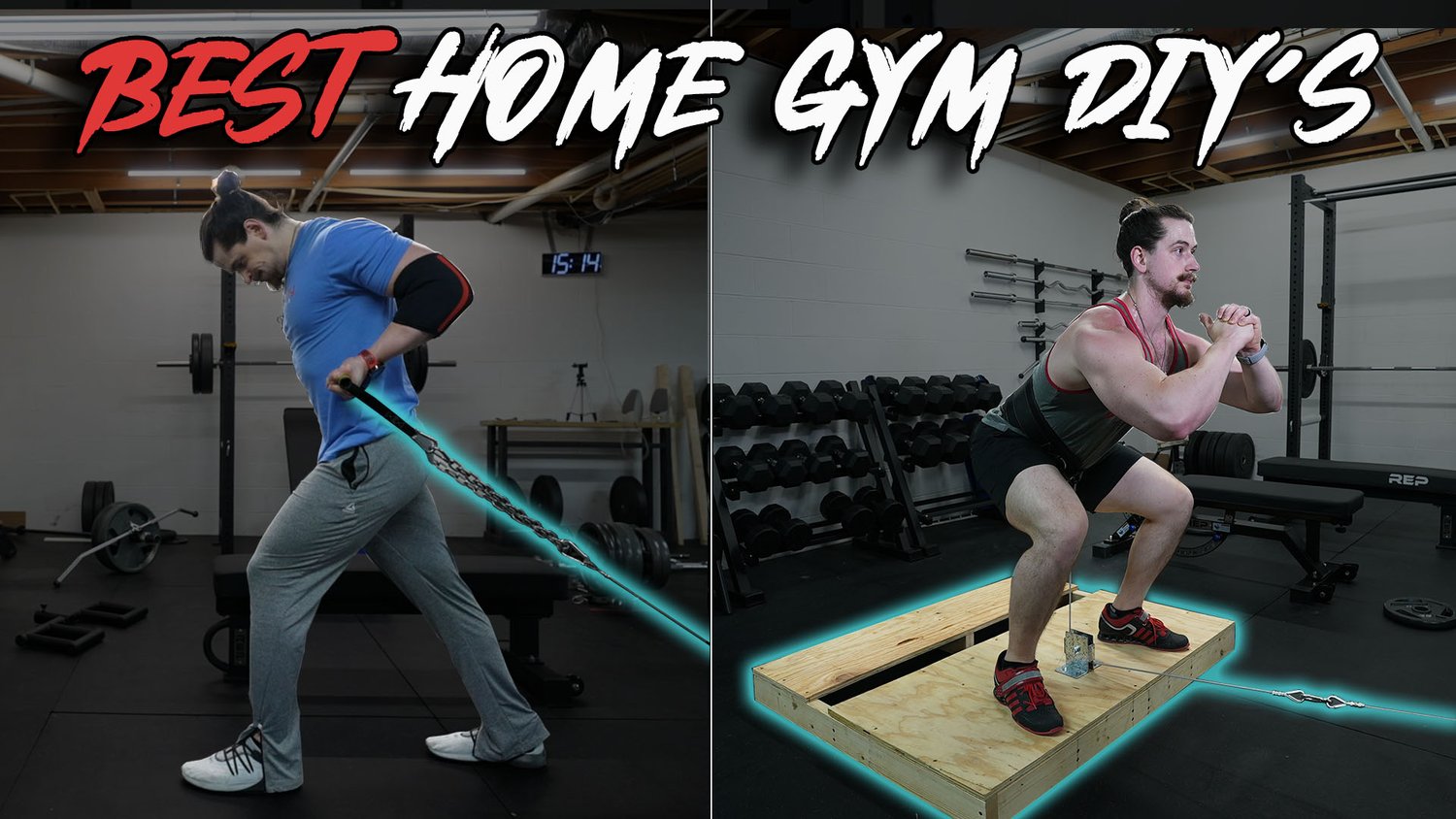
Credit: www.treadawaytraining.com
Benefits Of Diy Gym Equipment
Building your own gym equipment opens up a world of benefits that go beyond just having a workout space at home. It gives you the freedom to design gear that fits your exact needs and budget. Plus, it can be a rewarding project that makes your fitness routine more personal and enjoyable.
Cost Savings Compared To Store-bought Gear
Store-bought gym equipment often carries a hefty price tag, especially for quality items. When you create your own, you can cut costs dramatically by using materials you already have or sourcing affordable alternatives.
For example, instead of buying expensive dumbbells, you can fill empty containers with sand or water. This not only saves money but lets you adjust the weight easily as you progress.
Customization For Personal Fitness Needs
Off-the-shelf equipment is designed for the average user, which might not match your fitness goals perfectly. DIY gear allows you to tailor every detail, from size to resistance level, matching your workout style exactly.
Imagine crafting a pull-up bar at the perfect height for your space, or making resistance bands with tension that suits your strength. This way, your equipment grows with you, keeping your workouts challenging and effective.
Eco-friendly Workout Options
Many commercial gym items use plastics and metals that have a large environmental footprint. Building your own gear often means reusing and repurposing materials, which helps reduce waste.
You might turn old tires into sleds or wooden pallets into weight benches, giving discarded items a second life. This approach not only protects the planet but adds a unique story to your workout routine.
Basic Tools And Materials Needed
Basic tools like a drill, wrench, and saw are essential for building gym gear. Gather materials such as wood, metal pipes, and bolts for sturdy equipment. Simple supplies make DIY gym projects easier and safer.
Building your own gym equipment can be rewarding. It saves money and boosts creativity. But, you need the right tools and materials. These ensure safety and durability. Here’s a guide on what you need for your DIY gym projects.Essential Tools For Assembly
For assembling gym equipment, certain tools are crucial. A power drill is key for securing parts together. A wrench set helps with tightening bolts and nuts. A saw, either hand or electric, is useful for cutting materials. Measuring tape ensures precise dimensions. A screwdriver set assists in fixing smaller components. Each tool aids in creating sturdy gym equipment.Common Materials For Durability
Durable materials ensure the longevity of your gym equipment. Steel pipes are strong and ideal for building frames. Plywood is great for platforms and benches. Foam padding adds comfort to seats and handles. Rubber mats protect the floor and reduce noise. Use strong adhesives and screws for secure assembly. These materials withstand heavy use and enhance equipment life.Safety Gear For Diy Projects
Safety gear is vital when working on DIY projects. Safety goggles protect your eyes from debris. Gloves shield your hands from sharp tools and materials. A dust mask is necessary when cutting or sanding. Ear protection guards against loud tool noises. Wear sturdy shoes to protect your feet. Each piece of gear keeps you safe during your DIY endeavors.Diy Dumbbells And Weights
Building your own dumbbells and weights at home saves money and space. DIY gym equipment lets you exercise without expensive gear. It also encourages creativity and resourcefulness. You can customize weights to fit your strength and workout style.
Using Household Items As Weights
Many common items can serve as effective weights. Water bottles filled with sand or water make easy hand weights. Canned goods provide small, manageable weights for light exercises. Bags of rice or flour work well for heavier lifts.
- Use sturdy containers to avoid spills.
- Secure loose items with tape or rope.
- Choose items with comfortable grips.
These weights allow you to work out your arms, shoulders, and legs. They also help build endurance and strength at home.
Creating Adjustable Dumbbells
Adjustable dumbbells let you change weight quickly during workouts. Use threaded rods or sturdy pipes as handles. Attach plates made from metal discs, concrete, or stacked cans. Secure the plates with strong nuts or clamps to prevent movement.
- Measure weights to balance each side evenly.
- Use washers or rubber pads to prevent noise.
- Label weights for easy identification.
Adjustable dumbbells save space and offer flexibility for different exercises.
Tips For Safe Weight Handling
Safety is key when using homemade weights. Always check for loose parts before lifting. Avoid weights that feel unsteady or slippery. Use gloves to improve grip and protect hands.
- Lift with proper form to avoid injury.
- Start with lighter weights and increase gradually.
- Store weights safely to prevent tripping hazards.
Following these tips ensures a safer and more effective workout.
Homemade Resistance Bands
Homemade resistance bands offer a simple way to add strength training at home. They save money and fit small spaces. You can customize the tension to suit your strength level. These bands work well for stretching, toning, and muscle building.
Selecting The Right Materials
Choose materials that stretch but do not break easily. Natural rubber or latex tubes work best. Avoid thin or worn-out bands. You can use old bicycle inner tubes or resistance tubing from sports stores. Check the material for any tears or weak spots before use.
Different Resistance Levels
Create various resistance by changing band thickness or length. Thicker bands provide more tension. Shorter bands increase resistance too. Use multiple bands together for heavier workouts. Label each band with its resistance level for easy selection.
Exercises With Diy Bands
- Bicep curls: Stand on the band and pull handles up.
- Squats: Place band under feet and hold ends at shoulders.
- Chest press: Anchor band behind and push forward with arms.
- Leg lifts: Tie band around ankles and lift legs sideways.
- Rows: Secure band in front and pull towards your body.
Building A Pull-up Bar
Building a pull-up bar is a fantastic DIY project that can elevate your home workouts. It offers a simple yet effective way to strengthen your upper body without needing expensive gym memberships or bulky equipment. With the right planning and materials, you can create a sturdy and safe pull-up bar that fits perfectly in your space.
Choosing The Best Location
Finding the right spot for your pull-up bar is crucial. You need enough overhead clearance to perform pull-ups without hitting your head or feet. Also, check the surrounding space to ensure you have room to move freely.
Look for solid support structures like wall studs or ceiling joists that can hold your weight securely. Avoid drywall or weak surfaces that might fail under pressure. Have you considered outdoor spots like a sturdy tree branch or a strong porch beam?
Materials For Stability And Safety
Choose materials that can handle your body weight comfortably and resist wear over time. Steel pipes or thick wooden beams are popular options because of their strength and durability. Avoid flimsy materials that could bend or break.
Don’t forget about safety hardware such as heavy-duty bolts, washers, and wall anchors. These keep your bar firmly attached and prevent accidents. Padding or grip tape on the bar can improve your hold and reduce hand fatigue during workouts.
Installation Steps
- Locate the studs or beams and mark the spots where you’ll attach the bar.
- Drill pilot holes to prevent wood from splitting and make installation easier.
- Secure the mounting brackets or supports with heavy-duty bolts and washers.
- Attach the pull-up bar firmly to the brackets, ensuring it is level and stable.
- Test the bar carefully by applying gradual weight before doing full pull-ups.
Have you ever felt unsure about the bar’s stability? It’s better to double-check each step rather than risk injury. Think of this project as building your personal fitness foundation—your safety and consistency depend on it.

Credit: www.reddit.com
Diy Workout Bench Ideas
Building your own workout bench can be a rewarding project that saves money and fits your specific exercise needs. Whether you have limited space or want a bench that does more than just support your weights, there are plenty of creative ideas to consider. These DIY workout bench ideas will help you design a sturdy, comfortable, and versatile piece of gym equipment tailored to your routine.
Designs For Multi-purpose Use
Think beyond a simple flat bench. You can design a bench that adjusts to flat, incline, and decline positions to target different muscle groups. Adding storage compartments underneath can hold dumbbells or resistance bands, making your space more organized.
Consider a foldable design if you need to save space. A bench that folds up easily can be stored against a wall or under a bed. Have you thought about integrating a leg holder or preacher curl attachment? These features add value without extra cost.
Material Choices For Comfort
Choosing the right materials affects both comfort and durability. Use high-density foam for padding to protect your joints during workouts. Cover the foam with a strong vinyl or leather fabric that’s easy to clean and resists sweat.
For the frame, hardwood or steel offers great stability. If you prefer wood, make sure it’s well-sanded and sealed to avoid splinters. Steel frames can be painted to prevent rust and add a sleek look. What feels better to you—a softer cushion or a firmer support?
Assembling And Finishing Tips
Start by measuring your space and planning the dimensions carefully. Secure all joints tightly with screws or bolts to ensure safety during heavy lifting. Use corner braces for extra strength where the bench supports weight.
Apply a smooth finish to wooden parts to prevent injuries and give a professional look. Adding non-slip rubber feet keeps the bench stable on any surface. Don’t forget to test your bench with light weights first; safety should always come first.
Creating Cardio Equipment At Home
Creating cardio equipment at home can save you money and give you the freedom to work out anytime. You don’t need fancy machines to get your heart pumping. Simple, well-made DIY equipment can be just as effective and even more satisfying to use.
Diy Jump Ropes And Skipping Tools
A jump rope is one of the easiest cardio tools you can make yourself. Use durable materials like nylon cord or even paracord for the rope. Handles can be crafted from wood dowels or repurposed plastic tubes for a firm grip.
Adjust the length to fit your height by stepping on the middle and pulling the handles up to your armpits. You can add beads or knots to the rope to create a rhythmic sound that helps keep your pace.
Have you considered how a simple jump rope can challenge your coordination and endurance? It’s a full-body workout that fits in your pocket.
Homemade Step Platforms
Step platforms are perfect for low-impact cardio and leg strength. You can build one using sturdy wooden crates or stackable pallets secured with screws and brackets. Cover the top with non-slip material like rubber mats or textured tape for safety.
Make sure the platform is stable and the height suits your fitness level. Start low and increase the height as your strength and confidence grow.
What’s your favorite step-up routine? Try mixing in knee lifts or side steps to keep your workouts fresh and challenging.
Building A Stationary Bike Frame
Constructing a stationary bike frame at home is more ambitious but rewarding. Use strong metal pipes or wooden beams to create a frame that holds your bike securely in place. The key is ensuring the frame is stable and can support your weight without wobbling.
Attach your regular bike to the frame by securing the rear wheel so it spins freely. You can add resistance by pressing a roller or a brake pad against the tire. This setup lets you pedal indoors regardless of the weather.
Have you thought about how customizing resistance can tailor your cardio workout? Experiment with different pressure levels to find what pushes you just right.
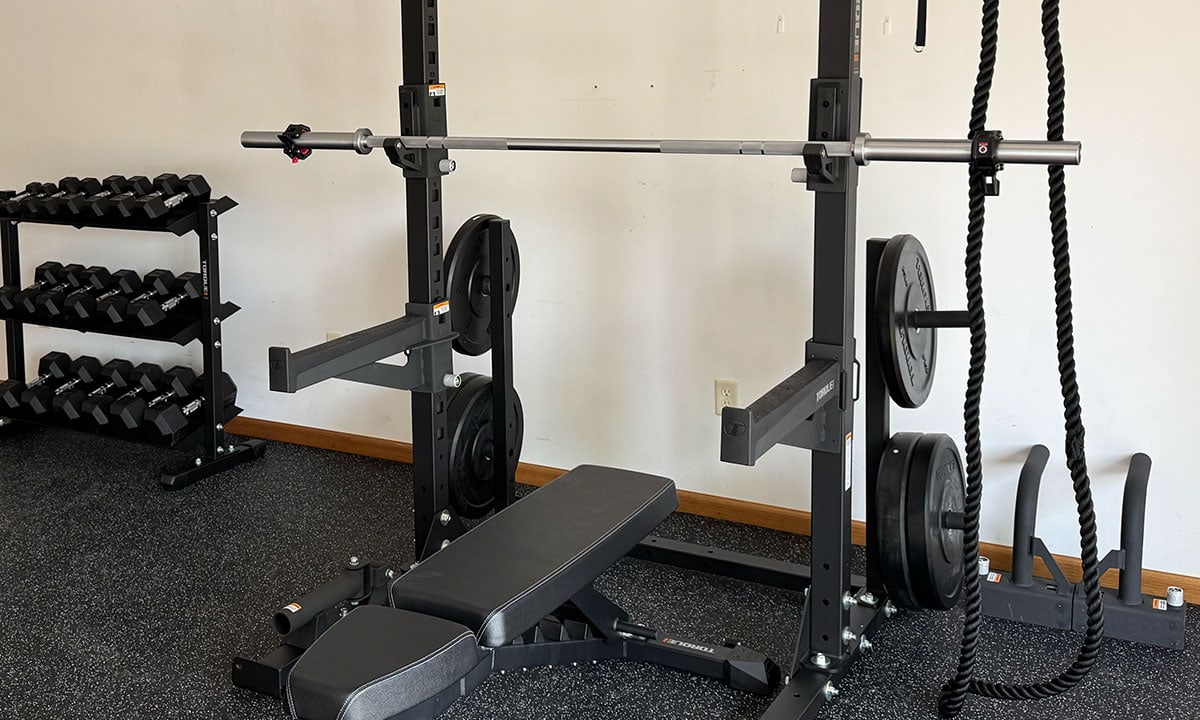
Credit: www.nourishmovelove.com
Safety Tips For Diy Gym Gear
Building your own gym equipment can save money and add a personal touch to workouts. Safety must be the top priority. Proper care and caution reduce injury risks and keep gear working well. Follow clear safety tips to enjoy your DIY gym gear confidently.
Regular Equipment Inspection
Check each piece before use. Look for cracks, rust, or loose parts. Tighten bolts and screws. Test moving parts for smooth action. Inspect handles, grips, and weights for wear. Regular checks catch problems early. Avoid using damaged equipment to prevent accidents.
Weight Limits And Usage Guidelines
Know the maximum weight your equipment can hold. Do not overload bars, benches, or frames. Use the gear only for its designed exercises. Avoid sudden or jerky movements that stress the structure. Follow simple rules to maintain safety and extend equipment life.
Proper Maintenance Practices
Clean equipment regularly to remove dust and sweat. Use mild soap and water for surfaces. Lubricate moving parts to keep them working smoothly. Store gear in a dry place to prevent rust. Replace worn parts promptly. Good maintenance keeps your gym safe and durable.
Maximizing Workout Efficiency With Diy Gear
Making the most out of your workouts doesn’t always mean investing in expensive gear. DIY gym equipment can boost your routine’s effectiveness, especially when used strategically. With the right approach, you can target all muscle groups, increase intensity, and track your progress without breaking the bank.
Combining Equipment For Full-body Workouts
Using a mix of DIY tools can help you hit every major muscle group. For example, a homemade resistance band paired with a sturdy chair allows you to work your legs, arms, and core. Try circuits that include squats with resistance bands, chair dips, and planks to cover strength and stability.
Think about your workout like a puzzle. How can your DIY equipment pieces fit together to challenge your body in different ways? Switching between tools keeps your muscles guessing and prevents boredom.
Incorporating Hiit With Diy Tools
High-Intensity Interval Training (HIIT) is perfect for quick, effective workouts. You can add jump ropes made from simple cords or use water-filled bottles as weights for fast-paced circuits. Alternate between bursts of jumping, squats, and punches to raise your heart rate.
Have you tried timing your intervals with a kitchen timer or your phone’s stopwatch? This adds structure to your sessions, pushing you to work harder during active periods and rest properly between them.
Tracking Progress Without High-tech Devices
You don’t need a smartwatch to monitor your gains. Keeping a workout journal helps you record reps, sets, and how you feel after each session. Over time, this reveals patterns and improvements you might otherwise miss.
Try simple tests like counting how many squats you do in a minute or timing how long you hold a plank. These benchmarks motivate you to beat your previous best. What small changes can you track today to keep your workouts moving forward?
Frequently Asked Questions
What Are The Best Materials For Diy Gym Equipment?
The best materials include wood, PVC pipes, metal pipes, and sturdy ropes. These materials are affordable, durable, and easy to work with. They provide strong support for various gym tools like pull-up bars, dumbbells, and resistance bands.
How Can I Build A Diy Pull-up Bar Safely?
To build a safe pull-up bar, use strong metal pipes or wood. Securely anchor it to a wall or ceiling beam. Test its stability before use. Proper installation prevents accidents and supports your body weight efficiently.
What Are Easy Diy Gym Equipment Ideas For Beginners?
Beginners can try making jump ropes, resistance bands, or sandbag weights. These require minimal tools and materials. They help build strength and endurance without complex assembly or expensive purchases.
How Much Does Diy Gym Equipment Typically Cost?
DIY gym equipment usually costs 50-70% less than store-bought gear. Prices vary based on materials and project complexity. Simple tools like resistance bands or sandbags can cost under $20.
Conclusion
Building your own gym equipment saves money and fits your space. It also lets you customize tools for your workouts. Start with simple projects and grow your collection over time. Stay safe by using strong, reliable materials. Enjoy the satisfaction of exercising with gear you made yourself.
Keep challenging your body and have fun while doing it. DIY gym gear brings fitness closer to home and heart.







