
Are you ready to take your golf game to the next level? If you’ve ever found yourself struggling with that perfect swing or lacking endurance on the course, you’re not alone.
Many golfers overlook the importance of fitness in improving their game. But here’s the secret: integrating gym exercises specifically designed for golfers can dramatically enhance your performance. Imagine hitting the ball further, with more precision, and feeling less fatigue by the 18th hole.
Intrigued? You’ll discover effective golf gym exercises that can transform your play. Let’s dive in and unlock your true golfing potential!

Credit: www.performforgolf.com
Key Muscles For A Strong Swing
A strong golf swing depends on the right muscles working together. These muscles provide power, control, and balance throughout the swing. Training these key areas helps improve distance and accuracy. Focus on strengthening the core, legs, upper body, and maintaining good flexibility.
Core Muscles
The core stabilizes your body during the swing. It includes the abs, obliques, and lower back muscles. A strong core helps transfer power from your lower body to your upper body. It also improves balance and reduces injury risk. Exercises like planks and Russian twists target these muscles effectively.
Leg Strength
Legs provide the base for your swing. Strong legs support your weight and help generate power. Quadriceps, hamstrings, glutes, and calves all play a role. Squats, lunges, and leg presses build strength and stability in your legs. This strength helps maintain posture and balance during the swing.
Upper Body Power
The upper body controls the club and swing speed. Key muscles include the shoulders, chest, and upper back. Strong muscles here increase swing speed and control. Push-ups, rows, and shoulder presses develop upper body power. These exercises improve your ability to swing fast and accurately.
Flexibility And Mobility
Flexibility allows a full range of motion in the swing. Mobility helps joints move freely without pain. Stretching the hips, shoulders, and spine is essential. Yoga and dynamic stretches improve flexibility and mobility. Better movement results in smoother, more effective swings.
Warm-up Routines For Golfers
Warming up before golf prepares your body for the swings ahead. It helps increase blood flow and reduces injury risk. A good warm-up also improves your focus and balance on the course.
Dynamic Stretching
Dynamic stretching uses movement to loosen muscles and joints. It warms up key areas like shoulders, hips, and back. Examples include leg swings, arm circles, and torso twists. These stretches improve flexibility and help with a full golf swing.
Light Cardio
Light cardio raises your heart rate and warms muscles. Try walking, jogging, or jumping rope for five minutes. This gets oxygen flowing and prepares your body for exercise. It also boosts energy and sharpens focus before playing golf.
Joint Activation Drills
Joint activation drills target smaller muscles around joints. They improve stability and control during your swing. Simple exercises include wrist rotations, ankle circles, and hip openers. Activating these joints helps prevent injury and enhances your golf performance.
Power Moves To Build Strength
Building power is essential for every golfer aiming to add distance and control to their swing. Strength alone won’t cut it; you need moves that mimic the rotational and explosive nature of golf. These power moves help you develop core strength, improve hip rotation, and enhance overall stability.
Medicine Ball Rotational Throws
This exercise trains your core to generate explosive rotational power, just like in your golf swing. Stand sideways to a wall, hold a medicine ball at chest height, and twist your torso to throw the ball against the wall. Catch it on the rebound and repeat for sets of 10 to 15 throws on each side.
Try focusing on speed rather than strength during the throw. Have you noticed how your swing feels more fluid when your core fires up quickly? That’s the kind of power these throws develop.
Cable Woodchoppers
Cable woodchoppers mimic the diagonal force you use in your swing. Attach a handle to a high pulley and pull it down and across your body in a controlled, chopping motion. Perform 3 sets of 12 to 15 reps per side, focusing on engaging your core and hips.
This move helps you build rotational strength while protecting your lower back. Are you controlling the movement with your core or just pulling with your arms? Proper technique here makes all the difference on the course.
Deadlifts
Deadlifts work the entire posterior chain—your glutes, hamstrings, and lower back—which all contribute to a powerful golf swing. Keep your back straight, lift the barbell from the ground by pushing through your heels, and stand tall. Aim for 3 sets of 6 to 8 reps with challenging weight.
Don’t rush the lift; slow and steady control reduces injury risk. How strong is your foundation when you set up for your swing? Deadlifts build that solid base.
Kettlebell Swings
Kettlebell swings improve hip explosiveness and endurance. Swing the kettlebell between your legs and then thrust your hips forward to bring it to chest height. This dynamic move should feel like a powerful hip snap, not a lift with your arms.
Start with 3 sets of 15 to 20 swings, focusing on rhythm and hip drive. Can you feel the difference in your hip speed after a few sessions? That’s the kind of power that translates directly to your drive off the tee.
Stability And Balance Exercises
Stability and balance exercises are vital for a strong golf swing. They improve control and reduce injury risk. These exercises train your muscles to work together smoothly. Better balance means better posture and swing accuracy.
Single-leg Deadlifts
Single-leg deadlifts build strength and balance in your legs and core. Stand on one leg and bend forward at the hips. Keep your back straight and reach toward the floor. Return to the starting position slowly. This exercise improves hip stability and control during your swing.
Balance Board Drills
Balance board drills challenge your ability to stay steady on an unstable surface. Stand on a balance board and try to keep it level. Move side to side or make small circles with your feet. These drills enhance ankle and core strength. Stronger ankles help maintain your stance during the golf swing.
Plank Variations
Planks strengthen your core and improve overall stability. Try side planks to target your obliques. Add leg lifts or arm reaches to increase difficulty. A strong core supports your spine and helps maintain balance through your swing. Plank exercises build endurance and control.
Flexibility Drills To Improve Range
Improving your range of motion is crucial for a powerful and accurate golf swing. Flexibility drills help loosen tight muscles and joints, allowing you to move more freely and reduce the risk of injury. If you want to add yards to your drive or enhance your follow-through, these drills should be part of your routine.
Hip Openers
Your hips play a huge role in generating swing power. Tight hips limit rotation, which can throw off your swing path and reduce distance.
Try seated or standing hip openers like the butterfly stretch or lunges with a twist. Hold each stretch for 20-30 seconds and focus on feeling the release in your hip joints.
Once, after adding hip openers to my gym routine, I noticed a smoother, more controlled swing. You might experience the same boost in mobility.
Thoracic Spine Rotations
The thoracic spine, or upper back, is where a lot of your rotational power comes from. Stiffness here can cause compensations that affect your swing mechanics.
Gentle seated or lying rotations help improve mobility in this area. Try placing your hands behind your head and slowly twisting side to side, or use a foam roller to massage tight spots.
Improved thoracic rotation can make your swing feel more natural and less forced. How well does your upper back move during a full swing?
Hamstring Stretches
Hamstrings often get tight from sitting or standing too long, and tightness here restricts your ability to bend and stabilize during your golf swing.
Simple stretches like standing toe touches or lying hamstring pulls with a strap can increase flexibility. Hold for 30 seconds and repeat on both legs.
Stretching your hamstrings regularly can help you maintain better posture and balance throughout your swing. When was the last time you checked your hamstring flexibility?
Sample Weekly Gym Plan
Designing a weekly gym plan tailored for golf can dramatically improve your game by targeting the muscles and movements essential for a powerful swing. This sample plan balances strength, mobility, and power, ensuring you build a solid foundation without overtraining. Ready to see how you can structure your workouts for better performance on the course?
Day 1: Strength Training
Focus on building muscle endurance and overall strength. Prioritize compound movements like squats, deadlifts, and bench presses to engage multiple muscle groups.
- Squats: 3 sets of 8-10 reps
- Deadlifts: 3 sets of 6-8 reps
- Bench Press: 3 sets of 8-10 reps
- Plank Holds: 3 sets of 30-45 seconds
These exercises improve your core and lower body strength, which are crucial for stability during your swing. Notice how your balance and control improve after a few weeks?
Day 2: Mobility And Flexibility
Golf demands a wide range of motion, so dedicating time to mobility is essential. Stretching and mobility drills help prevent injury and increase your swing speed.
- Hip Flexor Stretch: Hold for 30 seconds each side
- Thoracic Spine Rotation: 3 sets of 10 per side
- Shoulder Circles: 3 sets of 15 forward and backward
- Cat-Cow Stretch: 3 sets of 10 slow reps
Try to feel the difference in your swing flexibility after these sessions. Have you noticed tight hips or shoulders limiting your range?
Day 3: Power And Stability
Power is what drives your drive. Combine explosive movements with stability work to generate force without losing control.
- Medicine Ball Rotational Throws: 3 sets of 10 each side
- Kettlebell Swings: 3 sets of 15 reps
- Single-Leg Deadlifts: 3 sets of 8 reps per leg
- Bosu Ball Balance Holds: 3 sets of 30 seconds
These exercises train your body to transfer power efficiently through your swing. Can you feel the difference in your club speed after practicing power moves?
Rest And Recovery Tips
Recovery is as important as your workout. Muscles grow and repair when you rest, so avoid skipping this part.
- Get at least 7-8 hours of sleep every night
- Use foam rolling to release muscle tightness
- Stay hydrated and eat protein-rich meals
- Consider light walking or swimming on off days
Have you tracked how recovery affects your energy and swing consistency? Sometimes, the best improvement comes from taking it easy.
Common Mistakes To Avoid
Golf gym exercises help improve strength, flexibility, and balance. Avoiding common mistakes ensures better results and fewer injuries. Many players focus on wrong areas or use poor techniques. These errors limit progress and can cause pain. Watch out for these common pitfalls to stay on track and improve your golf fitness.
Neglecting Core Work
The core is vital for golf power and stability. Skipping core exercises weakens your swing and balance. Strong abs and lower back improve rotation and control. Without core strength, other muscles overcompensate and tire quickly. Include planks, Russian twists, and leg raises in your routine.
Overtraining
Too much training causes fatigue and muscle strain. Rest days are essential for muscle recovery and growth. Overtraining leads to poor performance and higher injury risk. Balance workout intensity and frequency to avoid burnout. Listen to your body and adjust your sessions as needed.
Poor Form
Incorrect exercise form reduces effectiveness and increases injury risk. Focus on technique rather than lifting heavy weights. Use mirrors or a trainer to check your posture and movement. Proper form builds strength safely and improves your golf swing mechanics. Slow down and control each motion for best results.

Credit: steelsupplements.com
Tracking Progress And Staying Motivated
Tracking progress and staying motivated are key to improving your golf gym exercises. Without tracking, it’s hard to see how much you have improved. Motivation fades quickly if you don’t notice any changes. Keeping a clear record helps you stay focused and pushes you to keep going. Motivation grows when you celebrate small wins and see your strength and flexibility improve.
Setting Realistic Goals
Set goals that match your current fitness level. Avoid aiming too high too fast. Small, clear goals work best. For example, increase your swing speed by 5 mph or add 5 minutes to your workout. Write your goals down. Review them regularly. This keeps your mind on what you want to achieve. Realistic goals make progress feel possible.
Using Performance Metrics
Measure your progress with simple numbers. Track weight lifted, reps done, or time spent exercising. Use a journal or an app to record results. Check your flexibility with easy tests like touching your toes. Keep a note of your golf swing speed and balance. Numbers show real progress and help you adjust your workouts. Seeing improvement is a great motivator.
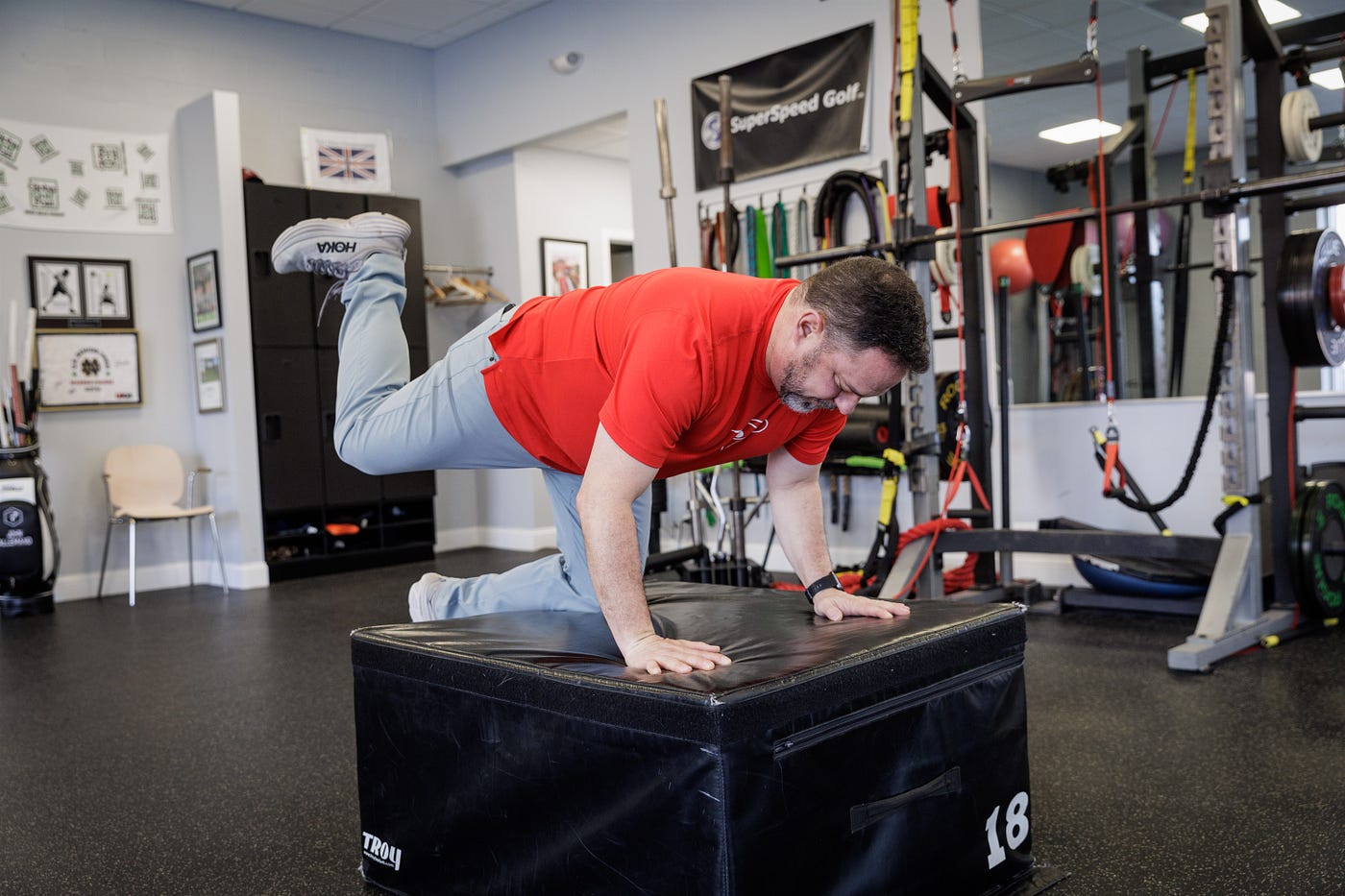
Incorporating Variety
Change your exercises often. Different workouts target different muscles and keep things fresh. Use resistance bands, free weights, or bodyweight moves. Try balance drills, core work, and stretching. Variety prevents boredom and reduces injury risk. It also improves all parts of your golf game. Mix gym days with practice swings for a full approach.
Credit: medium.com
Frequently Asked Questions
What Are The Best Gym Exercises For Golf Improvement?
The best golf gym exercises target core strength, flexibility, and balance. Focus on rotational moves, planks, squats, and lunges to enhance your swing power and stability.
How Does Gym Training Enhance Golf Swing Performance?
Gym training improves golf swing by building muscle strength and flexibility. Stronger muscles support better control, increased swing speed, and injury prevention during play.
Which Muscles Should Golfers Focus On In The Gym?
Golfers should target core muscles, glutes, hips, and shoulders. Strengthening these areas boosts swing mechanics, power, and overall endurance on the course.
Can Gym Exercises Reduce Golf-related Injuries?
Yes, gym exercises can reduce golf injuries by improving muscle balance and joint stability. Strength training and stretching help prevent strains and overuse injuries.
Conclusion
Golf gym exercises build strength and improve your swing. They help increase flexibility and prevent injuries. Regular workouts boost your balance and power on the course. Focus on exercises targeting your core, legs, and shoulders. Consistency is key to seeing real progress over time.
Small changes in fitness lead to better performance. Enjoy the process and watch your golf skills grow. Staying active off the course pays off when you play. Start simple, stay steady, and keep moving forward.







